
 By Nana Muazin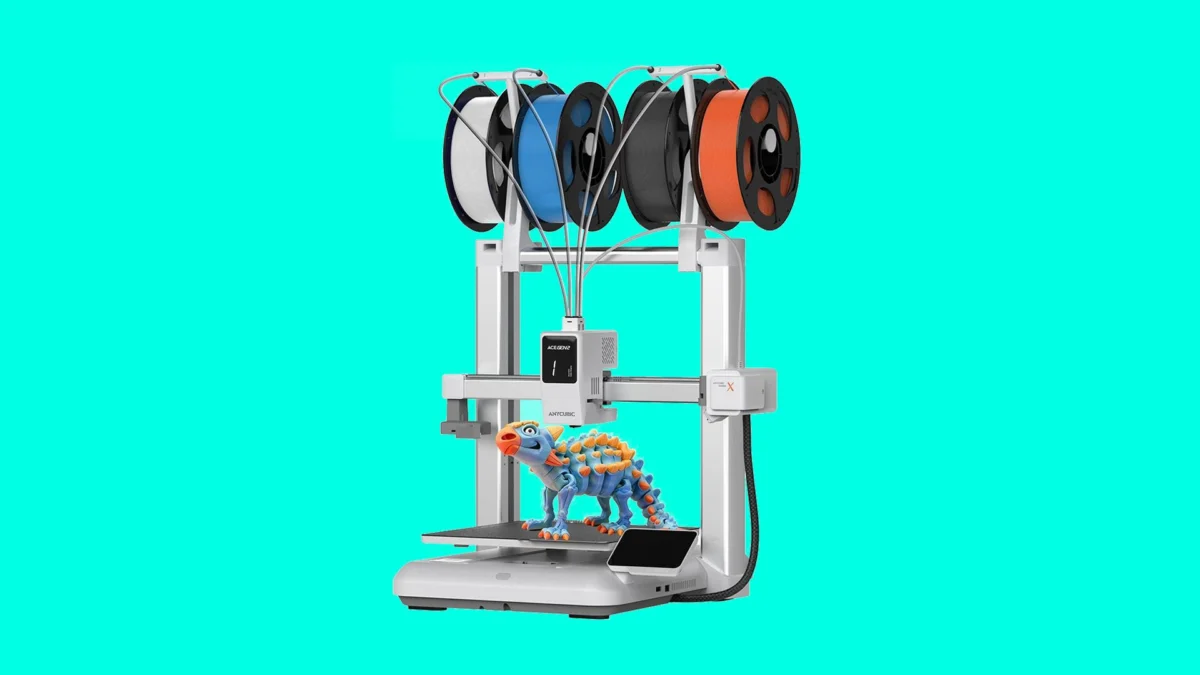
In the fast-paced world of additive manufacturing, price volatility is often the consumer’s greatest ally. Earlier this week, during Amazon’s Prime Big Deal Days, the tech community watched as prices on entry-level and mid-range 3D printers plummeted. Among the most notable performers was the Anycubic Kobra 3 Combo. Originally pegged at a standard retail price, the machine saw a significant reduction of $130, bringing it down to $329.
However, in a rare market twist that defies the typical post-sale price hike, the deal has actually improved. As of this week, the Anycubic Kobra 3 is available for a record-low price of $299. For those who missed the Prime Day window, this extended discount represents a unique opportunity to enter the world of high-quality FDM (Fused Deposition Modeling) printing at a price point that was previously reserved for entry-level, non-multicolour machines.
The Evolution of the Deal: A Chronology
The trajectory of the Kobra 3’s pricing over the last fourteen days serves as a case study in modern e-commerce retail cycles.
- Pre-Prime Day: The machine sat at its standard market MSRP, positioning it as a premium "prosumer" entry point.
- Prime Big Deal Days: Amazon initiated a aggressive push, slashing the price by $130 to $329. This captured the attention of hobbyists looking for a reliable, feature-rich machine.
- Post-Sale Correction: Typically, prices revert to their baseline immediately following a major sales event. Instead, the current market dynamics—likely driven by inventory management and competitive pressure from brands like Creality and Bambu Lab—saw an additional $30 shaved off, cementing the $299 price point.
This downward trend is indicative of a maturing market where "beginner" printers are no longer synonymous with "budget" machines. Manufacturers are increasingly pushing advanced features—such as multicolour capabilities and AI monitoring—into the sub-$300 segment to capture the growing demographic of creators, designers, and hobbyists.
Why the Kobra 3 Stands Out: Technical Breakdown
For those unfamiliar with the hardware, the Anycubic Kobra 3 is not just another plastic extruder. It is a sophisticated FDM system designed to mitigate the "beginner’s trap"—the tendency for new users to purchase a cheap machine only to outgrow its capabilities within six months.
Key Features and Specifications
The Kobra 3 excels by balancing ease of use with professional-grade flexibility. Its primary advantages include:
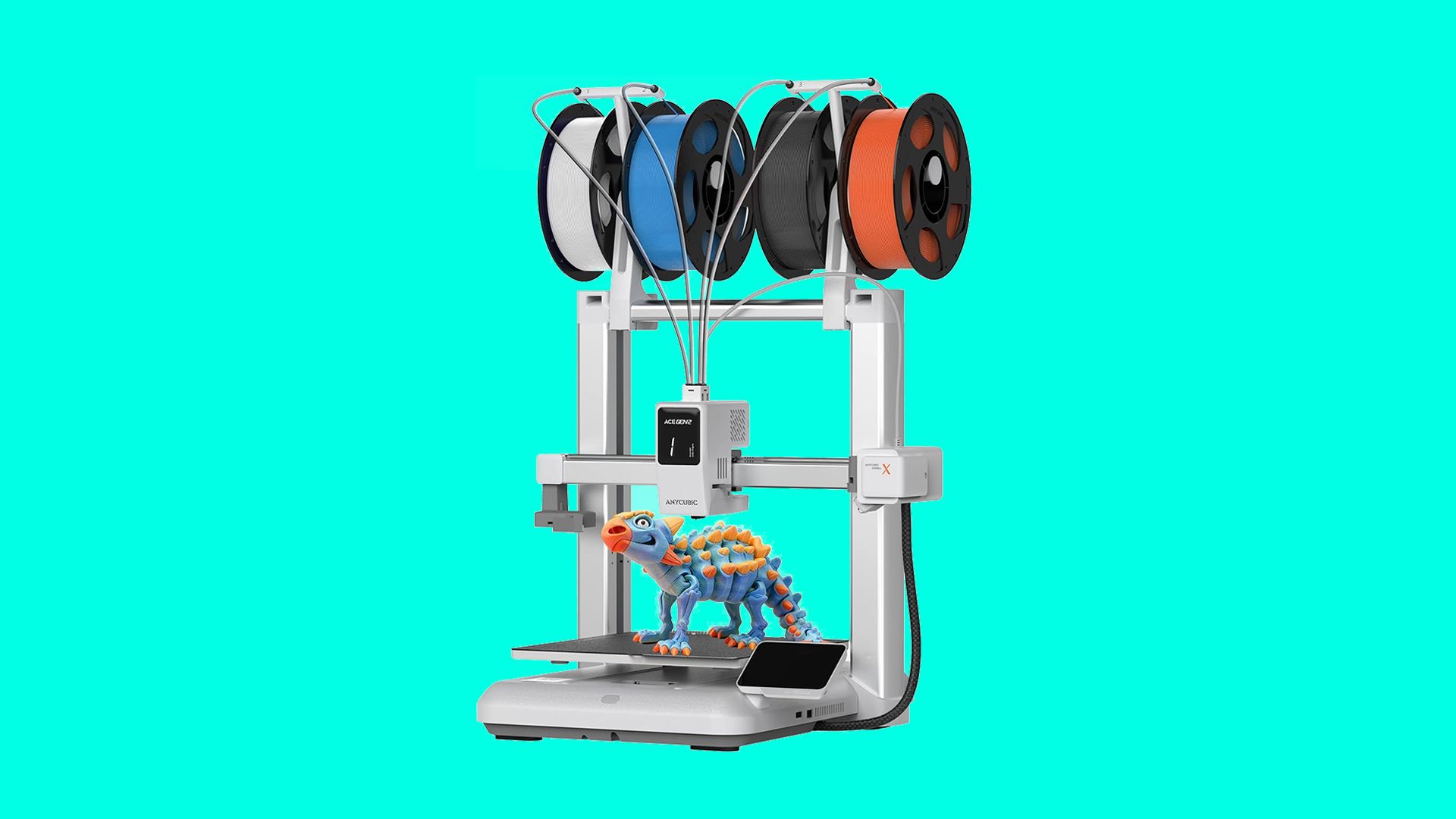
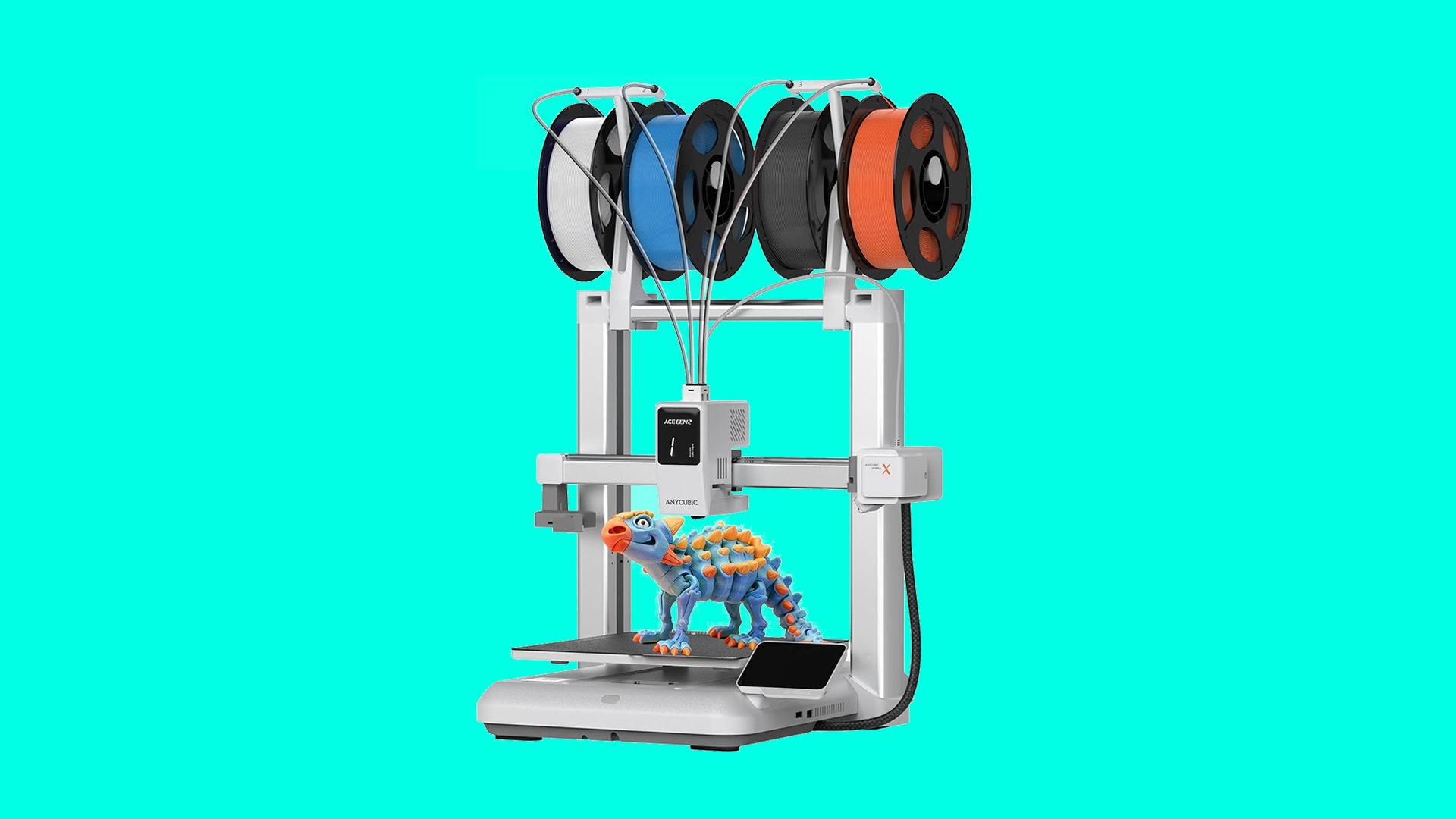
- Native Multicolour Printing: The most significant selling point is its ability to handle four-colour printing natively. This system can be expanded to accommodate up to 19 mixed-material combinations. For those creating functional prototypes or artistic models, the ability to switch filaments mid-print without manual intervention is a game-changer.
- AI-Enhanced Reliability: The inclusion of AI monitoring is increasingly standard in the professional space, but seeing it in a consumer machine at this price point is notable. The printer can detect common failures, such as "spaghetti" prints or layer shifting, alerting the user via an app and preventing the waste of time and filament.
- Automated Calibration: Manual bed leveling is the bane of the novice 3D printer operator. The Kobra 3’s auto-leveling system ensures that the first layer adheres perfectly, which is the foundational requirement for any successful print.
- Robust Build Volume: Compared to ultra-compact models, the Kobra 3 offers a generous build volume, allowing users to print larger, more complex objects in a single pass.
Navigating the 3D Printing Ecosystem: FDM vs. Resin
As the market for 3D printing expands, newcomers are often paralyzed by the choice between the two dominant families of printers: FDM and Resin (SLA/DLP). Understanding the difference is vital for anyone considering the current Kobra 3 deal.
The FDM Case (The Kobra 3 approach)
FDM printers, like the Kobra 3, melt thermoplastic filament and deposit it layer by layer. They are the "workhorses" of the industry.
- Safety and Maintenance: FDM printers are generally considered safer and easier to maintain. They do not require the handling of toxic liquid resins or the use of harsh solvents like isopropyl alcohol for post-processing.
- Cost-Efficiency: The running costs for FDM are significantly lower. Filament is inexpensive, and the machines are durable.
- Ideal Use Cases: Prototypes, functional parts, structural components, and large-scale decorative items.
The Resin Case
Resin printers use a light-sensitive liquid that is cured by a UV light source.
- The Detail Factor: If your primary goal is to print tabletop miniatures, jewelry, or highly detailed figurines, resin is technically superior. It can capture microscopic details that FDM simply cannot replicate.
- The Trade-off: Resin printing requires a dedicated workspace with high ventilation, the use of PPE (gloves and masks), and a multi-stage cleaning process (wash and cure). For those who need high detail, the Anycubic Photon Mono M7 Pro is a current market leader, also seeing significant price reductions (down to $449).
Implications for the Hobbyist and Professional
The drop to $299 for the Kobra 3 has broader implications for the design and manufacturing community.
Lowering the Barrier to Entry
When reliable, multicolour, AI-monitored printers hit the sub-$300 mark, it shifts the focus from "will the machine work?" to "what can I create?" This reduction in friction is likely to accelerate the adoption of 3D printing in fields such as interior design, rapid prototyping for small businesses, and educational environments.
The "Future-Proofing" Strategy
Most "cheap" printers on the market today lack the ecosystem to grow with the user. The Kobra 3’s ability to integrate with various software suites and its expandability in material handling means that a user can start with basic PLA prints and move into advanced materials and complex multi-part assemblies without needing a new machine. This "future-proofing" is a strategic investment for anyone serious about the hobby.
Official Perspective and Support
Anycubic, as a brand, has positioned itself as the "democratizer" of 3D printing. By consistently offering deep discounts alongside robust support, they are competing directly with the closed-ecosystem giants of the industry. Their commitment to software updates and app-based monitoring suggests that they are not just selling hardware, but a service ecosystem.
For potential buyers, the current Amazon listing includes the standard manufacturer warranty and return policies, which remain a crucial safety net for hardware of this complexity.
Final Verdict: Is it Time to Buy?
If you have been waiting for a sign to enter the 3D printing hobby, the current price point of the Anycubic Kobra 3 is objectively one of the best entry opportunities of the year.
While the Prime Big Deal Days created the initial buzz, the current $299 price tag is a more sustainable, and ultimately more attractive, entry point. It represents a rare moment where the hardware, the software capabilities, and the price point converge to offer significant value. Whether you are a creative professional looking to prototype your next design or a hobbyist looking to dive into the world of multicolour printing, the Kobra 3 is currently the machine to beat.
As with all tech investments, we recommend assessing your specific needs—if you value ease of use, safety, and large-scale functional printing, the Kobra 3 is a clear winner. If you are strictly chasing high-detail miniature work, consider the resin alternatives. However, for 90% of home users, the FDM path offered by this specific deal remains the most logical, cost-effective, and rewarding choice.
 rifanmuazin
  Laily UPN
  Lina Irawan