
 By Lina Hope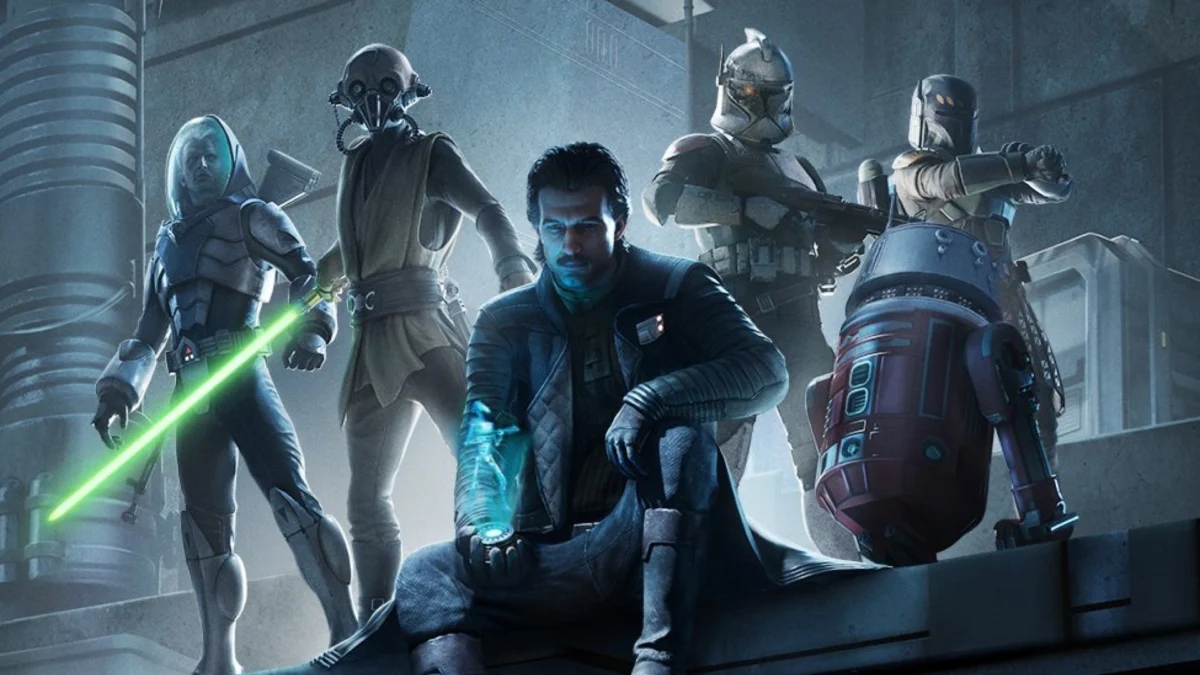
In a significant turnaround for the gaming industry, Bit Reactor—the studio behind the critically acclaimed tactics title Star Wars: Zero Company—has officially begun the process of rehiring staff members who were furloughed just weeks before the game’s commercial debut. The move marks a pivot from a period of intense instability to a phase of organizational stabilization, offering a glimmer of hope to developers who had been left in professional limbo during the studio’s most critical launch window.
The Current State of Affairs: A Gradual Return
Studio CEO Greg Foertsch confirmed the development in an official statement released this week, describing the move as an "important step forward" in the studio’s ongoing commitment to the post-launch support and development of Zero Company.
While the studio has not provided a specific numerical breakdown of how many employees are returning to their desks, reports from industry sources suggest that more than half of the studio’s total headcount has been restored to the payroll. This represents a substantial recovery from the dark days preceding the game’s release, when the studio was forced to furlough approximately 80% of its workforce—a drastic measure taken in response to what leadership described as "unexpected business developments."
For the remaining staff members still awaiting word on their future, the situation remains delicate. However, the active recall of personnel indicates that the studio’s financial health is stabilizing, likely buoyed by the rapid and impressive commercial performance of its latest project.
A Chronology of Crisis and Recovery
To understand the significance of this reinstatement, one must look at the turbulent timeline of the last six months.
Pre-Launch Instability
In the weeks leading up to the launch of Star Wars: Zero Company, Bit Reactor found itself in the headlines for all the wrong reasons. The studio, which had garnered significant hype for its promise to bring the tactical depth of XCOM to the Star Wars universe, faced a sudden liquidity crisis.
This crisis was not merely a matter of market forces; it was exacerbated by an internal legal struggle between co-founders Alison Kelly and Greg Foertsch. The friction ultimately led to a resolution where Foertsch assumed sole ownership of the company. However, the legal costs and the resulting uncertainty regarding the studio’s capital reserves created a "perfect storm" that left most of the staff on unpaid leave without benefits during the final, high-pressure push for launch.
The Launch Window
Despite the skeletal crew left to finalize the product, Star Wars: Zero Company launched to widespread critical acclaim. By effectively blending the "best bits" of the XCOM strategy formula with the beloved aesthetic of the Star Wars galaxy, the game resonated deeply with fans. The success was immediate, with the title quickly crossing the threshold of one million copies sold. This commercial triumph proved to be the lifeline the studio desperately needed to begin repairing its internal infrastructure.
Supporting Data: The Economics of the Turnaround
The transition from a near-collapse to a stabilization phase highlights the volatile nature of mid-sized independent studios working on major intellectual properties.
- The Furlough Impact: At the height of the crisis, the decision to furlough 80% of the staff was characterized as an "incredibly difficult" but "necessary" move. It was a strategic retreat aimed at preventing total bankruptcy, allowing the studio to retain its intellectual property and core operational capabilities while waiting for the game to generate revenue.
- The Sales Catalyst: Surpassing one million units sold is a significant milestone for a tactics-heavy game. In the current gaming landscape, where budgets for AAA titles often reach hundreds of millions of dollars, the high attach rate for Zero Company provided the necessary cash flow to satisfy creditors and begin the process of rehiring.
- Human Capital: The loss of institutional knowledge during the furlough period was a major concern for industry analysts. By initiating the return of these developers, Bit Reactor is not only fulfilling a moral obligation to its staff but also protecting its long-term viability by reintegrating the very people who built the game’s systems and engine.
Official Responses: Navigating the Aftermath
In his address to the community and his team, Greg Foertsch struck a tone of cautious optimism and profound gratitude.
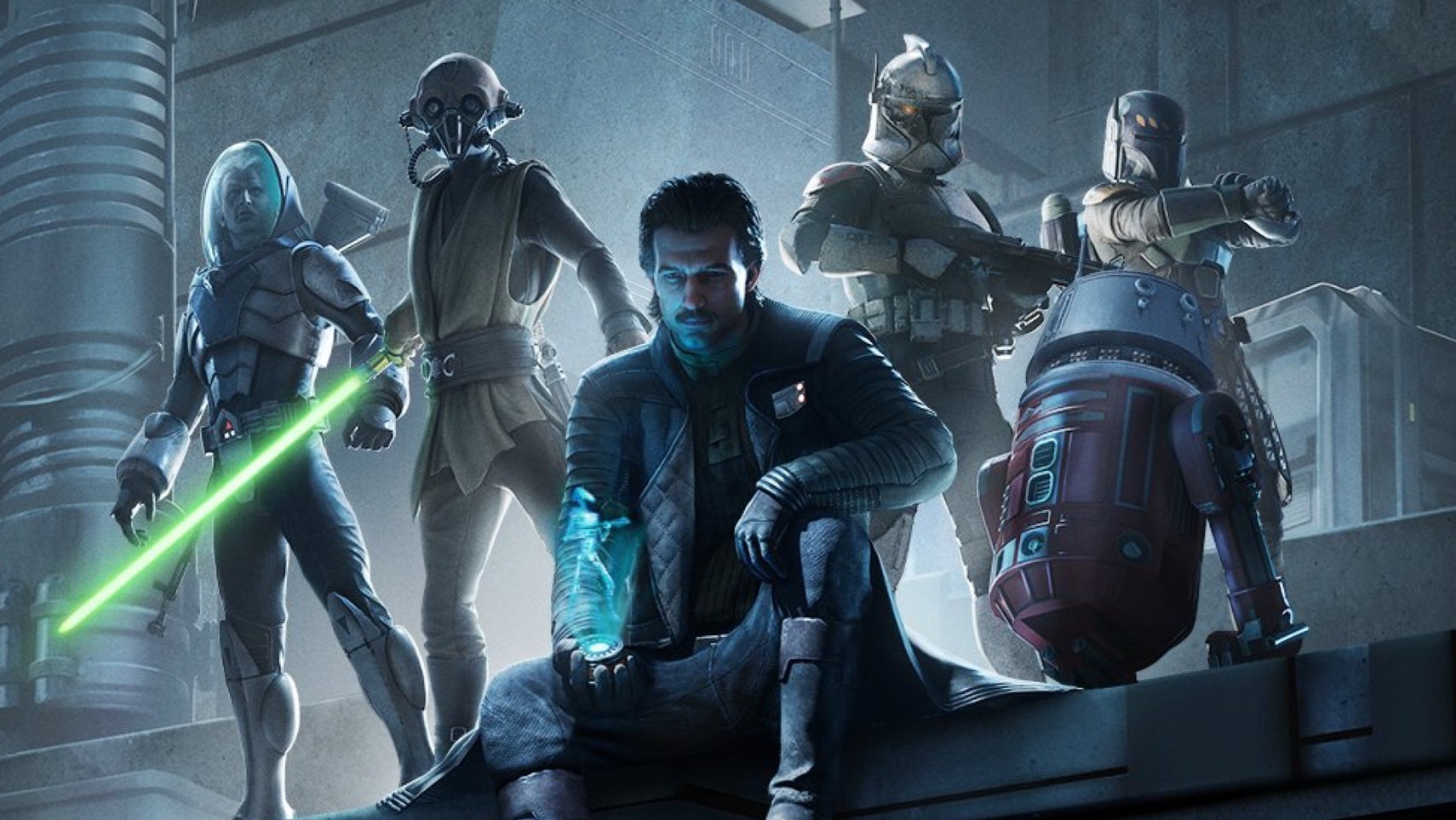
"Having to ask team members to step away after we navigated unexpected business developments outside of our control and so close to launch was an incredibly difficult decision," Foertsch stated. He acknowledged the personal toll the situation took on his employees, many of whom had poured years of labor into the project only to be sidelined at the eleventh hour.
"This team means a tremendous amount to me, and I am incredibly proud of what we have accomplished together," Foertsch added. "Thank you to our fans for the incredible response to the game and for supporting us along this journey."
The statement serves as both an apology to those affected and a signal to the industry that Bit Reactor intends to remain an active player in the tactical games space. The studio has promised to share more updates regarding both its operational status and future content for Zero Company in the coming weeks.
Industry Implications: Lessons Learned
The situation at Bit Reactor serves as a cautionary tale—and a potential blueprint—for other studios operating under complex corporate structures.
The Risks of Sole Ownership and Legal Conflict
The internal struggle between founders is a vulnerability that often goes unnoticed by the public until it reaches a breaking point. The transition to sole ownership under Foertsch was a decisive, if painful, resolution. It highlights how quickly legal disputes can bleed into the operational reality of a studio, directly impacting the livelihood of the workforce.
The "Furlough" as a Defensive Tactic
The industry will likely study Bit Reactor’s handling of this crisis. While layoffs are common, the use of mass furloughs as a "wait and see" tactic for a pre-launch product is less conventional. It suggests a high degree of confidence in the product’s market viability, but it also placed an immense burden on the staff. The fact that the studio was able to survive long enough to capitalize on the game’s success is a testament to the quality of the product, but it also raises questions about the sustainability of such models.
Post-Launch Support and Long-Term Retention
For the developers returning to work, the focus now shifts to post-launch support. Zero Company requires a robust roadmap of updates, expansions, and maintenance to sustain its player base. The return of the original development team is vital here; having the creators of the game’s core mechanics back on the payroll ensures that updates will remain consistent with the original vision.
Conclusion: A Path Forward
As Bit Reactor moves out of the shadow of its recent crisis, the focus must now remain on rebuilding trust. The reinstatement of its workforce is the first step, but the studio faces the challenge of retaining that talent in a highly competitive job market.
Star Wars: Zero Company has proven that there is a massive appetite for high-quality tactical strategy games. If Bit Reactor can navigate its internal restructuring with the same success it brought to its gameplay design, it may well secure its place as a cornerstone developer in the genre. For now, the industry watches closely, hopeful that this story of "furlough to recovery" ends with the stability and professional security that the team at Bit Reactor deserves.
The road ahead is complex, but with the game’s commercial success providing a solid foundation, the studio has been granted a second chance. The priority now is to translate that financial success into a sustainable working environment, ensuring that the next chapter of Bit Reactor is defined by its games rather than its headlines.
 Layla Zulfa
  Nana
Nana  Azzam Bilal Chamdy