
 By Nana Muazin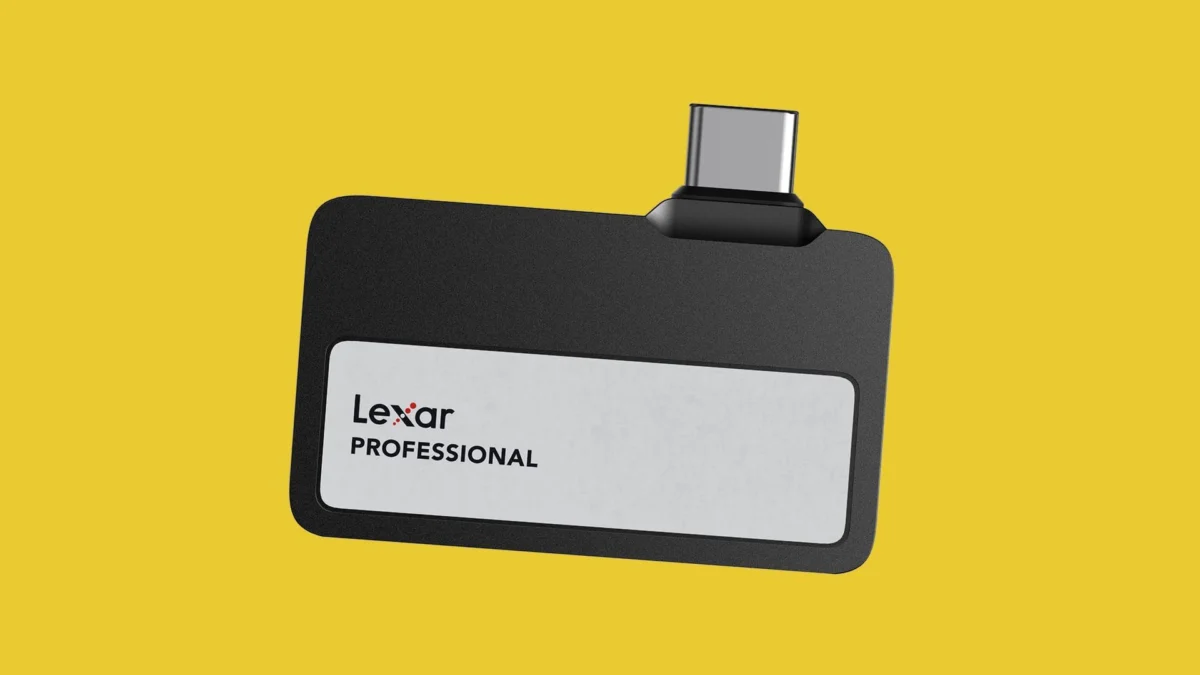
In the rapidly evolving landscape of mobile cinematography, the gap between "hobbyist" and "professional" content creation has narrowed to near-invisibility. With the introduction of high-frame-rate ProRes recording on flagship iPhones, mobile devices have become legitimate cinematic tools. However, this technical leap has brought a familiar, frustrating companion: the storage bottleneck. As we navigate 2026, the intersection of massive file sizes and surging global SSD costs has forced creators to become as savvy about their hardware infrastructure as they are about their framing and lighting.
Amidst this economic landscape, a rare opportunity has emerged for mobile filmmakers. The Lexar Professional Go, a modular, ultra-portable SSD, has seen a significant price drop, offering a lifeline to creators struggling to balance high-fidelity production with limited device capacity.
The Core Challenge: The Cost of Cinematic Fidelity
To understand why external storage has moved from an "optional accessory" to a "critical component," one must look at the data requirements of modern mobile video. Apple’s ProRes codec is the industry standard for professional-grade color grading and post-production flexibility. Unlike the standard HEVC (H.265) compression, which aggressively discards data to save space, ProRes retains the intricate color depth and dynamic range required for high-end editing.
However, this quality comes at a steep price in megabytes. Filming in 4K at 60 or 120 frames per second—a staple for slow-motion cinematic B-roll—can consume upwards of 7 GB of storage per minute. Even with a high-capacity iPhone 18 Pro, a single afternoon of shooting can effectively "brick" a phone’s internal storage, preventing further shooting, app updates, or even the basic functionality of the device.
For the professional content creator, the "storage anxiety" is not merely a technical inconvenience; it is a direct threat to the workflow. When the internal memory hits its limit during a shoot, the momentum of creativity dies instantly.
Chronology: The Evolution of the Storage Crisis
The current state of the market did not happen overnight. The following timeline illustrates how we reached the current, often prohibitive, pricing environment for NAND flash memory.
- 2023–2024: The Pro-Res Revolution: With the launch of the iPhone 15 Pro and its successors, Apple solidified the smartphone as a pro-grade video camera. The ability to record ProRes directly to external media became a marquee feature, shifting consumer expectations.
- Early 2025: The AI Infrastructure Boom: As artificial intelligence became the primary driver of global data center expansion, the demand for high-speed, reliable NAND flash memory skyrocketed. Hyperscalers (Google, Microsoft, Meta) began monopolizing the supply of flash storage to build the training clusters required for large language models.
- Late 2025: The Market Peak: Consumer SSD prices reached their peak. The ripple effect was immediate: retail prices for portable storage units surged by nearly 40% compared to previous years.
- Mid-2026: The Stabilization and Strategic Discounts: As supply chains finally began to catch up with the insatiable demand of the AI sector, retailers began seeking ways to move inventory. The recent price drop of the Lexar Professional Go at B&H Photo—from $379.99 to $229.99—marks the first significant correction in the mobile-specific SSD market seen this year.
Supporting Data: The Arithmetic of Storage
To grasp the necessity of external storage, one must look at the raw numbers. A professional filmmaker typically requires a minimum of 2TB of overhead for a serious project.
| File Type | Data Rate (Approx) | Minutes per 100GB |
|---|---|---|
| Standard 4K (HEVC) | ~100 Mbps | ~130 Minutes |
| ProRes 4K (30fps) | ~400 Mbps | ~33 Minutes |
| ProRes 4K (120fps) | ~1.5 Gbps | ~9 Minutes |
When analyzing these figures, the logic of the Lexar Professional Go becomes clear. By plugging an external SSD directly into the USB-C port, the creator effectively offloads the "write" cycle of the footage from the internal flash memory to the external module. This not only preserves the longevity of the phone’s internal storage but also allows for a "hot-swappable" workflow. Once the drive is full, the creator simply swaps it for another, keeping the phone’s internal storage clean for critical operating system functions.
Official Industry Responses and Market Outlook
Manufacturers have been relatively quiet regarding the specific pricing volatility, though the sentiment from trade shows like NAB (National Association of Broadcasters) is clear: the focus has shifted toward "Pro-Workflow Integration."
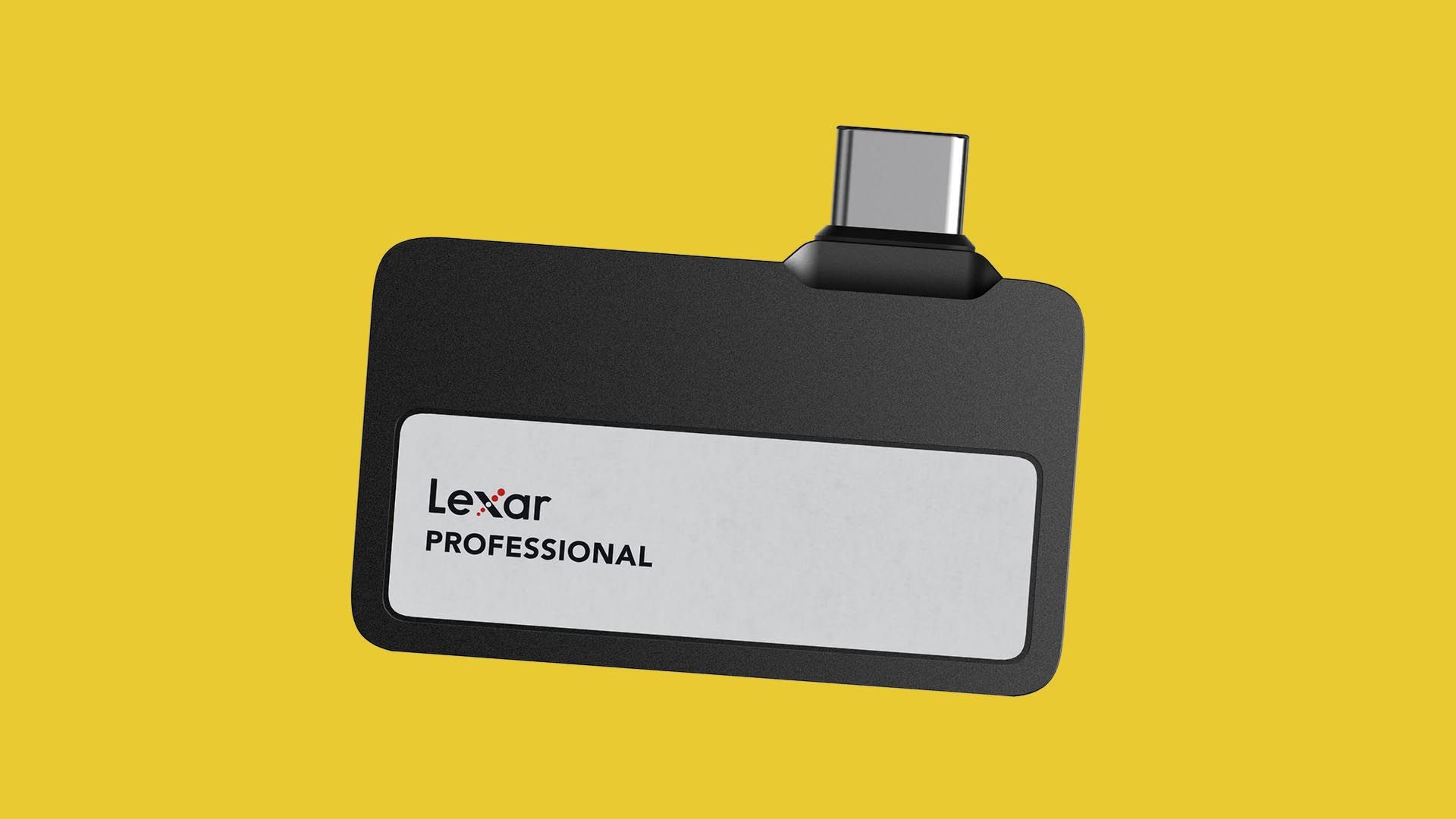
Lexar, in their internal communications, has positioned the Professional Go as a "bridge device." Their design philosophy focuses on modularity—specifically, the ability to snap the drive to the back of the phone, making it feel less like an accessory and more like a permanent component of the rig.
Market analysts suggest that while SSD prices for the average consumer remain elevated due to AI data center competition, niche, high-performance mobile accessories are beginning to see price-sensitive competition. "Retailers are realizing that creators are becoming increasingly discerning," notes one tech analyst. "They can no longer charge premium prices for generic storage. They must offer form-factor advantages, such as the modularity found in the Lexar unit, to justify the cost."
Implications for the Future of Mobile Production
The implications of this shift are profound for the next generation of filmmakers.
1. The Death of "Internal-Only" Workflows
As bitrates continue to climb—with 8K mobile recording on the horizon—the internal storage of any smartphone will eventually be relegated to holding applications and OS data, while "Media Storage" will become an exclusively externalized process.
2. The Modular Rig Ecosystem
We are seeing the rise of a new "modular ecosystem." The Lexar Professional Go, which includes an optional hub for charging, represents the future. Filmmakers are no longer just buying a phone; they are buying into a base that accepts various attachments: SSDs, power banks, XLR audio adapters, and wireless monitor transmitters.
3. Economic Barriers to Entry
While the current $229.99 price point is a relief, the broader trend of high storage costs creates a barrier for entry-level creators. The "Pro" in "iPhone Pro" is increasingly tied to the user’s ability to afford the peripheral ecosystem required to unlock those features. This creates a two-tier creator economy: those who can afford the storage to shoot in high-fidelity codecs and those limited to the highly compressed, less-editable standard formats.
Conclusion: A Window of Opportunity
For the creator who has been waiting for the market to dip, the current reduction on the Lexar Professional Go is a significant signal. It represents a rare alignment where the necessary hardware for professional-grade 4K 120fps recording is finally becoming accessible again.
As we move through the latter half of 2026, the lesson remains: in the world of high-resolution digital media, your storage strategy is as important as your camera. The ability to record without the fear of a "storage full" notification is not just a convenience—it is the difference between capturing the perfect take and missing the moment entirely. Whether you are a solo creator, a social media videographer, or an independent filmmaker, investing in reliable, modular, and portable storage is no longer an expense; it is an essential investment in your craft.
As the industry continues to push the boundaries of what a handheld device can record, those who have established a reliable, externalized storage workflow will be the ones best positioned to take advantage of the next leap in mobile imaging technology. Don’t wait for the next price hike; the current landscape suggests that while deals are appearing, the underlying demand for silicon and NAND flash will ensure that storage remains a premium commodity for the foreseeable future.
 Nana
Nana  Ali Ikhwan
  Raul Delapena Setiawan