
 By rifanmuazin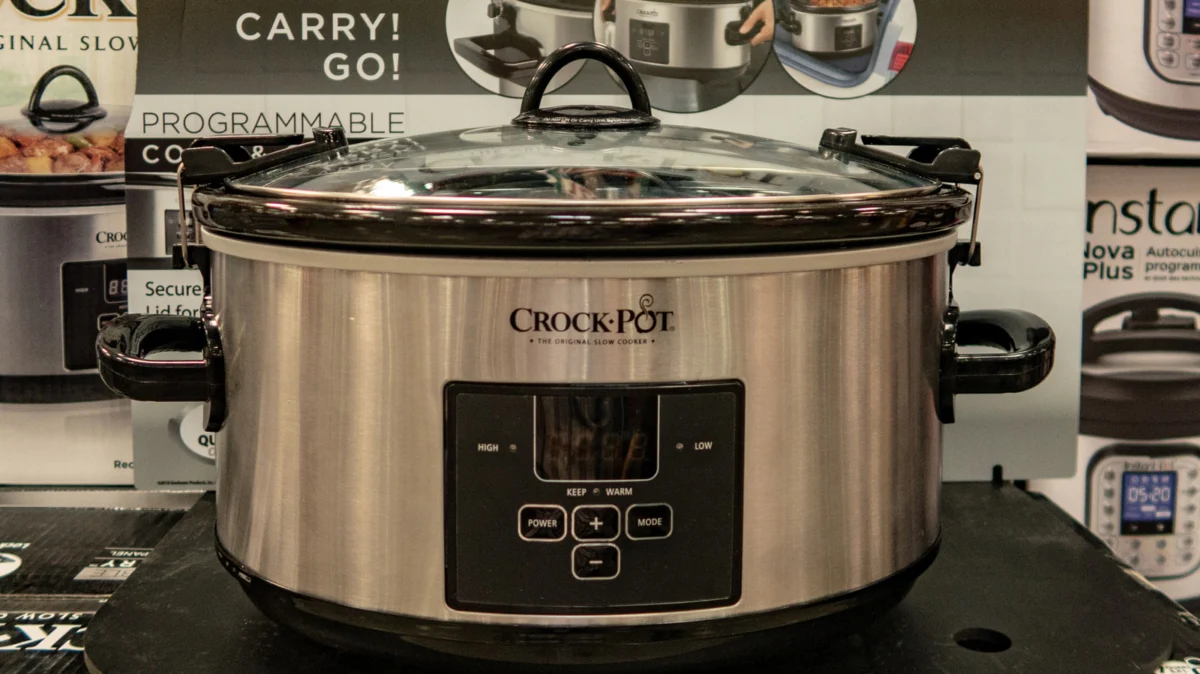
For generations, the slow cooker—famously branded as the Crock-Pot—has been a cornerstone of the American kitchen. It represents a promise of convenience, reliability, and "set-it-and-forget-it" culinary magic. From weekday chili to Sunday pot roasts, these simple countertop appliances have silently hummed away on kitchen countertops for decades.
However, a growing chorus of consumer frustration, online forum complaints, and mixed product reviews suggests a troubling reality: the average lifespan of a modern Crock-Pot may not be nearly as long as it used to be. While older generations boast of vintage models that have faithfully served families for a quarter-century, many modern buyers find themselves shopping for replacements after just a few months or a couple of years of use.
Main Facts: The Decline in Slow Cooker Longevity
The core issue centers on a stark contrast in build quality, manufacturing standards, and component durability between vintage appliances and their modern counterparts.
- The Vintage Standard: Historically, slow cookers were marvels of simplicity. As noted by many nostalgic home cooks on platforms like Reddit, older models relied on basic, robust heating elements and thick, heavy-duty stoneware. One Reddit user captured the sentiment well, noting: "Heating elements are super simple, so there’s not much reason to get a new one unless you want a feature that wasn’t available then." Many of these vintage units are still operating flawlessly after 15, 20, or even 25 years.
- The Modern Dilemma: In contrast, consumer reviews for newer, digitally controlled, and multi-function models reveal a starkly different trajectory. Complaints range from electronic control panels failing prematurely to heating elements dying within the first handful of uses. Some owners have even reported catastrophic failures, such as glass lids shattering after only months of regular cooking or stoneware cracking under normal operating conditions.
- The Warranty Safety Net: Most brand-name slow cookers, including Crock-Pot, typically offer a one-year limited warranty covering defects in materials and workmanship. However, a one-year warranty guarantees little about the long-term utility of a device designed for heavy home use, leaving consumers vulnerable once the initial coverage period expires.
Chronology: The Evolution of the Slow Cooker and Consumer Expectations
To understand how we arrived at an era of disposable small kitchen appliances, it helps to look back at the timeline of the slow cooker’s rise and technological transformation.
1970s–1990s: The Golden Age of Mechanical Simplicity
The modern slow cooker entered the mainstream market in the 1970s, popularized by Rival under the Crock-Pot brand name. During this era, appliances were engineered with mechanical dials (Low, High, Warm) and heavy, durable ceramic inserts. The absence of complex circuitry meant fewer points of failure. If the mechanical switch held up, the appliance could theoretically last indefinitely.
2000s–2010s: The Rise of Digital Features and Convenience
As consumer tastes shifted toward smart kitchen technology, manufacturers began integrating digital timers, programmable countdowns, auto-warm transitions, and touch-sensitive control panels. While these features offered unprecedented convenience, they also introduced delicate microchips, wiring harnesses, and digital displays susceptible to power surges, moisture exposure, and general wear and tear.
Present Day: Balancing Modern Tech with Planned Obsolescence Concerns
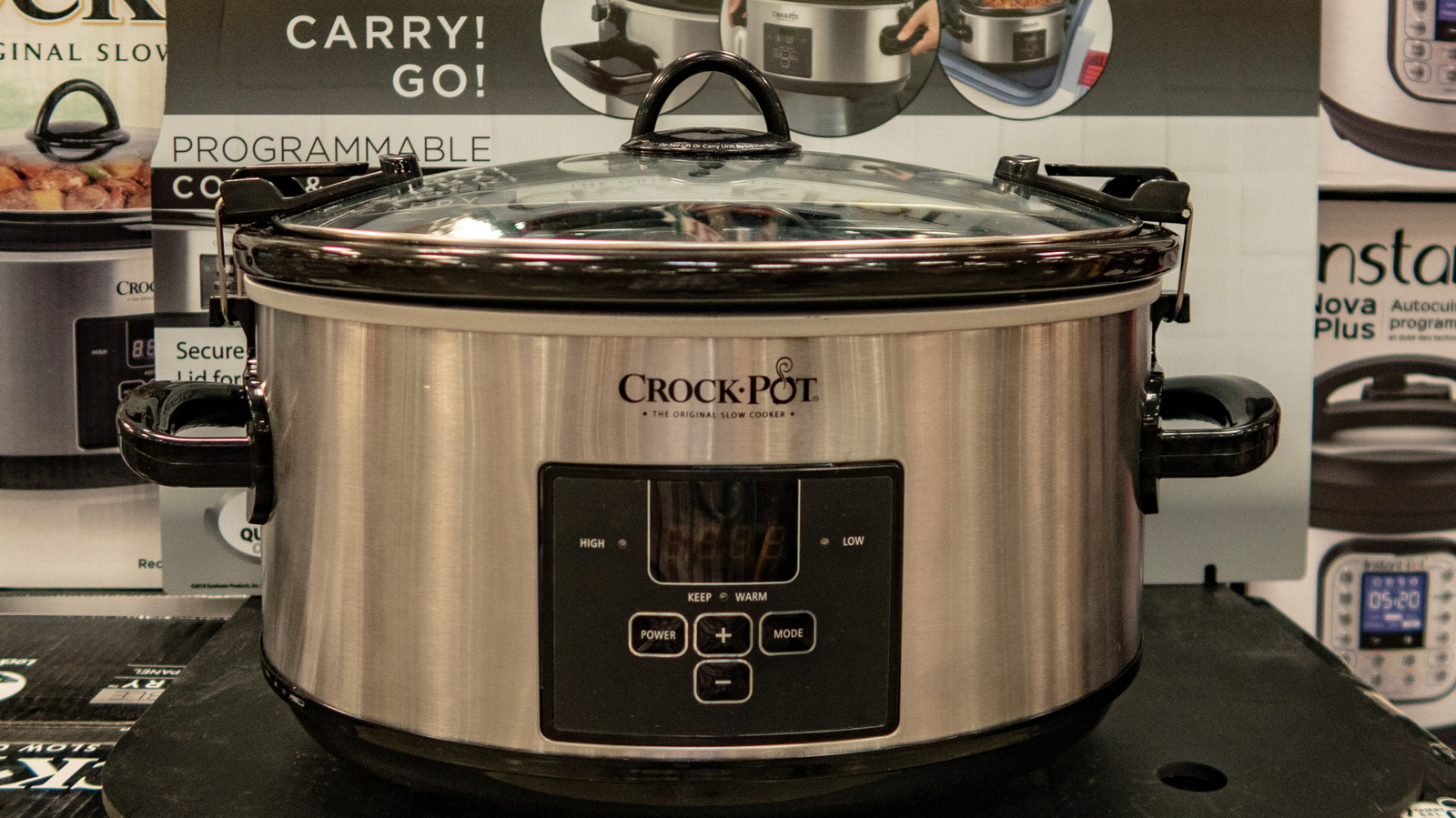
Today, consumers find themselves caught between two worlds. They want the sleek aesthetics, programmable timers, and "cook-and-carry" locking lids of modern models, but they deeply miss the bulletproof durability of older analog machines. As profit margins shrink and global manufacturing relies increasingly on cost-optimized components, the average lifespan of small kitchen appliances has noticeably compressed.
Supporting Data and Common Failure Points
Why are modern slow cookers failing faster? Industry analysis and consumer feedback point to several recurring vulnerabilities:
1. Electronic Control Panel Failures
While older models used heavy-duty physical switches, modern units frequently use membrane keypads or digital circuit boards. Exposure to ambient kitchen steam, heat, and occasional liquid spills can corrode internal solder joints, causing digital displays to glitch or heating elements to stop responding entirely.
2. Thermal Shock and Stoneware Vulnerability
Stoneware inserts are designed to withstand slow, even heat, but they remain sensitive to sudden temperature fluctuations. Modern manufacturing variations may sometimes yield slightly thinner or less uniform ceramic walls, making them more prone to cracking if exposed to rapid heating or cooling cycles (such as pouring cold water into a piping-hot insert).
3. Handle and Lid Integrity
Many contemporary models feature specialized locking lids designed for portability. While convenient for transporting dishes to potlucks, the mechanical latches, rubber gaskets, and tempered glass lids experience repeated physical stress, leading to premature cracking, chipping, or latch failure.
Official Responses and Manufacturer Guidelines
Major manufacturers emphasize that appliance longevity is heavily dependent on proper user maintenance, operating conditions, and adherence to safety guidelines outlined in the product manuals. While companies rarely comment directly on broad claims of reduced product lifespans, their official care instructions highlight best practices designed to maximize the working life of their devices:
- Cooling Down: Always allow the stoneware insert to cool completely to room temperature before washing. Exposing hot ceramic to cold water creates thermal shock, which can cause cracking.
- Gentle Cleaning: Avoid abrasive scouring pads, steel wool, and harsh chemical cleaners that can scratch or weaken the ceramic glaze and compromise the structural integrity of the stoneware.
- Mind the Liquid Levels: Overfilling a slow cooker—or running it with insufficient liquid—can lead to uneven heat distribution, putting undue strain on both the heating base and the ceramic insert.
Practical Steps: How to Make Your Crock-Pot Last Longer
Whether you are holding onto a vintage heirloom or have recently purchased a sleek, digitally programmed replacement, you can take proactive steps to protect your investment and extend your slow cooker’s lifespan:
Grease the Pot Before Cooking
Before adding your ingredients, lightly coat the interior of your stoneware insert with a bit of cooking oil or non-stick spray. This simple step prevents food from aggressively baking onto the ceramic surface, reducing the need for aggressive scrubbing or scraping that can cause micro-scratches.
Soak Smartly
If you are dealing with stubborn, hardened food residue, avoid reaching for metal utensils or harsh abrasives. Instead, fill the stoneware insert with warm soapy water and a mild detergent pod, allowing it to soak for several hours. For effortless cleaning, non-abrasive tools like flexible rubber spatulas, microfiber cloths, and soft sponges are your best defense.
Respect Temperature Boundaries
Never place a cold ceramic insert directly onto a hot stove burner or into a preheated oven unless the manufacturer explicitly states it is safe to do so. Similarly, never submerge a hot ceramic pot directly into ice-cold water.
Implications: What This Means for Consumers and the Appliance Industry
The shifting landscape of slow cooker durability carries broader implications for both household budgets and environmental sustainability.
For consumers, the era of buying a single appliance that lasts for decades is increasingly giving way to a cycle of replacement every few years. This shift increases the cumulative cost of ownership and contributes to the growing global crisis of electronic and small appliance waste (e-waste). When a $40 digital slow cooker fails due to a fried circuit board, many consumers find it cheaper or more convenient to discard the entire unit rather than pay for specialized repairs.
For manufacturers, the challenge lies in balancing consumer demand for advanced digital features and low price points with the structural integrity expected of kitchen staples. Brands that can successfully engineer durable, long-lasting appliances without sacrificing modern conveniences will likely capture the loyalty of discerning home cooks who are growing weary of disposable technology.
Ultimately, while the modern Crock-Pot may require a bit more mindfulness, careful cleaning, and realistic expectations regarding its lifespan, it remains an indispensable kitchen companion. By understanding its limitations and practicing diligent maintenance, you can ensure your slow cooker serves up comforting, delicious meals for as long as possible.
 Nana Wu
  Lina Hope