
 By Asro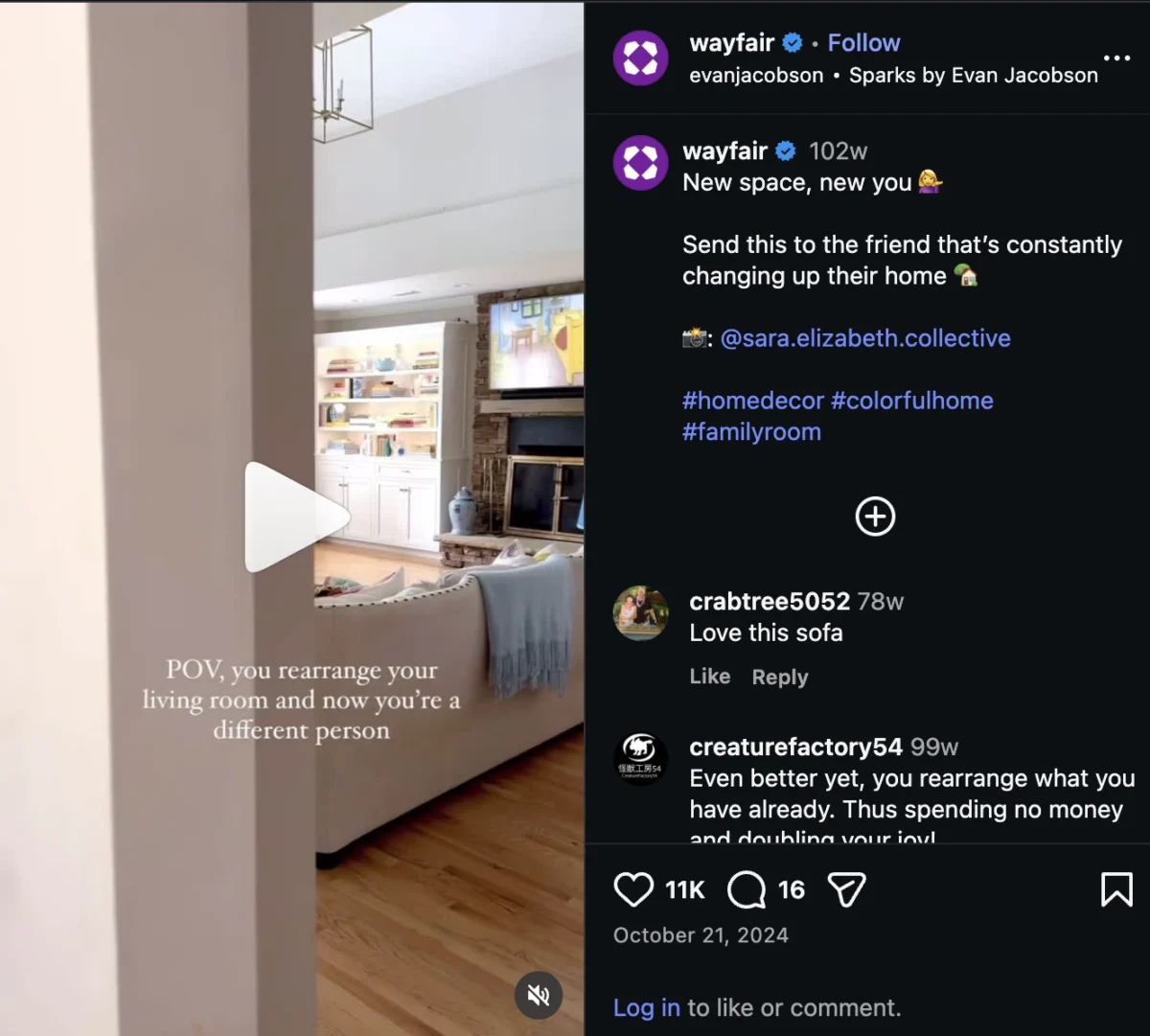
NEW YORK — In an era where e-commerce convenience and algorithmic price comparisons mean a cheaper alternative is perpetually just one click away, traditional brand loyalty is undergoing a seismic transformation. For modern businesses navigating the digital marketplace, the challenge is no longer merely capturing a consumer’s attention, but anchoring it against the relentless tide of endless choices and aggressive competitor discounts.
As consumer behaviors shift—driven increasingly by Gen Z expectations, hyper-personalization, and artificial intelligence—marketing leaders are being forced to rethink how emotional connections are forged, sustained, and measured.

Main Facts: The Anatomy of Modern Loyalty
At its core, brand loyalty is the deep-seated emotional connection between a consumer and a company that drives repeat purchases. Unlike habit-driven buying—where a customer selects a product simply because it is nearby or readily available—true brand loyalty is identity-driven. A loyal consumer chooses a brand because it reflects who they are and because they trust the organization to deliver consistent value.
Market researchers and branding authorities draw a sharp distinction between brand loyalty and customer loyalty:

- Brand Loyalty: Grounded in emotional connection, shared values, and personal identity. Consumers exhibit low price sensitivity and rarely switch, even when alternative options are cheaper.
- Customer Loyalty: Typically transactional, powered by points programs, discounts, and pure convenience. When a better offer appears, these customers readily switch.
Understanding this division is vital for modern growth strategies. While transactional incentives have their place, they do little to protect market share when a competitor introduces a lower price point.
Chronology and Evolution: From Aaker’s Pyramid to the Digital Age
The academic framework for understanding this phenomenon was established in the early 1990s by David Aaker, widely hailed as the "father of modern branding." Aaker introduced the Brand Loyalty Pyramid, a five-stage model tracking how a consumer progresses from having zero loyalty to becoming a deeply committed brand advocate.

- Stage 1: Non-loyal buyer (Indifferent to the brand; purchases strictly on price or availability).
- Stage 2: Habitual buyer (Satisfied or sees no reason to change; lacks emotional attachment).
- Stage 3: Satisfied buyer (Likes the brand, but switching costs are perceived as low).
- Stage 4: Liker of the brand (Holds a genuine emotional attachment, viewing the brand as a friend or status symbol).
- Stage 5: Committed buyer (Proud of the association; actively advocates for the brand).
For decades, moving consumers up this pyramid relied heavily on traditional advertising, broadcast media, and physical retail experiences. However, the digital revolution—accelerated through the 2010s and reaching a critical inflection point in the mid-2020s—has compressed this timeline. Today, digital channels, social media ecosystems, and AI-driven platforms allow brands to build, test, and fracture relationships almost instantaneously.
Supporting Data: The Economics of Retention
The imperative to foster genuine brand loyalty is rooted in hard economics. Acquiring a new customer remains significantly more expensive than retaining an existing one. Furthermore, loyal customers act as a vital financial cushion during economic tightening or budget-constrained cycles.

Key statistical insights shaping the landscape include:
- Word of Mouth and Social Discovery: According to consumer data trends, peer-to-peer word of mouth remains the primary source of brand discovery. Digital word of mouth—specifically shared social content—spurs consideration behaviors in an overwhelming 82% of consumers.
- The Value of Personalization: A recent Gartner survey revealed that personalized customer experiences make buyers roughly 1.8 times more likely to pay a premium.
- The AI Forecast: Industry predictions indicate that by 2030, nearly 1 in 5 brands will utilize fully personalized, data-driven perks to retain top-tier buyers, moving far beyond legacy points-card programs.
7 Strategies to Build Brand Loyalty
To cultivate genuine advocacy and drive long-term customer lifetime value (CLV) heading toward 2026, organizations must deploy sophisticated, multi-channel frameworks.
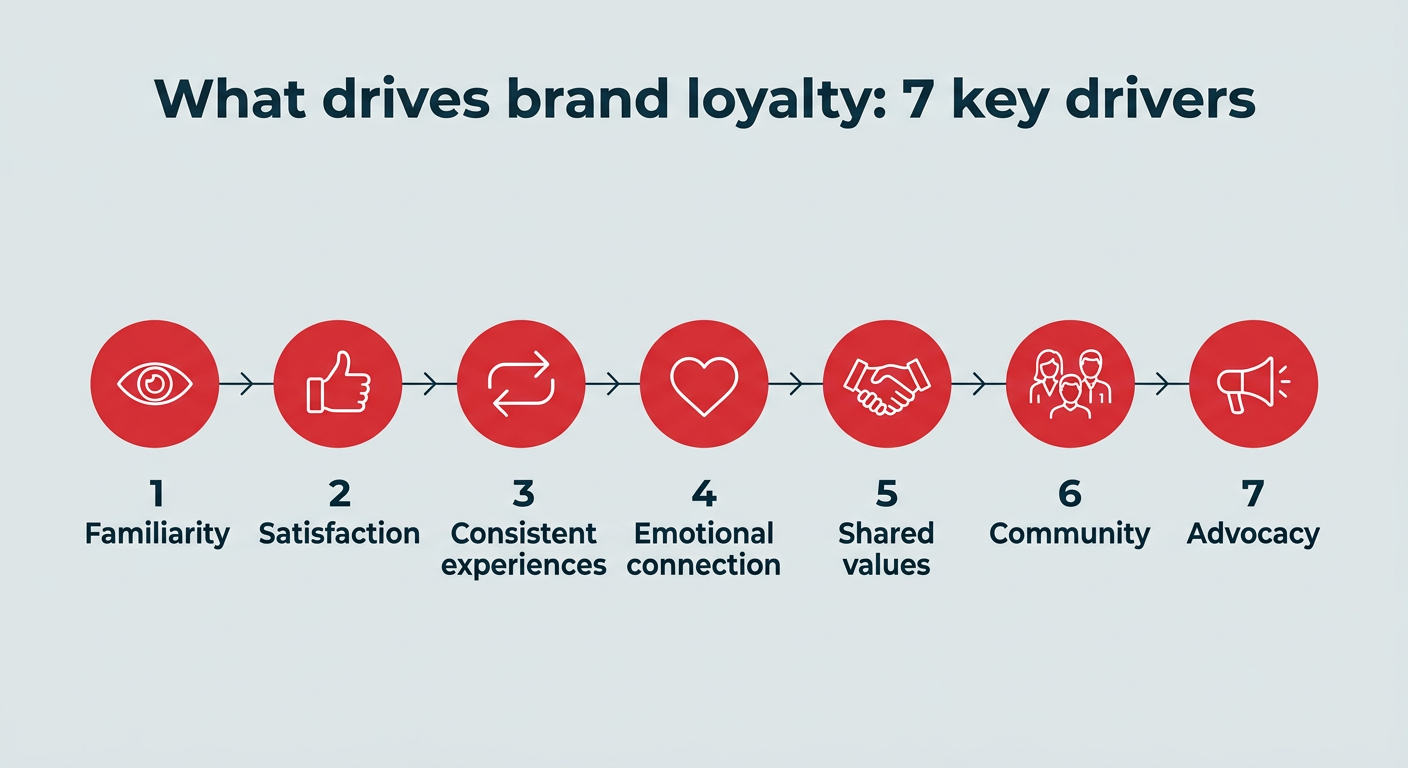
1. Understand What Your Customers Actually Want
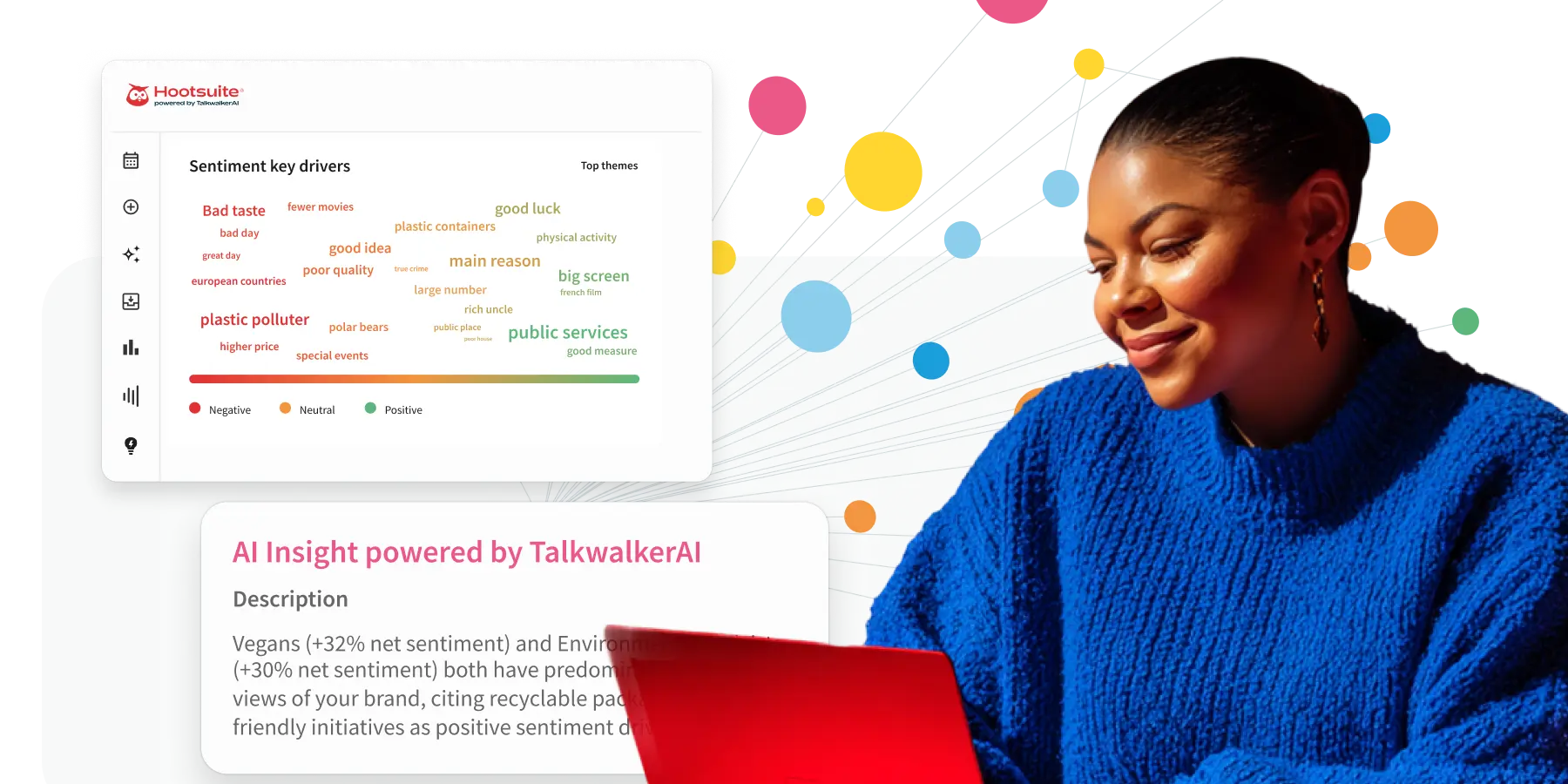
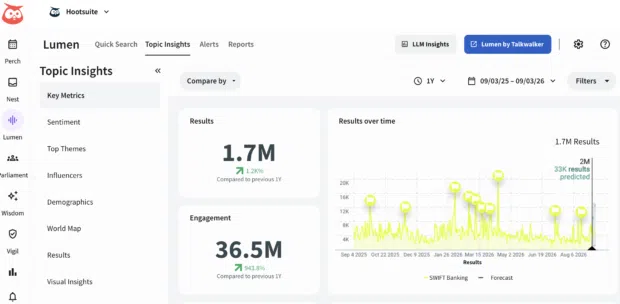
Brands cannot build authentic relationships without deep audience intelligence. Utilizing advanced social analytics tools allows companies to track consumer engagement across platforms beyond basic demographic data. Pairing this with modern social listening apps uncovers unprompted conversations—revealing customer preferences, emerging trends, and hidden frustrations that traditional performance metrics often miss.
2. Leverage User-Generated Content (UGC)
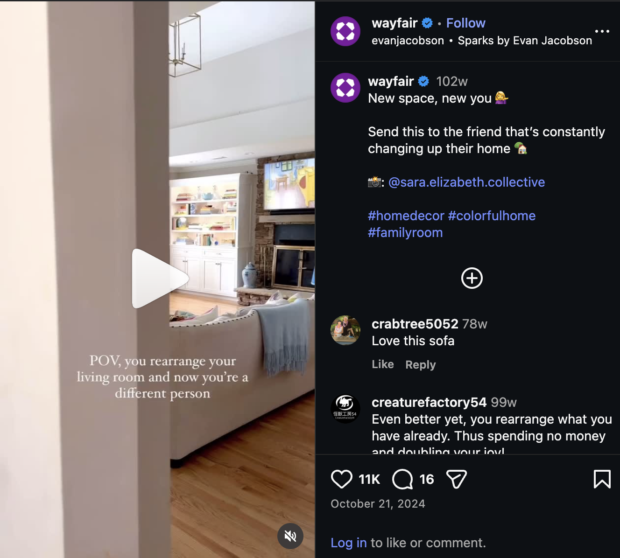
Academic research underscores user-generated content as a massive driver of digital brand loyalty. When companies share imagery, reviews, and videos created by their own fans, they humanize their operations. This fosters immediate emotional resonance and effectively broadcasts brand values through a trusted, peer-driven lens.
3. Personalize Experiences Across Every Touchpoint
Personalization is no longer a luxury; it is a baseline expectation. By employing advanced social advertising tools and segmented digital marketing lists, brands can deliver hyper-relevant content to specific audience groups. AI writing and optimization tools can accelerate this process, provided human oversight ensures the output remains aligned with the brand’s authentic voice.
4. Reward Your Most Loyal Customers
Once a buyer reaches the top of the brand loyalty pyramid, marketing strategies must shift from promoting features to nurturing the relationship. Beyond standard rewards programs (such as airline miles or coffee points), brands must actively identify their top social advocates through listening tools, inviting them into exclusive partnerships, affiliate programs, or creator networks.
5. Deliver Fast, Human-Centered Customer Care
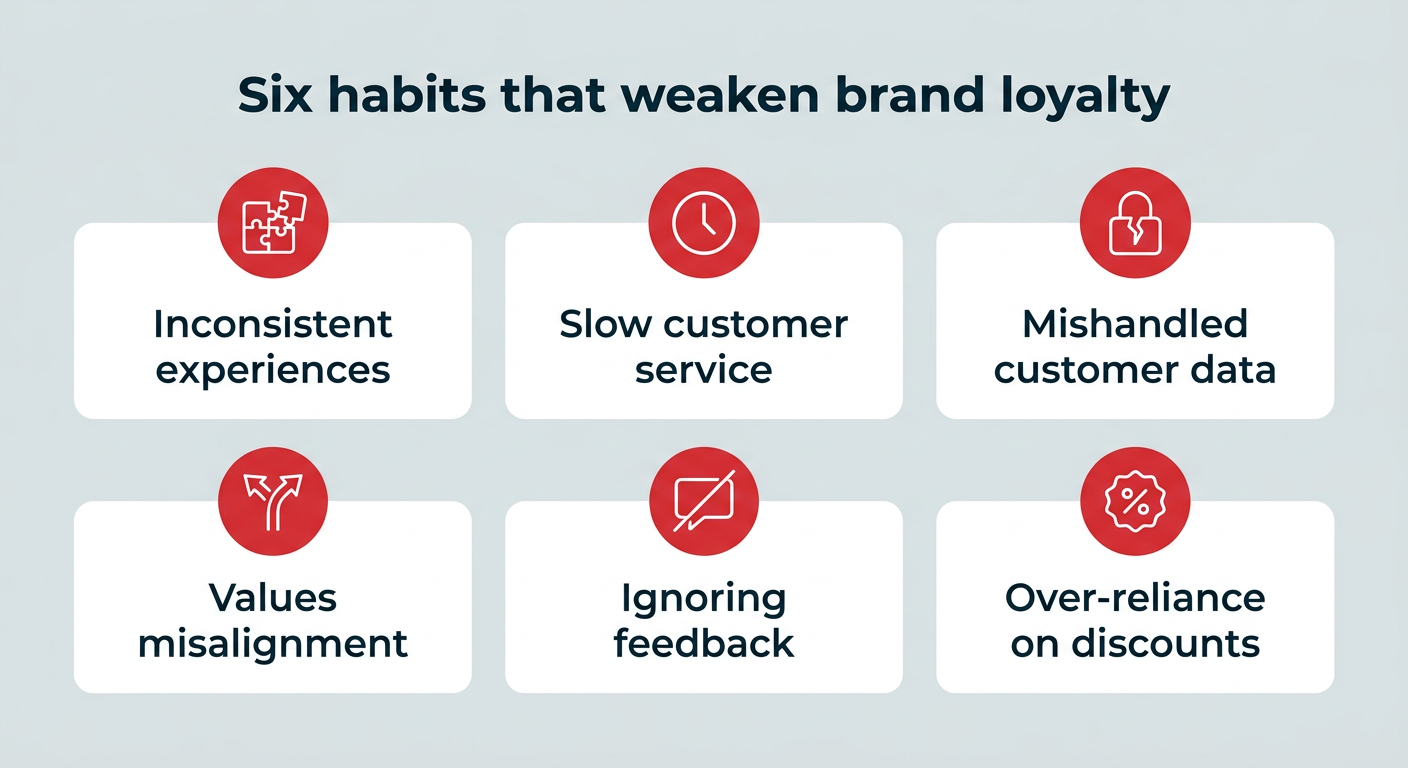
Because modern customer relationships frequently live or die in direct message threads and public comment sections, frontline social teams hold immense power. Timely responses are paramount: over half of all consumers state that prompt customer service on social media is a deciding factor in their ongoing brand allegiance. Unifying social media management systems with enterprise CRM software (such as Salesforce integrations) ensures that support teams have the context needed to resolve issues rapidly.
6. Stay Authentic and Avoid Trust-Eroding Behaviors
Digital audiences reject inauthentic marketing, excessive promotional clutter, and misleading clickbait. Furthermore, mismanaging consumer data or taking public stances on social issues without internal follow-through actively destroys trust. Transparency, data privacy compliance, and ideological consistency are non-negotiable prerequisites for sustained loyalty.

7. Use AI to Anticipate, Not Just React
The competitive edge belongs to organizations that can spot micro-trends before they materialize into widespread customer complaints. By leveraging AI-powered sentiment analysis across millions of global conversations, brands can predict shifting consumer needs—using automated insights paired with human empathy to craft proactive solutions.
Official Responses and Industry Perspectives
Marketing leaders and industry analysts emphasize that while technology plays a pivotal role in modern engagement, human stewardship remains irreplaceable.
"The loyalty advantage doesn’t come from automating relationships away," note enterprise marketing strategists. "AI is exceptional at finding the signal in massive data sets, but human judgment is what transforms a data point into a genuine human connection."
Analysts also point out that generational divides require nuanced execution. While younger demographics—particularly Gen Z—tend to prioritize ethical alignment, transparency, and peer validation over long-term habit, older consumer segments continue to anchor their loyalty in dependable product quality and traditional customer service standards.
Implications for the Future of Commerce
The shift toward hyper-agile, digitally native loyalty models carries profound implications for corporate strategy:
- Compressed Response Times: Brands can no longer afford sluggish customer service. A mishandled public complaint can go viral within minutes, erasing years of equity.
- Metrics Beyond the Transaction: Organizations are increasingly abandoning vanity metrics in favor of holistic dashboards tracking Net Promoter Score (NPS), Customer Lifetime Value (CLV), and Social Share of Voice.
- The Rise of the Community Economy: Winning brands will be those that transition from selling products to fostering participatory communities where customers feel seen, valued, and genuinely heard.
Ultimately, while the digital marketplace makes switching easier than ever before, it also provides unprecedented tools to listen, adapt, and connect. For companies willing to invest in authenticity and relationship-building, brand loyalty remains one of the most powerful moats a business can build.
 Ali Ikhwan
  Raul Delapena Setiawan
  Azzam Bilal Chamdy