
 By Laily UPN
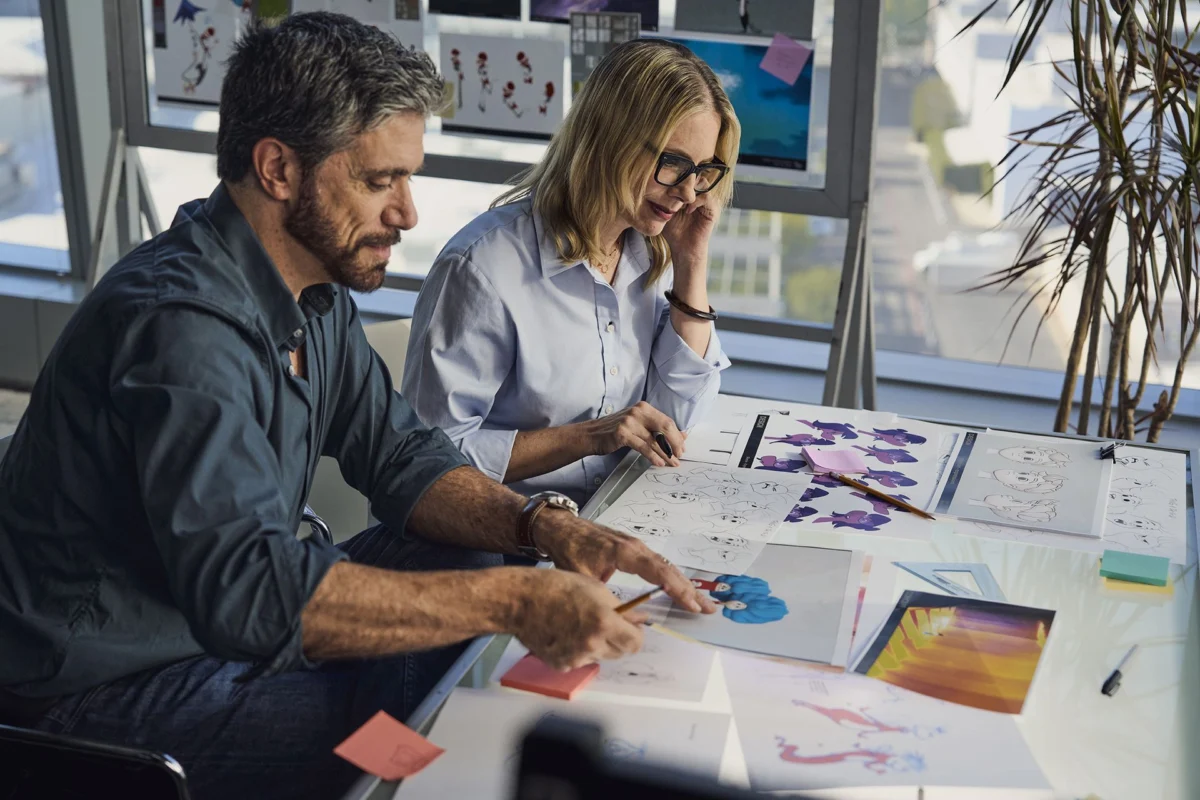
In the high-stakes world of feature animation, the gulf between a creative vision and its realization is often bridged by years of grueling labor and technological innovation. However, the team behind Warner Bros. Pictures Animation’s upcoming adaptation of The Cat in the Hat has achieved the unthinkable: delivering a full-length, high-fidelity animated feature in just two years.
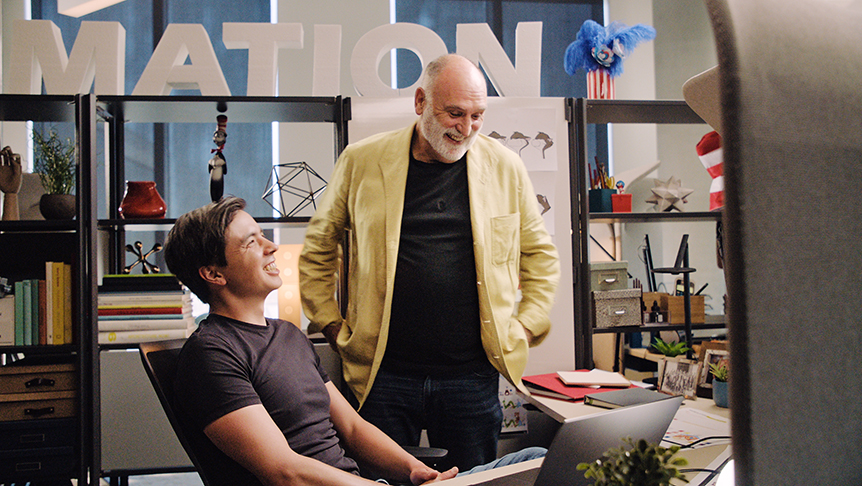
This feat of production efficiency is the subject of the debut episode of Made to Make, a new documentary series from Autodesk that pulls back the curtain on the intersection of human creativity and industrial-grade software. As writer-director Alessandro Carloni aptly summarizes, the project’s ethos was simple yet daunting: “In a way, our job is to come up with something absurd, entertaining, and crazy, and then discover: can we make it happen with technology?”
The Genesis of a Whimsical World
The Made to Make series, hosted by acclaimed chef and animation enthusiast José Andrés—who brings a unique cross-disciplinary perspective to the project—explores how modern tools empower artists to push the boundaries of visual storytelling. For The Cat in the Hat, the mission was to honor the iconic Dr. Seuss source material while expanding the universe into something fresh and narratively expansive.
The film follows the Cat on a high-stakes mission for the "Institute for the Institution of Imagination and Inspiration, LLC" (I.I.I.I.). His objective? To provide much-needed levity to two siblings, Gabby and Sebastian, who are struggling to adjust to a new town. By extending the narrative beyond the familiar confines of the original book, the filmmakers have crafted a world that feels both nostalgic and distinctly modern.
A Chronology of Accelerated Production
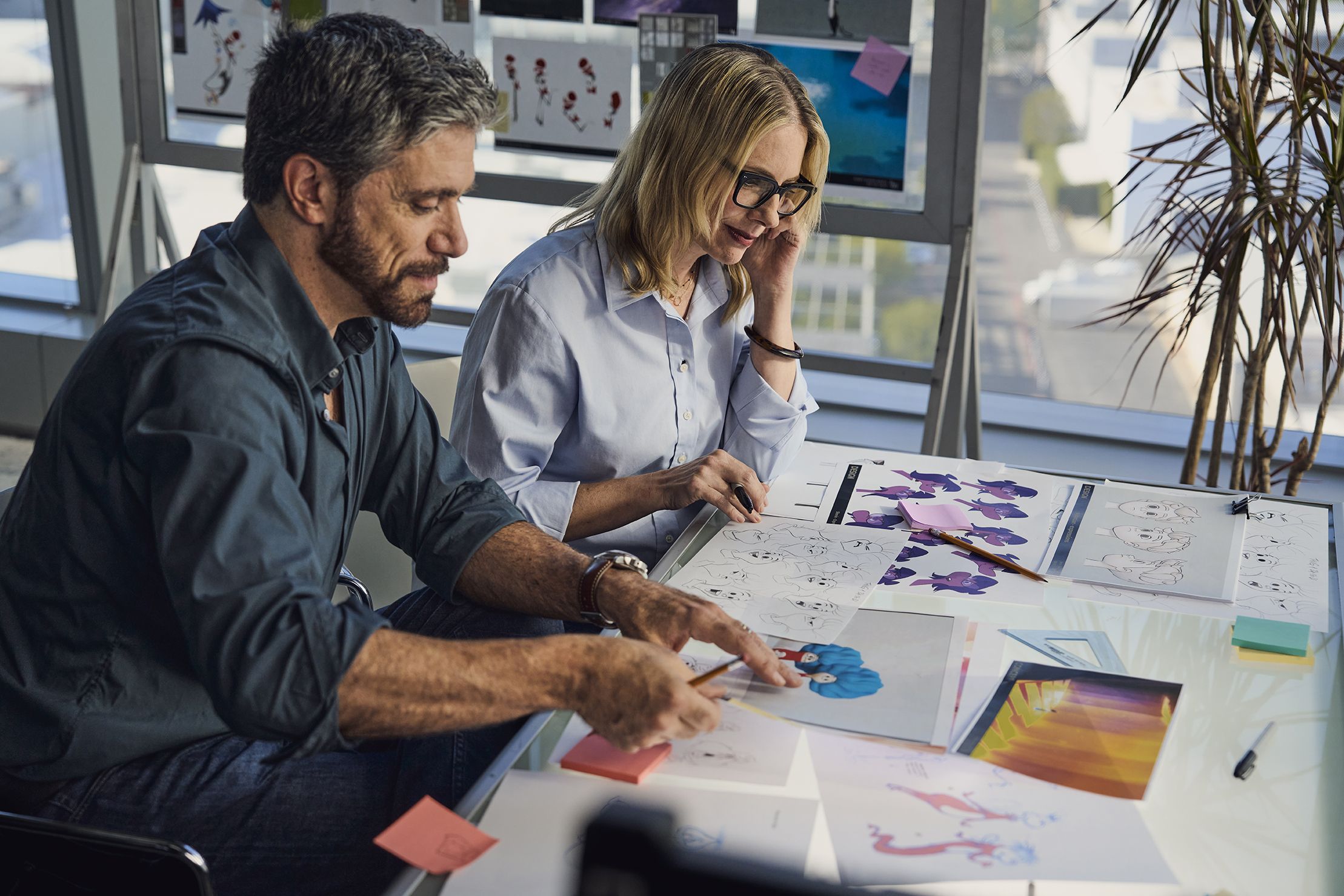
Completing a feature film of this scale in a 24-month window is largely unprecedented in the contemporary studio system, where production cycles often span four to five years. This acceleration required a radical rethink of global collaboration.
Phase 1: The Design Sprint (Months 1–6)
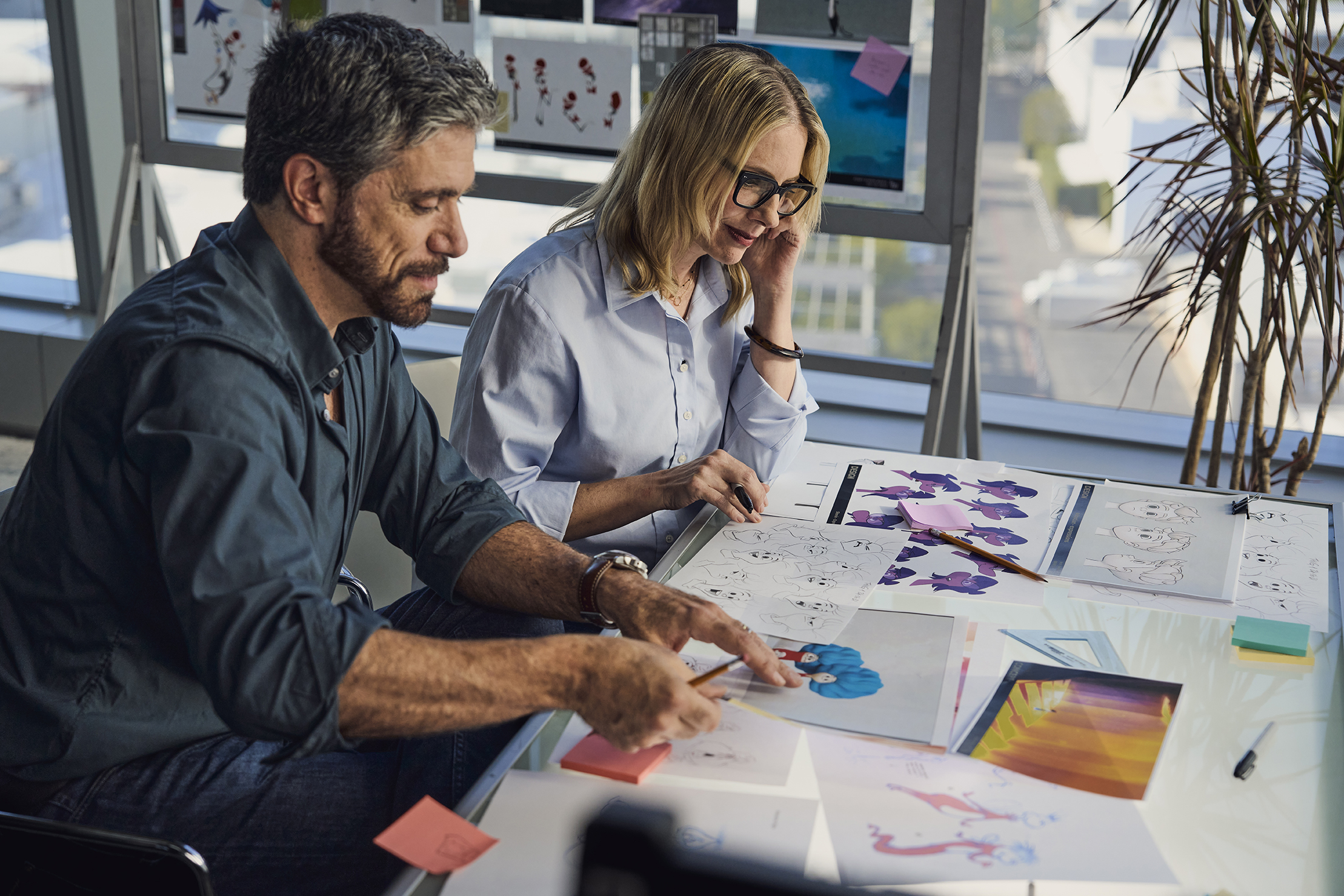
The initial phase focused on defining the visual vocabulary of the film. The team developed multiple, stylistically distinct environments to house the narrative. These included the grounded, relatable "real world" of the protagonists, the iconic and rhythmic world of Dr. Seuss, and three additional, character-specific realms. Production designer Aidan Sugano and the creative team utilized iterative modeling to ensure that these worlds could exist in harmony while maintaining their unique aesthetic identities.
Phase 2: The Technical Foundation (Months 7–18)
The core of the animation was built on Autodesk Maya, which served as the project’s creative engine. Animator Marek Kochout describes the software as his "porthole into the marionette," emphasizing that the tool’s flexibility allowed for expressive character performances that felt organic rather than rigid. By streamlining the modeling and rigging process, the team was able to bypass traditional bottlenecks that often plague large-scale productions.
Phase 3: The Global Pipeline (Months 12–24)
Perhaps the most significant factor in the two-year timeline was the logistical choreography managed across multiple continents. With teams operating concurrently in Los Angeles, Montreal, London, and various cities across India, the production required a seamless, "follow-the-sun" workflow.
The Technological Backbone: Autodesk Flow
The "secret sauce" behind this rapid development was the implementation of Autodesk Flow Production Tracking. In an industry where a single film can involve thousands of individual assets, tracking the lifecycle of every character, prop, and environment is a Herculean task.
Jessica Killiam, central supervisor for the project, notes that Flow Production Tracking served as the single source of truth for the entire production. "We use Flow Production Tracking to track the entire movie," she explains. "We have our assets, all of the characters, the environments, the props."
This centralized management was supplemented by:
- RV (Review Tool): Enabled teams across different time zones to review assets in real-time, drastically reducing the latency associated with traditional feedback loops.
- Autodesk Flow Capture (formerly PIX): Allowed for secure, high-fidelity sharing of clips across departments and with external stakeholders, ensuring that creative alignment was maintained throughout the compressed timeline.
Voices from the Creative Frontline
The Made to Make documentary series provides rare, candid insights into the collaborative dynamics of the film. Writer-director Erica Rivinoja highlights the medium’s unique advantage, stating, "The exciting thing about animation is that it can do so much more than other types of filmmaking."
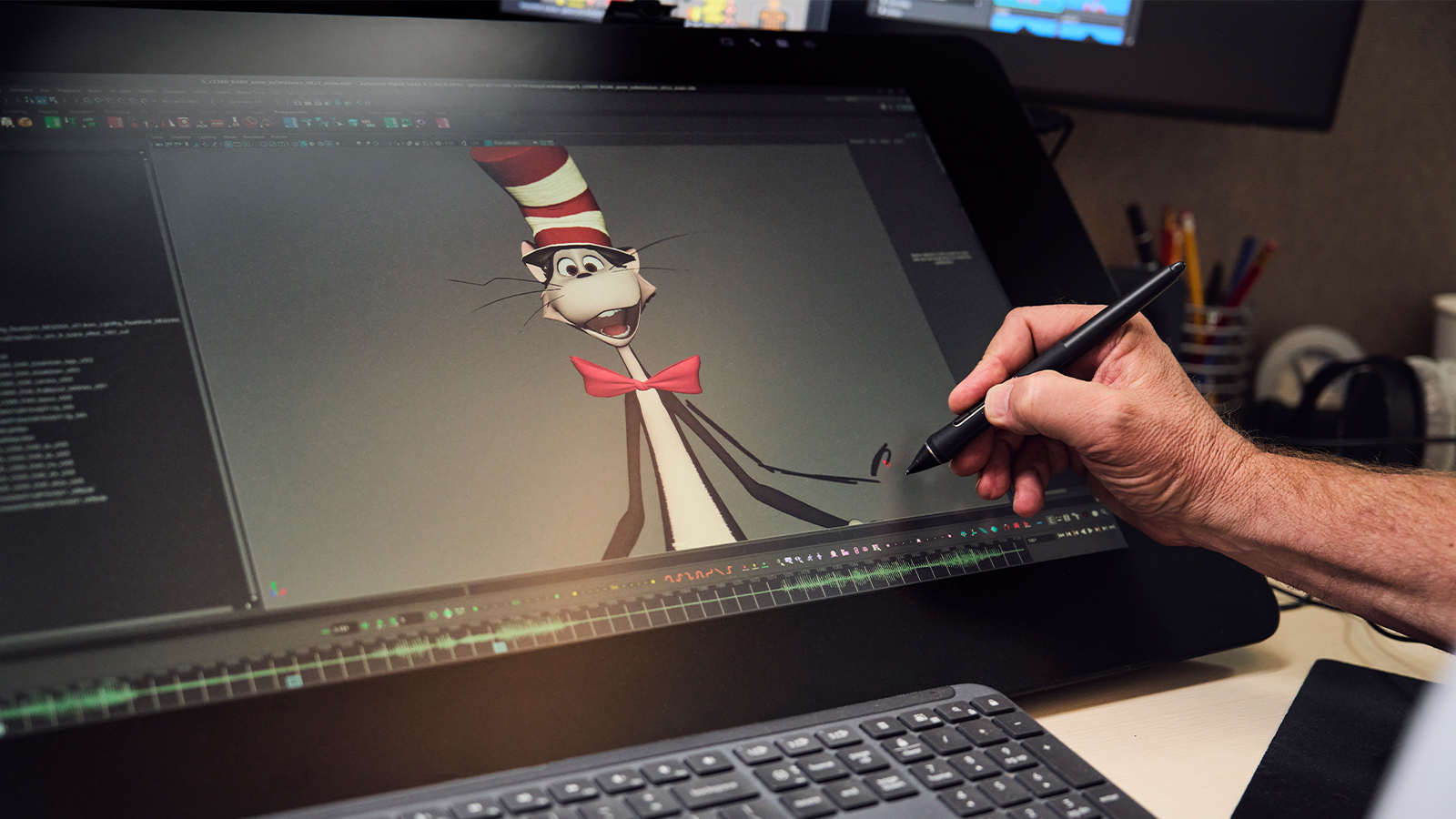
This freedom allowed the team—including VFX supervisor Matt Waters and a massive global crew—to experiment with lighting and textures that push the limits of current render engines. The film’s vibrant, tactile aesthetic, which has been teased in early trailers, is the direct result of this tech-forward approach.
Industry Implications: The Future of Feature Animation
The success of The Cat in the Hat production model suggests a shifting paradigm in how studios approach animation. For years, the industry has wrestled with rising costs and ballooning production timelines. If a studio can produce a high-quality, feature-length film in two years without compromising artistic integrity, the economic implications are profound.
Efficiency as an Artistic Enabler
There is a common misconception that "faster" implies "lower quality." However, the team behind The Cat in the Hat argues the opposite: by automating the logistical friction of production, artists are granted more time for the "fun" work—refining character beats, polishing visual gags, and perfecting emotional storytelling. Autodesk’s pitch is that their tools aren’t intended to make the art for the creator, but rather to remove the obstacles that prevent them from focusing on their craft.
Globalized Workflows
The reliance on global hubs in London, India, and North America highlights how decentralized production is becoming the new standard. By utilizing cloud-based tracking and review systems, studios are no longer limited by the geography of their talent pool. This democratizes the filmmaking process, allowing for a more diverse array of voices to contribute to major projects.
A High-Profile Cast for a High-Profile Project
The film boasts an impressive ensemble voice cast, which adds significant weight to its upcoming release. Bill Hader takes on the titular role of the Cat, supported by a cast that includes Matt Berry, Quinta Brunson, Xochitl Gomez, Giancarlo Esposito, and America Ferrera. The star power, combined with the technical pedigree of the animation team, positions The Cat in the Hat as a major event for both families and animation aficionados.
Looking Ahead: The Release
As the industry watches with bated breath, The Cat in the Hat is set to arrive in cinemas and IMAX across North America on November 6, 2026, with international audiences seeing the release starting November 4, 2026.
The Made to Make series, now available on YouTube, offers a comprehensive look at the sweat, code, and creativity that went into this project. It serves as both a case study in modern production and a testament to the fact that, even in an era of rapid technological advancement, the human spirit remains the most essential tool in the animator’s kit. As Alessandro Carloni concludes, the goal is always to start with something "absurd" and find the courage to build it. With the release of this film, the audience will soon see if that bold, accelerated experiment has paid off.
 Suro Senen
 Iffa Jayyana
 Jia Lissa
