
 By Ali Ikhwan
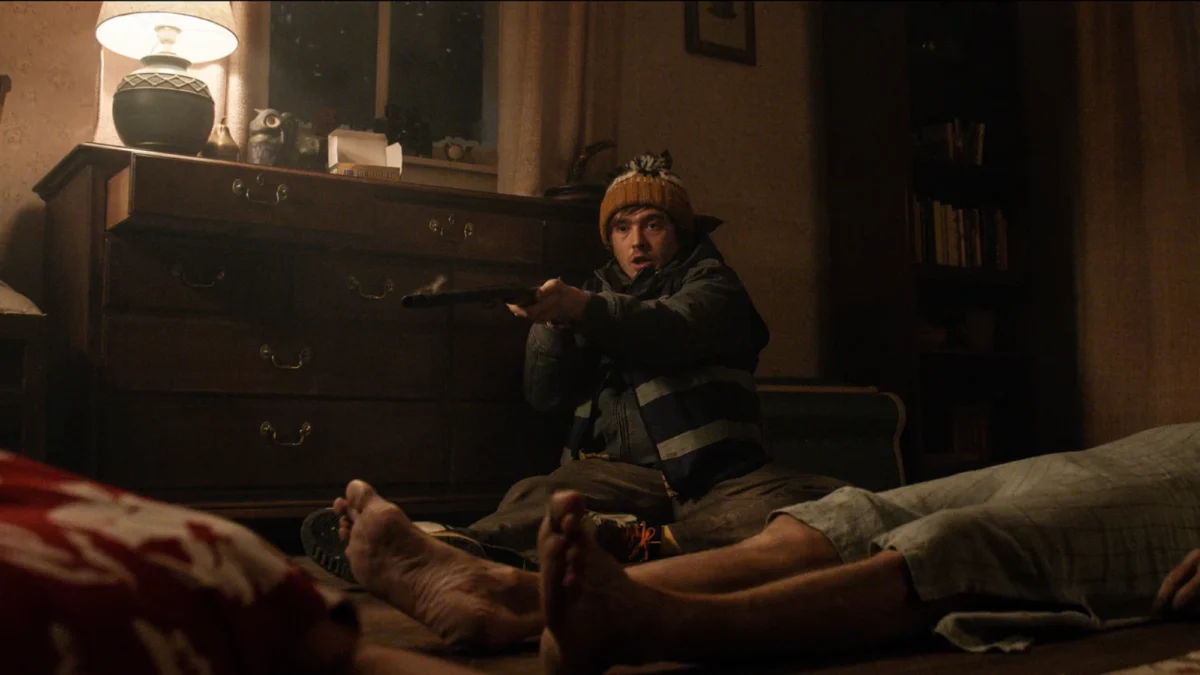
The current economic climate has placed a significant strain on the average household budget. As inflation fluctuates and the cost of living continues to exert pressure on discretionary spending, the traditional approach to Halloween—which often involves purchasing mass-produced, single-use costumes—has become increasingly untenable. For many, dropping significant capital on a synthetic ensemble destined for a landfill after a single night of festivities feels both fiscally irresponsible and environmentally unsustainable.
Fortunately, the landscape of pop culture fashion is shifting. This year, the most recognizable film and television characters are sporting "everyday" aesthetics. By leveraging pieces that can be seamlessly integrated into a post-Halloween wardrobe, consumers can achieve screen-accurate looks while adhering to sensible financial principles.
The Philosophy of "Wearable" Costuming
The trend of "lifestyle costuming" is gaining momentum in 2026. Rather than relying on rigid, store-bought polyester kits, enthusiasts are increasingly looking toward high-street brands and thrift-store staples. This shift not only rewards the consumer with a versatile wardrobe upgrade but also mirrors the meticulous work of modern costume designers, who are increasingly tasked with sourcing authentic, realistic attire for characters in grounded horror and thriller narratives.
By identifying the specific items used by professional stylists, fans can curate "capsule" costumes that survive long after the final trick-or-treat bag is emptied. Below, we examine the season’s most prominent looks and how to assemble them with an eye toward longevity.
1. Bryan from Resident Evil: The Practical Layering King
The breakout horror hit Resident Evil has dominated the 2026 box office, and its beleaguered protagonist, Bryan, has become an unlikely fashion icon. His survivalist aesthetic is defined by the utilitarian nature of a medical courier trapped in a nightmarish, single-night ordeal.
The Breakdown
The appeal of the Bryan costume lies in its functionality. As temperatures drop in late October, his multi-layered ensemble serves as an ideal blueprint for autumn fashion.

- The Foundation: Start with a yellow plaid flannel shirt, which provides the primary pop of color.
- The Mid-Layer: A dark, rugged jacket acts as the backbone of the look.
- The Utility: A blue reflective vest is the key identifying feature. Beyond the costume, this piece is a safety essential for cyclists or nighttime walkers, making it a highly practical investment.
- The Accessories: The look is anchored by the "Medical Courier" cooler bag. While enthusiasts have scrambled for the $25 official popcorn bucket, a standard green insulated bag customized with white fabric paint is both more durable and more aesthetically pleasing for a costume.
Chronology of the Look
Costume designer Caroline Fahrer, known for her grounded approach to character building, confirmed that Bryan’s wardrobe was curated to reflect a working-class professional. The inclusion of the Nike Jordan Spizike Low Rare Air in "Oil Grey" was a deliberate choice to ground the character in modern sneaker culture. While these $160 sneakers are a high-ticket item, they are designed for durability, making them a legitimate addition to a sneakerhead’s rotation.
Official Insights and Scarcity
Data from fans tracking the production shows that several items, including the FromTheSource chunky knit hat, sold out globally within hours of the film’s release. However, the lesson here is not to find the exact item, but the type of item. High-quality knitwear and tactical layers are perennial fashion staples that will remain relevant in your closet for years to come.
2. Nikki from Obsession: Thrifting as a Narrative Tool
Obsession stands as a masterclass in low-budget filmmaking. With a total production budget of $750,000 and a wardrobe allocation of only $6,000, costume designer Blair James was forced to pivot toward the very methodology that modern shoppers are now adopting: thrifting and fast-fashion styling.
Strategic Sourcing
The character of Nikki, portrayed as a retail worker, reflects a socioeconomic reality where one doesn’t spend a fortune on a single evening dress. Her look is achievable for a fraction of the cost of a traditional costume.
- The "Final Look": The $69 Defiant Love mini-dress from Dolls Kill serves as the central piece. Because it is a versatile black dress, it can be styled with blazers or cardigans for semi-formal events long after Halloween.
- The Party Aesthetic: For the more adventurous, the $49 Cielo Mesh Halter from Princess Polly paired with black cargo-style shorts creates an edgy, contemporary look.
Implications for the Consumer
The Obsession costume serves as a blueprint for "high-low" styling. By pairing a specific trend-driven top with neutral, utilitarian bottoms, the wearer creates a costume that feels deliberate without requiring a specialized purchase. James’s use of classic Calvin Klein knee-high boots—or their accessible lookalikes—demonstrates that even horror-adjacent costumes can benefit from the inclusion of high-quality, durable footwear.
3. Patricia from Widow’s Bay: The Art of the Thrifted Aesthetic
Perhaps the most complex and visually striking look of the year comes from the comedy-horror series Widow’s Bay. Alex Bovaird, the show’s costume designer, took a thematic approach: the characters on the fictional, isolated island wear clothes that have "traveled" from the mainland over decades.

Supporting Data: The Value of the "Vintage" Search
The hunt for the Carole Little ’80s-does-’40s watercolor dress is a reminder of the scarcity inherent in vintage fashion. Because the exact dress is a rare find, the costume encourages the wearer to engage in the process of discovery. Finding a similar floral midi dress in a local thrift store is not only cheaper but provides the wearer with a unique, sustainable piece that contributes to the circular economy.
The "Craft" Factor
Unlike the previous two costumes, the Widow’s Bay look requires a degree of DIY commitment.
- The Headdress: The antler-and-twig crown is the "star" of the show. By using natural elements—collected twigs and affordable faux-antler components—the creator avoids the pitfalls of cheap, plastic accessories.
- The Prop: The creation of the fictional book, Your Turn: Out With the Old and In With the New, is an excellent exercise in low-cost, high-impact prop making. Printing a custom cover for an existing hardcover book creates a tangible piece of the show’s lore that functions as a conversation starter at any party.
Summary: A Financial and Creative Outlook
The shift toward sustainable, everyday costuming is not merely a reaction to current economic pressures; it is a evolution of the Halloween tradition. By moving away from the "one-night-only" mentality, consumers are finding that they can express their fandom with greater authenticity.
Financial Implications
When calculating the return on investment (ROI) for a costume:
- Cost per Wear: A $100 costume worn once costs $100 per use. A $150 costume (comprised of boots, a shirt, and a jacket) worn 10 times throughout the year costs $15 per use.
- Waste Reduction: By avoiding cheap synthetic fabrics, the consumer contributes to a reduction in the massive post-Halloween waste cycle, which sees tons of textile material sent to landfills annually.
Conclusion
As we look toward the remainder of the 2026 season, the most successful Halloween looks will be those that tell a story—not just of the characters being portrayed, but of the wearer’s own personal style. Whether you are dressing as the pragmatic courier Bryan, the trend-conscious Nikki, or the eccentric Patricia, the goal remains the same: curate a look that is recognizable, cost-effective, and, most importantly, wearable. By choosing pieces that earn their keep in your closet, you ensure that your Halloween spirit persists well beyond the final October sunset.
 Raul Delapena Setiawan
 Evan Lee Salim
 Azzam Bilal Chamdy
