
 By Lina Irawan
October 25, 2026 — Maintaining optimal oral health is a routine many of us claim to understand: brush twice a day, floss daily, and schedule regular visits to the dental clinic. Yet, despite these universally known pillars of dental hygiene, bridging the gap between awareness and consistent execution remains a profound public health challenge. According to recent statistics from the Centers for Disease Control and Prevention (CDC), nearly 50% of adults aged 30 and older exhibit signs of gum disease, while 26% are currently living with untreated cavities.
While genetics and systemic health conditions play a role in dental outcomes, oral health experts point out that daily lifestyle choices and subconscious behaviors frequently sabotage even the most diligent brushing and flossing regimens. To uncover the hidden traps that undermine dental wellness, we consulted leading dental professionals to identify the common, tooth-damaging habits that they would never, under any circumstances, practice themselves.
1. Main Facts: The Hidden Culprits Behind Worn Enamel and Decay
The human mouth is a dynamic ecosystem exposed to mechanical stress and biochemical shifts throughout the day. While teeth are engineered to withstand the rigorous demands of chewing food, they are often subjected to destructive forces for which they were never designed.
Dental professionals emphasize that oral damage is rarely the result of a single catastrophic event. Instead, it is usually the cumulative effect of minor, repetitive habits—ranging from chewing ice cubes and biting fingernails to using teeth as makeshift tools to open packages. Furthermore, dietary choices, such as the consumption of sticky and sour candies, create hostile environments in the mouth that strip away protective enamel and accelerate tooth decay. When combined with improper oral care tools, such as hard-bristled toothbrushes, these behaviors create a pathway toward structural failure, chronic pain, and expensive restorative interventions.
2. Chronology: How Modern Lifestyles Have Shifted Dental Risks
The evolution of modern diets and fast-paced lifestyles has significantly transformed the nature of dental threats over the last century.
- Pre-Industrial Dental Health: Historically, diets lower in refined sugars and industrial polymers meant that teeth experienced less chemical erosion and fewer stress-fractures from non-food items.
- The Rise of Convenience Packaging (Late 20th Century): As plastic packaging, pull-tabs, and bottled beverages proliferated, consumers increasingly turned to their teeth as convenient, impromptu tools, leading to a rise in chipped incisors and cracked molars.
- The Confectionery Boom (Early 2000s): The mass market introduction of high-fructose corn syrup, sticky gummies, and intensely acidic "sour" candies drastically increased the prevalence of acid-induced enamel demineralization, particularly among children and young adults.
- Contemporary Stress and Subconscious Habits (Present Day): Modern stress levels have driven up the prevalence of unconscious nervous habits—such as nail-biting and ice-chewing—which dentists now flag as primary contributors to premature tooth wear.
3. Supporting Data: The Scale of Preventable Dental Decline
The empirical data surrounding oral health reveals a persistent gap between professional recommendations and actual public habits.
- The CDC Baseline: According to federal health data, roughly half of all adults over 30 suffer from periodontitis or gingivitis, conditions largely preventable through proper hygiene and early intervention. Furthermore, more than a quarter of the adult population walks around with untreated cavities.
- The Mechanics of Ice-Chewing: Clinical studies show that chewing on sub-zero, rigid materials like ice creates thermal shock and immense compressive force. This combination easily exceeds the tensile strength of natural tooth enamel and frequently shatters porcelain or composite dental fillings.
- The Salivary Defense Deficit: Research into salivary flow indicates that alcohol consumption reduces saliva production by up to 40% temporarily. Because saliva acts as the mouth’s primary natural defense mechanism—neutralizing acids, washing away food particles, and delivering remineralizing minerals—dry mouth directly correlates with a sharp spike in decay rates.
4. Official Responses: Insights from Dental Professionals
To understand the boundary between theoretical dental advice and real-world behavior, we asked prominent dental experts to share the specific practices they strictly avoid.
Dr. Natalie Peterson on Ice-Chewing and Toothbrush Bristles
Dr. Natalie Peterson, a clinical associate professor of dentistry at the University of Minnesota, highlights the visceral reaction many professionals have to certain habits. "The first thing that came to mind for me was chewing ice," Dr. Peterson explains. "A lot of people don’t think about it, but they chew on the ice in their drink and they just don’t think about the damage that it can do. Ice can break your teeth because not only is it hard, but it’s cold, too. The thought of chewing on ice just gives me shivers."
Dr. Peterson is equally firm regarding oral care tools, specifically advising against hard-bristled brushes. "Hard- and medium-bristle toothbrushes can be really abrasive to your gums, so they can cause more recession, and it’s hard to fix recession once it’s happened," she notes.
Dr. Jennifer Soncini on Nail-Biting and Nighttime Hygiene
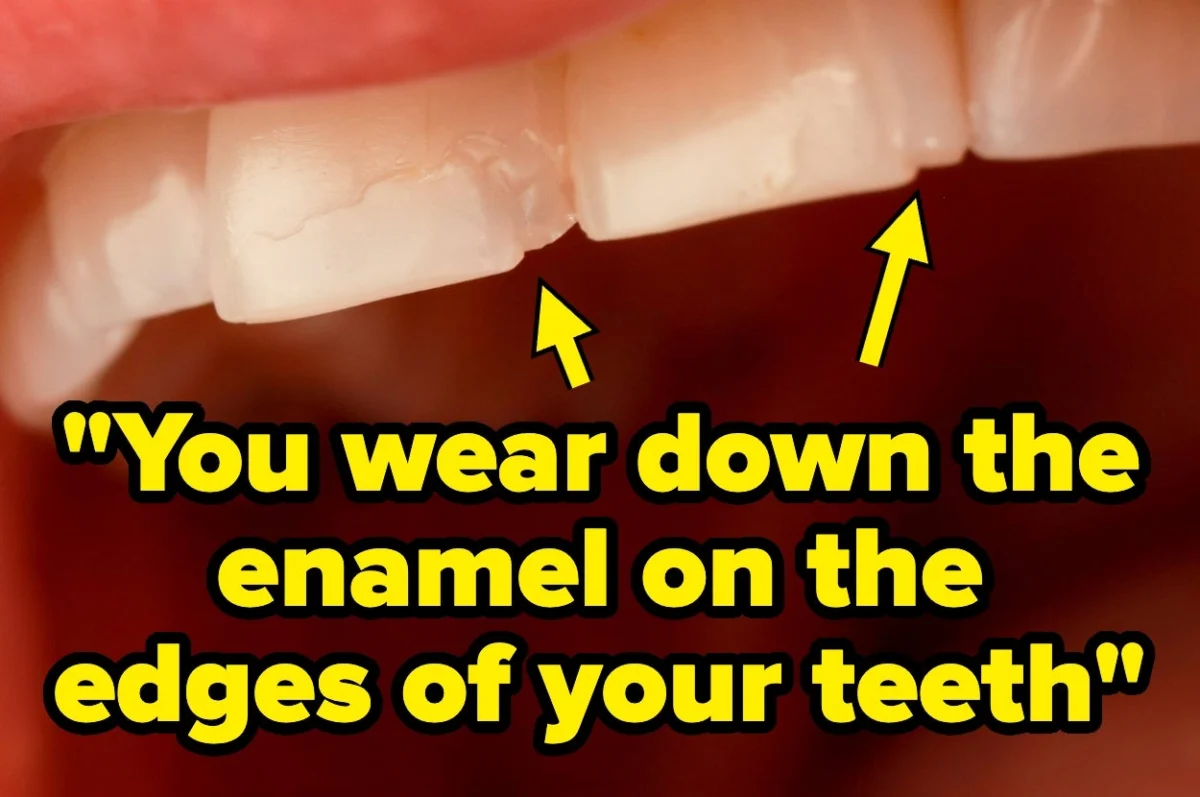
Dr. Jennifer Soncini, a clinical associate professor of pediatric dentistry at Boston University, warns against the insidious nature of nervous habits like nail-biting. As individuals repeatedly bite their nails, they gradually wear down the delicate enamel along the edges of their teeth. Enamel acts as the ultimate shield against cavities, chemical erosion, bacterial infection, and thermal sensitivity.
When it comes to daily routines, Dr. Soncini issues an absolute directive regarding nighttime care. "Never ever, ever, ever go to sleep without brushing your teeth," Dr. Soncini stresses. "You can spend a whole day without brushing, but if you don’t brush before you go to bed, that is the worst you can do to your mouth." Cleaning the mouth prior to sleep prevents bacterial colonies from multiplying unchecked during the overnight hours when salivary flow naturally drops.
Dr. Jarrett Manning on Using Teeth as Tools and Routine Care
Dr. Jarrett Manning, a comprehensive cosmetic and implant dentist and owner of JLM Dental Studios in Georgia, emphasizes that teeth are biological structures, not multi-tools. "Teeth are strong and very durable, but they are not meant to open bottle tops, tear apart packages, or chew on hard objects," Dr. Manning states via email. Utilizing teeth in this manner places unnatural torque on the roots, potentially resulting in pain, fractured crowns, required root canals, or eventual extractions.
Dr. Manning also points out the systemic and local risks of tobacco and alcohol. "I would never smoke or use tobacco. Not only can smoking lead to serious health issues, it can cause severe oral health issues, tooth discoloration and, in extreme cases, oral cancer," he warns. Furthermore, he underscores the necessity of professional oversight: "Routine dental checkups are crucial for maintaining oral health and catching dental issues early."
5. Implications: Redefining Personal Accountability in Oral Care
The guidance shared by these dental experts points to a broader realization: achieving lifelong oral health requires moving beyond basic compliance and actively auditing our daily behaviors.
The Cost of Convenience
When individuals use their teeth to tear open packaging or rely on hard objects to soothe nervous energy, they often trade momentary convenience for expensive dental rehabilitation. A single cracked molar caused by a rogue ice cube or a plastic bottle cap can necessitate crowns, root canals, or implants, transforming a minor thoughtless act into a major financial and physical burden.
Customization Over Generalization
While universal guidelines—such as brushing twice daily and flossing once a day—apply to everyone, dental professionals emphasize that preventative care must be tailored to individual risk factors. Dr. Peterson notes that while low-risk patients may only require an annual checkup, individuals with a history of rapid decay, dry mouth, or periodontal vulnerabilities may need to visit the clinic three to four times a year.
Ultimately, protecting one’s smile is an exercise in mindfulness. By eliminating destructive subconscious behaviors, choosing soft-bristled implements, avoiding acidic and sticky sugar traps, and honoring the non-negotiable rule of nighttime brushing, patients can align their daily habits with the professional standards set by the dentists themselves.
 Ali Ikhwan
 Nana Muazin
 rifanmuazin
