
 By Muslim
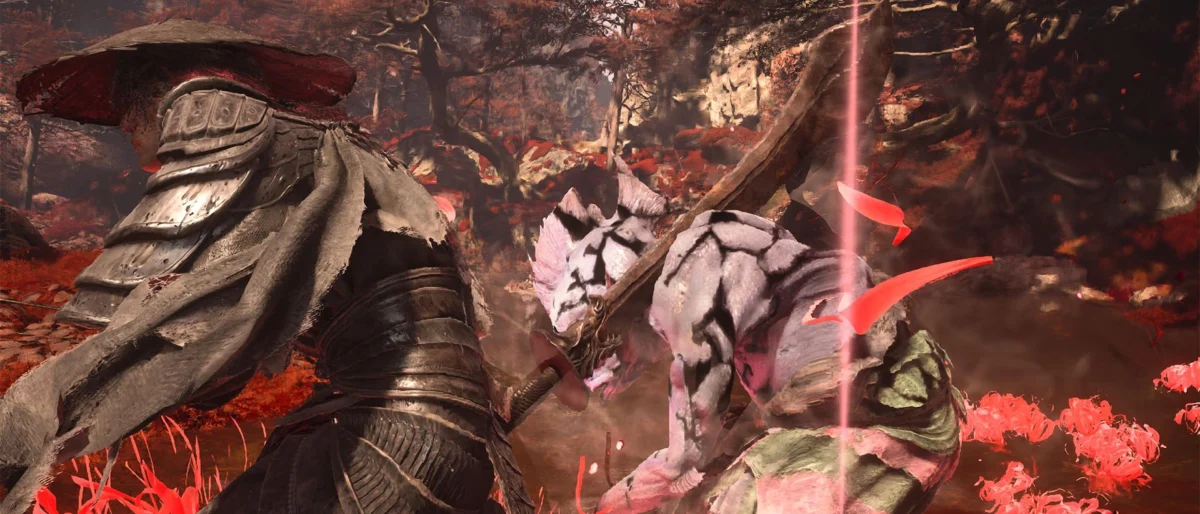
In the rapidly evolving landscape of AAA Chinese game development, Phantom Blade Zero stands out not just as another entry in the crowded "Soulslike" genre, but as a bold, stylistic departure. Developed by S-Game, the title promises an adrenaline-fueled journey into a "kung-fu-punk" world—a unique aesthetic fusion where traditional Wuxia mysticism meets the grit of industrial architecture and electric-guitar-driven soundscapes. Yet, as our extensive review on the PlayStation 5 Pro reveals, the game is a tale of two halves: a masterclass in martial-arts combat choreography hindered by persistent technical instability and frustrating environmental design.
The Core Concept: Kung-Fu-Punk and the Legend of Soul
At its heart, Phantom Blade Zero casts players as Soul, an elite assassin serving the mysterious Order. The narrative kicks off with a harrowing betrayal, leaving Soul with a mere 66 days to live. Rather than adopting the tired, punishing reset mechanics often associated with the genre, S-Game opts for a more fluid progression system that honors the protagonist’s status as a master of his craft.
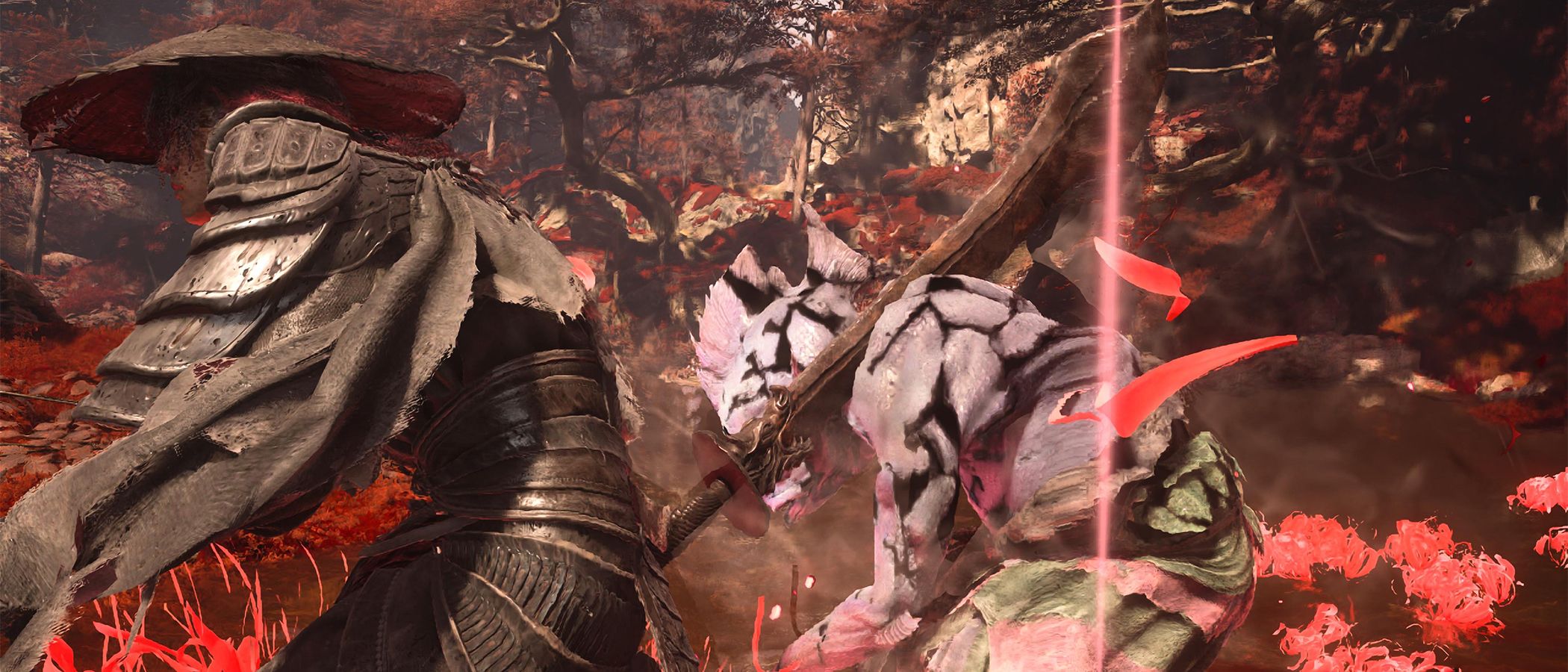
The game’s visual identity is its most striking feature. The developers have successfully coined the term "kung-fu-punk" to describe a world where Sha-Chi—a mystical energy—acts as both the source of one’s martial-arts prowess and the fuel for a sprawling, steam-and-steel industrial complex. This collision of bamboo forests and ancient temples with cold, metallic, industrial architecture creates a visually arresting atmosphere that feels distinct from the more traditional mythological roots of its peers, such as Black Myth: Wukong.
Chronology of Development: From Indie Roots to AAA Ambition
The journey of Phantom Blade Zero is deeply personal for director Soulframe Liang. The project finds its origins in Rainblood: Town of Death, an indie RPG project Liang spearheaded over 15 years ago. The evolution from that humble, top-down foundation to the high-fidelity, Unreal Engine 5 powerhouse we see today is a testament to S-Game’s long-term commitment.
The anticipation surrounding the title reached a fever pitch with the involvement of Hong Kong martial arts icon Donnie Yen. Yen’s influence is felt deeply in the game’s combat, with his stunt team providing the motion-capture performances that bring Soul’s movements to life. While Yen himself appears in the game as a masked character, his spirit permeates the choreography, resulting in a combat system that feels authentic, heavy, and satisfyingly fast-paced.
Combat Mechanics: A Symphony of Steel
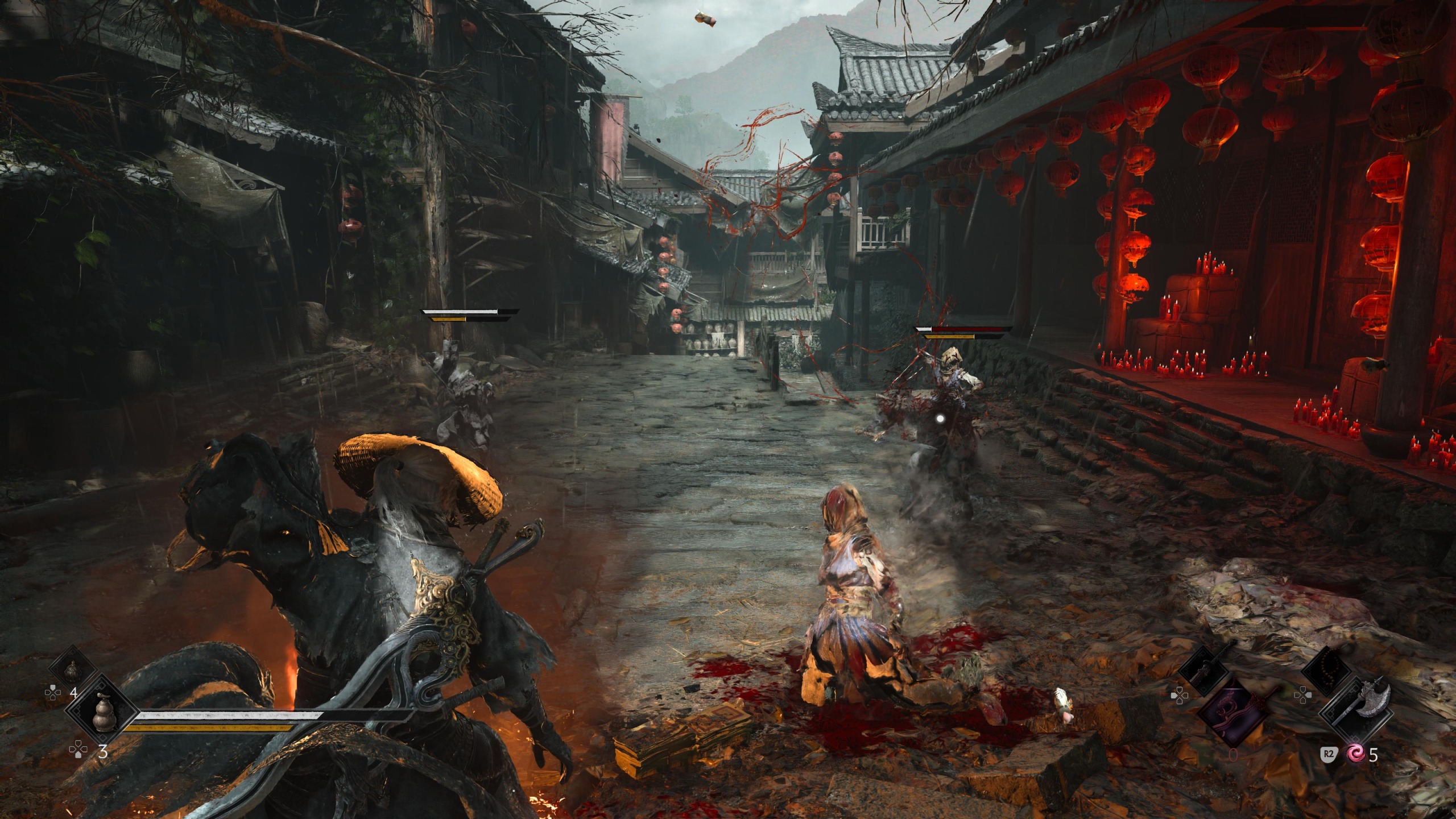
The combat is unequivocally the game’s greatest strength. Players engage in a system that rewards rhythmic aggression. While basic combos may rely on familiar light and heavy attack inputs, the depth lies in the weapon variety. With over 50 unique weapons to discover—ranging from the bleed-inflicting "Jagged Steel" to the crowd-controlling "Scarlet Wraithblade"—players are encouraged to experiment constantly.
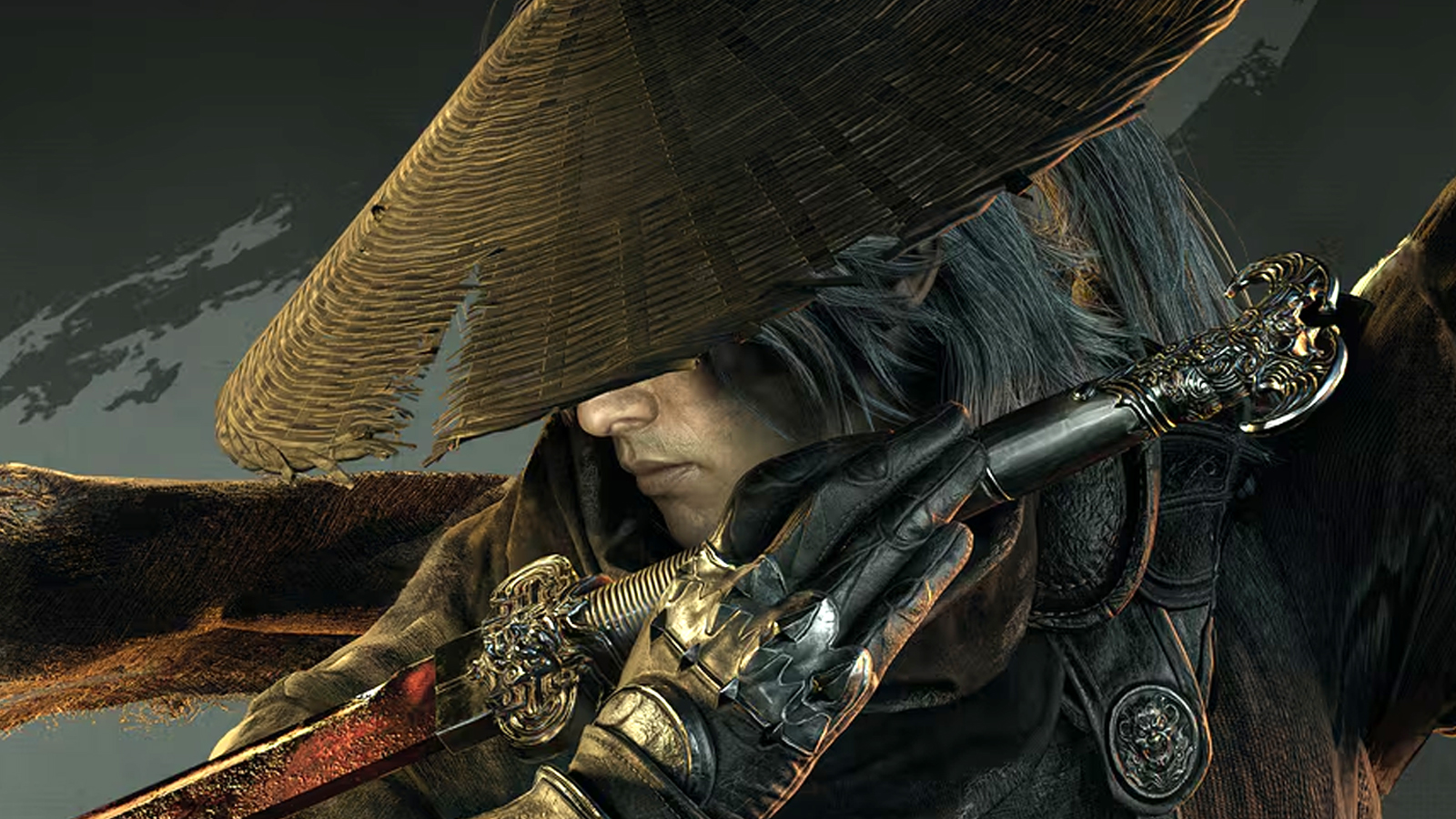
A key mechanical innovation is the ability to swap weapons mid-combat. Not only does this allow for creative combo strings, but it also provides a strategic refresh of the player’s Sha-Chi gauge, facilitating sustained offensive momentum. However, this system comes with a caveat: the sheer number of weapons can feel overwhelming. Some weapons verge on gimmicky, leading many players to rely on a core set of upgraded favorites rather than engaging with the full armory. Furthermore, the reliance on prescribed button prompts for finishers and parries can occasionally break the immersion, turning what should be a visceral experience into a game of "Simon Says."
Exploration: The Illusion of Openness
Where Phantom Blade Zero begins to fray is in its world design. The developers have crafted a dense, expansive Wulin that spans from sun-drenched mountain peaks to the bustling, labyrinthine town of Pangzhen—an area that rivals Bloodborne’s Yharnam in terms of architectural complexity and lore density.
However, navigating these spaces is often a point of contention. Despite the game’s apparent scale, players frequently encounter invisible walls and rigid traversal constraints. The movement system, which includes wall-running and cliff-climbing, is restricted to specific, developer-designated points. When one expects the fluidity of a modern action-adventure game, the reality of being stopped by an arbitrary ledge or a locked door that serves only as a "keycard" moment can be jarring. This creates a disconnect between the player’s desire to explore and the game’s tightly curated, sometimes restrictive, pathways.
Boss Fights: Challenge vs. Frustration
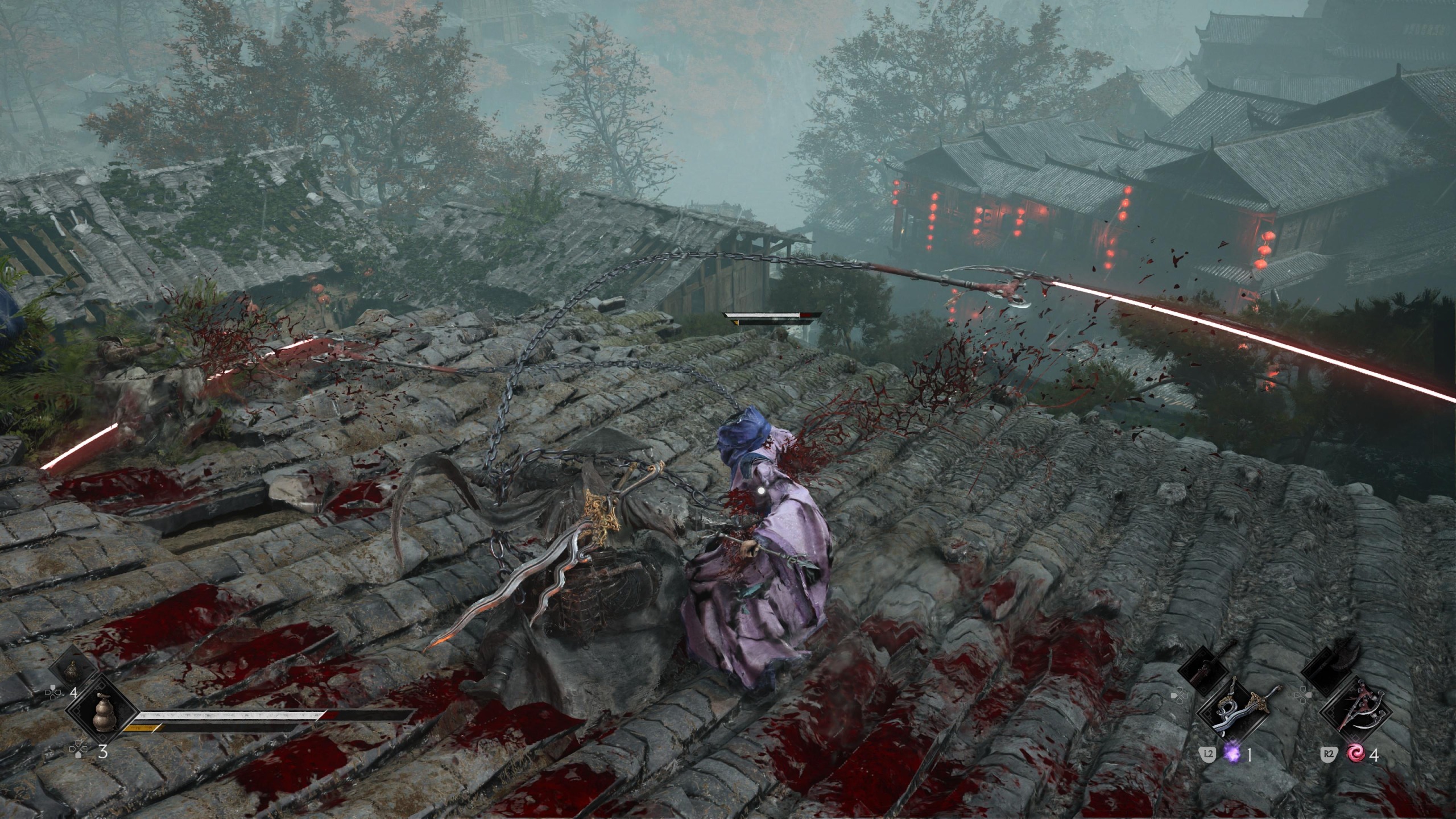
The question of whether Phantom Blade Zero is a "Soulslike" is complicated. It eschews some of the genre’s most punishing tropes—such as the resurrection of enemies upon resting at a checkpoint or the permanent loss of resources upon death. Yet, the boss encounters feel distinctly Soulslike in their difficulty spikes.
Bosses are often "spongy," requiring a massive amount of attrition to defeat. This design choice is particularly frustrating when the player successfully executes a stagger, only to find that their most powerful attacks do little more than chip away at the boss’s health bar. Coupled with a camera that struggles to keep up during intense sequences—often getting stuck behind environmental geometry—the high-stakes combat can devolve into a struggle against the game’s own interface.
Technical Performance and The PS5 Pro Experience
Even when tested on the high-performance PlayStation 5 Pro, Phantom Blade Zero exhibits significant technical flaws. During the latter half of the game, performance became a major concern. Framerate drops frequently turned high-intensity boss encounters into a slideshow, a catastrophic issue for a game that relies so heavily on precise timing and reaction.
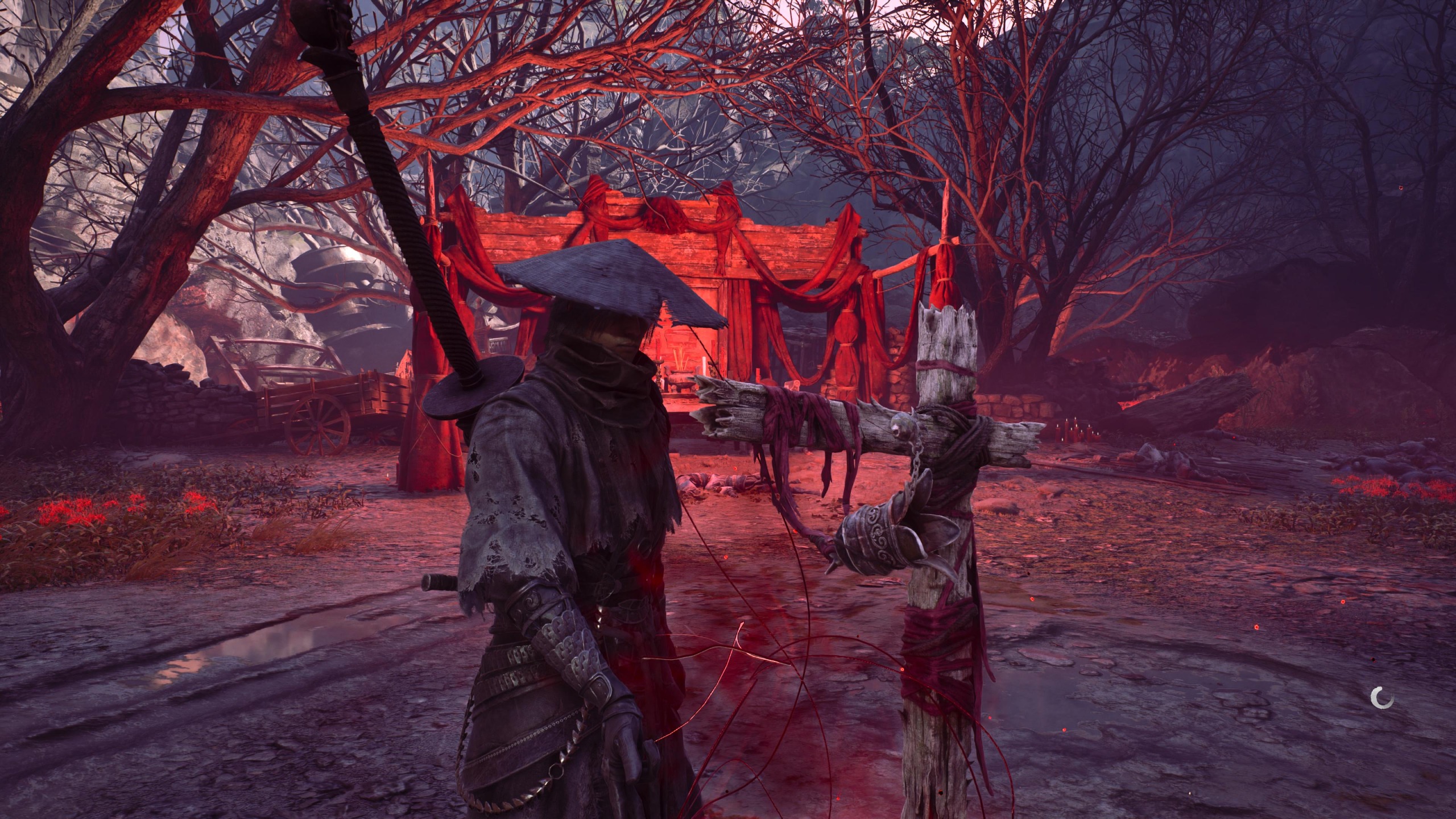
Other issues include:
- Audio Desync: Discrepancies between voice acting, environmental audio, and music tracks.
- Visual Artifacts: Water reflections occasionally failing to render, appearing as flat, mirror-like surfaces or holes in the world geometry.
- Optimization: Even in Performance mode with ray tracing disabled, the game struggled to maintain a consistent, smooth experience.
While S-Game has reportedly released a post-launch patch intended to address these stability issues, our review was conducted on the base experience provided at launch. It is a cautionary tale of how even the most ambitious titles can be undermined by a lack of technical polish.
Implications: A Work in Progress
The implications for Phantom Blade Zero are significant. It is a game that is clearly aiming for the pantheon of elite action titles, and in many respects, it succeeds. The artistic vision, the cultural depth, and the sheer fluidity of the martial arts combat are highlights that few other games can match.
However, the current iteration of the game serves as a reminder that ambition must be tempered by robust technical execution and thoughtful level design. The "kung-fu-punk" world S-Game has built is one that players will want to explore, but the friction in the navigation and the technical instability in the combat make it difficult to recommend without reservations.
Ultimately, Phantom Blade Zero is a title with grand aspirations and a soul that is undeniably brilliant. It possesses the DNA of a masterpiece, but it requires further refinement to truly earn the title of "Grand Master." As it stands, it is a fascinating, deeply flawed, and often exhilarating experience that proves the studio has a bright future, provided they can reconcile their vision with the technical realities of modern game development.
Summary Verdict
- Strengths: Exceptional martial arts combat, unique "kung-fu-punk" aesthetic, and an incredibly dense, lore-rich world.
- Weaknesses: Inconsistent technical performance, frustratingly restrictive exploration, and boss encounters that can feel unfairly balanced.
While the foundation is solid, the current state of the game suggests that it would have benefited from additional time in development. For those drawn to the aesthetic and the promise of elite combat, there is much to love, but be prepared for a journey that is as technically inconsistent as it is visually and mechanically inspired.
 Pevita Pearce
 Laily UPN
