
 By Basiran
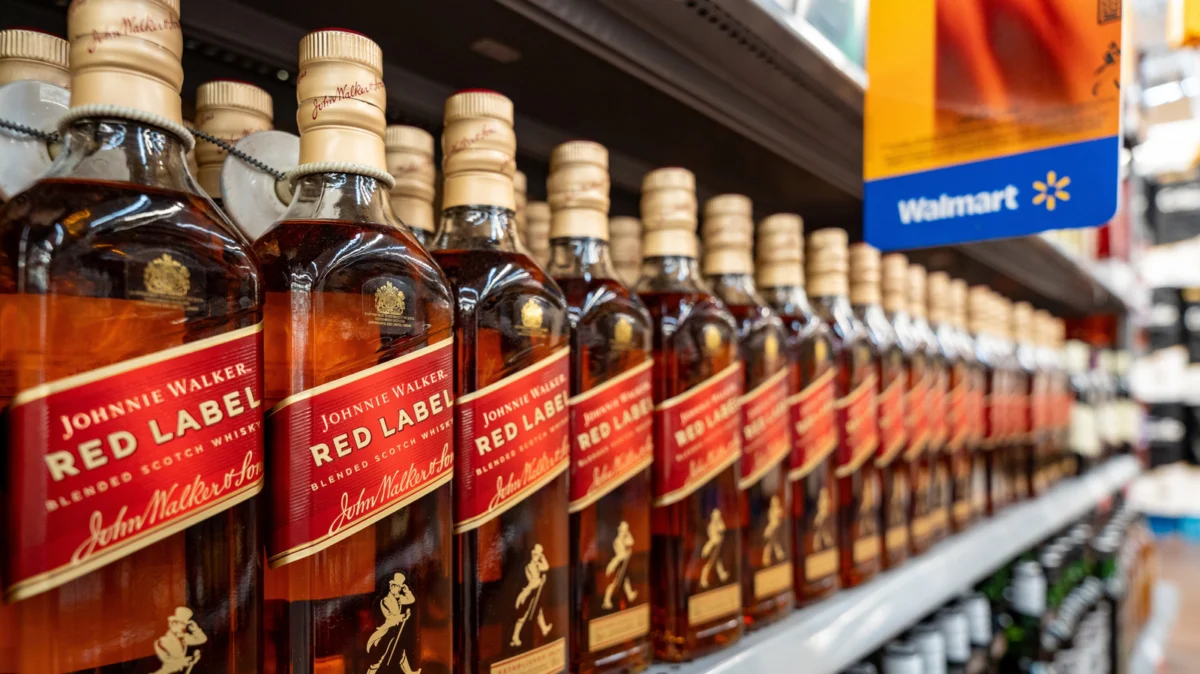
Enjoying a finely crafted cocktail, a glass of robust red wine, or a crisp beer after a demanding week is a time-honored tradition for many adults. However, in an era marked by shifting economic landscapes and rising consumer costs, indulging in your favorite spirits can quickly take a heavy toll on your personal budget. While dining out at restaurants or grabbing drinks at local bars remains a popular social outlet, the financial reality is stark: high restaurant markups, combined with service charges and tips, mean consumers routinely pay two to four times the retail value for a single pour.
Even transitioning drinking habits from commercial venues to the comfort of home does not entirely insulate consumers from rising expenses. Whether purchasing from local specialty bottle shops, regional grocery stores, or online vendors, the costs associated with maintaining a home bar can quietly accumulate.
Fortunately, navigating the world of wine, beer, and spirits does not require emptying your wallet. By applying strategic purchasing habits—ranging from loyalty programs and bulk-buying techniques to clearance-rack scavenging and digital price comparisons—enthusiasts can continue to enjoy high-quality libations without breaking the bank.
Main Facts: The Anatomy of Alcohol Pricing
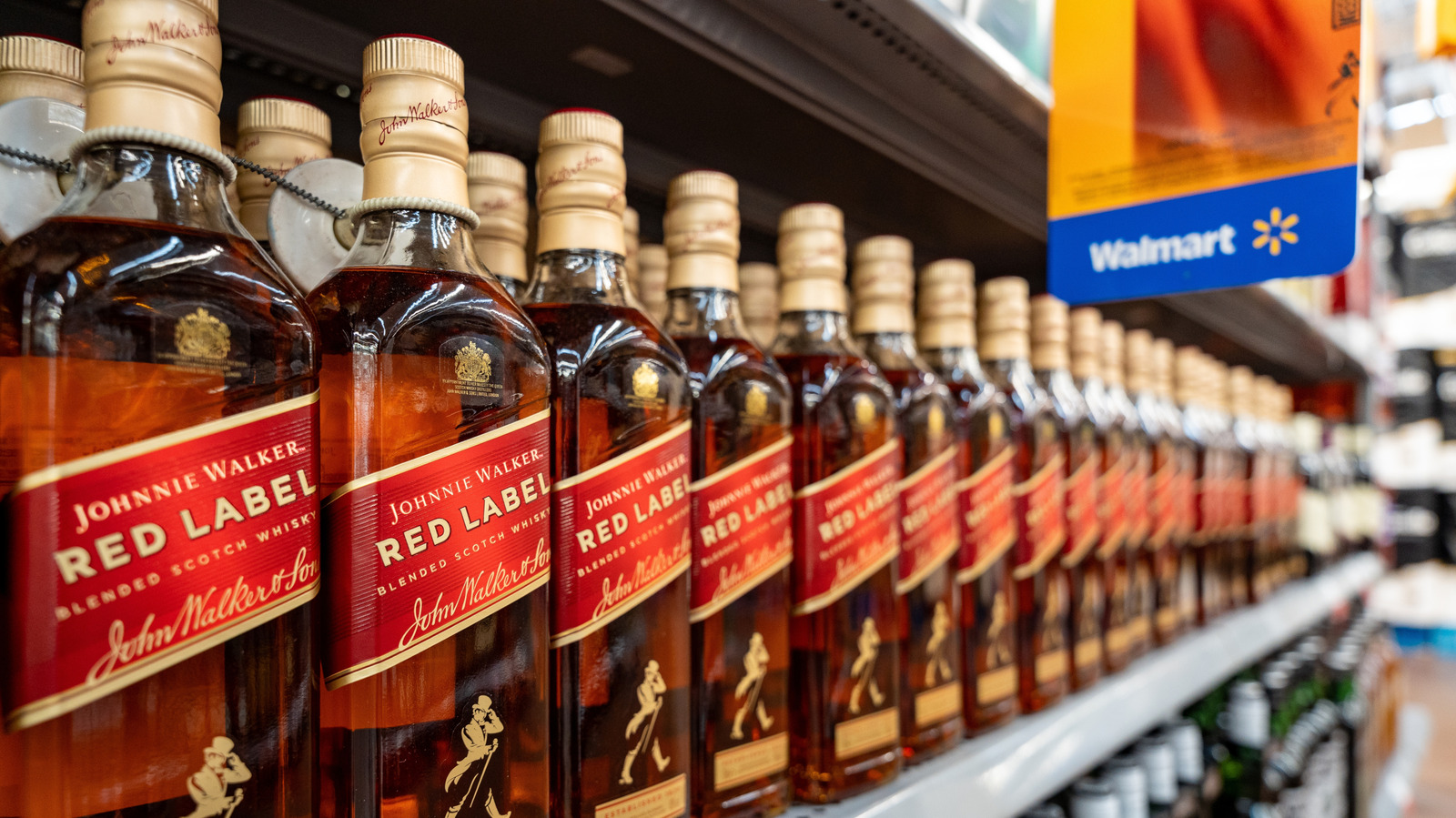
To understand how to save money on liquor, consumers must first understand how the market operates. Alcohol pricing is dictated by a complex web of production costs, federal and state taxes, distribution tiers, and retail markups.
- The On-Premise vs. Off-Premise Disparity: The single largest financial leak for consumers is purchasing alcohol "on-premise" (restaurants, bars, and clubs) rather than "off-premise" (liquor stores, supermarkets, and wholesale clubs). Restaurants implement steep markups to cover overhead costs, labor, and licenses.
- The Illusion of Convenience: Buying individual bottles on an as-needed basis often incurs a hidden convenience tax. Retailers know that shoppers running out for a last-minute dinner party bottle are less price-sensitive.
- Inventory Management Realities: Physical retail space is finite. Retailers face constant pressure to rotate stock to make room for new releases. This operational constraint is the consumer’s primary ally when hunting for steep discounts and clearance inventory.
- Regulatory Roadblocks: Alcohol laws are intensely localized, varying dramatically by state and county. These legal frameworks dictate everything from whether grocery stores can sell spirits to whether loyalty reward points can be directly applied to alcohol purchases.
Chronology of Retail Savings: How the Industry Shifted Toward Smart Shopping
The landscape of purchasing alcoholic beverages has undergone a massive transformation over the past three decades. Understanding this evolution helps consumers leverage modern tools to their financial advantage.
1. The Era of the Mom-and-Pop Monopolies (Late 20th Century)
Historically, consumers bought spirits from independent, neighborhood pack-packaged goods stores. Pricing was static, localized, and largely non-negotiable. Information sharing was minimal; finding a cheaper bottle meant physically driving to multiple storefronts to compare price tags manually.
2. The Big-Box and Warehouse Revolution (Early 2000s)
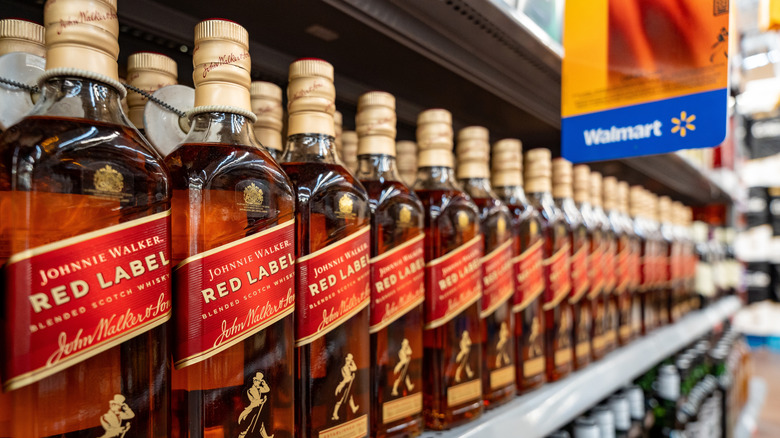
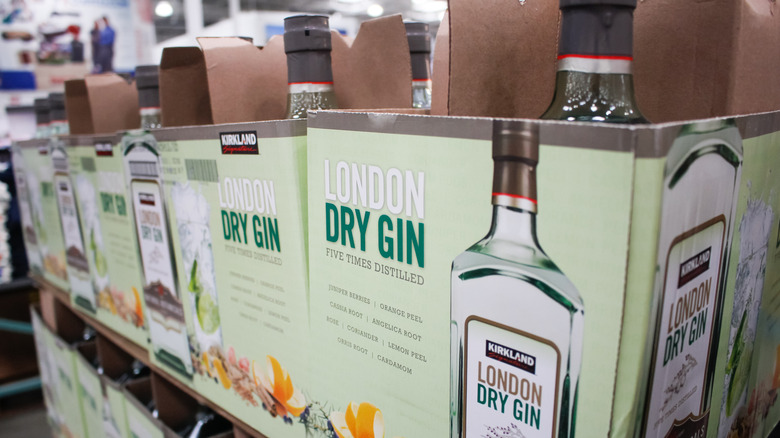
The rise of membership-based wholesale giants like Costco, Sam’s Club, and BJ’s Wholesale Club introduced a paradigm shift. By leveraging immense purchasing power and introducing high-quality private-label spirits (such as Costco’s Kirkland Signature line), these clubs proved that consumers did not need to pay premium prices for top-tier quality. Simultaneously, regional superstores like BevMo and Binny’s expanded the big-box concept specifically for wine and spirits.
3. The Digital Transformation and Loyalty Economy (2010s–Present)
Today, the liquor retail market is heavily digitized. The rise of e-commerce platforms, state-wide inventory databases, and mobile applications has shifted the power dynamic back to the consumer. Shoppers no longer need to walk the aisles blindly; comprehensive inventories, customer reviews, and pricing transparency are available at their fingertips before they ever leave the house. Concurrently, retailers have adopted data-driven loyalty programs to lock in consumer habits through tiered rewards, customized coupons, and member-exclusive events.
Supporting Data & Practical Strategies: 4 Core Tips to Cut Costs
Navigating the alcohol market efficiently requires a disciplined approach. Implementing these four evidence-based strategies can drastically reduce annual spending on wine, beer, and spirits.
1. Leverage Loyalty Programs and Rewards Apps
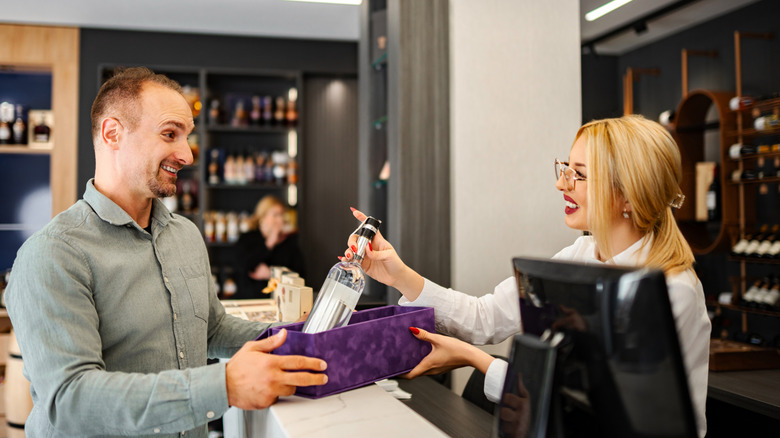
It is no secret that nearly every modern retail sector utilizes loyalty applications to track consumer behavior in exchange for perks. Liquor purveyors are fully engaged in this ecosystem, offering robust programs that turn routine purchases into future savings.
- Points-Based Systems: For example, major beverage retailer Total Wine features its "&More" Rewards Program. Members typically accumulate roughly 10 points for every dollar spent, translating to a $5 reward for every 5,000 points accrued (essentially a 1% return on spending). While a $5 discount on $500 may seem modest at first glance, the true value often lies in secondary perks.
- Tiered Memberships and Perks: Frequent shoppers who cross into "Reserve Member" status unlock exclusive benefits, including half-price mixology and tasting classes, invitations to members-only events, and promotional merchandise.
- The Regulatory Caveat: Consumers must remain aware of local regulations. In states like Massachusetts, strict blue laws and alcohol control regulations prohibit loyalty points or promotional rewards from being applied directly to the purchase of alcoholic beverages. Always verify what your local rewards program covers.
2. Buy in Bulk (When Storage Permits)
For regular consumers who possess adequate, climate-controlled home storage space, buying alcohol in bulk is one of the most reliable methods for long-term savings.
- Case Discounts: Many independent liquor stores and supermarkets offer automatic case discounts (typically 10% to 15% off when purchasing a full case of 12 wine bottles, or mixed cases of spirits).
- The Wholesale Advantage: Membership clubs provide access to bulk spirits at wholesale rates. However, consumers must exercise due diligence. Not every item at a wholesale club is priced lower than local competitors. It is vital to cross-reference bulk pricing against standard retail stores to ensure a true discount.
- Operational Convenience: Beyond financial savings, maintaining a small home reserve eliminates impulsive, convenience-driven trips to the store, saving both fuel and time.
3. Hunt for Clearance Items and Strategic Discounts
Retail shelf space is fiercely competitive. When a specific brand, vintage, or specialty liqueur underperforms in sales, retailers slash prices to clear inventory.
- The Clearance Rack: Routinely checking the clearance or closeout section of your local alcohol shop can unearth exceptional finds at a fraction of their original cost. While shoppers are restricted to whatever inventory the store needs to move, the savings can be substantial.
- Timing the Market: Major holidays—such as the winter holiday season, Super Bowl weekend, and patriotic summer holidays (Memorial Day, Fourth of July, Labor Day)—see a massive surge in alcohol promotions. Distributors and retailers heavily discount popular inventory to drive foot traffic during these peak buying windows.
- Special Group Discounts: Do not hesitate to ask retailers about unadvertised savings. Many establishments offer military discounts, trade discounts for hospitality industry workers, or senior discounts. It never hurts to ask.
4. Master the Art of Digital Comparison Shopping
Brand loyalty can be expensive. If you are unwilling to compromise on a specific label or spirit, comparison shopping across the digital landscape is your best financial defense.
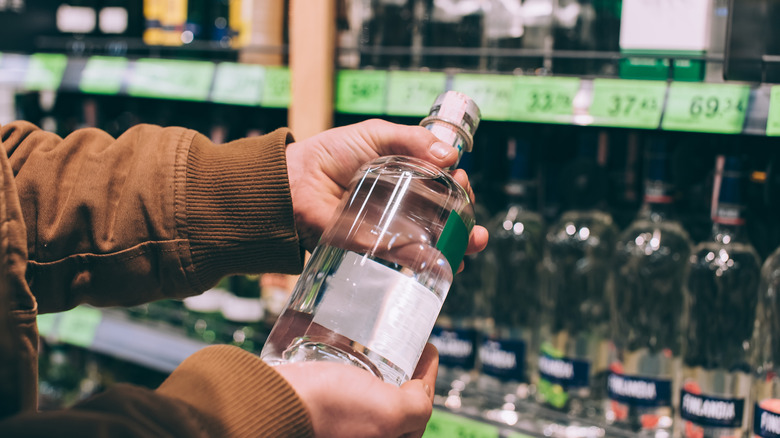
- Digital Inventories: Major regional giants—such as BevMo on the West Coast or Binny’s in the Midwest—offer fully searchable, transparent online inventories. Consumers can filter products not just by name or category, but explicitly by price, sorting from cheapest to most expensive.
- The Value of Legwork: By taking ten minutes to cross-reference prices online before leaving the house, shoppers can identify which retailer offers the lowest baseline price. If the savings justify a slightly longer drive to a store further away, the financial reward more than makes up for the transit time.
Official Perspectives and Industry Responses
Industry analysts and consumer advocates often debate the balance between promoting responsible consumption and offering steep retail discounts on alcohol.
Public health advocates frequently express caution regarding deep discounts and bulk-buying incentives, noting that lower per-unit costs can inadvertently encourage higher volume consumption. Organizations focused on public safety emphasize that while saving money is a valid consumer goal, it should always be balanced against mindful, moderate drinking habits.
Conversely, retail associations and consumer advocacy groups defend discount programs, loyalty structures, and bulk purchasing as essential economic tools for households facing inflation. In an economic climate where the cost of living continues to fluctuate, proponents argue that consumers have a right to navigate the market efficiently, exercising the same financial prudence when purchasing spirits as they would when buying groceries, electronics, or apparel.
Financial Implications and Long-Term Outlook
The cumulative impact of adopting these four shopping strategies can be staggering over the course of a single year. Consider a household that regularly spends $150 a month on home alcohol consumption ($1,800 annually).
- By shifting routine purchases to bulk buying (yielding an average 10% case discount), utilizing loyalty rewards, and occasionally purchasing clearance items for social gatherings, a consumer can easily trim 15% to 20% off their annual expenditures.
- This modest shift saves between $270 and $360 per year—funds that can be redirected toward other household necessities, savings accounts, or higher-quality ingredients for home cocktail crafting.
Ultimately, smart liquor shopping is not about drinking more cheaply at the expense of quality; it is about eliminating the inefficiencies of the modern retail market. By combining digital price comparison, strategic bulk purchasing, loyalty program navigation, and clearance hunting, consumers can maintain their preferred lifestyle while keeping their personal finances safely in the black. Cheers to that.
 Layla Zulfa
 Neng Nana
