
 By Dwi Wanna
As global spending on social advertising surges past $121 billion, the demands placed on digital communications executives have fundamentally transformed. Leading a social media team in 2026 no longer resembles the tactical, content-heavy execution models of the early social media era. Today, enterprise social leadership requires a sophisticated blend of strategic foresight, cultural intelligence, rigorous AI governance, and cross-functional orchestration.
According to insights compiled by strategist Colleen Christison and industry experts, the modern enterprise social leader acts less like a traditional content manager and more like the pilot of an integrated operating system. This shift is reshaping how organizations protect brand reputation, drive revenue pipelines, and navigate a rapidly evolving digital ecosystem.

Main Facts: The Evolution of the Social Leader
The core mandate of social media leadership is no longer confined to chasing vanity metrics like raw follower counts or instantaneous engagement spikes. Modern enterprise leaders are accountable for macro-level business outcomes: brand health, cross-departmental efficiency, risk mitigation, and commercial pipeline contribution.
Recent executive research underscores this transition. A landmark IBM study revealed that 69% of responding CEOs believe their organization’s long-term success is directly tied to maintaining a broad cadre of leaders equipped with deep strategic understanding and the executive authority to make high-stakes decisions. In the enterprise space, social media has graduated from an isolated marketing channel to a foundational business function.

This evolution is driven by several structural shifts:
- The Scale of Investment: With billions dedicated to social channels globally, accountability has shifted directly to executive boards.
- AI Integration: Generative and automated tools are doubling marketing workloads, necessitating strict operational governance.
- Distributed Realities: Teams are increasingly decentralized across multiple global time zones, requiring trust-based infrastructure rather than micro-management.
- Cross-Functional Dependencies: Insights derived from social listening now dictate decisions across product, human resources, sales, and customer experience (CX) departments.
Chronology: The Journey From Tactical Management to Strategic Leadership
To understand how enterprise social leadership reached its current threshold, it is helpful to trace its evolution over the past decade:
- The Tactical Era (Early 2010s): Social media roles were predominantly execution-focused. Success was measured by posting cadence, basic reach, and community responsiveness. Teams operated in relative isolation from core business functions.
- The Analytics & Paid Media Boom (Mid-to-Late 2010s): As platforms monetized, the demand for targeted ads and structured performance metrics grew. Social teams expanded, yet they remained largely tethered to marketing departments without direct input into broader corporate strategy.
- The Cultural Real-Time Crucible (2020–2023): Rapidly shifting cultural moments and heightened consumer scrutiny forced brands to master real-time agility. Leaders realized that tone-deaf campaigns could inflict immediate, severe damage on brand equity.
- The Enterprise Operating System Era (2024–2026): Today, social media management and leadership have firmly diverged. Management focuses on tactical calendars and daily engagement, while leadership orchestrates multi-year strategies, enterprise-wide AI compliance, and seamless cross-functional workflows.
Supporting Data and Comparative Frameworks
The structural divide between day-to-day social media management and enterprise-level social leadership highlights why distinct skill sets are required at different organizational tiers.
Management vs. Leadership: Key Operational Differences
| Dimension | Social Media Management | Social Media Leadership |
|---|---|---|
| Primary Focus | Execution and output | Direction and outcomes |
| Scope | Channels, campaigns, and content calendars | Teams, budgets, and cross-functional systems |
| Core Metrics | Reach, engagement rate, publishing cadence | Brand health, pipeline contribution, team efficiency |
| Decision-Making | Tactical decisions within pre-set guidelines | Establishing guidelines and enterprise approval frameworks |
| Time Horizon | Daily to quarterly | Quarterly to multi-year cycles |
| Key Activities | Content creation, community responses, reporting | Strategy, governance, hiring, executive communication |
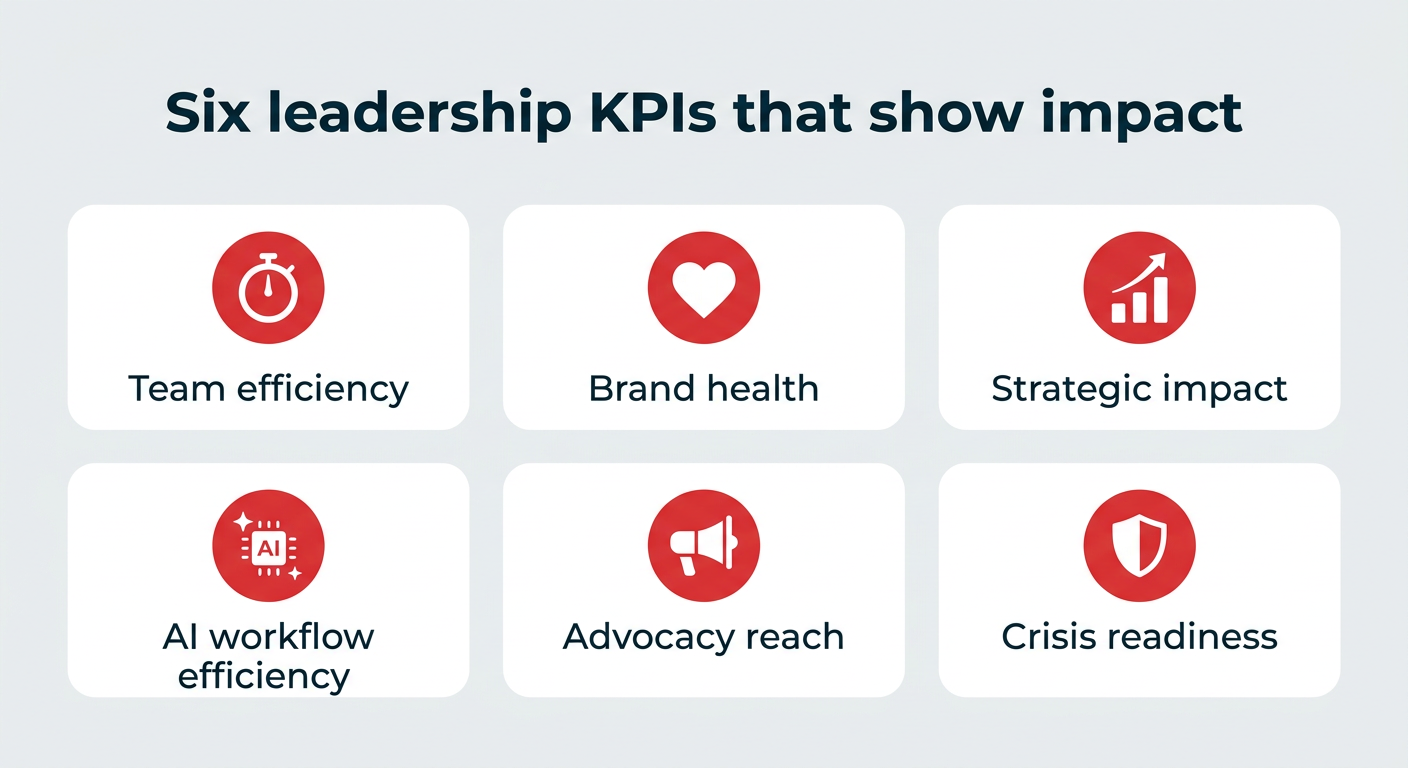
Essential Leadership KPIs vs. Business Outcomes
Enterprise leaders must translate social metrics into data narratives that resonate with executive boards. Vanity metrics are replaced by indicators that prove commercial value:
- Brand Sentiment & Share of Voice: Measures market perception versus competitors, directly translating to brand trust and reputation.
- Crisis Response Time: Evaluates how effectively protocols minimize organizational risk during online volatility.
- Team Efficiency: Tracks approval turnaround and delivery speed to optimize operational costs.
- AI-Assisted Output & Review Rates: Assesses where automation saves time without compromising brand safety.
- Social-Attributed Pipeline Signals: Measures direct commercial contributions to revenue and retention.
Official Perspectives and Expert Insights
Industry veterans emphasize that modern social leadership requires emotional intelligence, cultural awareness, and the courage to set firm boundaries.
Shakivla Todd, a four-time Shorty Award-winning Social Media Strategist, stresses the importance of cultural literacy over mere constant connectivity. "You don’t need to be chronically online," Todd notes. "But you do need to be acutely aware of what’s happening as it pertains to current events and cultural moments… An exceptional social media leader should know how to read the room; everyone hates a tone-deaf brand."
Furthermore, Todd highlights the necessity of strategic prioritization—specifically, the art of declining unfeasible requests. "You must know how to say no… My philosophy is that you don’t need to be everywhere, everything, all at once. That goes for viral trends and emerging social media platforms alike."
This philosophy extends to scaling organizational challenges. When social engagement surged at Bobbie, budget constraints prevented the hiring of a dedicated community manager. Instead of expanding headcount, Todd partnered with the Director of Customer Experience (CX) to redirect product-specific inquiries into the CX workflow while retaining influencer outreach within the social team. This structural pivot allowed the social unit to focus on strategic content without sacrificing customer care quality.
Implications for the Future of Enterprise Organizations
As marketing leaders expect AI-driven automation to double across enterprise workflows, the implications for social leadership are profound.
1. The Convergence of Social Governance and AI Governance
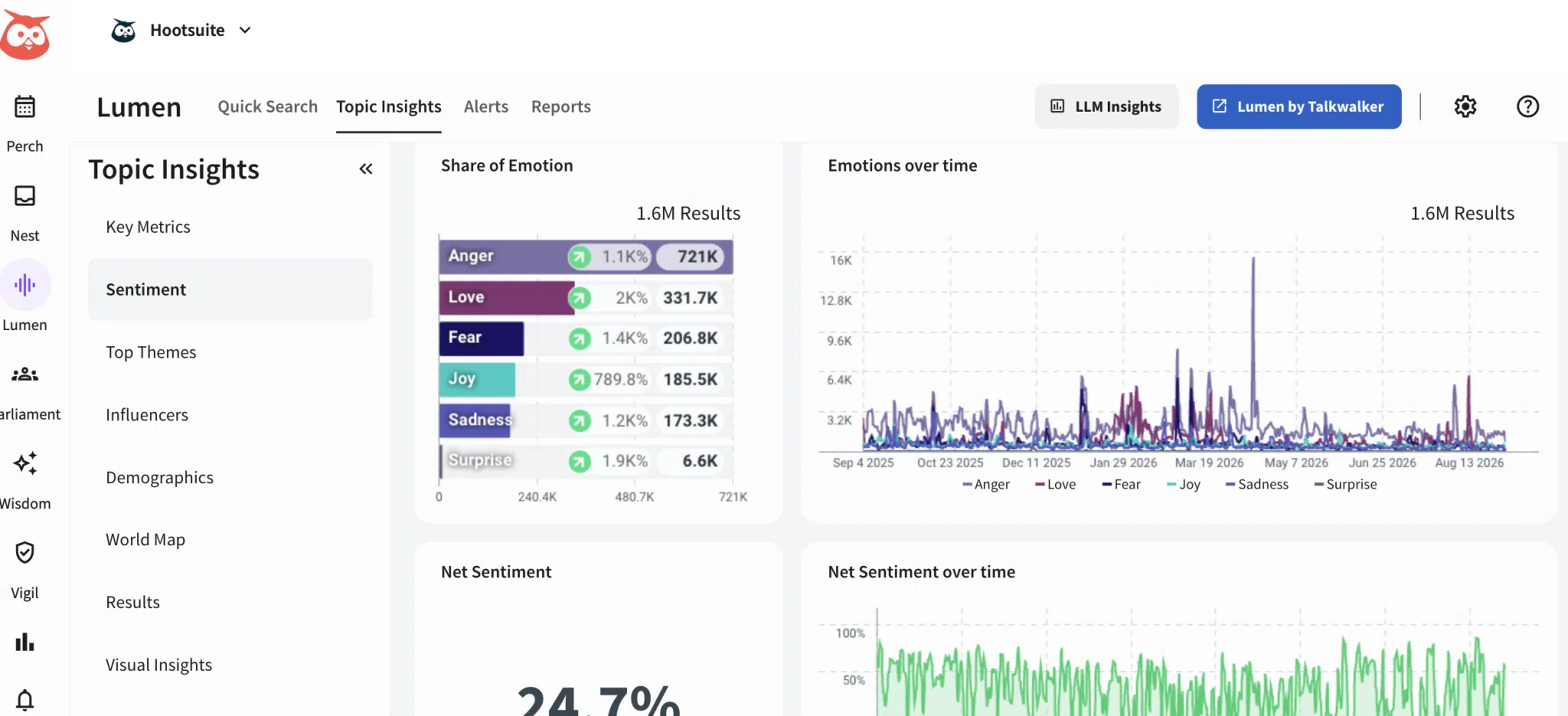
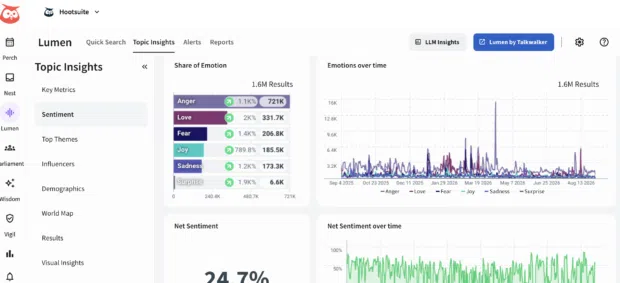
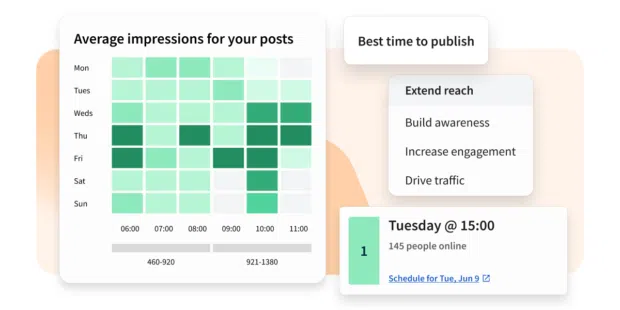
AI tools entered many enterprise organizations informally through individual contributors. Today, social leaders must act as governors, establishing rigorous guardrails that protect brand integrity without stifling creative output. Tools such as Hootsuite’s Vigil and Lumen allow enterprise teams to monitor sentiment at scale, maintain compliance audit trails, and ensure that automated content aligns with regulatory standards.
2. Breaking Down Silos Through Social Intelligence
Social listening data is no longer exclusively useful for marketing campaigns. Robust social intelligence acts as an early-warning system for product teams facing emerging complaints, provides sales departments with competitor messaging insights, and aids human resources in monitoring employer brand sentiment. Strong leaders actively bridge these organizational silos.
3. Cultivating the Next Generation of Leaders
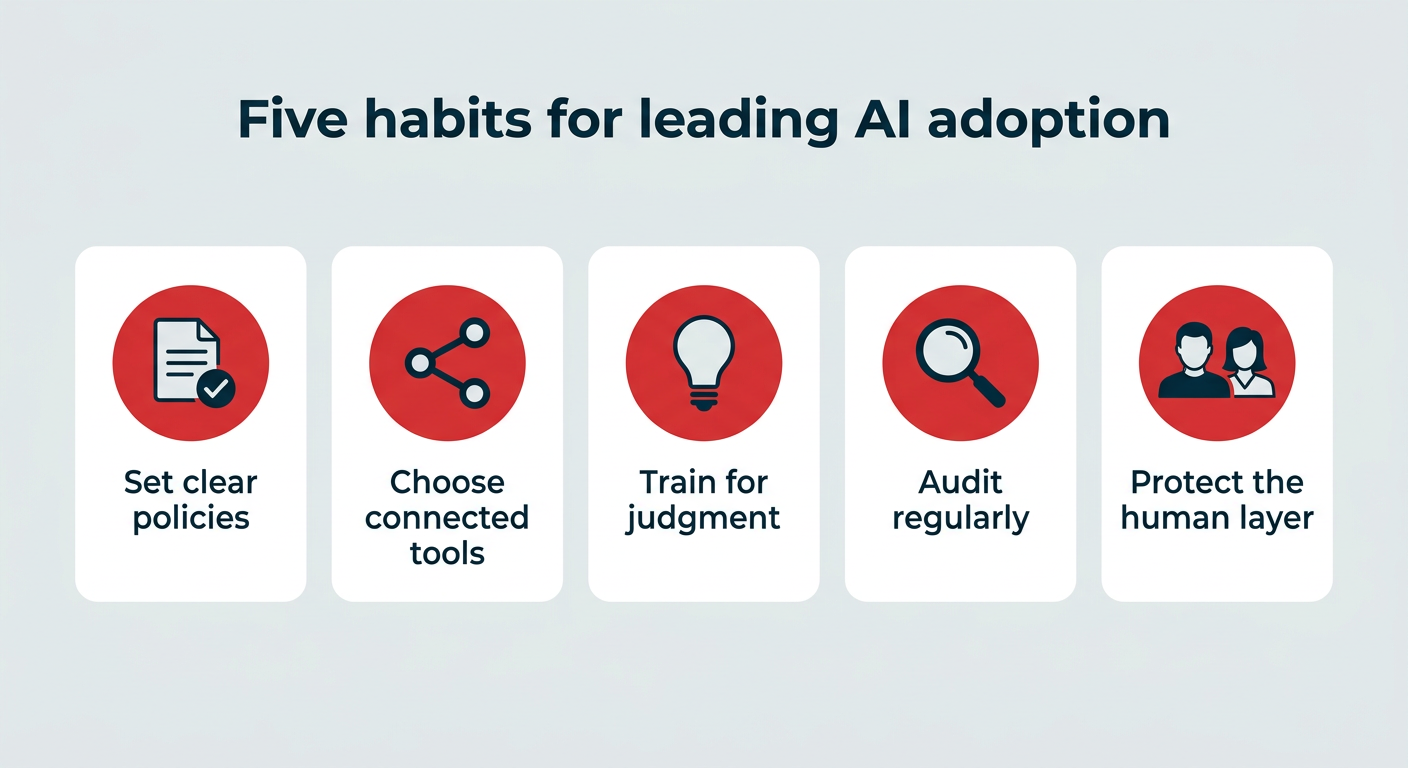
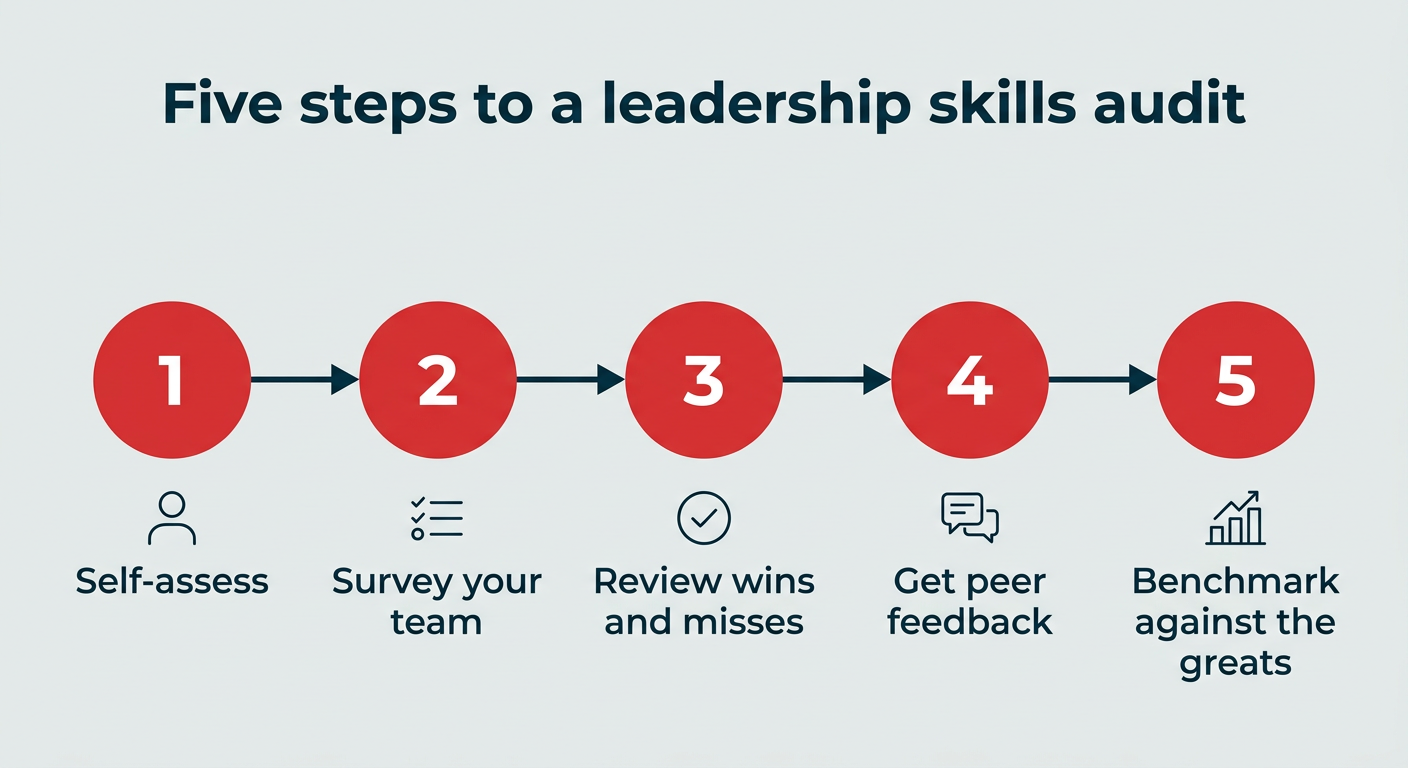
Because formal career paths in social media are relatively young, aspiring leaders must proactively build their cases for advancement. By conducting leadership skills audits, documenting tangible business wins, and establishing clear decision-making frameworks, practitioners can transition from executing tactical campaigns to steering enterprise-level growth.

Ultimately, enterprise social leadership in 2026 is defined by impact rather than output. By anchoring their strategies in clear business outcomes, leveraging connected operating systems, and protecting team bandwidth, modern social leaders ensure their functions drive sustainable, long-term organizational success.
 rifanmuazin
 Nila Kartika Wati
 Basiran
