
 By Nila Kartika Wati

Short-form vertical video has fundamentally rewritten the rules of digital marketing. Among the heavy hitters of the medium, Instagram Reels has emerged as the premier engine for organic discovery, brand building, and conversion. Backed by Meta’s aggressive AI-driven ranking updates, Reels have transitioned from a reactive answer to competing platforms into an indispensable cornerstone of modern social media strategy.

As digital landscapes shift in 2026, understanding how to harness the Reels algorithm, master production specifications, and balance your content mix is non-negotiable for brands seeking sustainable growth.

Main Facts: The Current Landscape of Instagram Reels
Instagram Reels are vertical, short-form videos that allow creators and brands to stitch together multiple clips, photos, audio tracks, and interactive effects. Designed for full-screen mobile consumption, Reels have evolved rapidly since their inception, adapting to consumer demands and platform updates.
- Expanded Duration: Reels can now be up to 3 minutes long, a major jump from the previous 90-second limit implemented to accommodate deeper tutorials, interviews, and mini-documentaries.
- Optimal Specifications: The platform standard remains 1080 x 1920 pixels with a 9:16 aspect ratio to maximize real estate on mobile screens.
- Discovery Engine: Unlike traditional feed posts that primarily serve existing followers, Reels are heavily pushed through Instagram’s recommendation system, offering accounts of all sizes a level playing field to reach non-followers.
- Monetization & Commerce: Integrated product tagging, shoppable links, and direct connections to Instagram Shops turn passive viewers into immediate buyers.
Chronology: How Reels Became the Dominant Format
The rise of vertical video did not happen overnight. Its trajectory reflects a calculated corporate response to changing consumer attention spans and competitive pressures.

- The Shift to Vertical (2018–2020): Driven by the explosive popularity of short-form video formats popularized by platforms like TikTok, Meta recognized that users preferred immersive, full-screen vertical content over traditional square or horizontal imagery.
- The Global Rollout of Reels (2020): Instagram officially introduced Reels globally, giving creators a dedicated in-app camera, multi-clip editing tools, and access to a massive music library.
- The Push for Video Consolidation (2022): Instagram began merging video formats, converting all standard video posts under a certain threshold into Reels and streamlining creator analytics.
- The 3-Minute Expansion (January 2025): Responding to a demand for richer storytelling and educational content, Instagram extended the time limit to three minutes, allowing brands to experiment with narrative-driven marketing.
- The AI Ranking Overhauls (2025–2026): Meta implemented major algorithmic updates focusing heavily on reshares, watch time, and completion rates. By late 2026, these AI-driven pushes successfully boosted overall Reels time spent by over 4%, cementing the format as Meta’s primary growth driver.
Supporting Data and Algorithm Mechanics
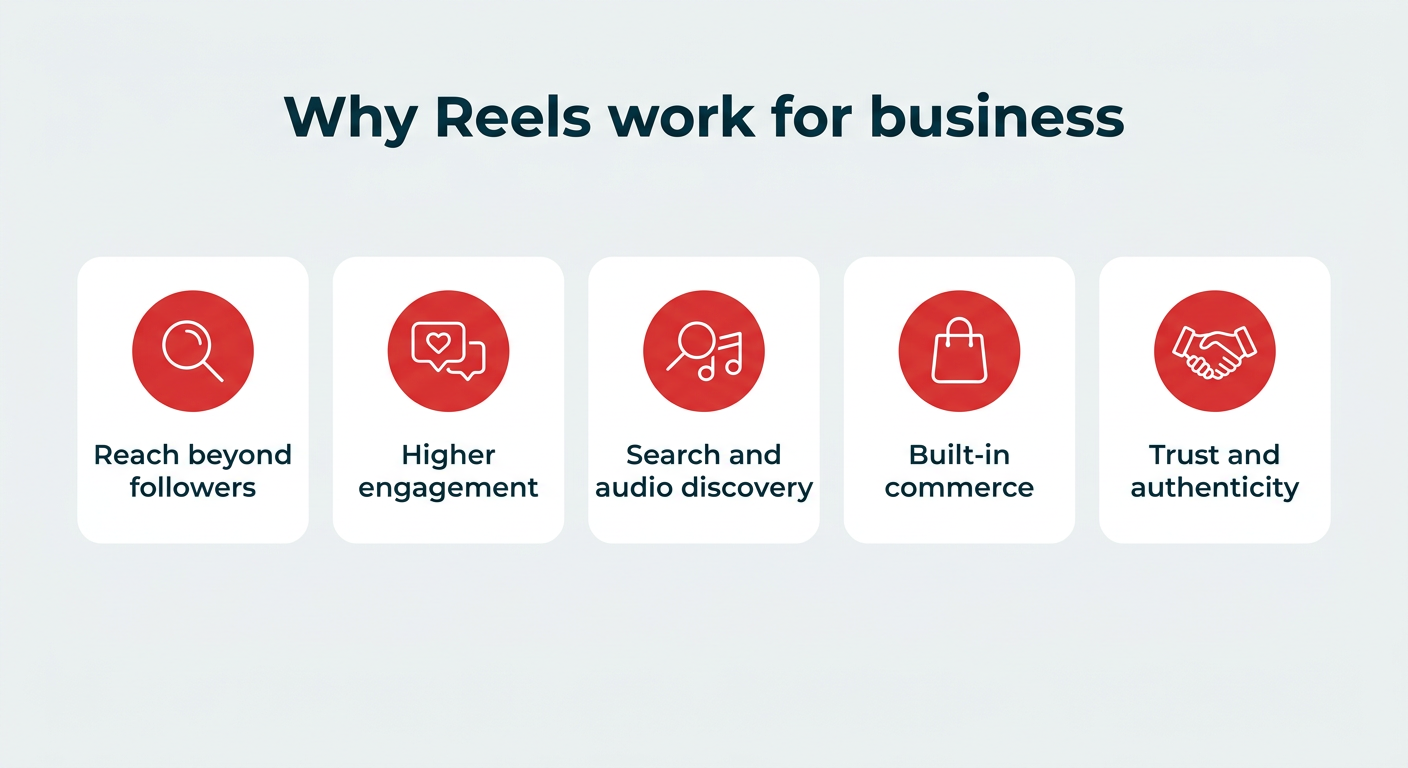
To succeed on Instagram Reels, marketers must understand what the recommendation engine values. Meta’s AI evaluates a massive pool of videos, ranking them based on a user’s likelihood to engage.
Key Ranking Signals
- Watch Time & Completion Rate: The single most important metric. If viewers stick around until the final second—or rewatch the video—the algorithm flags the content as high-value.
- Reshares and Saves: While likes are helpful, algorithm updates place a premium on content that users find valuable enough to save for later or share directly with friends via direct message.
- Audio Engagement: Using trending tracks or engaging original audio acts as a secondary categorization signal, placing your content alongside similar videos in the audio browser feed.
Official Responses and Industry Guidance
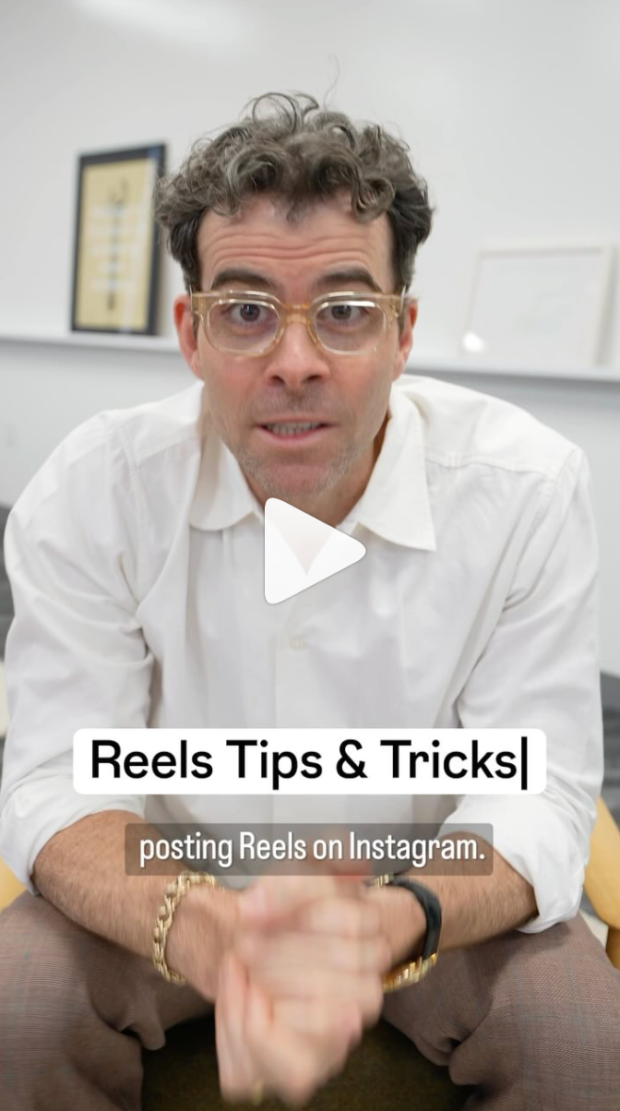
Leadership at Instagram has been remarkably transparent about what works and what fails on the platform. Adam Mosseri, Head of Instagram, has repeatedly shared operational guidance for creators and business accounts.
- The Length Debate: While Instagram now supports videos up to three minutes long, Mosseri maintains a clear stance: the shorter, the better for pure reach. Shorter videos naturally command higher completion rates, fueling algorithmic distribution.
- The Death of Recycled Content: Instagram has continuously penalized watermarked videos pulled from competing platforms. Official guidance explicitly advises creators to upload clean, native, high-resolution video files exported directly from editing tools rather than reposting content bearing watermarks or logos.
Strategic Implications for Businesses and Marketers
For brands, integrating Reels into a marketing plan is no longer optional—it is the most efficient way to buy attention without paying for ads. However, haphazardly posting videos will yield poor returns. A strategic framework is required.
1. Master the 1-2 Second Hook
Audiences accustomed to fast-paced feeds will swipe away instantly if met with a slow intro or title card. Jump straight into the subject matter.
2. Think Beyond Your Immediate Industry
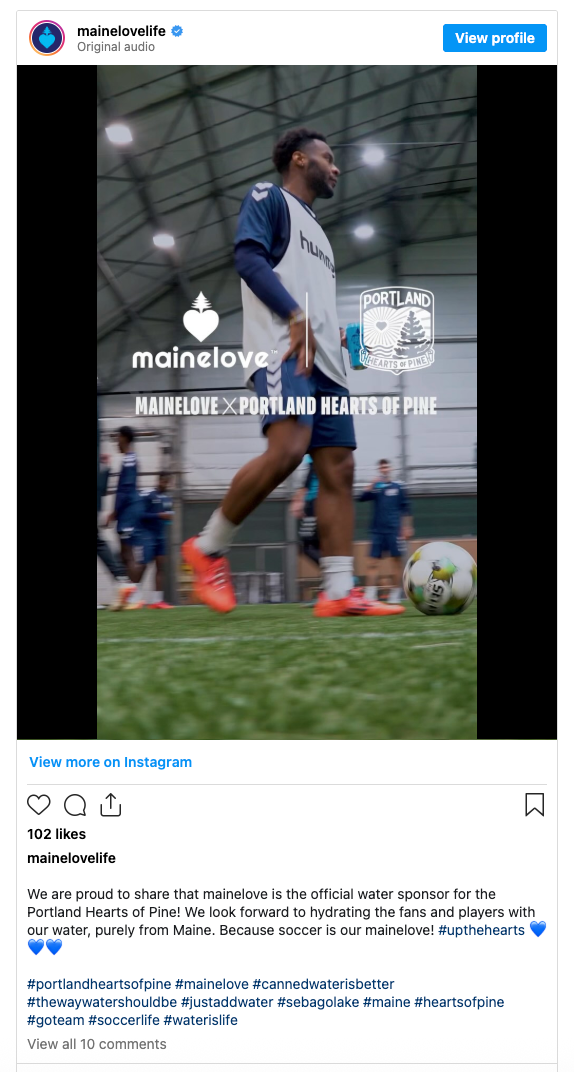
Brands in "serious" sectors—such as B2B, finance, healthcare, or education—often struggle with creative fatigue. The solution is to create content around adjacent topics that resonate with your target demographic’s broader interests, widening your top-of-funnel reach.
3. Balance Content Types
A healthy Reels strategy utilizes a balanced mix of goals:
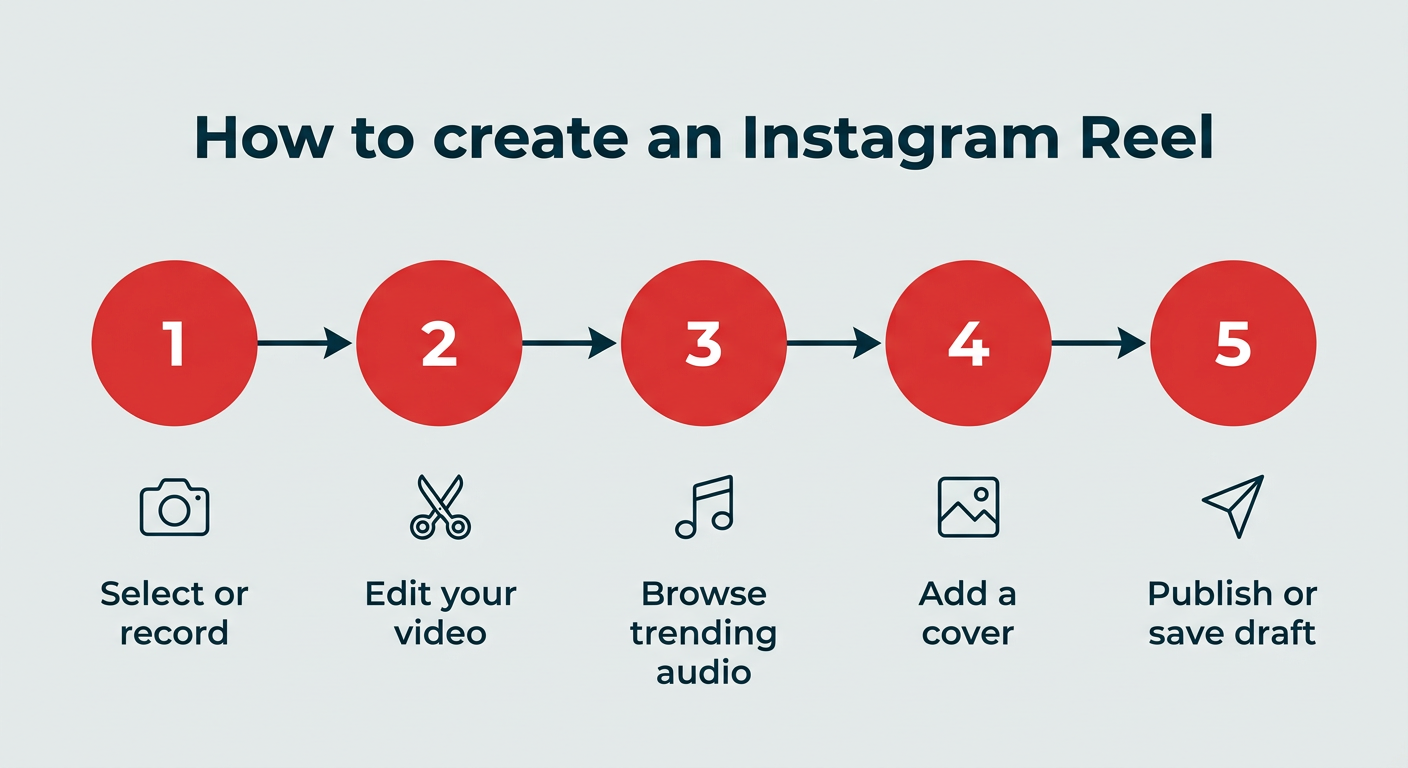
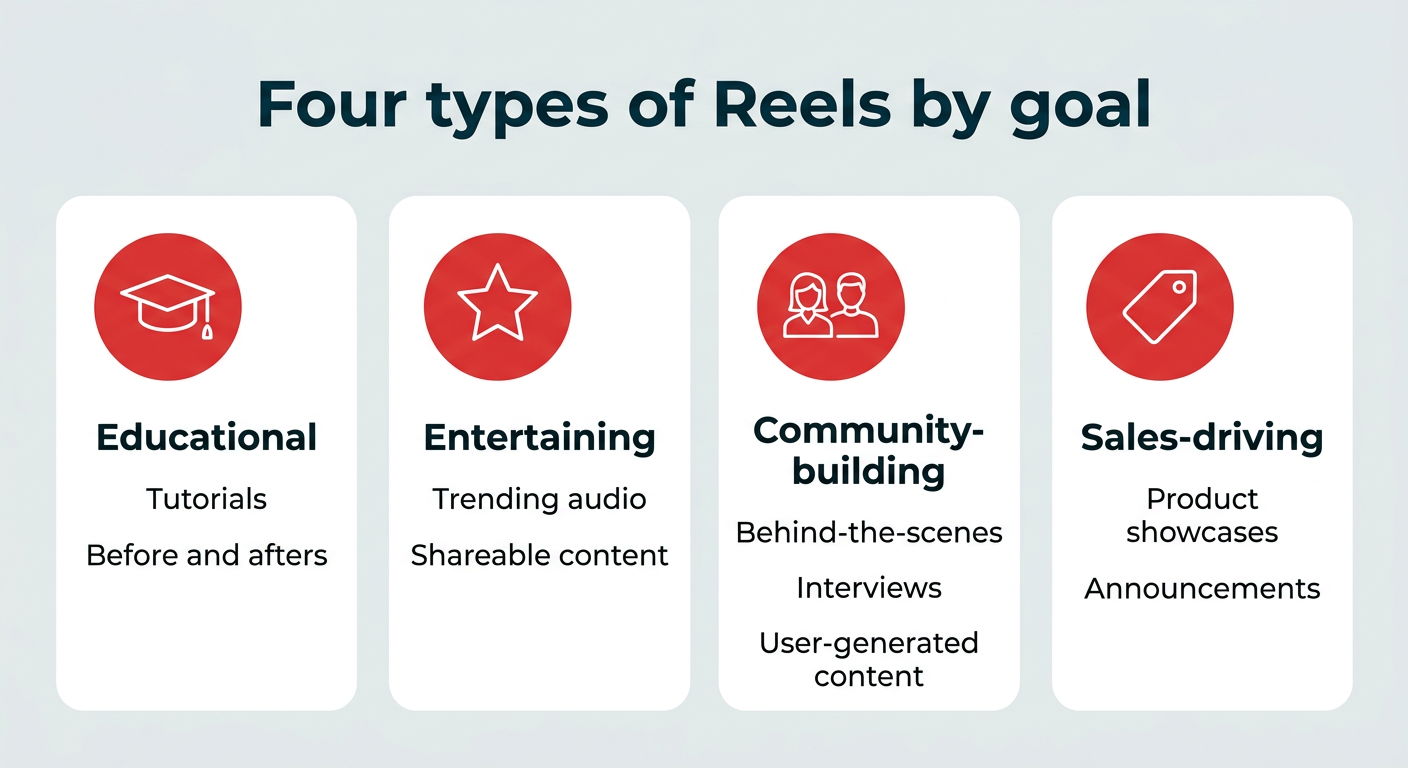
- Educational Reels: Build authority and earn saves (e.g., product tutorials, step-by-step guides).
- Entertaining Reels: Drive organic reach and shares through humor or trends.
- Community-Building Reels: Humanize the brand with behind-the-scenes footage and employee spotlights.
- Sales-Driving Reels: Seamlessly connect content to revenue using product tags and shoppable elements.
4. Consistency and Workflow Automation
Consistency trumps volume. Establishing a reliable publishing cadence teaches the algorithm who your audience is. To maintain this rhythm without burning out internal marketing teams, brands utilize scheduling tools like Perch by Hootsuite to map out content calendars, analyze optimal posting windows, and automate publishing.
Conclusion
Instagram Reels have matured from a trendy feature into a sophisticated, AI-backed media channel capable of driving massive brand awareness and direct conversions. By aligning production workflows with official platform best practices—hooking viewers immediately, avoiding recycled watermarks, and leveraging strategic scheduling—businesses can future-proof their social media strategies and turn algorithmic recommendations into measurable business growth.
 Basiran
 Nana Muazin
