
 By Neng Nana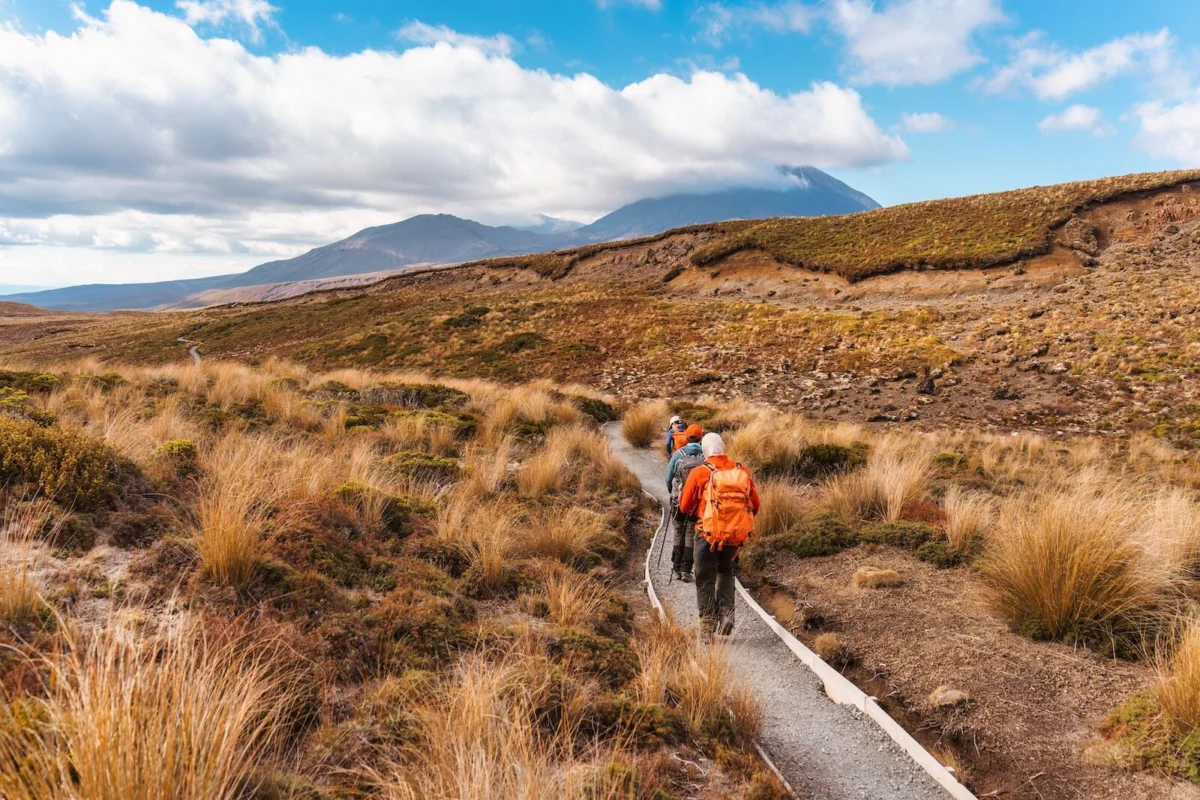
For many, the dream of living in Aotearoa—the Māori name for New Zealand—is often sidelined by the perceived logistical nightmares of international relocation. Arriving at the age of 30, I initially feared I would be relegated to the bottom rung of the labor ladder, pruning grapevines alongside teenagers fresh out of secondary school. Instead, I found a vibrant, eclectic community of people from all walks of life: recent graduates seeking their first adventure, career-switchers taking a hiatus, and seasoned professionals looking for a change of pace.
Far from a mere gap year, the New Zealand Working Holiday Scheme (WHS) is a transformative experience. Whether you are trekking to unrecognizable Lord of the Rings film locations or navigating the complexities of the local job market, the country offers a unique blend of rugged professional challenges and unparalleled natural beauty.
Main Facts: Navigating the Visa Landscape
New Zealand currently maintains working holiday agreements with 42 countries, designed to foster cultural exchange and provide supplemental labor for the nation’s seasonal industries.
Eligibility and Terms
- Duration: Most visas grant a 12-month stay, though agreements with the United Kingdom and Canada allow for extended stays of up to 23 months.
- Age Requirements: For the majority of nationalities, the age bracket for application is 18 to 30. You must lodge your application before your 31st birthday. A select group of countries allows for applications up to the age of 35.
- Financial and Health Requirements: Applicants must demonstrate proof of sufficient funds—typically NZD $4,200—to support themselves initially. Additionally, proof of comprehensive medical insurance covering the entire duration of the stay is mandatory.
- The "Character" Clause: The application process involves a questionnaire regarding health and criminal history. Depending on your answers, you may be required to submit a chest X-ray or a police clearance certificate.
All applications are processed through the official Immigration New Zealand portal. While fees vary by nationality, US applicants, for instance, pay approximately NZD $770. Once approved, the visa is automatically "activated" upon your first arrival in the country.
Chronology: A Roadmap to Arrival and Settlement
Successful integration into New Zealand society requires a systematic approach to bureaucracy. Following a specific sequence ensures your transition from tourist to resident-worker is seamless.
Phase 1: Pre-Arrival Preparation
Do not attempt to secure a job from abroad unless you have specialized skills. Most employers in the hospitality and agricultural sectors prefer to interview candidates in person. Ensure your digital documents—passport scans, insurance policies, and bank statements—are easily accessible.
Phase 2: The First 48 Hours
- IRD Number: Upon landing, your immediate priority is obtaining an IRD (Inland Revenue Department) tax number. This is non-negotiable; you cannot receive a paycheck or open a local bank account without it.
- Banking: Once your IRD is secured, head to a major bank such as ANZ or BNZ. While online pre-registration is possible, you will likely need to visit a branch with your passport to finalize the account. Pro-tip: Many travelers use their hostel address for initial correspondence, but always seek permission from the property manager first.
Phase 3: Securing Transport
Public transport in New Zealand is limited, particularly if you intend to pursue seasonal work in rural regions. Buying a vehicle is a rite of passage for most travelers. Whether you opt for a budget sedan or a self-contained campervan, ensure it has a valid "Warrant of Fitness" (WoF) dated within the last three months.
Supporting Data: The Economic and Regulatory Framework
The WHS is not just a travel program; it is a vital cog in the New Zealand economy.
Employment Dynamics
The minimum wage in New Zealand currently stands at NZD $23.95 per hour. Taxes are deducted at the source by the employer, usually at a rate of roughly 10% for temporary workers. Because many visa holders do not work a full tax year, it is common to receive a partial tax refund upon leaving the country.
The Role of the ACC
New Zealand operates under a unique "no-fault" accident compensation scheme managed by the Accident Compensation Corporation (ACC). If you are injured in an accident—whether hiking or playing sports—the ACC covers your medical treatment. However, the ACC is not a substitute for comprehensive travel insurance, which is still required to cover non-accident-related medical needs, personal liability, and theft.
The "Self-Contained" Vehicle Mandate
Freedom camping—the act of sleeping in a vehicle on public land—is highly regulated. To do this legally, your vehicle must be "self-contained," meaning it is equipped with a fixed toilet and waste disposal system. Recent legislation has phased out the old "blue sticker" system in favor of a stricter green warrant. If you do not have a self-contained vehicle, you must use established campgrounds and designated parking facilities.
Official Responses: Managing Work and Remote Expectations
Immigration New Zealand has maintained a strict stance on the nature of "work" under the WHS.
The Digital Nomad Dilemma
While New Zealand relaxed its visitor rules in early 2025 to allow for limited remote work for overseas companies, the Working Holiday Visa is not a digital nomad visa. You are permitted to work for local New Zealand employers to sustain your travels. While some individuals attempt to balance remote projects with local work, the primary intent of the visa is cultural exchange through local employment. Attempting to use the WHS as a base for full-time remote work for an overseas employer can place you in a legal gray area that risks your visa status.
The Seasonal Labor Market
Employers in the viticulture (grape) and horticulture (fruit) sectors are the backbone of the WHS workforce.
- Summer (Dec–Feb): Peak hospitality and berry picking.
- Autumn (March–May): Grape harvest.
- Winter (June–Aug): Pruning and maintenance, or ski resort recruitment.
If you commit to at least three months of work in these sectors, you may be eligible for a three-month visa extension, allowing you more time to explore the backcountry.
Implications: The Cultural and Personal Impact
Beyond the administrative requirements, the true value of the New Zealand Working Holiday Scheme lies in the lifestyle shift it necessitates.
Choosing Your Base
- The South Island: Known for its dramatic landscapes, the South Island is home to the Southern Alps, the Marlborough wine region, and the adventure capital, Queenstown. It is the preferred destination for those seeking high-adrenaline outdoor activities.
- The North Island: The North offers a more temperate climate, world-class surfing in Raglan, the geothermal wonders of Rotorua, and the bustling urban culture of Auckland and Wellington.
Networking and Volunteering
The "Wwoofing" (World Wide Opportunities on Organic Farms) and "Workaway" networks are essential tools for those looking to immerse themselves in the local culture. By volunteering at an animal sanctuary or assisting on a homestead, you gain a perspective on New Zealand life that no tourist hotel can provide.
Final Reflection
My year in New Zealand taught me that professional growth is not always linear. Whether I was harvesting potatoes or learning the ropes at a local craft brewery, the challenges of the WHS provided a sense of agency that I hadn’t experienced in my desk job back home. The friends I made—a mix of fellow travelers and locals—remain my most enduring connection to the country.
New Zealand is not just a place to visit; it is a place to participate. If you are between 18 and 30, the Working Holiday Scheme is perhaps the most accessible, rewarding, and life-altering investment you can make in your personal development. Pack your bags, bring a good pair of hiking boots, and prepare to be humbled by the sheer scale of the Kiwi wilderness.
 Laily UPN
  Muslim
  Reynand Wu