
 By Asro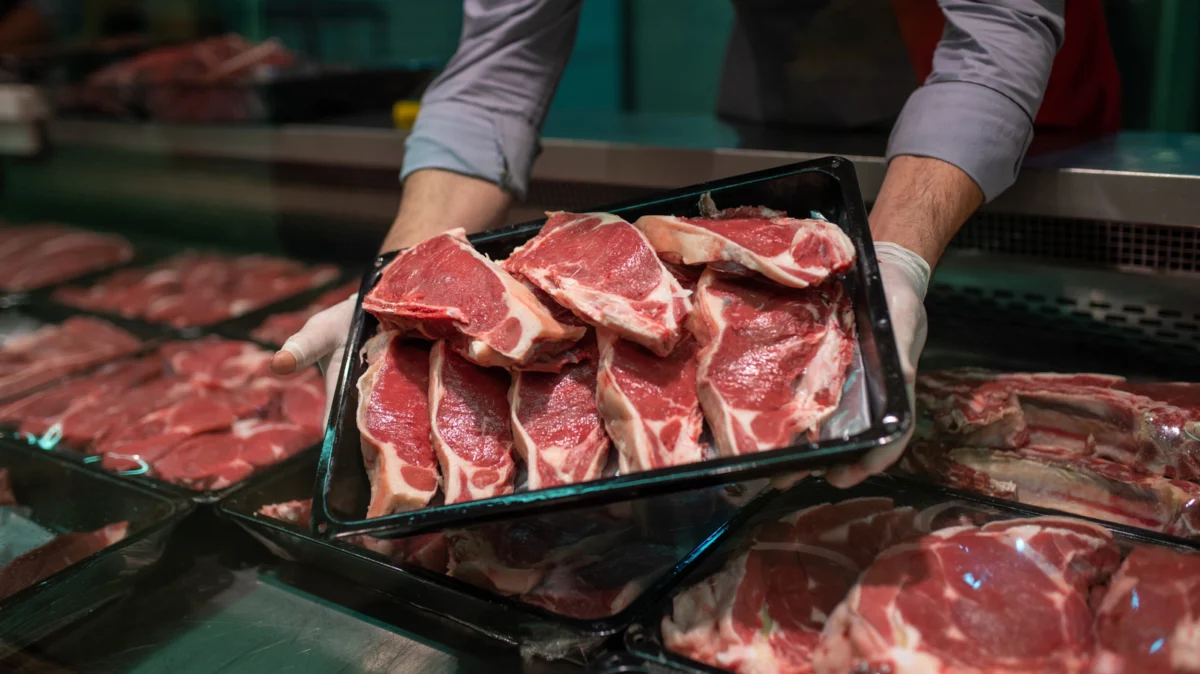
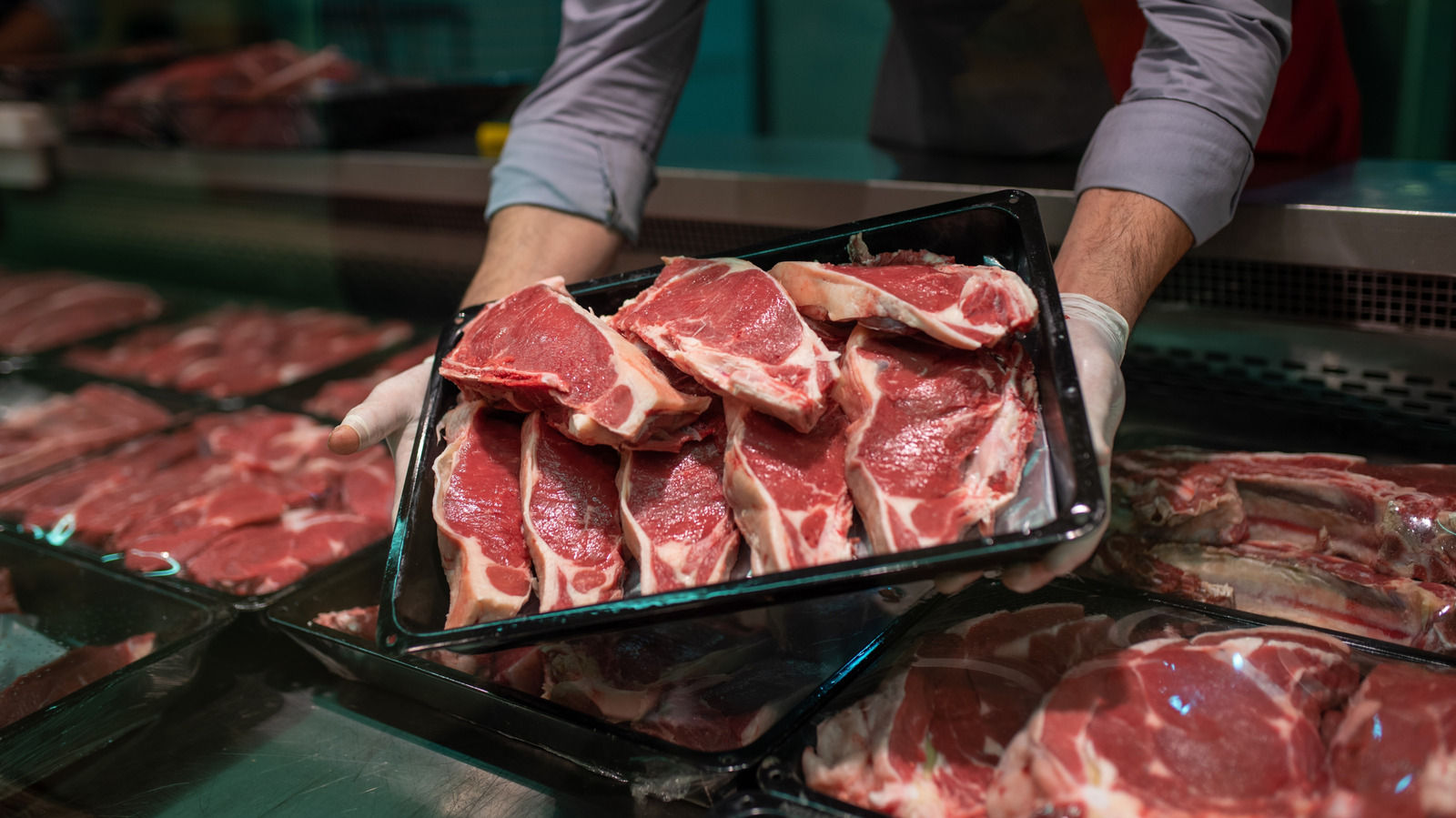
For the average American consumer, the sticker shock at the meat counter has become a grim, recurring reality. Whether you are ordering a prime cut at a chain like Texas Roadhouse or simply trying to pick up a pound of ground beef for a Tuesday night dinner, the price points are objectively higher than they have been in recent history. While many hoped that the inflationary pressures of the early 2020s would subside, the outlook for the remainder of 2026 suggests that the "beef crisis" is not merely a temporary fluctuation—it is a structural failure of supply and demand.
The current economic landscape for the cattle industry is characterized by a "perfect storm" of biological threats, climate volatility, and systemic supply chain consolidation. To understand why your grocery bill is ballooning, one must look beyond the checkout line and toward the ranches and border inspection facilities where the future of the American food supply is currently being tested.
The Core Statistics: A Shrinking Herd
The primary driver of high beef prices is simple, brutal arithmetic: there are fewer cows in the United States than at any point in the last 75 years. According to data released by the United States Department of Agriculture (USDA) at the start of 2026, the national cattle and calf inventory stood at 86.2 million head. This represents the lowest population count since 1951.
When the supply of a commodity drops this precipitously, prices are forced upward by market necessity. However, the reasons for this decline are multifaceted. Ranchers are facing an era of extreme operational difficulty. Climate change has turned once-productive grazing lands into dust bowls, forcing ranchers to cull their herds earlier than planned because they lack the water and forage to support them. Furthermore, the rising costs of diesel, fertilizer, and high-quality feed have squeezed profit margins so tightly that many multi-generational family farms have been forced to shutter.
The Biological Threat: The Return of the New World Screwworm
Perhaps the most alarming variable in the 2026 price surge is the resurgence of the Cochliomyia hominivorax, commonly known as the New World screwworm. Unlike other parasites, the larvae of this fly are obligate parasites that feed on the living flesh of warm-blooded animals. An untreated infestation is almost always fatal, leading to a rapid decline in herd health and significant losses for producers.
A Chronology of the Crisis
- 1966–2022: Following a decades-long, successful eradication program involving the release of sterilized male flies, the screwworm was effectively pushed out of the United States and kept contained behind the Darien Gap in Panama.
- 2022–2024: Supply chain disruptions, erratic weather patterns, and increased migration flows allowed the population to break through the containment barrier, eventually reaching southern Mexico.
- November 2024: The Biden administration, reacting to detections in Mexico, implemented a temporary halt on live animal imports to prevent the parasite from crossing the U.S. border.
- February 2025: The Trump administration lifted the import ban, replacing it with an inspection-based protocol.
- Late 2025–2026: Significant federal workforce reductions—including the departure of over 1,300 USDA Animal and Plant Health Inspection Service (APHIS) personnel—crippled monitoring efforts. Critical screwworm-specific mitigation programs were defunded, leaving the cattle industry vulnerable at a time when they were most in need of protection.
The Impact of Industry Consolidation
While the screwworm and climate change are significant, economists point to another factor: the lack of competition in the meatpacking sector. The beef industry is highly concentrated, with a handful of massive corporations controlling the vast majority of the processing capacity.
This consolidation creates a double-edged sword for the consumer. When the supply of cattle is low, these processors have the leverage to keep prices high for consumers while simultaneously suppressing the price they pay to independent ranchers. Because ranchers have few options for where to sell their livestock, they are often forced to accept lower margins, which discourages them from rebuilding their herds. Without robust competition, the "market price" for beef has become decoupled from the actual cost of production, creating a environment where retailers feel comfortable passing on ever-increasing costs to the public.
Official Responses and Policy Failures
The federal response to the current crisis has been marred by political inconsistency. When the Trump administration prioritized workforce reductions in 2025, the goal was to streamline the federal government. However, the unintended consequence was the gutting of vital agricultural monitoring programs.
Reports from Agri-Pulse and other industry outlets have confirmed that screwworm monitoring, which is essential to prevent a full-scale outbreak in the American heartland, was among the programs shuttered during these budget cuts. The result has been a vacuum in surveillance. While new facilities for producing and releasing sterile flies are currently being brought back online, these projects have a long lead time. Infrastructure in agriculture cannot be turned on like a light switch; it requires time, biological growth, and consistent funding.
Economic Implications for the Consumer
What does this mean for the average household? In the short term, the volatility in the cattle market is being passed directly to the consumer. Analysts predict that beef will remain a luxury item for the foreseeable future.
Strategies for the Meat Counter
As prices remain elevated, consumers are being forced to adapt. Here are the realities of the current shopping environment:
- Shift in Demand: Many shoppers are pivoting to pork and poultry, which have seen more stable price trajectories than beef.
- Bulk Purchasing: Buying in larger quantities or splitting a "cow share" directly from a local producer is becoming the only way to mitigate the retail premium.
- Utilization of Cheaper Cuts: The industry is seeing a surge in demand for secondary cuts (like chuck or brisket) that require slow cooking, as consumers move away from expensive steaks.
The Road Ahead: Can Prices Stabilize?
The restoration of the American beef supply is a multi-year project. Even if the screwworm is successfully contained today, a herd cannot be rebuilt overnight. It takes years to raise a calf to maturity, and ranchers remain hesitant to invest in expanding their herds while input costs remain high and the threat of drought lingers.
Furthermore, the lack of federal oversight and the loss of experienced USDA staff means that the industry is operating with less institutional knowledge than it had just two years ago. Until the government prioritizes the containment of biological threats and addresses the anti-competitive nature of the meatpacking industry, the upward pressure on beef prices is likely to persist.
Conclusion
The skyrocketing price of beef in 2026 is not an accident; it is the result of a convergence of environmental, biological, and political factors. From the literal, flesh-eating threat of the New World screwworm to the figurative, market-eating threat of industry consolidation, the American cattle industry is facing its most difficult decade in recent history.
For now, the era of cheap, readily available beef appears to be on an indefinite hiatus. Consumers should prepare for continued volatility and expect that, until herd numbers recover and disease control measures are fully restored, the price of a burger will remain a reflection of a deeply fractured supply chain. While the USDA works to bring new sterile-fly release programs online, the market remains in a fragile state—reminding us all that the food on our tables is inextricably linked to the health of our environment and the stability of our agricultural policy.
 Sagoh
Sagoh  Siti Muinah