
 By Siti Muinah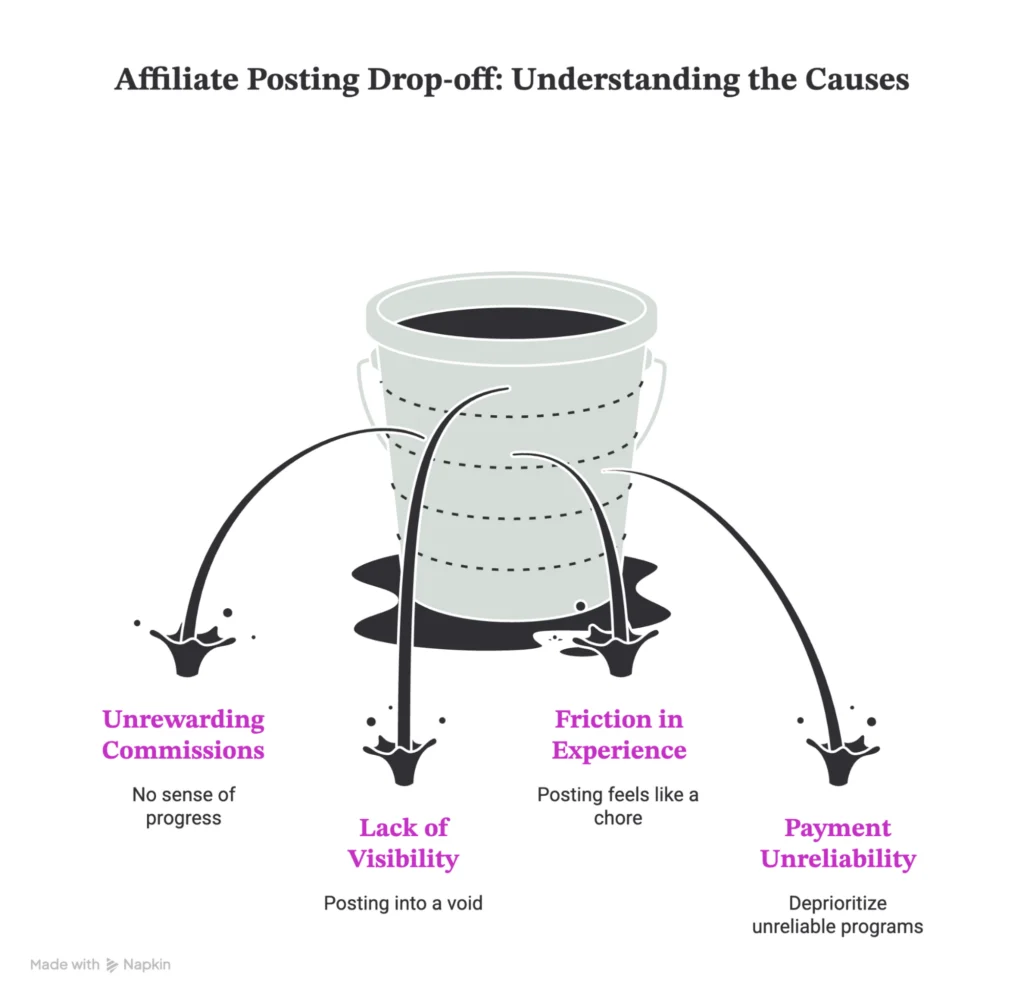
Most affiliate managers measure success by the sheer volume of their roster. They report on the number of new sign-ups, the total number of partners in the database, and the size of the outreach pipeline. While these figures look impressive in monthly board updates, they are often nothing more than vanity metrics.
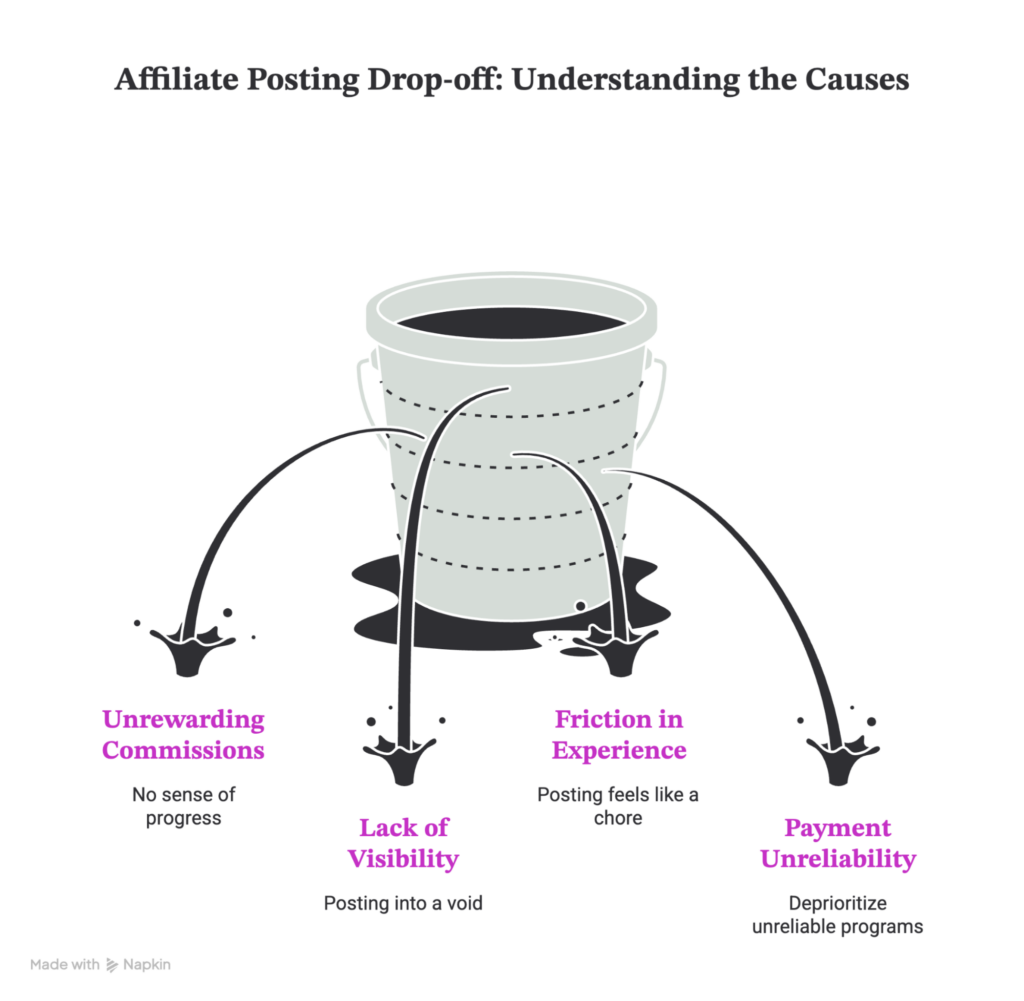
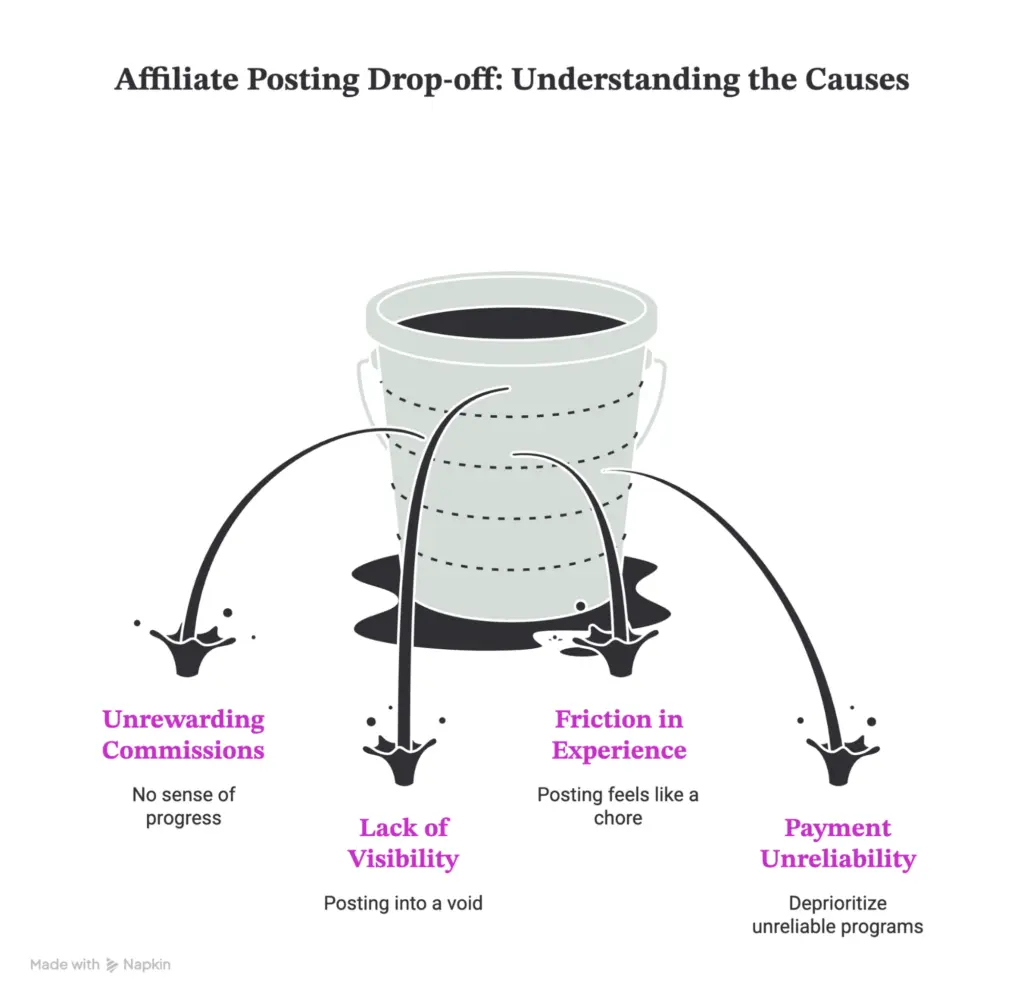
The hard truth is that the number of affiliates with a tracking link says nothing about the number of people actually driving your brand’s growth. You can have 500 affiliates on your books and still suffer from a catastrophic retention problem. When a program is measured solely by headcount, the focus shifts to constant recruitment, creating a "leaky bucket" syndrome where you are perpetually replacing inactive partners with new ones.
To build a sustainable, high-growth revenue channel, managers must look beyond the top of the funnel and focus on the bottom. It is time to shift your focus from the quantity of recruits to the quality of the ecosystem.
The Core Metric: Revenue Per Affiliate (RPA)
If your affiliate program is stagnant, the fastest diagnostic you can apply today is the Revenue Per Affiliate (RPA).
The formula is straightforward: Total Affiliate Revenue / Number of Active Affiliates (those who generated at least one sale).
By tracking this number quarterly, you gain immediate clarity on whether your program is actually compounding or simply spinning its wheels. A high RPA indicates that your existing partners are earning, engaged, and motivated. A low RPA, particularly when paired with a large list, is a clear signal of "noise"—an indication that most of your partners have effectively churned without ever notifying your team.
The Recruitment Loop That Goes Nowhere
In many organizations, the cycle of failure is predictable: You onboard 50 new affiliates, send a welcome sequence, and share the assets. A handful post during the initial excitement. Three months later, only eight remain active.
The instinctive reaction is to double down on recruitment. "If we have a conversion issue, we just need more people posting," the logic goes. But if your retention is broken, adding more recruits is akin to pouring water into a cracked basin. You end up running an expensive, inefficient loop: bring in 50, keep 8, repeat. The math never improves because the bottleneck is downstream of recruitment. The brands that truly scale are those that treat the post-onboarding experience with the same strategic rigor as the initial outreach.
The Power of Compounding Trust
Why does it matter if 500 people post once or 50 people post ten times? While the total number of posts might be the same, the business outcomes are vastly different.
Affiliate marketing is fundamentally a transfer of trust. When a creator or partner recommends a product, they are leveraging the relationship they have built with their audience over months or years. One well-placed recommendation from a trusted voice is worth twenty disconnected, "drive-by" mentions from affiliates who posted once and vanished.
Furthermore, affiliate marketing carries a unique advantage: it costs nothing upfront. Unlike Meta ads or Google PPC, where you pay for impressions regardless of intent, a dormant affiliate is merely a missed opportunity. A churned affiliate, however, is a sunk cost. You have invested time in outreach, product seeding, onboarding calls, and relationship management. If they drop off, that investment evaporates.
Why Affiliates Stop Posting
Churn is rarely the result of a single event; it is usually a pattern of friction. Understanding these patterns is the key to unlocking long-term growth.
1. Lack of Direction and Incentive
Many programs offer a static commission rate. While a percentage is the "floor" for entry, it is rarely enough to sustain long-term engagement. Partners need a roadmap—a series of milestones that keep them motivated beyond the initial sign-up.
2. Information Asymmetry
If an affiliate has to email you to ask about their performance, their conversion rate, or their pending payouts, they have already checked out. A program that operates like a "black box" is a program that will lose its most valuable talent to competitors who offer transparent, real-time data.
3. Payment Friction
In the creator economy, professionalism is a currency. If an affiliate has to chase down a payment or wait for a manual approval process, they lose faith in the brand. Automated, predictable payouts are the baseline requirement for maintaining high-tier partnerships.
The Ladder: Gamifying the Affiliate Journey
To keep partners posting six months down the line, you must provide them with a "ladder" of progression. The goal is to ensure that every partner—not just the top 1%—has an achievable goal in their sights.
A practical, tiered structure should look like this:
| Milestone | Reward |
|---|---|
| First $100 in sales | Free product or $50 cash bonus |
| $1,000 in cumulative revenue | Commission increase (e.g., 15% to 20%) |
| $5,000 in cumulative revenue | $500 bonus + early access/exclusive perks |
Time-bound challenges act as a force multiplier here. For example, a campaign offering a $200 bonus for three posts within a 14-day window creates urgency and provides a clear, short-term incentive that drives immediate activation.
Tools like SATHI have revolutionized this by automating the process. By setting rules in your campaign settings, the system handles the triggers and rewards without manual intervention. In one notable case, a UK-based beverage brand used this approach to drive their affiliate activity rate from under 25% to over 60%, holding those gains for months without needing to increase their total affiliate headcount.
Transparency as a Retention Lever
Transparency is the most underused, cost-effective retention tool available. When an affiliate logs into a dashboard and sees their progress, total earnings, and upcoming bonus milestones, they are incentivized to engage.
This creates a self-reinforcing feedback loop. If an affiliate sees that their previous post drove three sales, they are statistically more likely to post again. If they have no visibility, they are essentially posting into the void. Audit your affiliate dashboard as carefully as you would your e-commerce checkout flow. Every unnecessary click, every obscure menu, and every hidden metric is a barrier to performance.
Implications for Your Quarterly Strategy
Every quarter, your team should perform a formal RPA audit. If your RPA is declining while your total number of affiliates is growing, your program is not a growth asset—it is a list.
Immediate Action Plan:
- Identify the Top 20: Look at your highest-performing partners. What makes them tick? Is it the commission, the product seeding, or the support they receive? Build your program architecture around their success.
- Standardize the Basics: Ensure all payouts are automated and scheduled. If your partners have to ask for their money, you are losing them.
- Clean the House: If an affiliate hasn’t driven a sale in six months, reach out once with a re-engagement offer. If they don’t bite, remove them from the high-touch management list.
Final Thoughts
Growth is not about the size of your database; it is about the health of your partnerships. By focusing on Revenue Per Affiliate, you stop playing the numbers game and start building a high-performance engine. Remember: it is always cheaper and more effective to re-activate a dormant partner than it is to recruit a new one. Stop chasing the vanity of a larger list and start investing in the partners who are already, or could soon be, your biggest advocates.
 Neng Nana
  Muslim
  Lina Irawan