
 By Jia Lissa
You have mastered the art of the subject line. You have spent hours agonizing over the perfect copy—the kind that sounds human, empathetic, and compelling. You have meticulously configured your automated workflows and hit "send" with the quiet confidence of a founder who knows their strategy is sound.
And then, silence.
The campaign flops. The open rates are abysmal, and the revenue targets remain unmet. You haven’t been hacked, and your offer wasn’t rejected by the market. Your message simply vanished into the digital abyss: the spam folder. This is the brutal, often-ignored reality of email deliverability. In the modern ecommerce landscape, your email strategy is only as strong as your ability to land in the primary inbox. If your emails are not seen, the psychology of your copy and the sophistication of your automation are rendered entirely moot.
The Core Problem: Delivery vs. Deliverability
To solve this, one must first distinguish between "delivery" and "deliverability." In industry terms, an email is considered "delivered" as long as it does not bounce back to the sender. It reached the server of the recipient. However, "deliverability" is the far more nuanced metric: it measures whether that email successfully bypassed the filters of Gmail, Outlook, and Yahoo to land in the actual inbox rather than the Promotions tab or the junk folder.
For ecommerce founders, this is not merely a technical nuisance; it is a direct threat to the bottom line. If 20% of your list is being relegated to the spam folder, you have effectively amputated 20% of your reach. Because this failure is invisible—occurring in the background of ISP (Internet Service Provider) algorithms—most founders do not realize the damage until their open rates suffer a permanent, downward trend.
The Anatomy of Sender Reputation
Think of your "sender reputation" as a credit score for your business’s digital identity. Every time you hit send, ISPs are watching your behavior. They track how many people open your messages, how many flag you as spam, and how many simply ignore you.
These behaviors coalesce into a reputation score tied directly to your domain and IP address. A high-reputation sender is viewed as a trusted source, and their messages are prioritized for the inbox. A low-reputation sender is viewed as a potential threat.
The Drivers of Reputation
- Spam Complaints: The most severe penalty. When a user marks your email as spam, it is a direct signal to the ISP that your content is unsolicited or unwanted.
- Bounce Rates: High bounce rates indicate a neglected, "dirty" list. Sending emails to non-existent addresses signals to ISPs that you are not managing your database properly, which is a hallmark of low-quality, automated bulk-sending.
- Engagement Metrics: Low open and click-through rates act as a negative feedback loop. If the majority of your recipients consistently ignore your emails, the ISPs interpret this as a lack of value, leading them to throttle your future deliverability.
Authentication: The Digital ID Card
If reputation is your credit score, authentication is your ID card. Without proper technical standards—specifically SPF (Sender Policy Framework), DKIM (DomainKeys Identified Mail), and DMARC (Domain-based Message Authentication, Reporting, and Conformance)—you are essentially sending emails anonymously.
- SPF acts as a list of authorized IP addresses that are permitted to send email on behalf of your domain.
- DKIM adds a digital signature to your emails, ensuring that the content has not been tampered with in transit.
- DMARC serves as the overarching policy that tells receiving servers what to do if an email fails SPF or DKIM checks.
Without these, your emails are far more likely to be flagged as phishing attempts or spam. While modern platforms like Omnisend often automate these configurations, founders must verify that these records are correctly set up. A missing or misconfigured DKIM record can sink a campaign before it begins, and fixing it often takes less than 15 minutes.
The Unsexy Work: List Hygiene
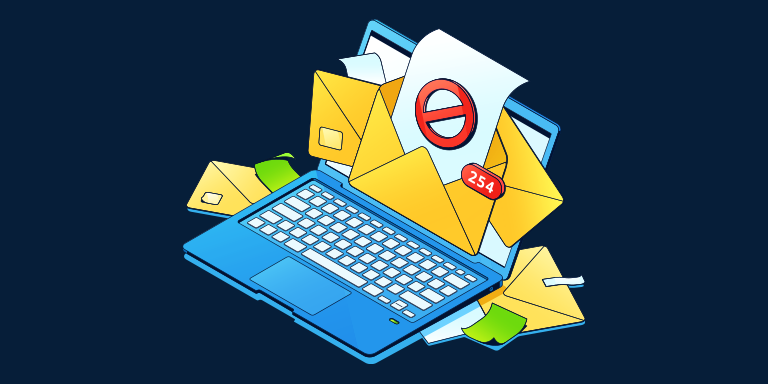
List hygiene is rarely discussed in boardrooms, yet it is arguably the most effective tool for protecting long-term deliverability. Over time, every list accumulates "dead weight"—old addresses, defunct accounts, and abandoned emails. These contacts serve no purpose other than to drag down your engagement metrics.
The Strategy for a Cleaner List
The most effective way to improve deliverability is to remove the dead weight. Run a re-engagement campaign for any subscriber who hasn’t opened or clicked in the last 90 to 180 days. If they fail to respond, remove them. It feels counterintuitive to shrink your list, but a smaller, highly engaged list will always outperform a bloated one in terms of inbox placement.
Furthermore, consider implementing a double opt-in process. While it may slightly slow your initial list growth, it ensures that every subscriber has verified their intent to hear from you. This simple step creates a foundation of high-quality leads that are significantly less likely to mark your emails as spam.
The Role of Engagement Signals
ISPs act as the gatekeepers of the modern internet. They don’t just look at your technical authentication; they monitor how real human beings interact with your content. When a subscriber clicks a link, replies to your message, or moves an email from the spam folder to the primary inbox, these are positive signals. They inform the ISP that your brand is valuable.
Conversely, "silence" is a dangerous signal. If you are sending thousands of emails to a list where 90% of the recipients are not opening them, the ISPs take notice. This is why the "Welcome Series" is the most critical sequence in your entire email marketing strategy. The first three emails you send to a new subscriber set the tone for the entire relationship. If you win their engagement early, you build a positive reputation that pays dividends for months to come.
Content Habits That Trigger Filters
Modern spam filters have evolved far beyond simple keyword detection (e.g., flagging the word "free"). Today’s filters utilize sophisticated machine learning to analyze the "DNA" of your email. They look at HTML structure, image-to-text ratios, and patterns of engagement.
To ensure your emails land where they belong, avoid these common traps:
- Over-reliance on Images: Emails that are entirely composed of one large image often fail to pass spam filters because the text cannot be read by the ISP. Aim for a healthy balance of text and visuals.
- Deceptive Subject Lines: Using "Re:" or "Fwd:" to imply an existing conversation when one does not exist is a classic spam tactic. It may earn an open today, but it will kill your reputation tomorrow.
- Inconsistent Sending Cadence: Sending a massive blast once a month followed by a week of silence, then another massive blast, creates "spiky" traffic patterns that can look like bot activity to ISP algorithms. Consistency is key.
Implications for the Future of Ecommerce
The era of "spray and pray" email marketing is effectively over. As privacy laws tighten and ISPs prioritize user experience, the barrier to entry for the inbox is only going to rise. The founders who succeed in the coming years will not be those who have the largest lists, but those who have the most authentic relationships with their subscribers.
Deliverability is not a one-time project; it is a maintenance discipline. It requires an ongoing commitment to list health, consistent engagement, and strict adherence to technical standards. By treating your email program as a long-term asset rather than a short-term sales lever, you protect your ability to reach your customers directly.
For those looking to gain a competitive edge, platforms like Omnisend provide the infrastructure necessary to navigate this landscape. By offering integrated deliverability monitoring, automated list-cleaning tools, and smart-sending features, these platforms allow founders to focus on their brand identity while the technology ensures the message actually reaches its destination.
Building a business is difficult enough without your own marketing efforts working against you. By mastering these deliverability fundamentals, you ensure that when you hit that "send" button, your message doesn’t just reach a server—it reaches the customer.
 Nana
Nana  Ammar Sabilarrohman
  Reynand Wu