
 By Asep Darmawan
In the modern digital landscape, the inbox has become the most contested real estate on the internet. For years, the prevailing wisdom in ecommerce has been simple: optimize for the conversion. Build a list, deploy aggressive automated flows, and maximize the return on every subscriber. While this transactional approach generates revenue, it creates a fragile business model—one that remains vulnerable to the rising costs of customer acquisition and the ever-changing whims of social media algorithms.
The most resilient brands are now shifting their strategy. They are moving away from treating their email list as a static database of potential buyers and are instead viewing it as a dynamic, living community. This shift is not merely a branding exercise; it is a fundamental reconfiguration of the relationship between a business and its customers. By fostering genuine connection, these brands are building long-term loyalty that survives market fluctuations and increased competition.
The Paradigm Shift: List vs. Community
To understand the evolution of email marketing, one must first distinguish between a "list" and a "community." A list is a collection of email addresses—a digital ledger of people who have, at some point, expressed interest in a product. It is inherently one-directional. A community, however, is a collective of individuals who feel a sense of belonging, shared purpose, and personal investment in the brand’s journey.
The gap between these two concepts is defined by intent. Most ecommerce programs are built around the funnel: welcome sequences, browse abandonment reminders, cart recovery, and win-back campaigns. While this infrastructure is necessary for survival, it is insufficient for long-term growth. When a brand treats its subscribers strictly as sources of revenue, the subscriber eventually senses that transactional coldness. Conversely, when a brand treats the inbox as a relationship channel, it creates a "sticky" ecosystem where customers stay, advocate, and return, regardless of what a competitor offers.
Chronology of a Relationship: Building Trust Over Time
The transition from transactional marketing to community-building follows a predictable, yet nuanced, timeline of engagement.
Phase 1: The Invitation and Alignment
The journey begins at the point of subscription. Rather than bombarding a new lead with discount codes and high-pressure sales copy, effective community-building starts by establishing a shared identity. Brands that succeed here often share their "why" immediately—explaining the philosophy behind the company, the problems they intend to solve, and the values they uphold.
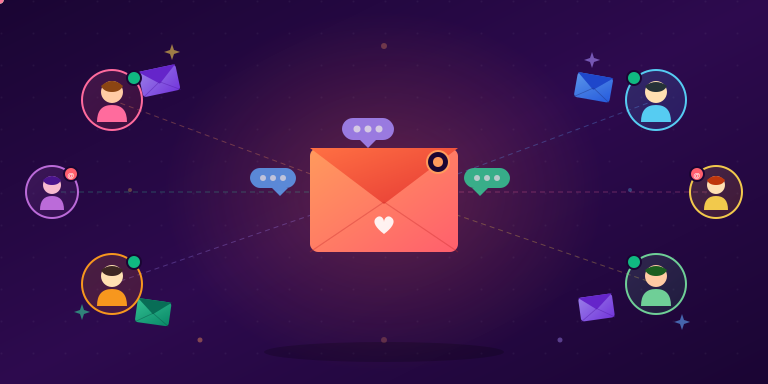
Phase 2: The "Insider" Experience
Once trust is established, the brand must reward the subscriber for their attention. This is achieved through transparency. By inviting subscribers behind the curtain—sharing the struggles of product development, the rationale behind a packaging change, or the honest details of a failed launch—the brand transitions the subscriber from an observer to an active participant.
Phase 3: The Feedback Loop
In the third phase, the communication becomes truly bidirectional. The brand begins to solicit feedback, not just through cold surveys, but through direct, human-to-human conversation. This phase marks the point where the subscriber realizes their opinion has tangible weight within the company’s decision-making process.
Phase 4: Advocacy and Sustenance
In the final stage, the customer becomes an advocate. They are no longer just buying products; they are defending the brand, sharing its content, and bringing others into the fold. This is the ultimate goal of community-building: creating a flywheel of organic growth that functions independently of paid advertising.
Supporting Data: Why Engagement Matters More Than Clicks
The financial implications of building community are significant. While click-through rates (CTR) and conversion rates are standard KPIs, they often mask deeper issues of customer attrition.
Data suggests that brands with high "Community Quotient"—defined by metrics like reply rates and forward rates—experience lower churn and higher Customer Lifetime Value (CLV).
- The Power of Replies: A high reply rate is the strongest indicator of a healthy, two-way relationship. When subscribers take the time to type a response, they are signaling a level of investment that a mere click cannot capture.
- The Referral Effect: Forward rates represent the "social currency" of a brand. When a subscriber forwards an email to a friend, they are effectively offering a personal recommendation, which is the most potent form of marketing available.
- Retention Metrics: Consistently low unsubscribe rates during non-promotional, content-led emails indicate that the audience values the brand’s voice, not just its discounts.
The Role of Founder-Led Communication
One of the most effective, yet underutilized, tools in the community-building arsenal is the founder-led email. In an era of polished, high-production newsletters, there is a growing demand for authenticity. A plain-text email, written in a personal voice, often cuts through the noise more effectively than a heavily designed template.
Founders who write directly to their audience—admitting mistakes, sharing personal anecdotes, and asking for input—humanize the brand. This humanization is the bedrock of community. It signals that there is a person, not a faceless corporation, behind the product. This creates an emotional contract with the subscriber, making them feel like they are supporting a vision rather than just purchasing an item.
Strategic Implications for Modern Brands
What does this mean for the future of ecommerce marketing? It suggests that the role of the marketer is evolving from a "sales closer" to a "community architect."
- Prioritize Voice Over Tactics: A brand’s voice should be consistent across all channels. If a subscriber can identify your brand’s voice without seeing the logo, you have successfully established an identity. This identity is what makes a subscriber stay when a cheaper alternative arrives in their feed.
- Infrastructure as an Enabler: The technical side of email—segmentation, automation, and analytics—should be used to facilitate these relationships, not replace them. Tools like Omnisend allow brands to automate the heavy lifting of transactional emails, freeing up the team to focus on high-touch, human-centric communications.
- The "Listen-First" Policy: The most successful companies are those that listen more than they broadcast. Whether through dedicated reply-based campaigns or simply making it easy for customers to hit "reply" and start a conversation, the ability to listen is the defining characteristic of a community-focused organization.
Conclusion: The Path Forward
Building a community through email is not an overnight task. It requires a fundamental shift in perspective: from viewing subscribers as a means to an end to viewing them as partners in the brand’s mission. While it requires more effort than a simple blast-and-convert strategy, the long-term payoff is a more stable, loyal, and profitable business.
By treating the inbox as a space for conversation, transparency, and shared growth, founders can build a brand that is truly "anti-fragile." In a world where customer acquisition costs are skyrocketing and digital platforms are increasingly unpredictable, your email list remains your most valuable asset—provided you treat the people on it with the respect and attention they deserve.
Ultimately, the most successful brands are those that make their subscribers feel like they are part of something larger than themselves. When a customer feels like an insider, they don’t just buy; they belong. And in the world of modern commerce, belonging is the strongest competitive advantage a brand can possess.
 Suro Senen
  Evan Lee Salim
  Ammar Sabilarrohman