
 By Lina Irawan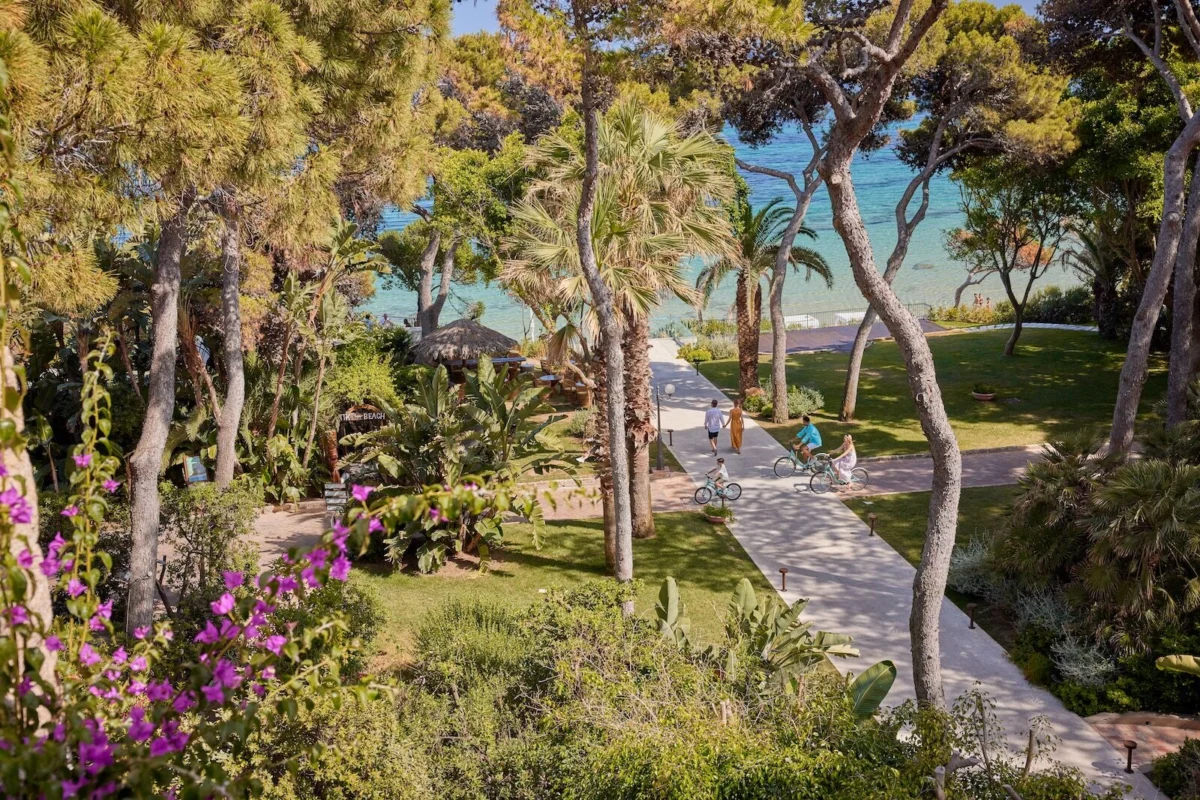
Pickleball. You either love the rhythmic pop-pop-pop of the paddle, or you are deeply exhausted by your friends’ relentless evangelism regarding the sport. As the fastest-growing pastime in the United States, pickleball has transcended its origins as a casual gym-class distraction to become a cultural phenomenon. Yet, for many adults, the hurdle to entry remains surprisingly high: finding the time to learn, securing a court, and—perhaps most intimidating—finding a patient instructor.
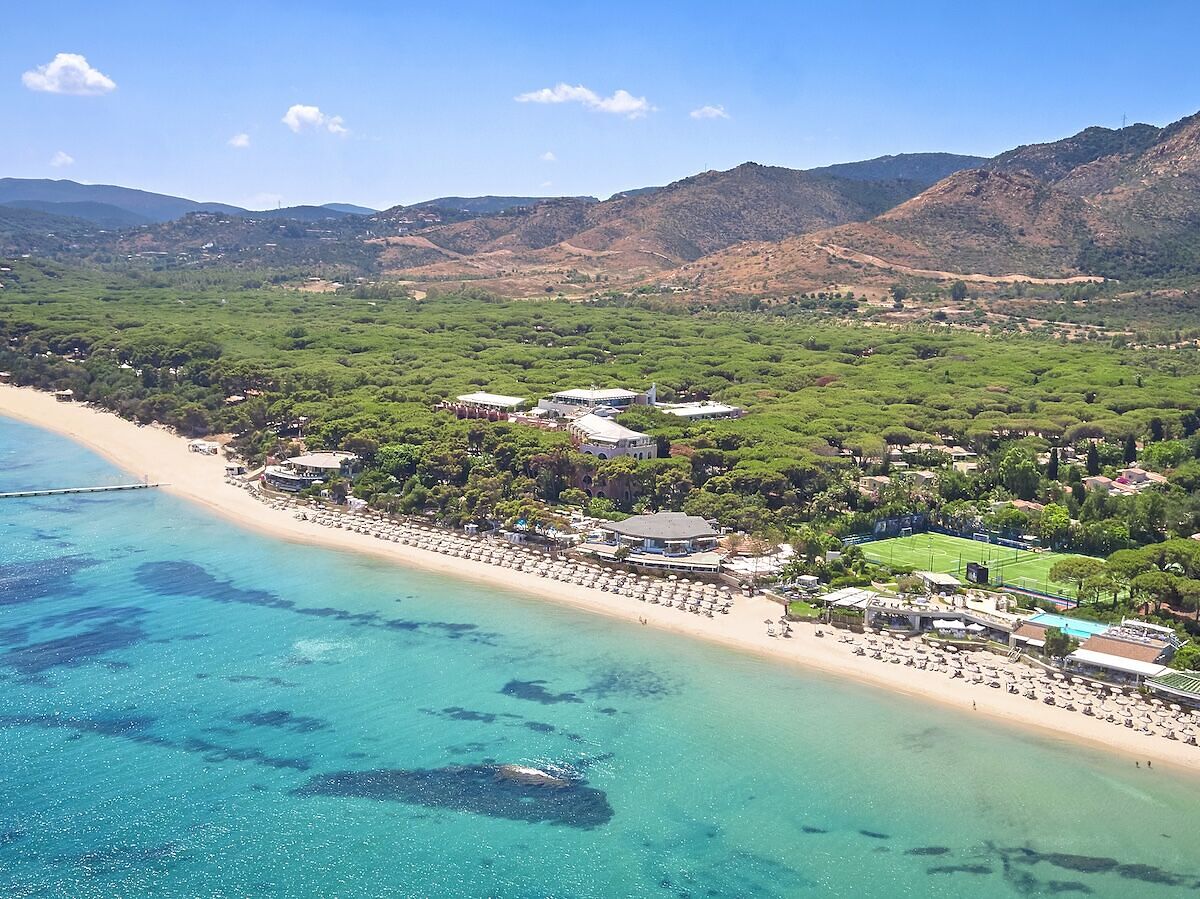
I found my answer to these challenges in the most unlikely of places: a sprawling, sun-drenched estate on the coast of Sardinia. Forte Village, a legendary Italian resort, has reinvented the traditional luxury vacation by integrating high-intensity skill acquisition into the Mediterranean holiday experience. It is a concept I’ve dubbed the "skillcation," and it may well be the future of purposeful travel.
The Anatomy of a Skillcation: Beyond the Beach
While most luxury resorts market themselves on the premise of "doing nothing," Forte Village operates on a different frequency. Spanning 123 acres, the property is designed to function less like a static hotel and more like an elite summer camp for adults and families.
The core philosophy here is simple: instead of spending your entire vacation staring at the horizon, you spend a portion of your day mastering a craft. Whether it is fencing, sailing, mountain biking, or DJing, the resort provides the infrastructure for professional-grade instruction. This is not about casual, half-hearted activities led by a summer intern; the resort boasts 31 dedicated "academies," many staffed by former Olympians, world champions, and high-level professional coaches.
Chronology of a Sardinian Training Camp
My three-day sojourn was a blur of activity, strategically designed to balance the rigor of learning with the indulgence of the Italian lifestyle.
Day One: The Pickleball Baptism
My journey began on the pickleball court. Having signed up for an intensive lesson, I was paired with a professional Russian coach. If you expect a soft introduction, look elsewhere. He was relentless, intense, and deeply committed to dismantling my subpar form.
There were no long breaks; there was only the ball, the net, and the next serve. If I missed a shot, another ball was already in flight before I could even catch my breath. By the end of the hour, I was physically exhausted and visibly flushed. My coach, observing my state with a wry grin and a thick accent, declared, "You look like a tomato." He was correct. But as I walked off the court, I felt a sense of genuine accomplishment. I had bypassed months of sporadic, unguided practice in a single hour.
Day Two: The Thalassotherapy Recovery
The physical toll of the previous day necessitated a visit to the resort’s famed thalassotherapy spa. Renowned for its six-pool saltwater circuit, the spa uses varying temperatures and mineral concentrations to accelerate muscle recovery. Floating between the steaming magnesium pools, I found myself in conversation with a group of regulars who have made this circuit a seasonal pilgrimage.
Beyond the relaxation, there is a tangible clinical benefit to the practice. Experts note that the mineral-rich saltwater helps lower heart rates and aids in the management of chronic pain—a perfect remedy for an amateur athlete nursing a "pickleball hangover."
Day Three: Exploring the Sardinian Rhythm
While the resort is a world unto itself, I recognized the importance of grounding my experience in the local culture. A staff member accompanied me to Spiaggia di Tuerredda, a beach accessible only by reservation to preserve its pristine state.
This excursion provided the necessary contrast to the intensity of the academies. We spent the afternoon navigating the shoreline, enjoying coffee in the local cafes, and observing the slower, deliberate pace of coastal Sardinian life. It served as a reminder that the "skillcation" model is not about isolation; it is about providing the tools to grow, while still leaving space to breathe.
Supporting Data: The Economics of Excellence
The scale of Forte Village’s offering is unique in the hospitality industry. Guests are not merely booking a room; they are buying access to a network of expertise.
- Pricing Structure: The model is tiered to accommodate both casual interest and deep-dive training. A single one-hour group lesson typically starts around €80 ($92), while specialized, multi-day certification courses—such as scuba diving—can run upwards of €1,050 ($1,220).
- The Pickleball Investment: For those looking to master the sport, a single private hour is priced at €110 ($128), while a five-day intensive course (90 minutes per day) is available for €700 ($813).
- Property Scope: With 21 restaurants, 11 pools, and eight distinct lodging categories, the resort is designed to support high-density activity without ever feeling overcrowded.
Official Perspectives on the "Active Luxury" Trend
Management at Forte Village suggests that the shift toward skill-based travel is a direct response to the "Type-A" traveler’s desire for efficiency. In an era where many professionals feel they lack the time to pursue hobbies at home, the resort acts as a "compressed training ground."
"We want to move beyond the passive vacation," one staff member explained. By providing the environment and the expert, the resort removes the friction that usually prevents adults from starting something new. The result is a high-energy, goal-oriented experience that appeals to parents who want their children to develop skills while they themselves explore new passions, whether that be in the kitchen with a pizza-making class or on the field with a soccer legend.
Implications for the Future of Travel
The rise of the skillcation has significant implications for the hospitality industry. It suggests a move away from the "generic beach hotel" toward specialized, activity-based destinations.
- The End of Passive Travel: Travelers are increasingly seeking "return on investment" for their time off. They want to return home with more than just a tan; they want a new skill, a certification, or a story of a personal breakthrough.
- The "Summer Camp for Adults" Model: Forte Village proves that high-end luxury and high-energy activity are not mutually exclusive. Families are drawn to properties where kids can roam safely on bikes to their own fencing or football lessons, allowing parents to reclaim their own autonomy.
- The Social Dynamic: While some travelers prefer the quiet solitude of a boutique hotel, the "skillcation" resort thrives on a communal energy. It is a place for the active, the curious, and those who don’t mind being the only person at the dinner table if it means they spent their day conquering a new challenge.
A Note for the Prospective Traveler
If you are considering a trip to Sardinia, recognize that this is a destination for the high-energy traveler. Those looking for an intimate, quiet boutique experience may find the sprawling nature of Forte Village overwhelming. However, if your ideal vacation involves pushing your boundaries—be it on a tennis court, in a boxing ring, or learning the intricacies of Italian viticulture—it is hard to imagine a more comprehensive environment.
To get there, most travelers fly into Cagliari Elmas Airport. From there, the resort offers seamless transfers. For those who find international travel grueling, I suggest a 24-hour buffer in the city of Cagliari. The historic architecture and local atmosphere of the city provide a necessary transition from the intensity of your home life to the "skill-focused" paradise of the coast.
In short, my trip to Sardinia was not just about learning a sport; it was about learning how to integrate curiosity back into the vacation cycle. Whether you are a "tomato" on the pickleball court or a novice sailor finding your sea legs, the skillcation movement is a compelling argument that the best way to relax is, paradoxically, to keep moving.
 Layla Zulfa
  Nana
Nana 