
 By Nana
In the modern American culinary landscape, the term "cowboy-style" has evolved into a powerful marketing shorthand. From jars of candied jalapeños labeled "cowboy candy" to compound butters slathered over high-end steaks, the label evokes images of the rugged, untamed West—a time of dusty trails, cast-iron skillets, and the indomitable spirit of the frontier. However, a culinary investigation reveals that while these dishes lean into the aesthetic of the 19th-century American West, they are rarely historical recreations. Instead, they represent a modern, romanticized evolution of an ethos born out of necessity: improvisation, caloric density, and utilitarian cooking.
Main Facts: What Defines "Cowboy" Cuisine?
To understand the "cowboy" label, one must first dismantle the myth. The actual diet of a 19th-century trail hand was far less glamorous than the hearty, cheese-laden meatballs or vibrant salsas found on today’s menus. Life on a cattle drive was defined by the limitations of the chuckwagon. Provisions were restricted to non-perishables that could withstand weeks of travel in harsh climates.
The staple diet of the authentic cowboy consisted largely of hardtack—a dense, long-lasting biscuit—often softened by dipping it into black coffee. If a cook was particularly skilled or the wagon was well-stocked, a meal might include dried beans, salted pork, or, on special occasions, canned peaches.
Modern "cowboy-style" cooking, by contrast, identifies itself not through specific ingredients, but through a methodology. The core pillars of this style are:
- Improvisation: Using whatever is at hand to create a filling meal.
- Heartiness: A focus on high-energy, calorie-dense foods designed to fuel labor-intensive days.
- Simplicity: Minimalist cooking techniques that prioritize speed and efficiency.
A Chronological Evolution of the Trail Diet
The history of cowboy cooking is rooted in the post-Civil War era, specifically the rise of the cattle drives of the 1860s and 70s.
The Chuckwagon Era (1866–1890)
Charles Goodnight, a Texas rancher, is credited with the invention of the chuckwagon in 1866. This mobile kitchen was the lifeline of the cattle drive. The "Cookie," or the chuckwagon cook, was arguably the most important person on the trail. Working with limited resources, they managed a "Dutch oven" ecosystem. Everything from sourdough bread to beef stew was prepared in heavy cast-iron pots over open flames.
The Transition to the 20th Century
As the frontier closed and cattle drives became less frequent, the lore of the cowboy grew in American culture. Western films and literature in the early 1900s cemented the image of the cowboy as a heroic figure. This cultural elevation shifted the perception of their food from "starvation rations" to "rugged comfort food."
The Modern "Cowboy-Style" Renaissance (1980–Present)
In the last few decades, the term has been reclaimed by the restaurant industry. It has become a catch-all for "rustic" flavors. The introduction of dishes like "Cowboy Caviar"—a bean-based salad popularized in the late 20th century—represents the final shift where the "cowboy" label is used to denote a rustic, potluck-style approach to vegetables rather than a meat-centric diet.
Supporting Data: The Disconnect Between Myth and Menu
When analyzing the modern culinary market, it becomes clear that "cowboy" is a stylistic choice rather than a historical one.
Case Study: Cowboy Candy
"Cowboy candy" (candied jalapeños) is perhaps the most glaring example of the branding disconnect. Sugar, in the 1800s, was a luxury item. On a long-haul cattle drive, preserving peppers in a heavy sugar syrup would have been both impractical and economically unfeasible. Yet, the name persists because it suggests a rugged, Southwestern flair that appeals to modern palates.
Case Study: Cowboy Butter
Similarly, "cowboy butter"—a compound butter incorporating ingredients like Worcestershire sauce, dijon mustard, and paprika—is a modern invention. While its roots can be traced to culinary techniques developed in urban centers like New York, the name serves to "masculinize" the dish. It suggests that this rich, savory condiment is fit for the palate of a man who has spent twelve hours in the saddle.
The Nutritional Reality
Historically, the cowboy diet was high in carbohydrates and sodium to maintain energy levels during physically demanding work. Modern "cowboy-style" recipes maintain this profile but often replace the salt-pork base with high-protein beans, fresh vegetables, and premium cuts of meat. The shift from "survival food" to "gourmet comfort food" is evident in the prevalence of these dishes in upscale gastropubs.
Official Perspectives: Chefs and Culinary Historians
Culinary experts often view the "cowboy-style" trend with a mixture of amusement and respect. Historians emphasize that while the ingredients have changed, the spirit of the Chuckwagon remains the soul of the genre.
"When you order a cowboy-style dish today," says one culinary analyst, "you aren’t ordering a history lesson. You are ordering a promise of satisfaction. You are paying for the idea of the open range, where food was a reward for hard work. Whether or not the 1880s cowboy actually ate corn and bell pepper salad is irrelevant to the diner who wants a hearty, accessible, and flavorful meal."
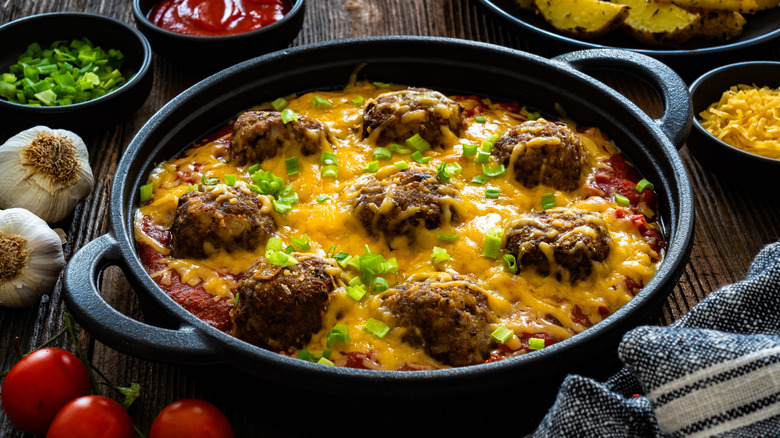
Chefs note that the "improvisational" aspect of the cuisine allows for significant creative freedom. Because there is no rigid "Cowboy Bible" for recipes, chefs feel empowered to experiment with spices and textures, provided the end result is filling and rustic.
Implications for Modern Cuisine
The enduring popularity of the "cowboy-style" label has several implications for the future of American comfort food:
1. The Rise of "Heritage Branding"
The success of cowboy-style recipes highlights a growing consumer preference for food with a narrative. Even if that narrative is partially fabricated, consumers feel more connected to a meal that has an identity. This has led to a surge in other "regional-style" marketing, such as "lumberjack" breakfasts or "homestead" stews.
2. Flexibility in Home Cooking
The "cowboy" ethos is inherently friendly to the home cook. Because the style is rooted in using "whatever is on hand," it encourages less food waste. Modern recipes for cowboy beans or skillet bakes often include "substitute notes," encouraging users to swap ingredients based on what they have in their pantry. This aligns with the modern sustainability movement, making the 150-year-old tradition surprisingly relevant to 21st-century environmental concerns.
3. The Democratization of Dining
"Cowboy-style" implies a lack of pretension. It suggests that a dish is meant to be eaten with a fork out of a bowl, perhaps while sitting on a tailgate or a patio. This informality is a key driver of its success in an era where fine dining is becoming less about white tablecloths and more about authentic, accessible experiences.
Conclusion
The "cowboy-style" recipe is a fascinating example of how culinary traditions are transformed by time and culture. While it has detached itself from the harsh, sparse realities of the 19th-century cattle trail, it has successfully preserved the philosophy of the trail. It remains a celebration of resourcefulness, the utility of the cast-iron skillet, and the universal human desire for a hearty, filling meal after a long day of work. Whether it is a bowl of black-eyed peas disguised as "caviar" or a slab of steak topped with a complex compound butter, these dishes serve as a tribute to an icon of the American West—one that is, in the end, as much about the spirit of adventure as it is about the food itself.
 Raul Delapena Setiawan
  Basiran