
 By Neng Nana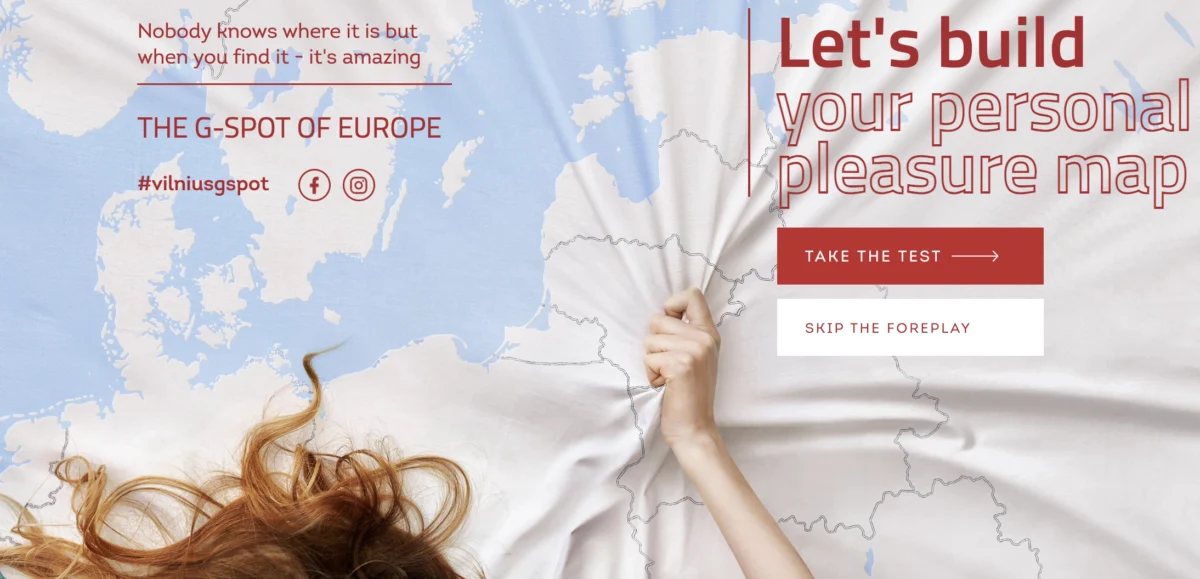
In the high-stakes world of modern brand management, the playbook is usually rigid: craft a pristine mission statement, conduct exhaustive focus groups, and project an image of infallible authority. Branding professionals spend careers chasing the "authentic" narrative, often resulting in polished, sterile campaigns that vanish into the digital noise.
Yet, tucked away in the gift shops of Vienna, a more potent strategy is hiding in plain sight. It is a simple fridge magnet that reads: "No Kangaroos in Austria."
This humble souvenir—which even found its way onto the main stage at the Eurovision Song Contest—is doing what most million-dollar branding strategies only dream of. It is self-aware, hilariously honest, and perfectly captures a global cultural quirk. By embracing the persistent, comical confusion between Austria and Australia, the country has managed to turn a geographical blunder into an identity. This phenomenon proves a radical truth in marketing: the most irresistible brands are not the ones that tell you who they are, but the ones that acknowledge, with a wink and a smile, what people think they are.
The Geography of Confusion: A Brief Chronology
The confusion between Austria and Australia is not a new phenomenon. It has been a persistent, global linguistic mishap for decades, fueled by the phonetic similarity of the two names.
- The Early Era: For the better part of the 20th century, the mix-up was largely a source of mild frustration for diplomats and international travelers.
- The Rise of the "Kangaroo" Souvenir: By the late 1990s and early 2000s, souvenir manufacturers in Vienna began mass-producing "No Kangaroo" merchandise. Rather than viewing the mistake as an insult, they identified a lucrative opportunity to monetize the error.
- The Digital Age: With the rise of social media, these souvenirs went viral. Travelers began sharing photos of the magnets, turning a localized joke into a global meme.
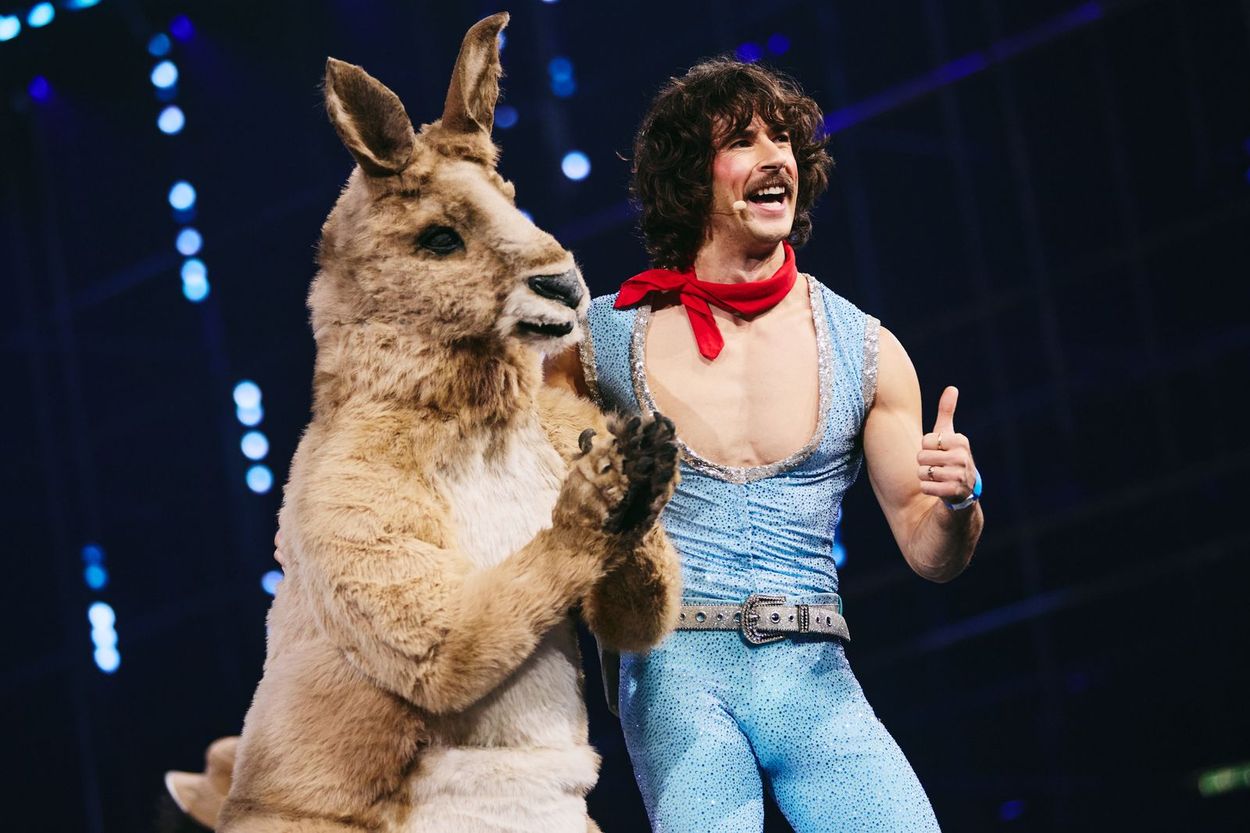
- Eurovision 2026: The pinnacle of this "embrace-the-error" strategy occurred during the 2026 Eurovision Song Contest hosted in Austria. Producers leaned heavily into the joke, featuring a skit that poked fun at the confusion, effectively nationalizing the self-deprecating humor.
Supporting Data: Why Self-Deprecation Works
Psychologically, self-deprecating humor signals high levels of confidence. When a brand—or in this case, a nation—can laugh at its own expense, it disarms the consumer.
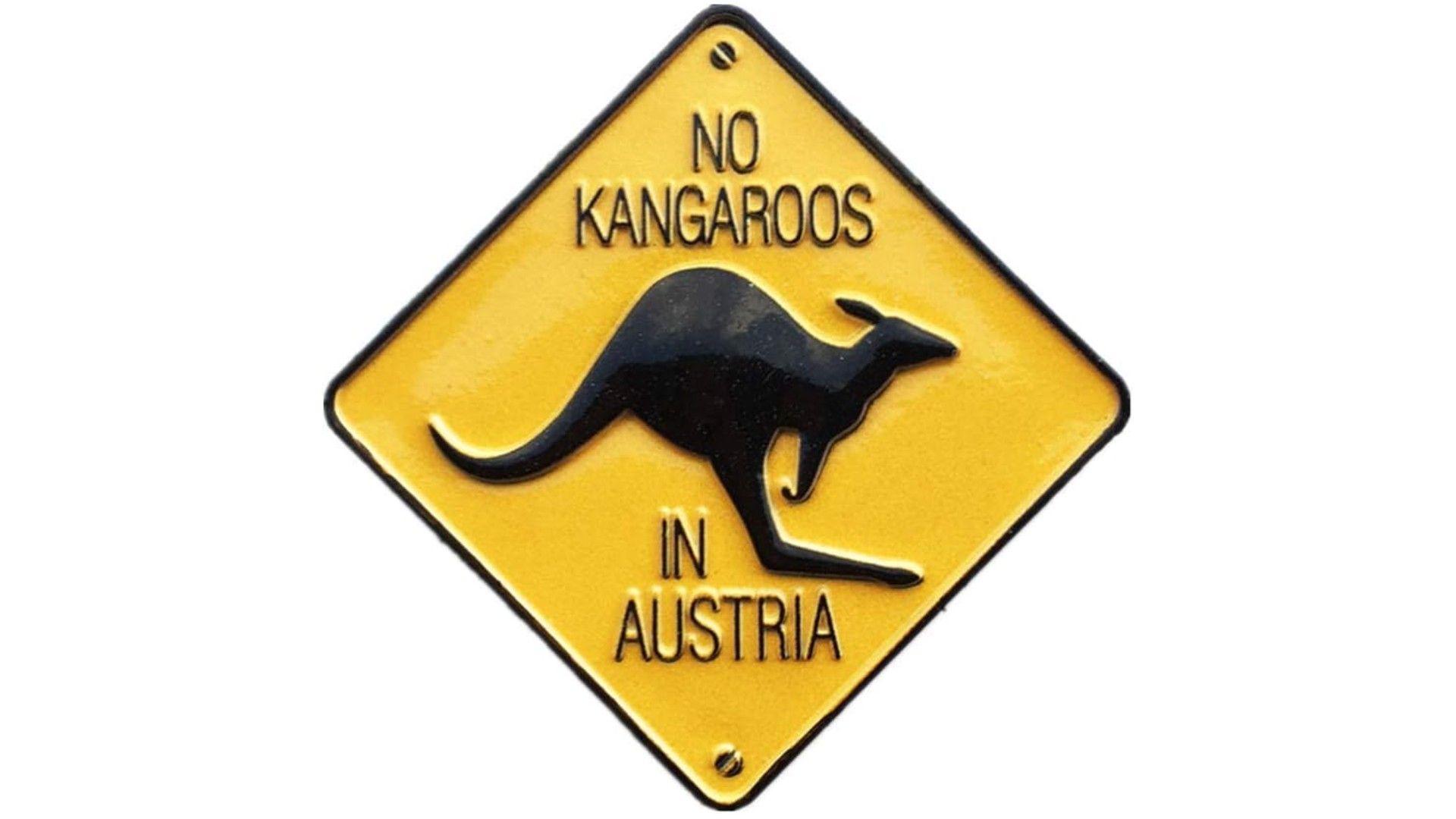
Data from the field of consumer psychology suggests that "in-group" humor creates a powerful bond between the brand and the audience. By selling a magnet that says "No Kangaroos in Austria," the shop owner is essentially inviting the tourist into a secret club of people who are "in on the joke."
Consider the success of Vilnius, the capital of Lithuania. When the city launched its "G-spot of Europe" campaign—arguing that "nobody knows where it is, but when you find it, it’s amazing"—they were not merely using shock value. They were leveraging the "underdog effect." By acknowledging their lack of global name recognition, they transformed their obscurity from a liability into a badge of discovery for adventurous travelers.
Case Studies in Strategic "Oops" Branding
Austria and Vilnius are not alone in this strategy. Geography and history are rife with examples of nations and regions leaning into their misperceptions to build a stronger brand identity.
1. The Panama Hat Paradox
Perhaps the most famous example of accidental branding is the "Panama hat." Despite the name, these iconic straw hats are historically and artisanally tied to Ecuador. They were branded as "Panama" hats simply because they were shipped through the Panama Canal, where they were stamped by customs officials. While Ecuador has often expressed frustration at the misattribution, Panama embraced the narrative, building a massive tourism industry around the accessory. The lesson? A brand’s identity is often defined more by its global perception than by its actual origin.
2. The "Get New Zealand On The Map" Campaign
New Zealand has long suffered from a cartographic curse: it is frequently cropped off world maps, from global weather reports to the closing ceremony of the Paris Olympics. Rather than issuing dry, diplomatic protests, Tourism New Zealand launched the #GetNewZealandOnTheMap campaign. They featured high-profile celebrities, including the Prime Minister, to "investigate" the disappearance of their country. They turned a slight into a global viral sensation, securing millions of dollars in earned media coverage.
3. The Slovenia-Slovakia Mail Swap
A persistent, if slightly apocryphal, piece of lore suggests that the embassies of Slovenia and Slovakia meet monthly to exchange misdirected mail. Whether or not the logistics are exactly as described, both nations have leaned into the story. By acknowledging the confusion, they cultivate a sense of shared humanity that feels much more approachable than a traditional, rigid state image.
Official Responses and Strategic Implications
The shift toward self-aware branding has significant implications for how countries and corporations manage their public image. Traditionally, the state-sponsored tourism approach involved "aspirational" marketing: high-definition shots of mountains, clean streets, and smiling families.
However, in an era of cynicism and information overload, this approach often feels detached from reality. When a city or country admits its flaws, it gains credibility. The "official" response from tourism boards now increasingly mirrors the language of a tech startup or a lifestyle brand. They are pivoting from "We are the best" to "We are interesting, and we know you have questions."
For the creative professional, the takeaway is clear:
- Identify the Misconception: What are people already saying about you? Is there a persistent myth or error?
- Lean In, Don’t Correct: If people are already making the joke, trying to stop them is a waste of resources. Owning the narrative allows you to steer it.
- Monetize the Awareness: If the joke can be put on a T-shirt, a magnet, or a social media caption, you have effectively turned a communication challenge into a revenue stream.
The Future of Brand Authenticity
As we look toward the future of global branding, the brands that win will be the ones that exhibit the most emotional intelligence. We are moving past the era of the "perfect" brand. In its place is the era of the "honest" brand—one that is secure enough to say, "Yes, we know you think we’re Australia. We’re actually Austria, and here’s why that’s a fun story."
This strategy requires a departure from traditional brand guidelines. It requires legal teams to be slightly less litigious and marketing teams to be slightly more irreverent. It requires a fundamental shift in perspective: from viewing the audience as someone to be lectured, to viewing them as someone to be entertained.
Conclusion: Lessons for Every Industry
Whether you are a nation-state trying to boost tourism or a startup trying to find your voice in a crowded market, the "Kangaroo" principle remains the same. Audiences are tired of being sold to by entities that take themselves too seriously. Confidence is not the absence of errors; confidence is the ability to acknowledge those errors and own them completely.
As the world continues to shrink, the "No Kangaroos in Austria" approach proves that the most powerful branding tool isn’t a glossy brochure or a massive advertising budget. It is the ability to connect with the human experience—the confusion, the jokes, and the shared realization that sometimes, the best way to be known is to embrace being misunderstood.
So, for those brands still hiding behind six-figure strategy documents and rigid mission statements: take a look at the gift shop. You might find that your best brand identity isn’t in a boardroom—it’s in the joke you’ve been trying to correct all along.
 Lina Hope
  Reynand Wu
  Pevita Pearce