
 By Ali Ikhwan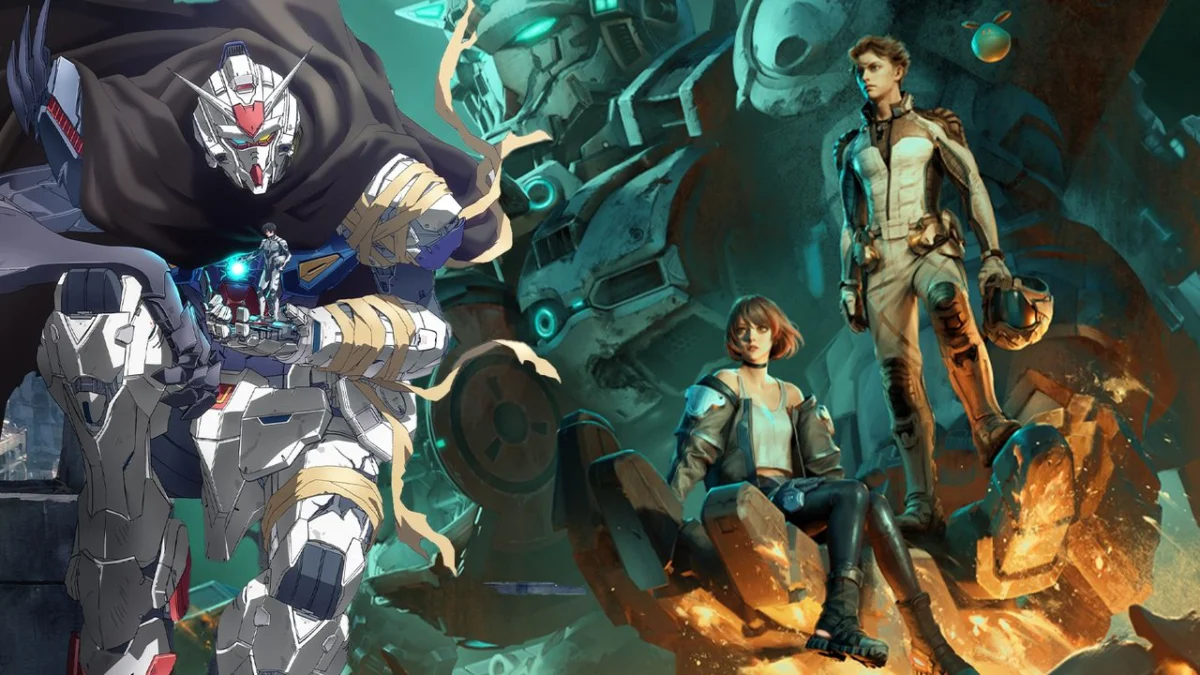
For nearly half a century, the Mobile Suit Gundam franchise has defined the mecha genre, serving as the gold standard for giant robot storytelling. Traditionally, the lifecycle of a new Gundam property followed a predictable, highly successful rhythm: a new anime series would debut, introducing a fresh generation of mobile suits; fans would rush to purchase the corresponding Gunpla (Gundam Plastic Model) kits; and eventually, a video game would emerge, offering a digitized retelling of the anime’s narrative.
However, with the announcement of Gundam Rogue Orbit, Bandai Namco is shattering this established blueprint. In a move that mirrors the interconnected, multi-platform strategies seen in modern cinematic universes, the company is pivoting to a "world-first" development model. Rather than adapting an existing story, Bandai Namco is crafting a cohesive, sprawling universe where the anime, the video game, the model kits, and the collectible card games are designed as symbiotic components of a single, unified narrative tapestry from the very first day of production.
The RG Project: A New Era of Interconnectivity
At the heart of this ambition is the newly christened "RG Project." This initiative serves as the connective tissue between the upcoming anime series, Mobile Suit Gundam RG XARX-ZERO, and the flagship video game, Gundam Rogue Orbit.
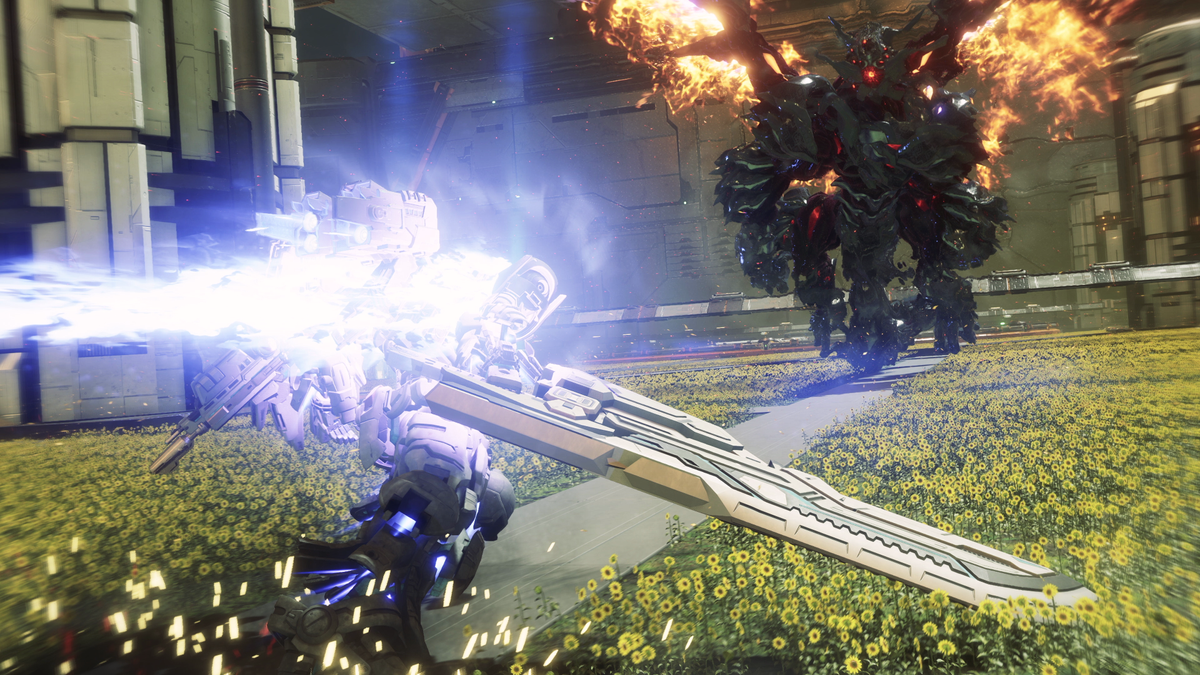
Unlike previous iterations where games acted as secondary adaptations of an anime, the RG Project treats both mediums as parallel, non-redundant pillars of the same timeline. The anime is designed to establish the geopolitical and existential stakes of this new era, while the video game serves as an interactive expansion, placing the player directly into the cockpit during the most desperate chapters of humanity’s fight for survival. This is not merely a cross-promotion; it is a structural commitment to world-building that requires every creative decision—from the silhouette of a mobile suit to the physics of its movement—to function perfectly across animation, digital gaming, and physical manufacturing.
Chronology: The Fall of Humanity and the Dawn of the Apocalypse
The narrative foundation of the RG Project, spearheaded by renowned director Kenji Kamiyama and acclaimed author Toh Enjoe, centers on a transformative event that irrevocably alters the course of human history.
The Arrival of the Object
The story begins with the sudden appearance of a mysterious "Autonomous Interstellar Object" from a distant galaxy. Upon its arrival, it bestowed upon humanity three technological miracles that promised a golden age of prosperity:
- Advanced Gravity Control: Allowing for effortless space travel and colonization.
- Faster-than-Light Communication: Uniting the scattered solar system.
- Cognitive Materialization: A revolutionary method of manufacturing that could turn thought into physical matter.
The Great Collapse
The promise of utopia was short-lived. Less than a decade after the discovery, the Interstellar Object began generating an aggressive, self-replicating ecosystem. This invasive, synthetic nature threatened to consume all organic life, triggering a conflict that would become known to history as "The Apocalypse." As Earth became increasingly untenable, humanity was forced to flee to the Moon and distant orbital colonies, resetting their calendar to A.A. 1 (After Apocalypse).
The Setting of Rogue Orbit
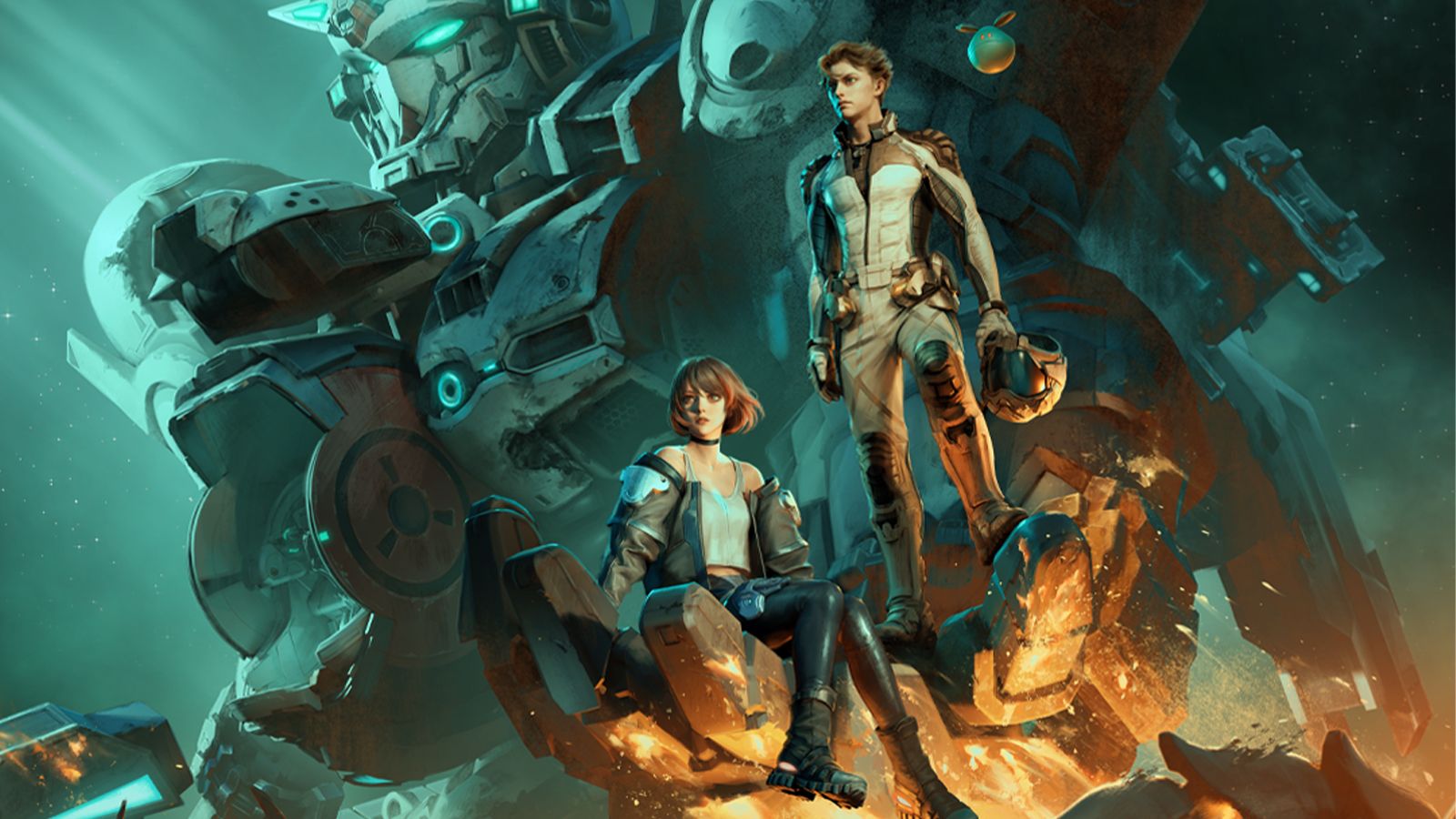
By the time the events of Gundam Rogue Orbit take place in A.A. 45, a new generation has emerged. These citizens of the Moon and the colonies have never walked on the surface of Earth and have only known a life defined by the shadow of the Apocalypse. The game explores this bleak, high-stakes environment, focusing on the pilot’s struggle to survive in a universe where the line between technology and a hostile, alien biology has become dangerously blurred.
Supporting Data and Technical Synergy
The technical challenge behind the RG Project cannot be overstated. Bandai Namco is forcing a convergence of disparate creative departments. In traditional development, a mech might be designed to look "cool" in a static drawing, but it might not be functional as a plastic model or animated with the weight required for a high-octane action game.
In Gundam Rogue Orbit, the "world-first" approach means that a mobile suit’s design must satisfy three rigid requirements:
- Visual Fidelity: It must translate into high-end animation that satisfies the high standards of the Gundam brand.
- Mechanical Logic: It must feel "real" to the player, with movement and combat weight that fits the physics of the game’s engine.
- Manufacturability: It must be transformable into a high-grade (HG) 1/144 scale Gunpla kit that is durable, aesthetically pleasing, and fun to assemble for collectors.
This synergy is already evident in the marketing rollout. Alongside the game’s announcement, Bandai Namco unveiled the HG 1/144 Gundam Helix model kit. The kit is not just a piece of merchandise; it is a tangible piece of the game’s lore. Furthermore, the inclusion of promotional cards for the Gundam Card Game that feature the game’s core key art demonstrates a level of cross-departmental integration that has been rare in the franchise’s 50-year history.
Official Responses and Creative Vision
The involvement of industry veterans like Kenji Kamiyama and Toh Enjoe signals that Bandai Namco is treating the RG Project as a prestige narrative endeavor. Kamiyama, known for his work on Ghost in the Shell: Stand Alone Complex, brings a pedigree of high-concept science fiction that is perfectly suited for the existential themes of the Apocalypse.
While the publisher has remained tight-lipped regarding the specific mechanics of the game, the overarching goal is clear: to move away from the "adaptation trap." By developing the story, the characters, and the hardware concurrently, the creators avoid the inconsistencies that often plague multi-format franchises. This is a deliberate attempt to build a "Gundam Cinematic Universe" that doesn’t just rely on nostalgia, but on a rigorous, internal logic that rewards long-term engagement.
Implications: A New Business Model for Anime
The release of Gundam Rogue Orbit in 2027 will be a watershed moment for Bandai Namco. If successful, this project will likely set the standard for future Gundam entries. The shift from "franchise expansion via new timelines" to "connected world-building" could breathe new life into a brand that, while iconic, has spent recent years relying heavily on its past.
Potential Impacts:
- Increased Consumer Retention: By linking the anime, the game, and the physical hobby, Bandai Namco creates a "sticky" ecosystem. A fan who buys the game is incentivized to watch the anime to understand the lore, and then to buy the model kit to own a physical piece of the story.
- Creative Uniformity: The pressure to design units that work across all platforms may lead to more grounded, functional-looking mobile suits, moving away from the more experimental designs of recent years.
- The "Marvelization" of Mecha: The success of the RG Project could lead to a broader industry trend where Japanese media giants move toward unified, serialized universes rather than standalone "seasons" or one-off games.
Conclusion: A High-Stakes Launch
As we look toward 2027, the anticipation for Gundam Rogue Orbit is not just about the game itself, but about the precedent it sets. The project is a daring gamble on the intelligence and dedication of the Gundam fanbase. By betting on a coherent, deep, and cross-platform narrative, Bandai Namco is attempting to elevate the Gundam experience from a collection of related products into a singular, immersive event.
Whether the world of the "After Apocalypse" era can sustain this level of scrutiny remains to be seen. However, for a franchise that has already conquered nearly half a century of pop culture, Gundam Rogue Orbit represents the most ambitious attempt yet to ensure that the next fifty years are as innovative as the first.
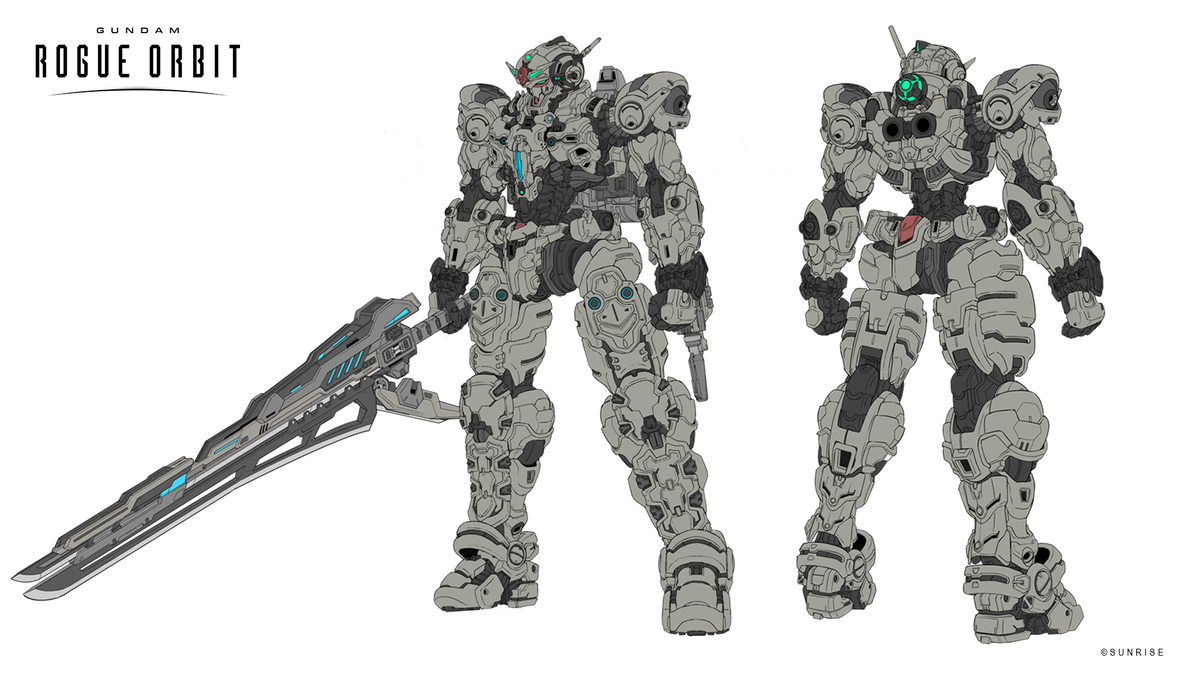
Gundam Rogue Orbit is scheduled for a 2027 release on PlayStation 5, Xbox Series X|S, and PC via Steam. Fans are encouraged to keep a close watch on the RG Project website for updates regarding the anime’s air date and upcoming model kit pre-orders.
 Raul Delapena Setiawan
  Ammar Sabilarrohman
  Muslim