
 By Laily UPN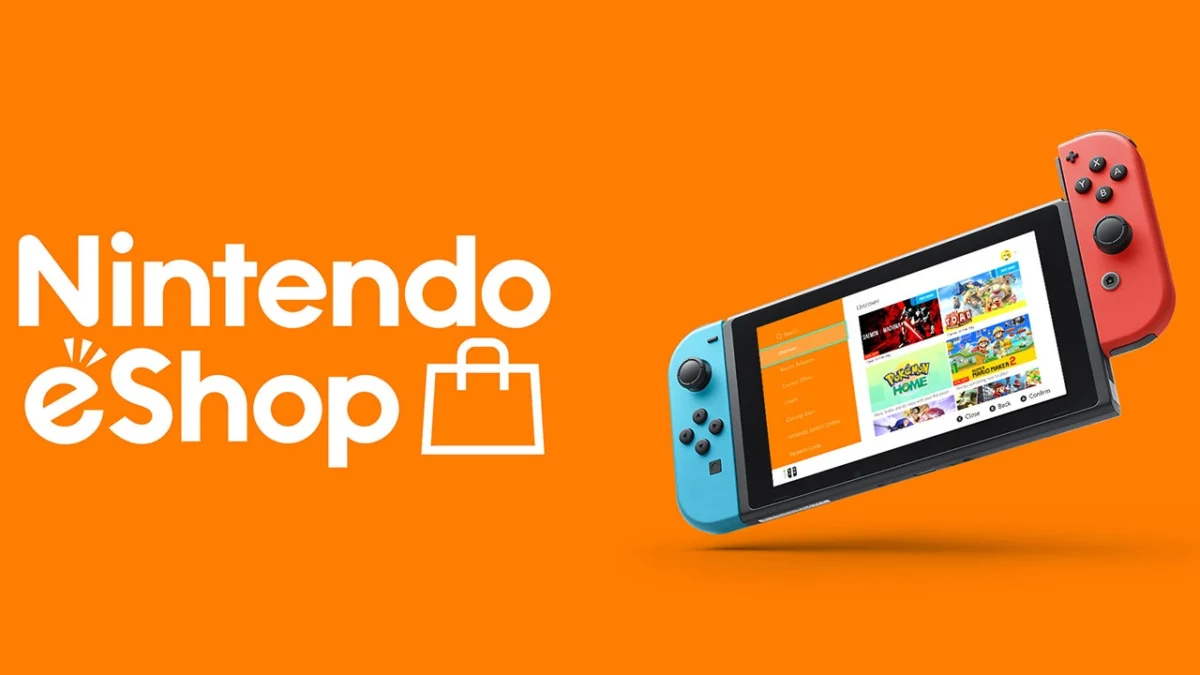
Even as the industry pivots toward the next generation of hardware—with rumors and reports regarding the "Switch 2" reaching a fever pitch—Nintendo has delivered a poignant reminder that the original Nintendo Switch remains a titan of the gaming landscape. In a move that has caught many by surprise, the company has released system update Ver. 22.5.0, fundamentally overhauling the Nintendo eShop experience for the original console. This update, which effectively replaces the sluggish, web-based storefront with a snappy, native application, signals a commitment to the massive install base that continues to drive the Switch’s commercial success.
The Core Transformation: A Native eShop Experience
For years, the Achilles’ heel of the Nintendo Switch user interface was the eShop. Built upon a browser-based architecture, the storefront was notorious for its latency. Navigating through massive game libraries often felt like wading through molasses, with long loading times between pages, stuttering scrolls, and a general lack of responsiveness that discouraged casual browsing.
The latest system update, Ver. 22.5.0, addresses these complaints with surgical precision. By deploying a local eShop application—a design architecture already utilized by the newer, faster hardware released last year—Nintendo has eliminated the reliance on the console’s inefficient browser wrapper.
The result is a transformative experience. Users can now navigate the storefront with a fluidity that was previously impossible. Scrolling through the "New Releases" or "Sales" tabs is instantaneous, and the overall navigation feels cohesive with the console’s operating system. As evidenced by early demonstrations from tech observers, the "night and day" difference in speed is palpable, potentially revitalizing the digital ecosystem for the console’s remaining lifecycle.
Chronology: A History of Storefront Struggles and Evolution
The trajectory of the Nintendo Switch eShop has been a long-standing point of friction between Nintendo and its community. To understand the significance of this update, one must look back at the store’s development history:
- 2017: The Launch Era. The Switch launched with a minimalist eShop. At the time, the library was small, and the browser-based implementation felt adequate. However, as the digital library exploded into the thousands, the foundation began to show cracks.
- 2018–2021: Growing Pains. As the Switch became the primary home for indie developers, the eShop grew increasingly cluttered. Nintendo introduced several UI tweaks—such as improved search filters and "Best Seller" charts—but the underlying technical framework remained unchanged. Performance degraded as more dynamic content, trailers, and large-scale banners were added to the storefront.
- 2023: The Switch 2 Precedent. With the release of the newer hardware last summer, Nintendo introduced a native eShop app. It was fast, responsive, and set a new standard for what a console storefront should feel like in the modern era.
- 2024–2025: Parity and Optimization. With the original Switch approaching the 20 million units sold mark in recent fiscal forecasts, Nintendo clearly recognized the need to provide parity. The release of Ver. 22.5.0 marks the final convergence of the original Switch’s UI with the modern standard established by its successor.
Supporting Data and Technical Implications
Beyond the performance speed, the update introduces structural changes that align the Switch with modern security and aesthetic standards.
The Aesthetics of Integration
The inclusion of "Basic Dark" theme support is more than a cosmetic flair. By allowing the eShop to match the console’s system-wide dark mode, Nintendo is fostering a more unified user interface. This reduces eye strain and provides a more premium feel, moving away from the stark, blinding white interface that defined the early days of the console.
Security and Accessibility
The introduction of PIN-based access for the eShop and saved payment methods is a significant quality-of-life improvement. Previously, users were required to input their account password for every transaction—a cumbersome process that often deterred impulse purchases and frustrated adult users.
The new PIN system serves two primary functions:
- Reduced Friction: By allowing a simple PIN, the friction associated with digital purchasing is drastically reduced, which is statistically proven to increase conversion rates for digital storefronts.
- Parental Controls: In an era where "accidental spending" by children has become a significant legal and PR issue for platform holders, the PIN provides a robust, easy-to-use barrier that allows parents to control access without compromising the convenience of the store for themselves.
Official Responses and Industry Context
While Nintendo’s patch notes for Ver. 22.5.0 remain characteristically succinct—focusing on "general system stability improvements"—the industry impact is being felt across the board. Nintendo has maintained a consistent policy of letting their software updates speak for themselves, but the timing is telling.
Industry analysts suggest that this update is a strategic maneuver. By lowering the barrier to browsing, Nintendo is likely looking to maximize the "long tail" of the original Switch’s sales. As the company prepares for the transition to the next console generation, keeping the existing 140+ million install base engaged with the digital storefront is essential for maintaining revenue from third-party developers and publishers who rely on the eShop for visibility.
The Implications: Why This Matters for the Future
The implications of this update go far beyond a faster menu.
1. Sustaining the Ecosystem
With the "Switch 2" production ramping up, there is a natural fear that the original console will be relegated to a "legacy" device. This update explicitly refutes that. By investing engineering resources into a five-year-old storefront architecture, Nintendo is signaling that the original Switch will continue to be a primary revenue driver for years to come, likely operating in tandem with its successor.
2. A Lesson in User Experience (UX)
The original Switch eShop was a textbook example of how technical debt can negatively impact user behavior. Data from the pre-update era suggested that many users simply abandoned the storefront once it became too slow to browse. By fixing this, Nintendo is effectively opening a "digital front door" that had been partially closed for years. It will be fascinating to observe if third-party developers report a surge in sales for titles that were previously buried in the depths of a sluggish, unresponsive interface.
3. Bridging the Generational Divide
This update serves as a bridge. By adopting the UI standards of the next-gen hardware, Nintendo is ensuring that the transition for users between the original Switch and the Switch 2 will be seamless. When users eventually upgrade, the store interface will be familiar, reducing the cognitive load and making the new hardware feel like a natural evolution rather than a complete departure.
Conclusion
The release of system update Ver. 22.5.0 is a rare "win-win" for Nintendo and its users. It demonstrates that the company is listening to long-standing frustrations regarding performance, while simultaneously preparing its digital infrastructure for a multi-generational future.
For the millions of players who still turn to their original Switch to catch up on indie hits or digital sales, the eShop is no longer a chore—it is a functional, efficient, and pleasant experience. While the eyes of the gaming world are firmly fixed on the horizon and the promise of the Switch 2, Nintendo has proven that it hasn’t forgotten the console that redefined portable gaming. This update is not just a patch; it is a vote of confidence in the longevity of the original Switch.
 Nila Kartika Wati
  Asro
Asro 