
 By Lina Hope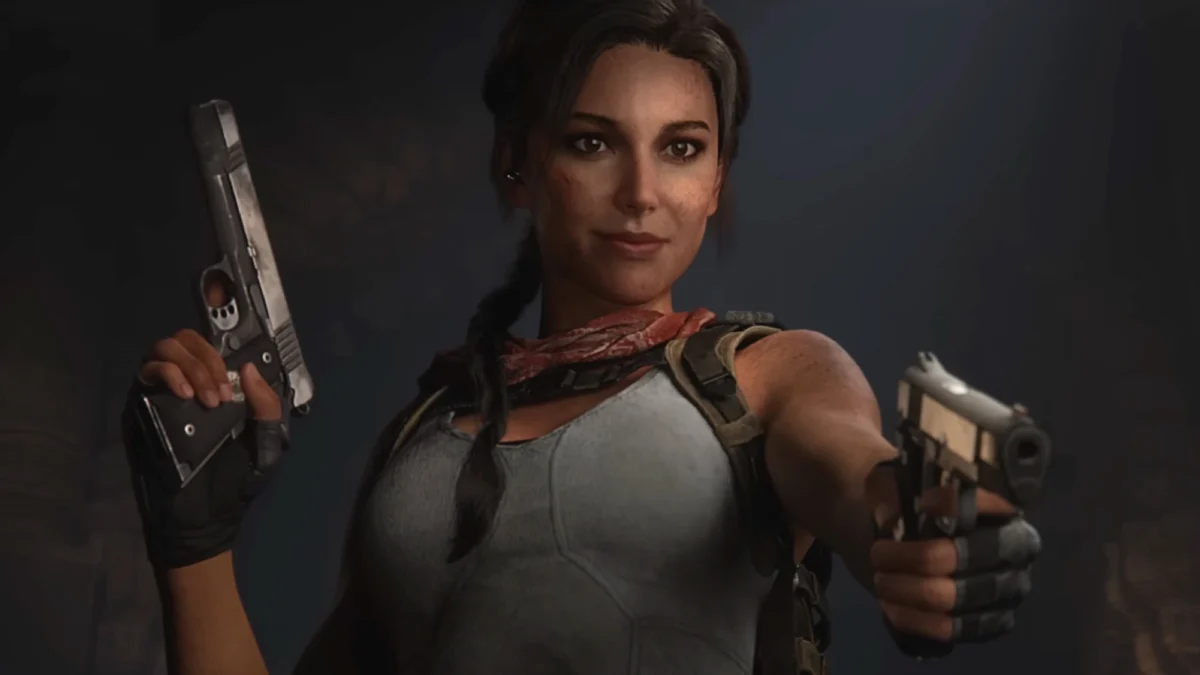
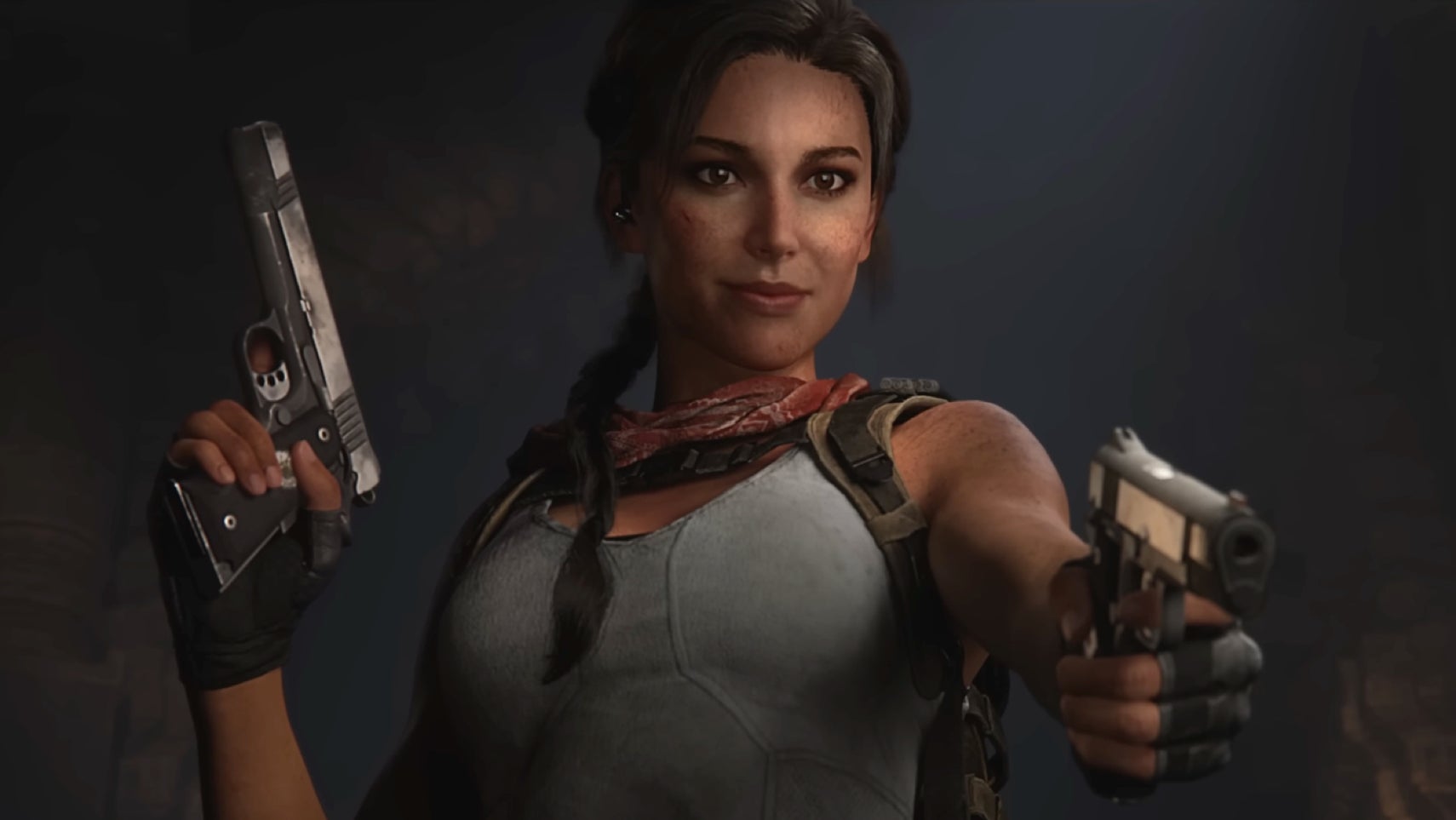
Lara Croft, the undisputed icon of action-adventure gaming, is currently navigating her own "tomb"—a labyrinthine series of development setbacks, corporate restructures, and shifting timelines. In a significant blow to fans awaiting the franchise’s return, Amazon Games has confirmed that the highly anticipated new title, Tomb Raider: Catalyst, has been pushed back to a 2028 release window. This delay serves as the latest chapter in a turbulent saga for the collaboration between Amazon and developer Crystal Dynamics.
The Latest Setback: Catalyst Pushed to 2028
The announcement came in an unusually candid, offhand remark from Amazon’s Head of Games, Jeffrey Gattis, during a discussion with The Game Business. While outlining Amazon’s broader gaming strategy—which includes a renewed push for the Luna cloud gaming platform—Gattis confirmed the revised schedule.
"We’ve obviously announced the two Tomb Raider titles: Atlantis comes 12th February next year and then we’ll follow on in 2028 with the next one," Gattis stated.
For a fan base that has been waiting patiently since the 2022 announcement of the Amazon-Crystal Dynamics partnership, this news is difficult to digest. Tomb Raider: Catalyst, which promises to whisk players away to the jungles of India for an archaeological epic, was previously anticipated for a 2027 release. The shift to 2028 creates a notable gap in the franchise’s release schedule, leaving many to wonder if the ambition behind the project is currently outstripping the studio’s capacity to deliver.
A Chronology of a Tumultuous Partnership
To understand the current state of the Tomb Raider franchise, one must look back at the chaotic timeline of the past three years.
- December 2022: Amazon Games and Crystal Dynamics announce a long-term partnership to produce a new, multi-platform Tomb Raider title. The industry celebrates the return of Lara Croft to a major publisher.
- December 2023: In a surprise reveal, the companies announce that the partnership is actually producing two distinct projects: a ground-up remake of the original 1996 game, titled Tomb Raider: Legacy of Atlantis, and a new mainline entry, Tomb Raider: Catalyst.
- June 2024: Following rumors of "double-A" quality concerns regarding the remake, Legacy of Atlantis is officially delayed from its initial 2024 window to February 2027.
- June 2024: Crystal Dynamics confirms a fourth round of layoffs in under 12 months, resulting in the loss of 20 staff members.
- Late 2024: The Amazon Prime live-action Tomb Raider TV series faces a production halt after star Sophie Turner sustains a back injury on set.
- October 2024: Jeffrey Gattis confirms that Tomb Raider: Catalyst is officially moved to 2028.
The Technical and Creative Hurdle: AI and Studio Stability
Beyond the shifting release dates, the development process has been marred by controversy regarding the use of emerging technologies. Earlier this year, it was revealed that Legacy of Atlantis was being developed with the assistance of artificial intelligence.
Crystal Dynamics’ Director of Experience, Jeff Adams, defended the practice, arguing that AI tools allowed the team to "get to the right answers faster." However, the industry remains skeptical. Critics and fans alike have questioned whether relying on generative tools in such a foundational remake is a sign of creative shortcuts or an attempt to mask internal staffing shortages. When pressed for further details on how exactly these tools were integrated, Amazon’s public relations team intervened, shutting down further inquiry—a move that has only fueled speculation about the project’s internal health.
This sensitivity is likely tied to the broader instability within Crystal Dynamics. The studio, once a titan of the industry, has struggled to maintain its workforce. Experiencing four rounds of layoffs in a single year is a major indicator of internal turbulence. When experienced talent departs, the "tribal knowledge" required to build a massive, AAA title is lost, often leading to the very delays that fans are now witnessing.

The TV Adaptation: A Mirror to the Gaming Woes
The gaming division’s struggles are mirrored in Amazon’s broader transmedia ambitions for the IP. The live-action series, which is meant to serve as a cornerstone of the Tomb Raider multimedia brand, hit a significant snag when lead actor Sophie Turner suffered a back injury during production. While filming has since resumed, the halt is symptomatic of a project that seems to be fighting an uphill battle on every front.
When a franchise is managed across multiple mediums, a delay in one area often has a domino effect on marketing and brand synergy. If the goal was to synchronize the launch of the games with the television series to create a "Tomb Raider Universe," that strategy is currently in jeopardy.
Official Responses and Corporate Strategy
Amazon’s official stance remains one of cautious optimism. Jeffrey Gattis maintains that the company is building a "broad gaming portfolio" and that the Tomb Raider titles remain the jewel in the crown of that strategy. However, the tone from leadership suggests that Amazon is willing to absorb the cost of delays to ensure the quality of these titles.
"We are committed to delivering the best possible experience for fans," is the standard corporate refrain. Yet, the reality on the ground—layoffs, production halts, and repeated date shifts—suggests that Amazon Games is still struggling to find its footing as a major publisher. They are balancing the weight of a legendary franchise with the pressures of a modern gaming market that is increasingly intolerant of unfinished or unpolished releases.

Implications: What This Means for Lara Croft
What does this mean for the future of Lara Croft?
- Brand Dilution: The longer the gap between games, the harder it is to keep the franchise relevant in an era dominated by live-service giants and rapid-fire content cycles.
- The "Double-A" Perception: Critics have already noted that the Legacy of Atlantis remake feels more like a mid-budget "double-A" project than a premium, modern AAA experience. If the final product does not justify its long development time, it could irreparably damage the brand’s prestige.
- Stability for Crystal Dynamics: The studio must stabilize its workforce. High turnover is incompatible with the long-term, high-quality development required for a project like Catalyst.
- Amazon’s Reputation: Amazon Games has yet to produce a runaway, universally acclaimed success. Tomb Raider is their most significant test. If these games fail to land, it may force Amazon to reconsider its long-term viability in the premium gaming sector.
For now, fans are left in a state of limbo. Lara Croft has survived crumbling tombs, ancient deities, and mercenary armies for nearly three decades. Whether she can survive the current corporate landscape of modern game development, however, remains to be seen. As the 2028 release date for Catalyst looms, the industry will be watching closely to see if Amazon and Crystal Dynamics can finally translate their ambition into an adventure worthy of the Tomb Raider name.
 Lina Irawan
  Asep Darmawan
  Nana Wu