
 By Ammar Sabilarrohman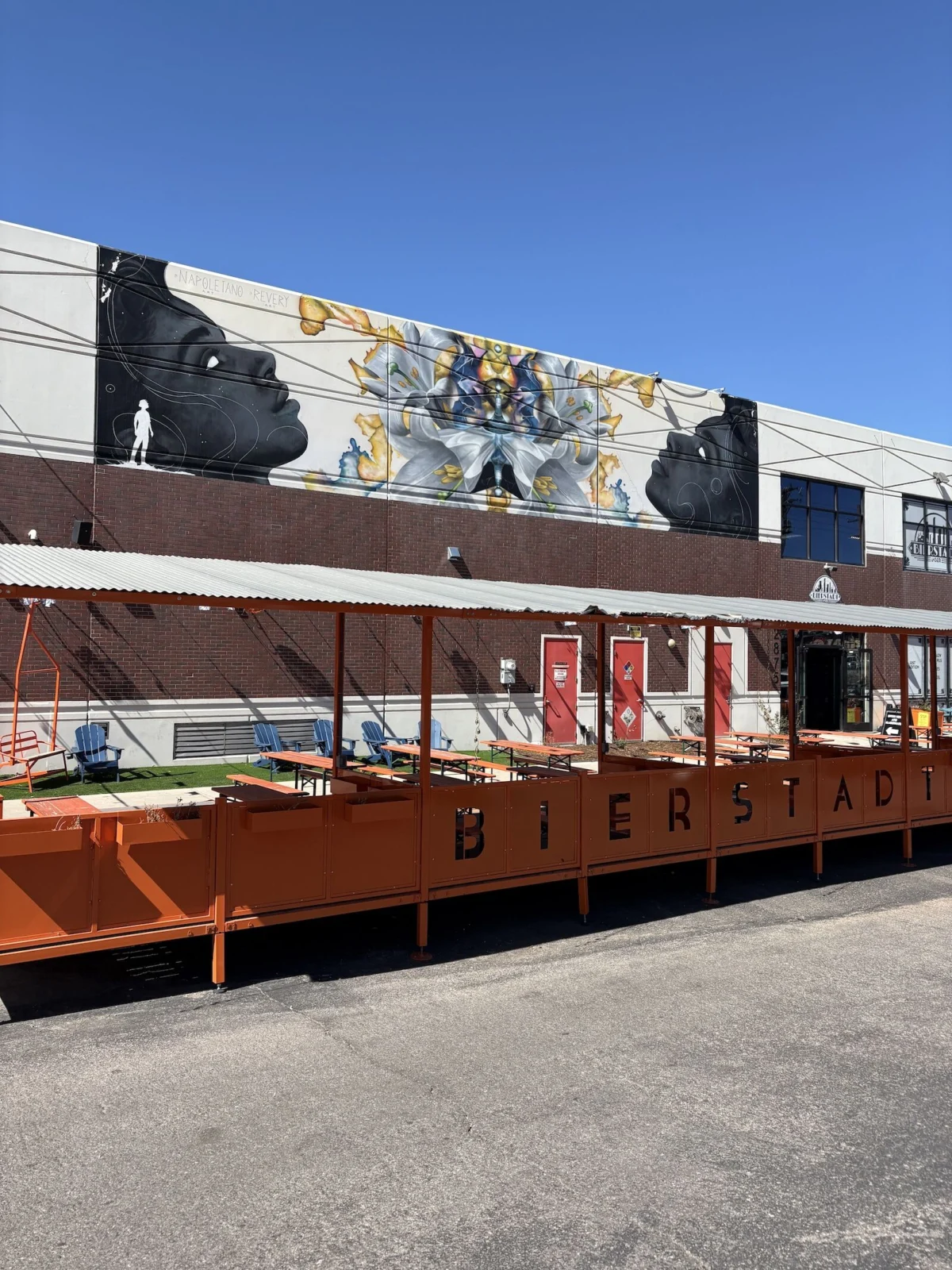
Denver, a city once defined by the industrial rhythms of the railroad and the rugged stoicism of the frontier, is undergoing a profound cultural metamorphosis. While the geography remains defined by the dramatic ascent of the Rocky Mountains, the city’s social and culinary landscape is being shaped by a new vanguard. From the structural preservation of historic landmarks to the nuanced alchemy of modern kitchens, the "Mile High City" is increasingly being articulated through the vision, resilience, and artistry of its women.
The Foundation: Dana Crawford and the Rebirth of Union Station
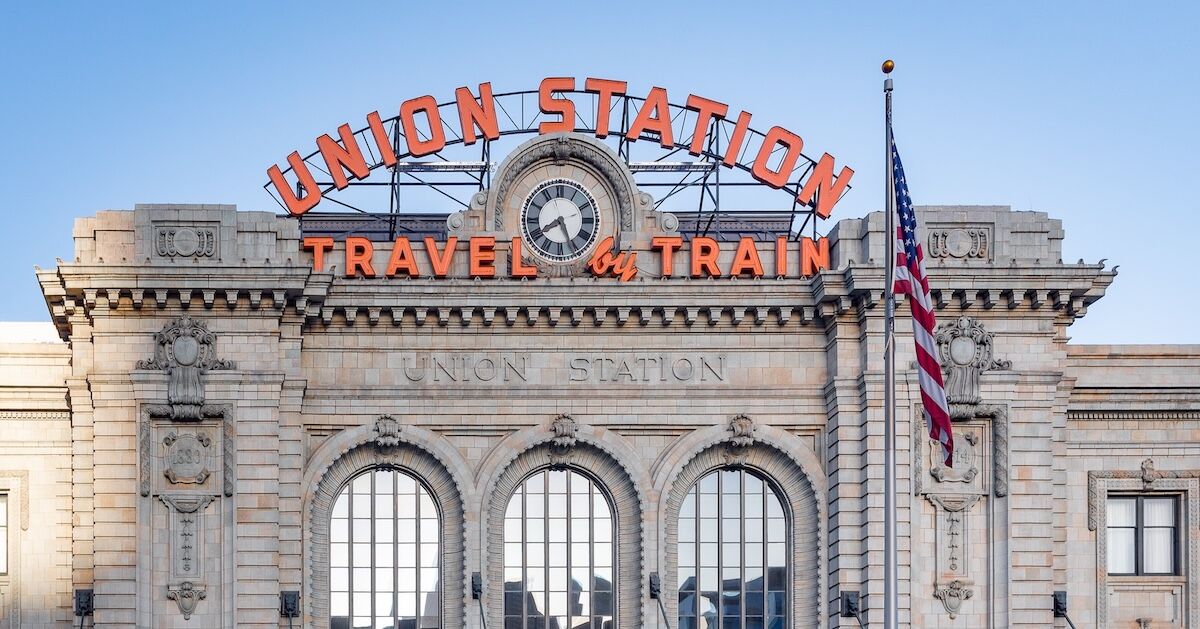
To understand the contemporary soul of Denver, one must look at the bones of its past. By the early 2000s, Denver’s 1881 Union Station—once the pulsing heart of regional commerce—stood as a hollowed-out monument to a bygone era. As the rise of transcontinental air travel and the proliferation of the interstate highway system rendered train travel a nostalgic relic, the grand Beaux-Arts hall fell into a period of prolonged, melancholy silence.
It was preservationist Dana Crawford who recognized the site’s latent potential. Crawford, a visionary force in Denver’s urban planning, orchestrated the complex partnership required to revitalize the structure. When the station reopened in 2014, it was not merely as a transit hub, but as a vibrant urban living room. Today, it serves as a central nervous system for the city: commuters board trains to the airport, diners frequent the high-end restaurants within the Grand Hall, and travelers retreat to the 112-room hotel—fittingly named The Crawford—nestled in the building’s upper floors. Crawford’s legacy is a testament to the idea that a city’s history is not a static object to be preserved behind glass, but a living foundation to be built upon.
The Culinary Renaissance: A Chronology of Flavor
The spirit of innovation that redefined Union Station has permeated the city’s dining scene. Denver’s food culture is no longer defined by the solitary "steak and potatoes" ethos of the past; it is a complex, inclusive, and deeply personal dialogue led by women chefs who prioritize narrative as much as technique.
The Modern Table: 2014 to Present
The shift began in earnest as Denver’s dining scene matured, moving from regional staples to global influence.
- Work & Class (Dana Rodriguez): Rodriguez, one of Denver’s most celebrated culinary architects, has built an empire on the concept of "soulful, simple food." A meal at Work & Class is an exercise in communal nostalgia. The coriander-roasted Colorado lamb and stout-braised short ribs are not merely dishes; they are memories translated into flavor. The white corn grits, a simple staple, serve as a masterclass in elevating humble ingredients.
- Dear Emilia (Heather Morrison): In 2025, the Michelin Guide bestowed its Outstanding Service Award upon Heather Morrison for her work at Restaurant Olivia, a testament to her mastery of the "front-of-house" experience. At Dear Emilia, her latest venture, the pacing of a meal is treated as an art form. From the savory soufflé al parmigiano to the meticulously textured spinach lasagna, Morrison demonstrates that hospitality is not just about food—it is about the intentional choreography of a guest’s evening.
- MAKfam (Doris Yuen): Doris Yuen and her husband, Kenneth Wan, have used their kitchen as a platform for cultural correction. By openly embracing MSG—an ingredient unfairly stigmatized by decades of xenophobic culinary myths—Yuen is reclaiming Chinese-American food. Her dishes, such as hand-folded dumplings and garlic stir-fry greens, act as a rebuttal to the "foreign" label, re-establishing these flavors as essential American staples.
Supporting Data and Creative Resistance
The influence of women extends far beyond the dining room and into the streets. In the RiNo (River North) Art District, the narrative of the city is literally written on the walls. For years, the neighborhood’s street art scene was dominated by male perspectives. Recognizing this imbalance, artist Alexandrea Pangburn founded "Babe Walls," a collective dedicated to platforming women and nonbinary muralists. This was not merely an aesthetic choice; it was a structural intervention in a medium that had historically excluded them.
This commitment to quality and process is mirrored in the craft beverage industry. At Bierstadt Lagerhaus, co-founder Ashleigh Carter is challenging the "fast-paced" commercial beer culture. By focusing on traditional cold-conditioning—a process that requires eight weeks of patience—Carter has become one of the few women head brewers in Colorado to gain national acclaim. Her "slow pour pils," which requires five to seven minutes to perfect, is a quiet protest against the modern obsession with efficiency.
Official Records and Historical Context: Beyond the Titanic
The history of Denver’s women is often reduced to the caricature of "The Unsinkable Molly Brown." While Margaret "Molly" Brown is globally recognized for her survival of the 1912 Titanic disaster, the reality of her life was far more radical. As a resident of Denver, Brown was a political firebrand. She ran for the U.S. Senate in 1914—well before the 19th Amendment guaranteed women the right to vote nationally—and wielded her social influence to lobby John D. Rockefeller for labor reforms following the tragic Ludlow Massacre.
The Center for Colorado Women’s History at History Colorado works to expand this narrow view. By highlighting the labor organizers, domestic workers, and artists whose contributions were historically erased, the center provides a necessary, more complex framework for understanding Denver’s evolution. It serves as a reminder that the city’s identity is constructed by the thousands of women whose labor remains largely invisible in standard history textbooks.
Implications for the Future: A New Sporting Paradigm
The shift in power and prominence reached a tipping point in March of this year. When the Denver Summit FC took the pitch at Empower Field at Mile High, they were greeted by 63,004 fans. This shattered the National Women’s Soccer League (NWSL) attendance record by more than 20,000, signaling a permanent change in the city’s sporting consciousness.
This, however, is not a sudden trend; it is the culmination of decades of incremental progress. The professional, artistic, and culinary achievements of Denver’s women are not accidental. They are the result of the same tenacity that Dana Crawford demonstrated in 1965 when she began her mission to save the city’s historic architecture.
Conclusion: The City as a Conversation
Denver is currently in a state of rapid, positive transformation. For the visitor, the most rewarding way to experience this change is not through a rigid itinerary, but through direct engagement. Whether it is the Dutch Baby pancake at Linda Hampsten Fox’s The Bindery, or the passionfruit cheesecake French toast at Carrie Baird’s Fox and the Hen, the quality of the city is found in the detail.
The women leading Denver today are moving from the margins to the center, correcting historical records and defining new standards of excellence. To understand the "Mile High City" in its current iteration, one must look past the mountains and into the kitchens, the studios, and the archives. The city opens up to those who pay attention, revealing a landscape that is as inclusive as it is ambitious.
 Layla Zulfa
  Lina Irawan
  Nana
Nana 