
 By Ammar Sabilarrohman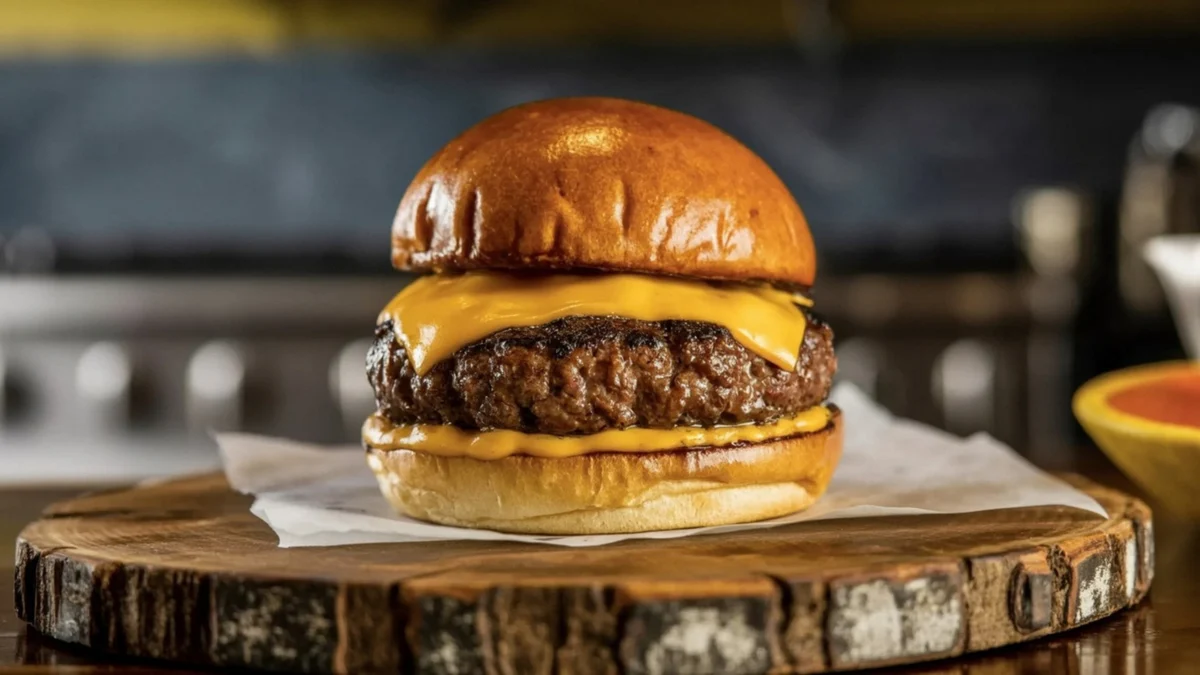
In the pantheon of backyard culinary traditions, few items hold as much cultural weight as the cheeseburger. It is a dish that sits at the intersection of simplicity and complexity—a marriage of ground meat, toasted bun, and melted cheese that, when executed correctly, represents the pinnacle of comfort food. Yet, for many home cooks, the pursuit of the "perfect" burger remains elusive. While elaborate toppings like heirloom tomato slices, artisan pickles, or complex aiolis can mask a mediocre patty, the true aficionado knows that a superior cheeseburger should stand on its own merits.
The secret to achieving that elusive, succulent, and flavor-packed patty is not found in the toppings, but in the thermal management of the grill. By adopting the professional-grade "two-zone" cooking method, home chefs can transform their barbecue experience, ensuring a caramelized, umami-rich crust on the outside while maintaining a tender, juicy interior.
Main Facts: The Science of Thermal Control
The fundamental challenge in grilling a burger is balancing surface texture with internal moisture. If the heat is too low, the meat steams in its own juices, resulting in a gray, unappetizing exterior. If the heat is too high for too long, the burger dries out, rendering the fat—the primary carrier of flavor—rendered away entirely.
The two-zone grilling method solves this by creating two distinct heat environments on a single grill surface.
- The Direct Heat Zone: This is the high-intensity area where the food is placed directly above the heat source (glowing charcoal or roaring gas burners). Its purpose is Maillard reaction—the chemical process that creates the brown, flavorful crust essential to a high-quality burger.
- The Indirect Heat Zone: This is the cooler area of the grill where the heat is deflected or dissipated. It functions similarly to an oven, allowing the interior of the patty to reach a safe, precise temperature without the risk of charring the exterior to a crisp.
By utilizing this duality, the cook gains absolute control over the cooking process. The burger is seared for texture and moved to finish for temperature, a technique borrowed from the high-end steakhouses and professional kitchens.
Chronology: A Step-by-Step Guide to the Perfect Patty
To execute the two-zone method effectively, one must approach the grill with a methodical plan. Following this sequence will ensure consistent results every time.
Phase 1: Preparation and Zoning
Before the patties touch the grill, the environment must be established. For charcoal enthusiasts, this involves pushing the hot embers to one side of the grill, creating a high-heat "sear zone" and a lower-heat "rest zone." For gas grill owners, this is achieved by setting one burner to "high" and another to "low" or "off."
Phase 2: The Sear
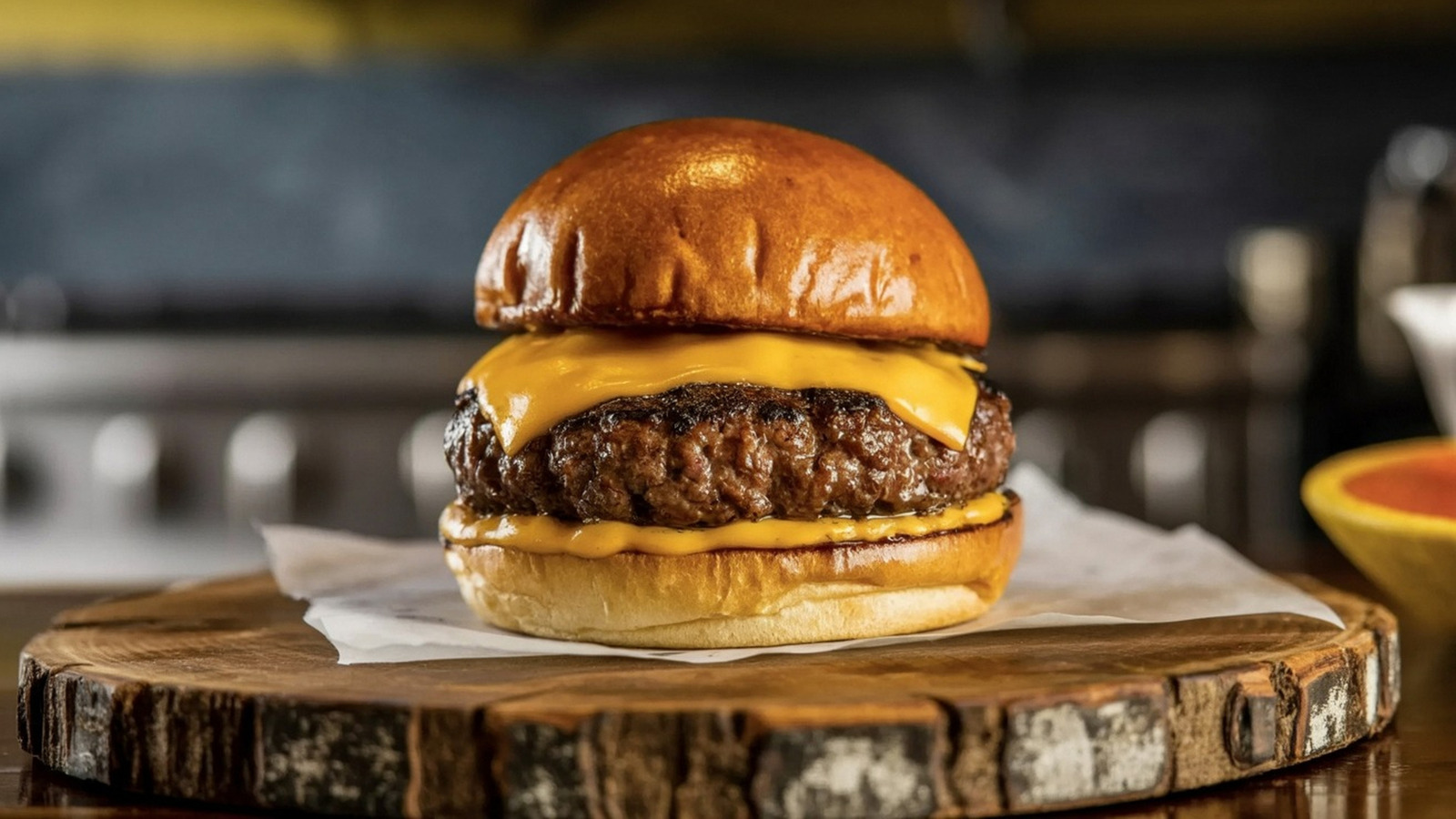
Place the patties directly over the heat source. Do not touch them immediately. Allow the meat to bond with the heat, creating a deep brown crust. This step is brief, usually lasting only two to three minutes per side, depending on the thickness of the patty. The objective here is aroma and color, not internal cooking.
Phase 3: The Transition
Once the exterior has achieved that characteristic "umami crust," move the patties to the indirect heat zone. This transition is critical. In this zone, the air temperature is lower, allowing the meat to gently cook through. This prevents the "dry center" syndrome that plagues many amateur grill-outs.
Phase 4: The Melt
As the burgers approach their target internal temperature, introduce the cheese. For optimal results, use thinly sliced cheese, which melts quickly and evenly. Because the burger is now in the indirect zone, the cheese will melt into the crevices of the meat without the risk of burning or dripping excessively onto the coals.
Supporting Data: Temperature and Timing
Precision is the hallmark of the expert griller. Relying on visual cues—such as "when the juices run clear"—is often insufficient and can lead to overcooked meat. A reliable, high-quality digital meat thermometer is the most essential tool in a grill master’s arsenal.
- Rare (120°F – 125°F): For those who prefer a vibrant red center, the sear must be aggressive, and the time in the indirect zone must be kept to an absolute minimum.
- Medium (140°F – 145°F): This is widely considered the culinary "sweet spot" for ground beef. It ensures the fat has rendered sufficiently to coat the meat fibers, providing that succulent mouthfeel, while remaining safe and firm.
- Well Done (160°F+): According to food safety standards, 160°F is the recommended internal temperature for ground beef to eliminate pathogens. By using the two-zone method, one can reach this temperature without turning the burger into a hockey puck.
The thickness of the patty dictates the duration of the indirect phase. A half-inch thick patty may only require two minutes of indirect heat, while a thick, pub-style burger may require five to seven minutes.
Expert Perspectives: Why Two-Zone is the Gold Standard
Culinary experts and professional pitmasters consistently advocate for two-zone cooking as the superior method for home barbecue. The primary benefit cited is the mitigation of "flare-ups." When fat drips onto direct flames, it causes spikes in temperature and creates soot, which can impart an acrid, bitter taste to the meat.
By moving the burger to the indirect zone, the cook effectively removes the meat from the reach of these flare-ups. Furthermore, the indirect zone allows the smoke from the charcoal or the wood chips to permeate the meat more evenly. Instead of a "burnt" flavor, the burger takes on a delicate, complex smokiness that enhances the natural beefy notes.
"The two-zone method is the difference between cooking and merely heating," says one veteran chef. "It separates those who treat the grill like a campfire from those who treat it like an extension of the kitchen stove."
Implications: Elevating the Backyard Experience
The adoption of the two-zone grilling technique has broad implications for the home cook. First, it democratizes high-end cooking techniques, making restaurant-quality results accessible to anyone with a standard grill. Second, it shifts the focus from "what is on the burger" to "how the burger is made."
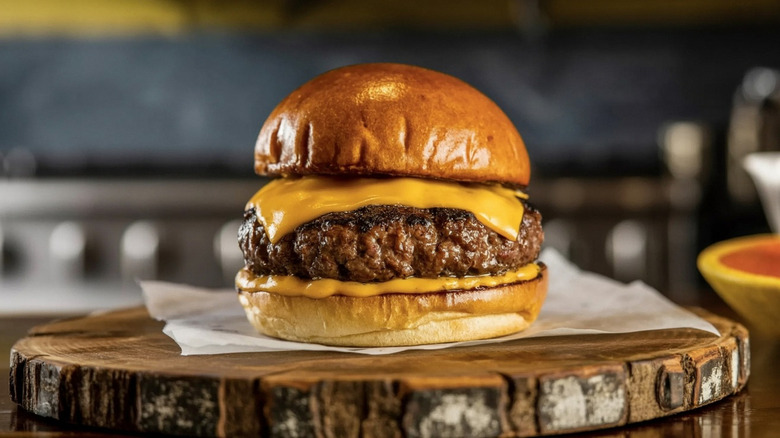
When the patty itself is perfectly prepared—crispy, salty, and juicy—the need for heavy-handed sauces and excessive toppings diminishes. A slice of high-quality cheddar, a toasted brioche bun, and a thin layer of mustard suddenly become sufficient to create a world-class experience.
Furthermore, this method promotes food safety. By removing the guesswork, the cook is less likely to serve undercooked or inconsistently cooked meat. The two-zone method is not merely a stylistic choice; it is a fundamental shift toward technical proficiency.
Conclusion: The Commitment to Quality
Mastering the two-zone grill requires patience, an investment in a thermometer, and the willingness to learn the unique temperament of your specific grill. However, the payoff is substantial. By controlling the heat rather than being a victim of it, you elevate the humble cheeseburger from a mundane meal into a culinary event. Whether you are hosting a summer gathering or simply perfecting your craft, the two-zone method remains the "hands-down" best way to ensure that every burger you serve is as juicy, flavorful, and perfectly cooked as the last.
 Raul Delapena Setiawan
  Basiran
  Nana
Nana 