
 By Nana
The arrival of a new Shrek film is a cultural event, regardless of whether the audience is a nostalgic millennial who grew up with the 2001 original or a Gen Alpha viewer discovering the swamp for the first time. With DreamWorks Animation recently dropping the long-awaited teaser trailer for Shrek 5, the internet has erupted in a cacophony of celebration and heated debate. While the return of our favorite ogre, Donkey, and Puss in Boots is enough to generate massive hype, a significant rift has emerged in the fan community: the evolution of the film’s visual identity.
As the industry shifts toward hyper-stylized, fluid, and "bouncy" animation techniques—a trend popularized by hits like Spider-Man: Into the Spider-Verse and Puss in Boots: The Last Wish—Shrek 5 appears to be leaning into this aesthetic. However, for many long-term fans, this departure from the gritty, "lived-in" realism of the early 2000s feels like a betrayal of the franchise’s satirical roots.
The Main Facts: What We Know About Shrek 5
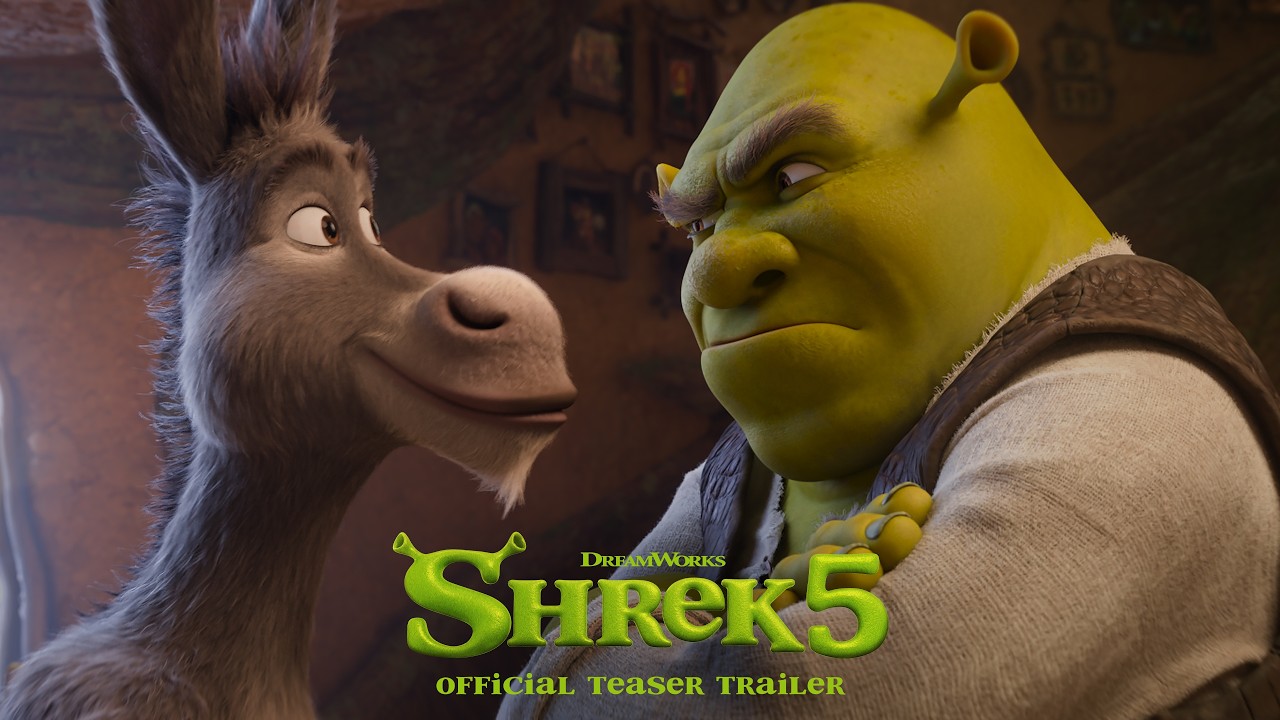
Shrek 5 marks the long-awaited return of the primary narrative arc, picking up the story of Shrek and his family as they venture to a destination described as "Further Further Away." The teaser trailer, which mimics the iconic "storybook" opening of the original 2001 masterpiece, aims to recapture the irreverent magic that defined the early DreamWorks era.
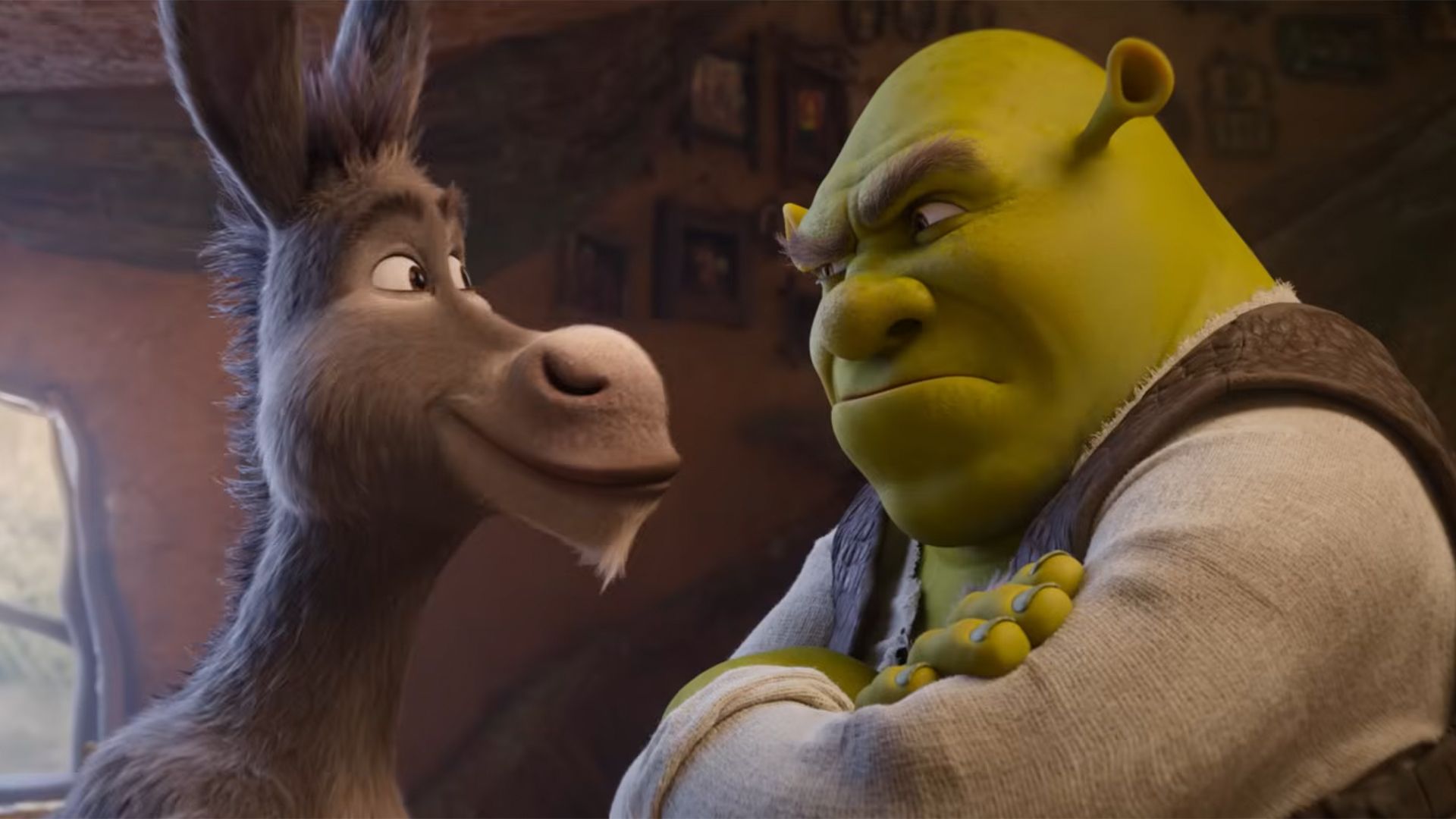
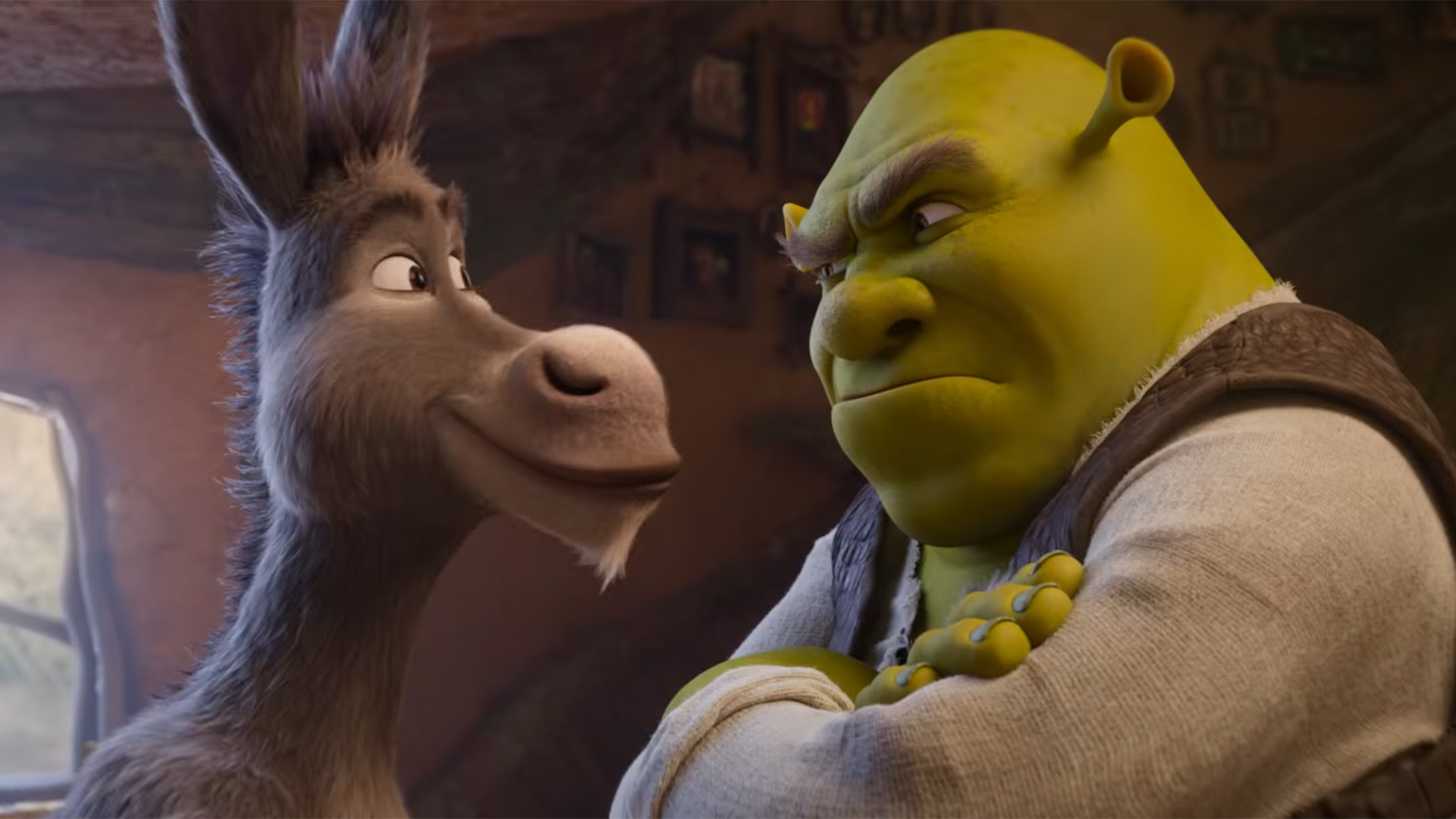
From a production standpoint, the film aims to modernize the franchise for a contemporary audience. It retains the core voice cast—Mike Myers, Eddie Murphy, and Cameron Diaz—ensuring that the auditory experience remains consistent. Yet, visually, the film is a departure. The character models appear softer, the lighting is more vibrant and saturated, and the movement possesses a kinetic, squash-and-stretch quality that differs significantly from the more grounded, textured approach of the first three films.
A Chronology of a Franchise
To understand the current tension, we must look at the trajectory of the franchise’s visual history:
- 2001: The Original Revolution. Shrek premiered as a groundbreaking achievement in computer-generated imagery (CGI). At the time, its "realism" was its selling point; it featured mud, textures on Shrek’s vest, and lighting that attempted to mimic physical environments. This aesthetic served the film’s satirical nature: it mocked the "perfect" and "clean" look of traditional Disney fairytales.
- 2004–2007: The Golden Era. Shrek 2 and Shrek the Third refined this look. The textures became more complex, but the world remained inherently grounded in a pseudo-medieval reality.
- 2010: The Pivot. Shrek Forever After attempted to finalize the arc, but by then, the animation industry was already beginning to move toward more stylized, painterly visuals.
- 2022: The Stylistic Shift. The massive critical success of Puss in Boots: The Last Wish proved that audiences were hungry for high-art, stylized animation. This film effectively set the blueprint for how DreamWorks would handle its legacy franchises moving forward.
- 2025/2026: The Modern Era. Shrek 5 is the first mainline Shrek film to be fully developed under this new philosophy, leading to the current discourse regarding its visual identity.
Supporting Data: Why Fans Are Divided
The debate on platforms like X (formerly Twitter) and Reddit has been intense. Analysis of the sentiment shows a clear divide between "purists" and "progressives."
The Case for "The Lived-In Look"
Critics of the new style argue that the original Shrek was successful specifically because it felt like a parody of reality. The "realism" made the fantasy elements—a talking donkey, a dragon, a flatulent ogre—feel like they existed in a tangible world. As one viral post on X noted: "Shrek was built on realism with a touch of fantasy, which contrasted with Disney. It lent itself to the satirical fairytale world they built. Making Shrek bouncy and cartoony feels like the antithesis of what Shrek is."
The Case for "Stylized Evolution"
On the other side of the fence are those who argue that the original CGI, while revolutionary in 2001, has aged poorly. Proponents of the new style suggest that the "uncanny valley" effect of early 2000s animation is distracting to modern eyes. By moving toward a more stylized, "fairytale-book" aesthetic, DreamWorks is arguably leaning into the Shrek brand’s core DNA rather than trying to replicate a technological standard that is now over two decades old.
Official Responses and Industry Context
While DreamWorks has not issued a formal "defense" of the animation style, executives and animation directors have previously spoken on the shift in the industry. The consensus among major studios is that "photorealism" is no longer the goal for animated features. With the advent of powerful rendering engines, studios are prioritizing "artistic intent" over "simulation of reality."
The success of films like Spider-Man: Across the Spider-Verse has signaled a death knell for the "generic 3D look" that dominated the 2010s. Studios are now incentivized to make their films look like moving paintings or storybook illustrations. Shrek 5 appears to be catching this wave, attempting to bridge the gap between the familiar characters of the past and the high-art expectations of the present.
Implications for the Future of Animation
The Shrek 5 controversy is a microcosm of a larger tension in the creative industries: how do you update a beloved legacy property without stripping away the specific "soul" that made it popular in the first place?
The Risk of Alienating the Core Audience
If the film leans too heavily into the "bouncy, cartoony" aesthetic, it risks losing the satirical edge that made the first two Shrek films so sharp. If the world looks too "clean," the jokes about the muck, the swamp, and the grotesque nature of an ogre may lose their punch. Satire requires a baseline of reality to subvert; if the world is already a caricature, the parody becomes less effective.
The Necessity of Innovation
Conversely, staying stagnant is a death sentence for a franchise. If DreamWorks had released Shrek 5 using 2001 rendering technology, it would likely be mocked for looking "cheap" or "dated." By embracing the new, stylized look, DreamWorks is ensuring that Shrek 5 can stand alongside contemporary animated giants. They are gambling that the character’s personalities—which are, at their core, timeless—will carry the film even if the visual texture is different from what audiences remember.
Conclusion: A New Chapter or a Lost Legacy?
Whether the visual shift in Shrek 5 is a stroke of genius or a stylistic misstep remains to be seen until the film hits theaters. What is clear, however, is that Shrek remains one of the most culturally significant properties in animation history. The very fact that the internet is debating the "texture" of an ogre’s skin twenty-five years after his debut speaks volumes about the impact of the franchise.
For those who feel they have "lost an old friend," there is still comfort in the fact that the original films aren’t going anywhere. For the next generation, Shrek 5 may well become their definitive version of the story. Ultimately, the success of the film will hinge not on whether it looks like 2001 or 2026, but on whether it can still capture that uniquely sarcastic, heartfelt, and messy spirit that made us fall in love with a grumpy ogre in the first place.
As we look toward 2026, a year shaping up to be a massive one for animation, Shrek 5 serves as a reminder that the art of storytelling is constantly evolving. While we may miss the mud-caked, "grounded" look of the past, perhaps it is time to see what this new, "fairytale-book" world has in store for our favorite swamp-dweller. After all, as Shrek himself once famously noted, "Ogres are like onions—they have layers." It seems only fitting that the franchise itself is now revealing a new one.
 Lina Hope
  Reynand Wu
  Pevita Pearce