
 By Basiran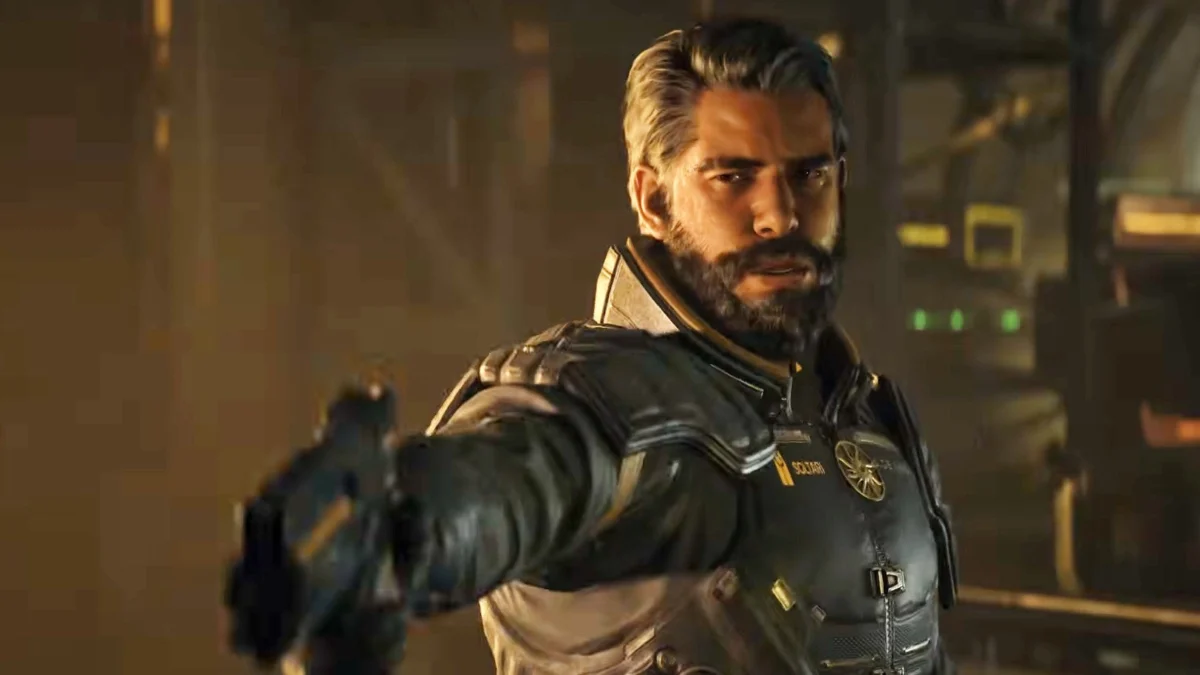
The Finnish studio Housemarque has long occupied a unique space in the gaming industry. Rising from the humble origins of the arcade-revival era to becoming one of the most prestigious internal pillars of PlayStation Studios, the developer has consistently prioritized a specific, high-octane "bullet hell" philosophy. However, with the release of Saros—a title that bears a striking mechanical resemblance to their breakout hit Returnal—the studio finds itself at a critical crossroads. Despite facing a lukewarm commercial start, Housemarque remains unfazed, viewing their current situation not as a failure, but as a necessary phase in a long-term strategy of market education and audience cultivation.
The Evolution of a Niche Powerhouse
Housemarque’s pedigree is rooted in the "arcade-first" mindset. For years, the studio was defined by titles like Resogun, Super Stardust, and Alienation. These games were celebrated for their kinetic energy, demanding reflexes, and pure, distilled gameplay loops. When the studio transitioned to the AAA space with Returnal in 2021, many feared the shift to high-budget production would dilute their signature "flow state" intensity.
Instead, Returnal proved that the studio’s core design sensibilities could be scaled. By merging the roguelike genre with high-fidelity, third-person action, Housemarque carved out a distinct identity. Saros, released in April of this year, is the next iteration of that vision. It is a refinement of the concepts introduced in Returnal, offering a polished, albeit familiar, experience. Yet, while critical reception remains high, the commercial trajectory of Saros has proven sluggish, failing to match the momentum Returnal achieved during its peak post-launch window.
Chronology: From Arcade Roots to Modern Roguelikes
To understand the current tension between Housemarque’s creative vision and the marketplace, one must look at their developmental timeline.
- 1995–2015: The Arcade Era. During this period, Housemarque was synonymous with tight, leaderboard-driven action. They became the masters of the "one more go" loop, building a reputation for technical perfection.
- 2021: The Returnal Breakout. Returnal was a departure in scope. It introduced complex narrative layers and a sprawling sci-fi world, yet it remained, at its heart, a brutal bullet-hell game. It gained traction slowly; as Brand Director Mikael Haveri noted, the community needed time to "unlock" the game’s potential, with word-of-mouth driving sales long after the initial launch buzz faded.
- 2024: The Saros Release. Launched in a crowded Q2 window, Saros struggled to cut through the noise. Despite being a "top-tier action game," its narrative ambitions—often criticized as being slightly at odds with its arcade-focused gameplay—and the sheer saturation of the market have contributed to a slower start than the studio likely anticipated.
The FromSoftware Analogy: Playing the Long Game
In a recent interview with The Game Business, Housemarque leadership explicitly invoked the trajectory of FromSoftware as their guiding North Star. It is a compelling comparison. For decades, Hidetaka Miyazaki’s studio operated in relative obscurity, crafting challenging, uncompromising titles like King’s Field and Armored Core. They did not chase trends; they refined their niche.
It wasn’t until the release of Demon’s Souls—23 years into the company’s existence—that the "Soulsborne" formula began to catch fire. The subsequent success of the Dark Souls trilogy and Bloodborne built the reputation required to turn Elden Ring into a cultural phenomenon.
Housemarque sees themselves at the Demon’s Souls stage of this journey. "What Demon’s Souls was or even earlier games: they’ve been doing kind of a similar genre for a very long time and built up their fan base for the longest period of time," says studio head Ilari Kuittinen. The goal is not immediate, explosive dominance, but the gradual, systematic "education" of the gaming market. They want to train players to appreciate the specific, high-friction, high-reward nature of their "bullet ballet" games.
Data and Market Realities: The Challenge of Consistency
While the artistic vision is clear, the financial realities of modern game development are unforgiving. Reports suggest Saros has struggled to gain the same velocity as its predecessor. In an era where AAA titles are often expected to be "hits" within the first 48 hours of release, Housemarque’s patient approach is a gamble.

The studio is currently focused on post-launch support, patches, and feature updates—a strategy that worked for Returnal. By maintaining a high-touch relationship with their existing player base, they hope to ensure that Saros retains its relevance. However, the studio is also hyper-aware of the dangers of this strategy. They are not interested in becoming a generic support studio for larger publishers, nor are they courting the risk of bankruptcy. They are operating in a precarious balance: pushing their signature genre while needing to ensure their games remain economically viable in a climate that increasingly favors live-service models over refined, single-player action titles.
Official Perspectives: The Path Forward
The leadership at Housemarque remains steadfast in their independence and their commitment to their unique design language. According to Mikael Haveri, the studio’s identity is non-negotiable. "We also know where we don’t want to be," Haveri stated, dismissing the possibility of shifting their focus to safer, more mainstream projects.
The studio’s focus is on "forging our own direction." This involves a dual strategy:
- Refining the Core: Continuing to optimize the gameplay loops of Saros and future titles to ensure they feel like the definitive examples of the genre.
- Market Education: Actively communicating with the player base to shift expectations. They are essentially arguing that the "flow state" of a Housemarque game is a unique commodity that is worth the player’s time and investment.
Implications for the Future of Housemarque
The implications of this strategy are significant. If Housemarque succeeds in creating a "FromSoftware effect," they will become the undisputed masters of the high-end roguelike genre. This would grant them the kind of creative freedom that only comes with a fiercely loyal, dedicated audience that buys every game on day one, regardless of reviews or marketing hype.

However, the risk remains. If the market continues to demand larger, more accessible experiences, the niche that Housemarque inhabits could become increasingly difficult to sustain. Their narrative ambitions—which some critics have pointed out as a point of friction—suggest the studio is aware of this. They are trying to marry their arcade heart with the storytelling expectations of the modern PlayStation audience.
Ultimately, Housemarque is betting on the idea that quality and consistency will win out over time. They are playing a multi-year game in an industry that often demands instant gratification. Whether they can bridge the gap between their niche, "bullet hell" roots and the massive, mainstream success of their peers remains the defining question of their current era. For now, they are content to keep building, keep patching, and keep refining, trusting that the community will eventually find its way to them—just as it did for the architects of the Souls series.
In the words of Ilari Kuittinen, "This is just the start of the discussion." Whether that discussion leads to a new golden age for the studio or a forced pivot remains to be seen, but Housemarque is clearly not backing down from the challenge.
 Laily UPN
  Nila Kartika Wati
  Asro
Asro 