
 By Dwi Wanna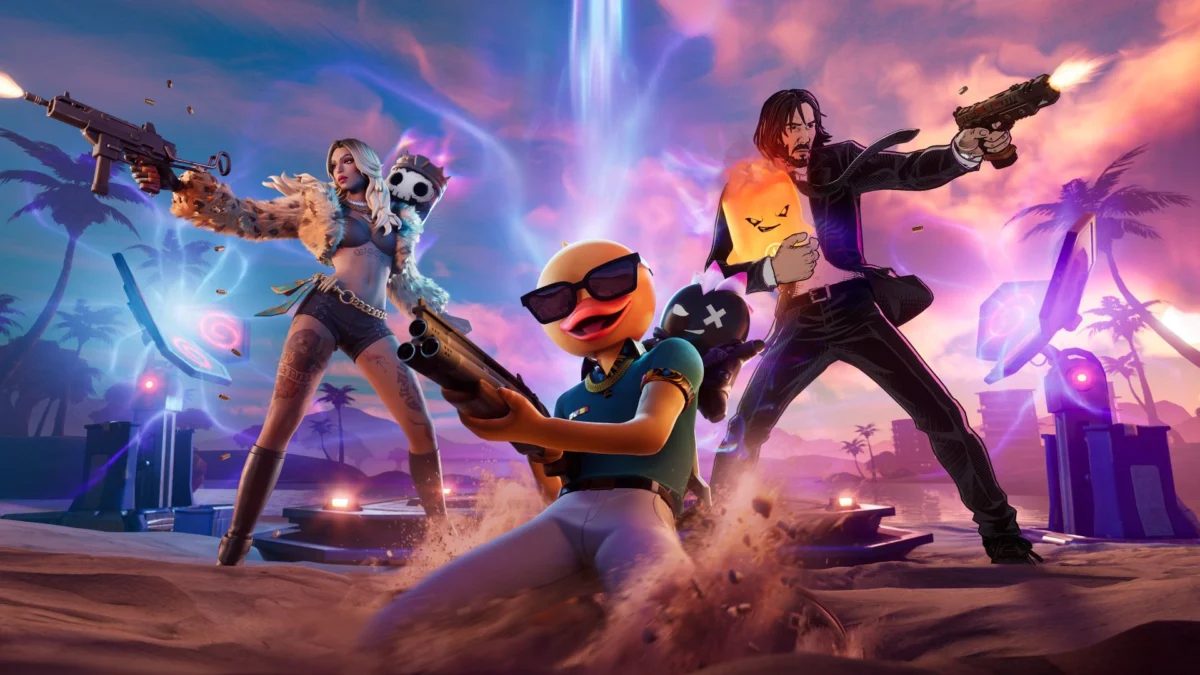
In a pivotal announcement during the most recent "State of Unreal" broadcast, Epic Games unveiled its vision for the future of interactive entertainment. While the industry has long speculated about the next evolution of its flagship software, the reveal of Unreal Engine 6 (UE6) signals a departure from traditional graphical upgrades toward a more radical goal: the creation of a universal, cross-game "shared economy."
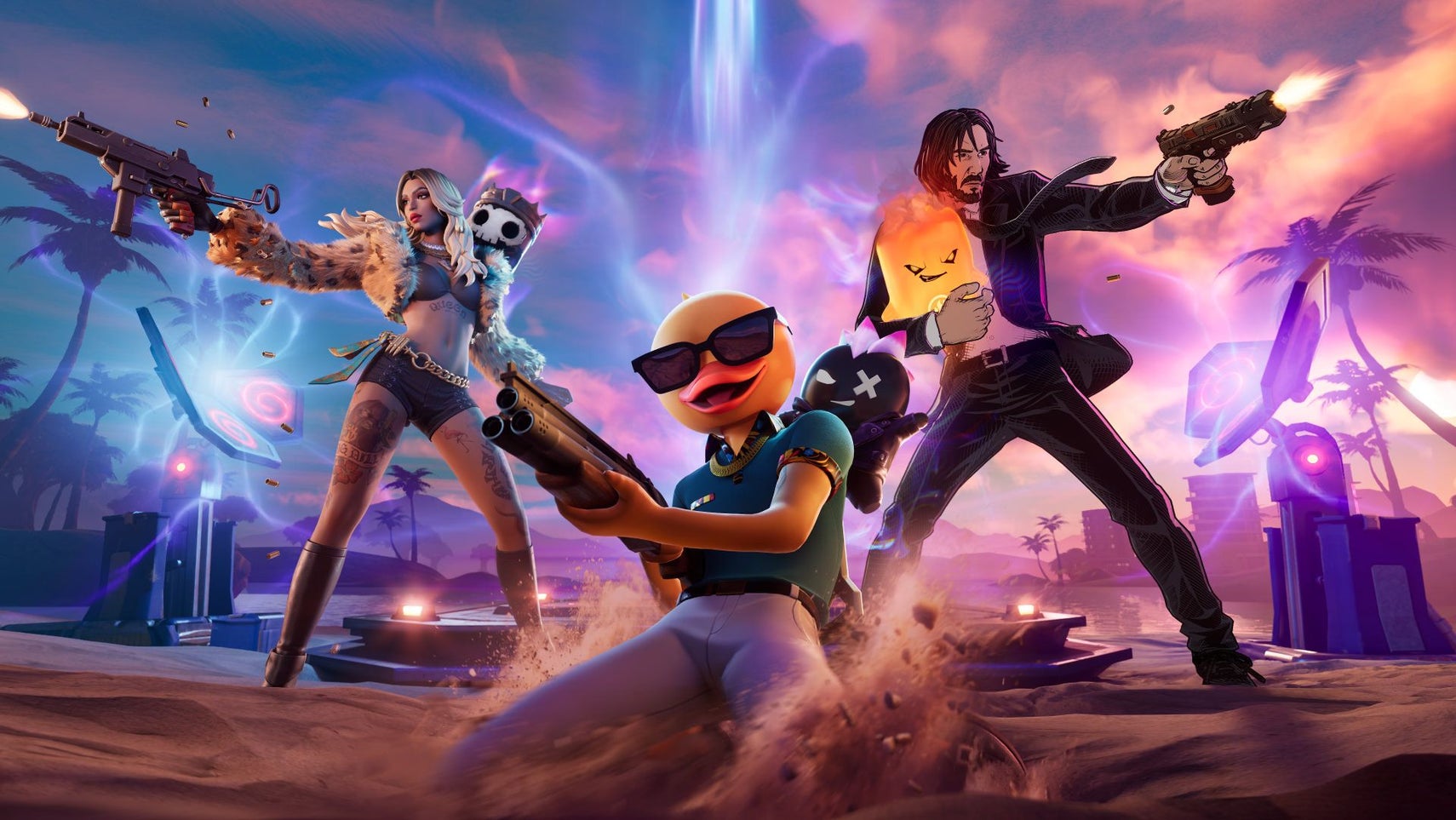
At the heart of this vision is the concept of "portable player value." Epic Games intends to leverage its massive Fortnite ecosystem as a proving ground for a system that allows digital assets—specifically skins and cosmetic items—to move fluidly between disparate titles. This initiative, described by lead developers as the "first step" toward a more connected gaming landscape, could fundamentally shift how players interact with digital ownership and how developers manage game economies.
The Core Concept: Portability as a Standard
For years, the "walled garden" approach has dominated the gaming industry. A skin purchased in one title rarely, if ever, exists outside of that specific software environment. Epic Games is looking to dismantle this barrier.
During the broadcast, development team lead Marcus Wassmer articulated the company’s long-term strategy. "Content and code should be portable across games and engines," Wassmer stated. The goal is to move beyond mere cross-promotion to a system where players possess assets that retain utility across various digital spaces. By utilizing Fortnite as the initial testbed, Epic is essentially attempting to create a "master ledger" of player-owned items that can be recognized, imported, and rendered in any game built on the UE6 framework.
This is not just about aesthetic transfer; it is about creating "smart assets." These are functional digital objects that carry their own logic and interactivity, allowing them to remain consistent regardless of the game engine or environment in which they are placed.
A Chronology of the UE6 Vision
The road to Unreal Engine 6 is a multi-year project that builds upon the massive success of Unreal Engine 5. To understand where Epic is heading, one must look at the timeline of their technological progression:
- The Unreal Engine 5 Era (2022–2026): Epic focused on photorealism, Nanite geometry, and Lumen lighting. These years established the engine as the industry standard for high-fidelity graphics.
- The AI Integration (Late 2026): With the introduction of UE 5.8, Epic began integrating generative AI and large language models (LLMs) directly into the engine, setting the stage for more complex, dynamic, and automated asset generation.
- The UE6 Roadmap (2027 and Beyond): Epic has scheduled early access testing for Unreal Engine 6 for late 2027. Following a "12 to 18-month" refinement period, the industry expects a full-scale rollout by late 2028 or early 2029.
- The Shift to Portability: The transition from UE5 to UE6 marks a pivot from "graphical fidelity" to "ecosystem connectivity." The focus has moved away from how a game looks to how a game interacts with other digital services.
Implications for the Industry: Metcalfe’s Law in Play
Epic’s strategy is heavily rooted in economic theory. Wassmer explicitly cited "Metcalfe’s Law"—the principle that the value of a network is proportional to the square of the number of its connected users—as the driving force behind the decision.
By connecting disparate games through a shared asset system, Epic aims to create a "positive-sum dynamic." If a developer creates a high-quality asset for their own game, and that asset is suddenly compatible with Fortnite (and vice versa), the potential audience and value for that asset increase exponentially.
The Developer Experience
For indie developers and AAA studios alike, UE6 promises a streamlined pipeline. One of the major hurdles in game development is the "porting tax"—the time and money spent rebuilding assets to function across different platforms and engine builds. Epic is prioritizing "platform-agnostic" development, aiming to make it so that a game built in UE6 can be deployed across consoles, PC, and mobile with minimal friction.
The Player Experience
For the end user, this represents a shift from "renting" assets to "owning" a digital identity. If a player invests in a character skin in Fortnite, the promise is that this investment will no longer be trapped within the Fortnite launcher. Instead, it becomes a permanent part of their digital portfolio, potentially usable in other games that support the UE6 standard.
Official Responses and Strategic Challenges
The reception to the announcement has been a mix of excitement and cautious skepticism. Critics have pointed out the logistical nightmares of "cross-game compatibility." How does a hyper-realistic soldier skin from a tactical shooter function in a stylized, cartoonish world like Fortnite? How do developers handle copyright, licensing, and balance issues when assets from one studio are suddenly imported into another?
Epic’s leadership, including CEO Tim Sweeney, has remained undeterred. Sweeney has long championed an "open metaverse" approach, and the integration of UE6 seems to be the technical realization of that philosophy.

"In the end, this isn’t really a Fortnite story," Wassmer noted during the broadcast. "It’s about proving that such a mature, complex system can work at scale." By solving the "asset translation" problem—ensuring that items look and function correctly regardless of the host game—Epic believes they can set a new standard that other engines will be forced to match.
Technical Hurdles: AI and Scale
Beyond the shared economy, Unreal Engine 6 is being built to handle unprecedented scale. Tim Sweeney has alluded to games that could theoretically support "millions of players" simultaneously in a single, persistent world.
To achieve this, Epic is doubling down on:
- Generative AI Integration: Using LLMs to assist in the creation of NPCs, dialogue, and even environmental assets. This will allow smaller teams to fill massive game worlds without needing hundreds of artists to hand-craft every texture.
- Server-Side Logic Optimization: Moving away from client-side bottlenecks to allow for "massive-scale concurrency."
- Modular Asset Architecture: Developing a standardized "metadata" for items, so that when a player imports a skin, the game engine immediately understands its attributes, animations, and sound effects.
Conclusion: The "Ish" Factor
Despite the ambitious scope of Unreal Engine 6, Epic Games was careful to manage expectations. The timeline remains fluid, with the "late 2027-ish" release date acknowledging the inherent unpredictability of software engineering at this level of complexity.
If Epic succeeds, UE6 will do more than just improve frame rates or polygon counts; it will transform the way we perceive digital value. It suggests a future where gaming is not a series of isolated silos, but a vast, interconnected network where your time, effort, and financial investment follow you from one world to the next.
For now, the industry watches with bated breath. The transition to UE6 is a bold, risky, and potentially revolutionary bet on the future of human interaction in virtual spaces. Whether or not it creates the "shared economy" Epic envisions remains to be seen, but one thing is certain: the era of the isolated game is rapidly coming to an end.
 Nana Muazin
  Laily UPN
  Nila Kartika Wati