
 By Sagoh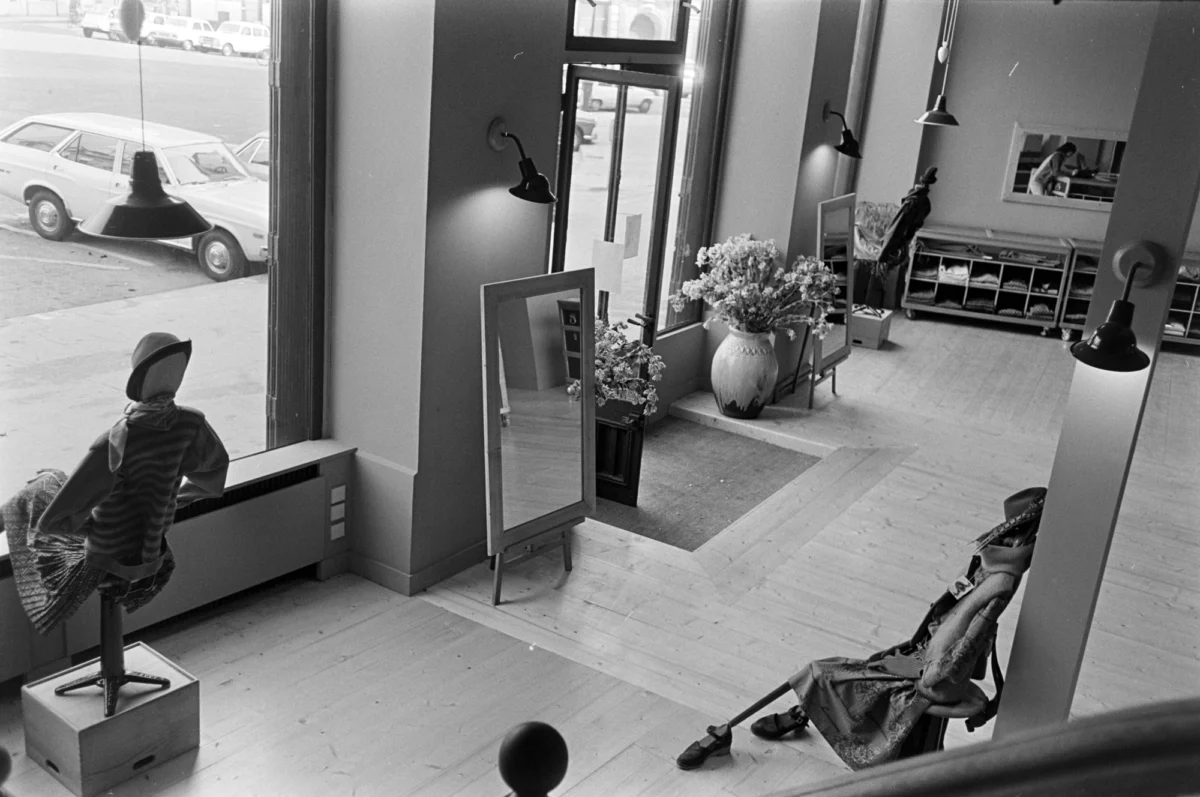
The Place des Victoires in Paris is more than just a picturesque, circular plaza; it is a storied landmark where the architectural grandeur of the 17th century meets the avant-garde pulse of contemporary fashion. As the equestrian statue of King Louis XIV stands watch over the converging streets of the 1st and 2nd arrondissements, the square is preparing for a homecoming that bridges half a century of design history.
LVMH-owned house Kenzo is set to transform this historic site into a multi-sensory retail destination. Running from June 22 to June 28, the takeover coincides with the brand’s invitation-only spring 2027 runway presentation during Paris Men’s Fashion Week. Far from a mere pop-up, this activation—which includes a florist, a café, and a Konbini-inspired market—marks a sentimental and strategic return to the brand’s spiritual home.
The Main Facts: A Convergence of Past and Present
The upcoming takeover is an immersive homage to the brand’s heritage. The pop-up, which features the latest fall 2026 collection designed by Nigo, Kenzo’s creative director since 2021, is heavily inspired by the personal aesthetics of the late founder, Kenzo Takada.
Visitors to the installation will encounter more than just clothing; they will step into a curated environment that features original furniture from Takada’s private apartment, including his personal desk, meticulously placed in the window displays to evoke the intimacy of the designer’s creative process.
The activation spans several addresses within the square:
- The Florist: Located at No. 8, in partnership with the acclaimed Parisian florist Debeaulieu.
- The Kenzo Café: Situated at No. 10 and imagined by the renowned event producer We Are Ona, the café will serve a Japanese-inspired menu, including matcha, usucha, hōjicha, specialty coffee, mochi, and kakigori desserts.
- The Kenzo Market: Located at No. 12, this space will offer exclusive snacks in bespoke Kenzo packaging, a selection of magazines curated by Nigo, and a dedicated T-shirt bar.
A Chronology: From 1970s Rebellion to 2026 Renaissance
To understand the weight of this takeover, one must look back fifty years. In the 1970s, Kenzo Takada established his headquarters and boutique at 3 Place des Victoires. In an era long before the term "retail experience" was a staple of marketing vocabulary, Takada turned his shop into a cultural phenomenon.
The Legendary Era (1970–1990)
Kenzo Takada’s boutique was a pioneer in experimental retail. Its reputation was cemented through theatrical window displays that defied the stuffy conventions of French luxury. Passersby were frequently stopped in their tracks by audacious installations, including a giant cardboard cowboy cutout and a life-sized elephant sculpture that became synonymous with the brand’s whimsical DNA.

The space was more than a store; it was a theater. The lore of the Place des Victoires location includes legendary opening parties that drew the creative elite of the decade. The peak of this era occurred in 1981, when the house hosted a massive show that saw the entire square tented over—a logistical and creative feat that remains a benchmark in fashion event history.
The Nigo Era (2021–Present)
Following the passing of Takada in 2020, the house entered a new chapter under Nigo. As the first Japanese designer to hold the creative director role since the founder, Nigo has spent his tenure synthesizing his own streetwear roots with the house’s archival archives. By returning to the Place des Victoires, Nigo is not merely copying the past; he is aligning the brand’s current visual identity with the geographic origins of its "Jungle Jap" spirit.
Supporting Data: The Geometry of Inspiration
The choice of the Place des Victoires is not accidental. Built in the 17th century, the square is defined by the convergence of six different streets. This architectural layout serves as a metaphor for Kenzo Takada’s design philosophy: the intersection of diverse cultures.
Takada, who moved to Paris from Japan in the mid-1960s, became a global icon by masterfully blending French tailoring, Japanese silhouettes, and global color palettes. The geometry of the square—a perfect circle where disparate paths meet—mirrors the "East meets West" aesthetic that made Kenzo one of the most recognizable brands in the world.
Furthermore, the integration of Japanese culinary staples like kakigori (shaved ice) and hōjicha (roasted green tea) into the pop-up café underscores the brand’s commitment to maintaining its Japanese identity while operating within the heart of the French capital. This is a deliberate cultural dialogue, facilitated by modern event experts like We Are Ona, ensuring that the experience is as authentic as it is stylish.
Official Perspectives: Crafting the Narrative
While the brand has kept details of the spring 2027 runway show tightly under wraps, its social media channels have been active with a cryptic, highly visual teasing campaign. The strategy, spearheaded by the LVMH communications team, focuses on the "archival-meets-future" narrative.
"We are not just selling clothes; we are inviting the public to revisit the spirit of 3 Place des Victoires," a brand representative noted during a recent briefing. The decision to display Takada’s personal furniture—items that have not been seen in public for decades—serves as an official signal that the house views itself as a custodian of fashion history, not just a label.

The collaboration with local artisans, such as the florist Debeaulieu, further embeds the brand into the local community. By utilizing multiple addresses in the square, Kenzo is effectively transforming a public space into a temporary "Kenzo Quarter," signaling a shift toward community-centric, hyper-local luxury experiences.
The Implications: What This Means for Fashion Retail
The "Victory Days" activation signals a significant shift in how legacy luxury houses engage with their physical footprints. As digital retail continues to dominate, the value of "place" has become a premium asset.
1. The Revival of "The Store as Theater"
Kenzo is betting that in an era of infinite digital scrolling, the physical "happening" is the ultimate luxury. By bringing back the theatricality of the 1970s—the window displays, the public-facing cafes, and the neighborhood market—Kenzo is attempting to reclaim the joy of shopping as a communal, rather than transactional, activity.
2. The Power of Cultural Continuity
For a brand that has seen several creative directors since its founder’s departure, the return to Place des Victoires serves as a grounding mechanism. It provides a narrative bridge for consumers who may be familiar with the modern Kenzo (the tiger logo, the streetwear) but less aware of the foundational history of the house. It anchors Nigo’s modern designs in the credibility of the founder’s legacy.
3. The Future of Fashion Week
Finally, this activation underscores a broader trend in Paris Fashion Week: the move away from sequestered, sterile white-box runway shows toward neighborhood-integrated events. By hosting an open-to-the-public market alongside an exclusive runway presentation, Kenzo is balancing the need for elite exclusivity with the need for grassroots cultural relevance.
As the tents go up and the florist begins to arrange the blooms at No. 8, the Place des Victoires is poised to feel, for one week at least, exactly as it did when Kenzo Takada first set his sights on the square: like the center of the fashion world. The "Victory Days" will likely serve as a blueprint for other houses looking to leverage their history to capture the imagination of a new generation of shoppers, proving that in fashion, the most effective way forward is often to circle back to where it all began.
 Nana Muazin
  Nana
Nana  Ali Ikhwan