
 By Nila Kartika Wati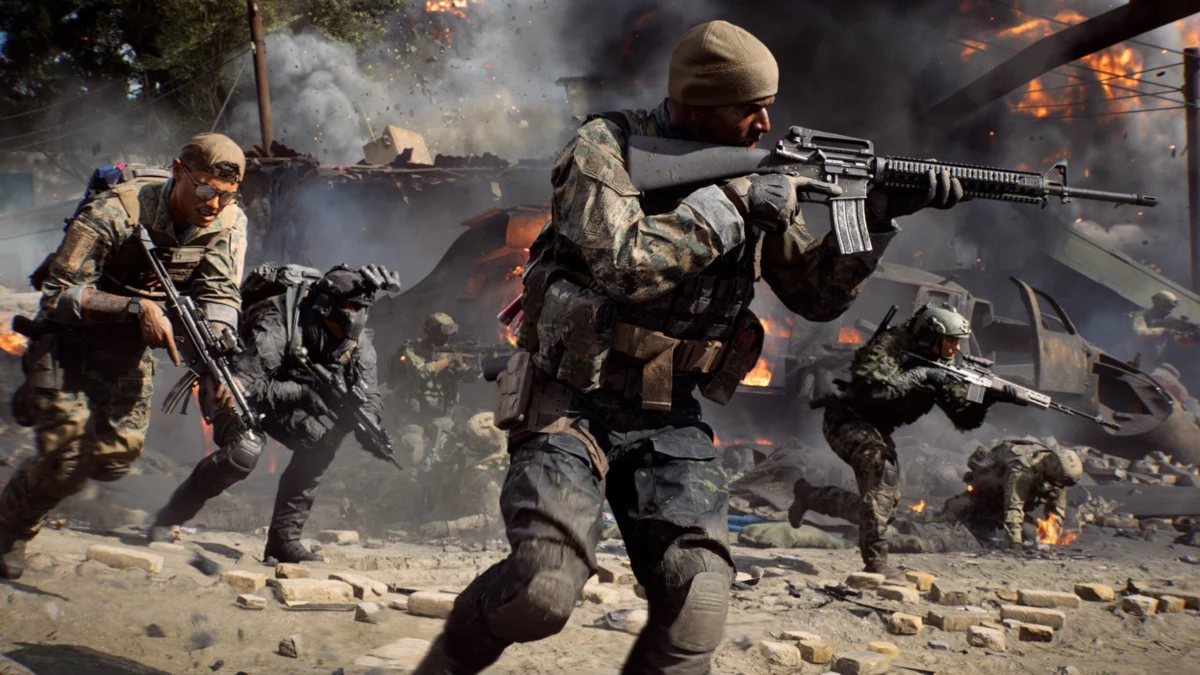
Battlefield Studios has officially released a targeted hotfix for Battlefield 6, aiming to stabilize the user experience following the turbulent arrival of the Season 3 mid-season update. The patch, identified as version 1.3.2.1, was deployed globally across PC, PlayStation 5, and Xbox Series X/S on Wednesday morning. While the update is relatively small in terms of file size, it represents a critical first step in the studio’s efforts to restore faith among a player base that has been vocal about the game’s recent technical regression.
This intervention comes after a period of intense scrutiny, during which the community reported a surge in game-breaking glitches that significantly hindered both navigation and core gameplay loops.
The Technical Landscape: Core Issues Addressed
The 1.3.2.1 hotfix focuses on two high-priority systemic issues that have been dominating player feedback forums and social media channels since the last major update.
1. The Deploy Screen Cursor Malfunction
Perhaps the most disruptive issue introduced by the mid-season patch was the erratic behavior of the deploy screen cursor. Players reported that the cursor would spontaneously dart across the UI, rendering the selection of spawn points nearly impossible. In a high-stakes, team-based tactical shooter like Battlefield 6, the inability to spawn efficiently is effectively a game-breaking defect. By addressing this, Battlefield Studios has restored the fundamental functionality required to engage with the game’s core combat loops.
2. Content Package Installation Void
The second major fix concerns the internal management of content packages. Previously, players attempting to install or uninstall specific game modules—such as the single-player campaign, multiplayer components, or the Redsec expansion—via the in-game menu were met with a "black void" error. This forced players to navigate through cumbersome console front-ends or external launchers to manage their installs. The hotfix rectifies this pathway, ensuring that the in-game content manager now functions as intended.
Chronology of the Stability Crisis
To understand the current state of Battlefield 6, one must examine the timeline of the recent update cycle.
- Pre-Patch (Early Season 3): The game maintained a baseline level of stability, with players generally satisfied with the content cadence.
- Mid-Season Update Deployment: Upon the release of the mid-season content patch, reports of instability began to flood the official Battlefield communication channels. Users described a cascade of performance regressions, ranging from UI glitches to severe graphical artifacts.
- The Weekend of Feedback: As player frustration peaked, Battlefield Studios took the unusual step of publishing a "shortlist" of known issues via their official social media channels, acknowledging that the volume of bugs exceeded initial internal projections.
- Wednesday, 1.3.2.1 Release: The deployment of the current hotfix marks the first tangible response to the community’s outcry, signaling a transition from the "investigation" phase to the "remediation" phase of the development cycle.
Supporting Data and Persistent Challenges
Despite the successful deployment of version 1.3.2.1, the developer’s work is far from complete. An analysis of the community bug reports—compiled through both official forums and independent tracking sites—reveals a significant backlog of issues that remain under investigation.
The "Redsec" Lighting Glitch
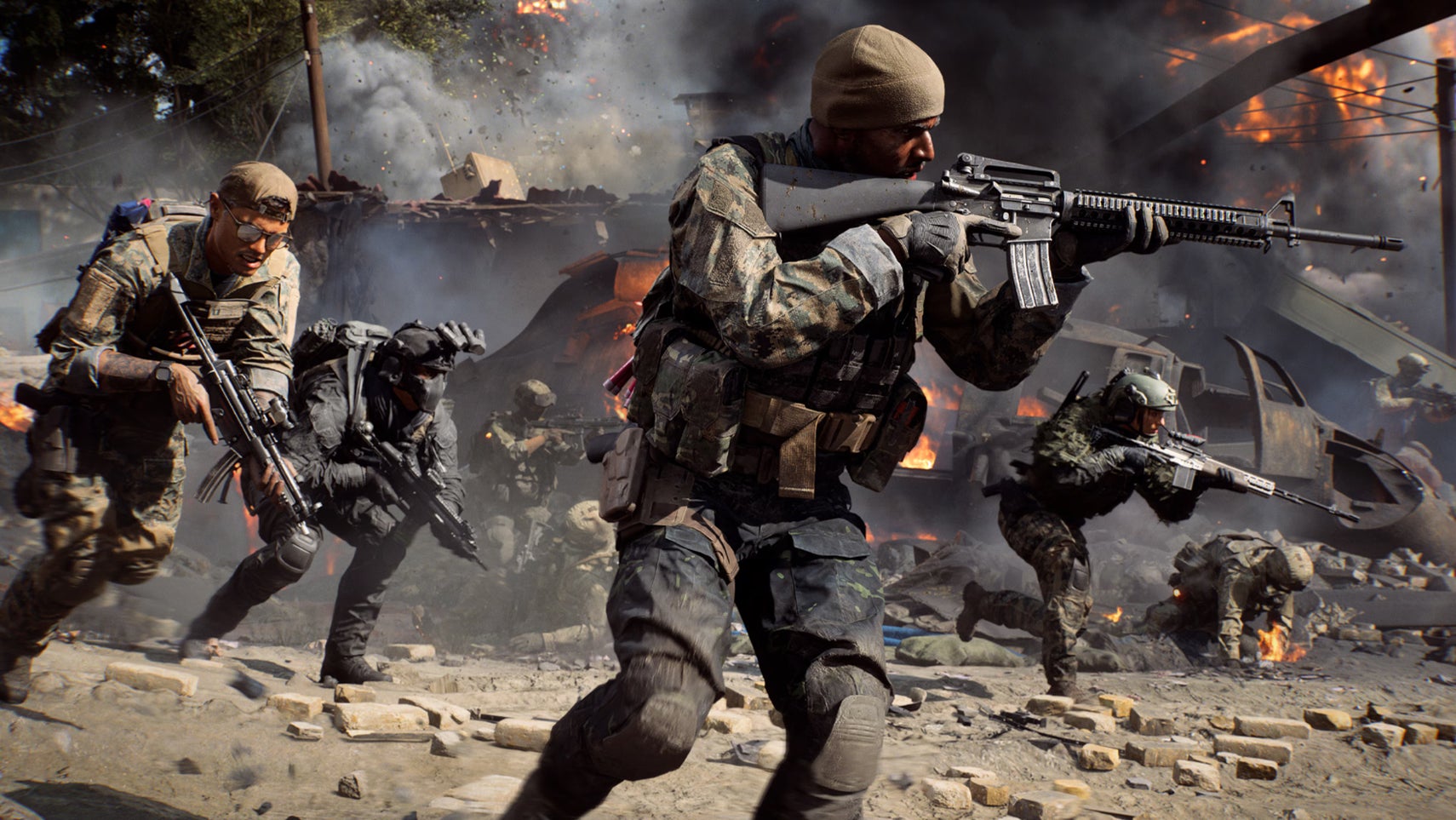
One of the most persistent issues involves the Redsec environment, where players have reported severe lighting engine malfunctions. These bugs manifest as flickering shadows, blinding light blooms, and inconsistent ambient occlusion. Developers have suggested that this is not a simple parameter tweak; rather, it appears to be a deeper issue involving the game’s rendering pipeline, which will require a more substantial patch than a standard hotfix.
Gadget and Mode Imbalance
Beyond environmental issues, several tactical gadgets are currently misbehaving. Players have reported that specific high-tier equipment—intended to offer strategic advantages—are either failing to deploy or are triggering incorrect cooldown sequences. Furthermore, certain game modes have seen a degradation in matchmaking efficiency, leading to unbalanced lobby sizes and increased latency.
Official Responses and Developer Strategy
Battlefield Studios has adopted a transparent, albeit cautious, communication strategy. By publicly documenting the issues they are currently tracking, the studio is attempting to manage expectations while demonstrating that they are listening to the community.
In a recent internal memo shared with the press, a studio spokesperson noted, "Our primary objective is to restore the integrity of the core experience. We understand that our players expect a seamless tactical environment, and the recent mid-season update fell short of those standards. We are prioritizing stability over new feature development until these lingering bugs are resolved."
This pivot in strategy is telling. It suggests that the roadmap for the remainder of Season 3 may be delayed to allow engineers the necessary time to focus on quality-of-life improvements.
The Broader Implications for the Franchise
The current state of Battlefield 6 serves as a case study in the challenges of managing "Live Service" titles. As games become more complex, the interplay between server-side updates and client-side performance becomes increasingly fragile.
The Cost of Technical Debt
The reliance on rapid-fire updates to keep a game "fresh" often results in the accumulation of technical debt. When features are added faster than the underlying engine can stabilize, the resulting bugs are not merely cosmetic; they fundamentally alter the competitive balance. For Battlefield 6, the recent stability issues have sparked a larger conversation within the community regarding the necessity of "Operation Health" style seasons—periods dedicated entirely to bug squashing rather than content expansion.

Impact on Player Retention
In the competitive landscape of the FPS genre, player retention is contingent upon reliability. When a game suffers from technical inconsistency, the barrier to switching to a competitor is lowered significantly. If Battlefield Studios cannot demonstrate a consistent trajectory of improvement, they risk alienating the core veteran player base, which is crucial for the long-term viability of the franchise.
Looking Toward the Future
The immediate success of the 1.3.2.1 hotfix will be measured not just by the absence of the "cursor darting" bug, but by how quickly the team can address the remaining items on their shortlist. The next few weeks are critical. If the studio manages to resolve the Redsec lighting issues and the gadget malfunctions, they will likely recover the momentum lost during the Season 3 mid-season launch.
However, if these issues persist, the studio may be forced to reconsider their deployment schedule for the remainder of the year. For now, the players are waiting—and watching. The commitment shown by the development team in this latest patch is a positive indicator, but in the fast-paced world of online gaming, the industry standard for "good enough" is constantly rising.
Summary Checklist for Players
For those currently navigating the Battlefield 6 ecosystem, the following steps are recommended:
- Verify Game Integrity: Ensure your client has updated to version 1.3.2.1. If you are still experiencing the cursor bug, perform a local file verification via your platform’s launcher.
- Report, Don’t Assume: If you encounter a new bug, utilize the in-game reporting tool rather than just posting on social media. The data collected from the automated logs is the primary driver for the studio’s patch priorities.
- Monitor Official Channels: Keep an eye on the official Battlefield Studios X/Twitter account for real-time updates regarding further hotfixes that may be deployed outside of the standard update cadence.
The road to a stable Battlefield 6 is still under construction, but with this latest patch, the developers have at least stopped the bleeding. Whether they can fully restore the game to its peak potential remains the central question for the weeks ahead.
 Laily UPN
  Asro
Asro 