
 By Nana Muazin
In the high-stakes world of professional photography, the memory card is the final gatekeeper between a once-in-a-lifetime shot and a permanent digital void. Yet, a growing shadow industry is threatening that security. This week, Lee Morris of Fstoppers ignited a firestorm within the photography community with a video titled "Your Memory Cards Are Probably Fake." His thesis is provocative and alarming: he asserts that counterfeiters have become so sophisticated that even the most discerning photographers are likely unknowingly using fraudulent storage media.
While the claim that "nearly every photographer" is a victim may be hyperbole, the underlying reality is a growing crisis of trust in the digital marketplace. As the cost of high-performance memory continues to climb, the temptation to hunt for "deals" has created a fertile breeding ground for scammers who exploit the disconnect between camera technology and consumer shopping habits.
The Anatomy of a Digital Scam
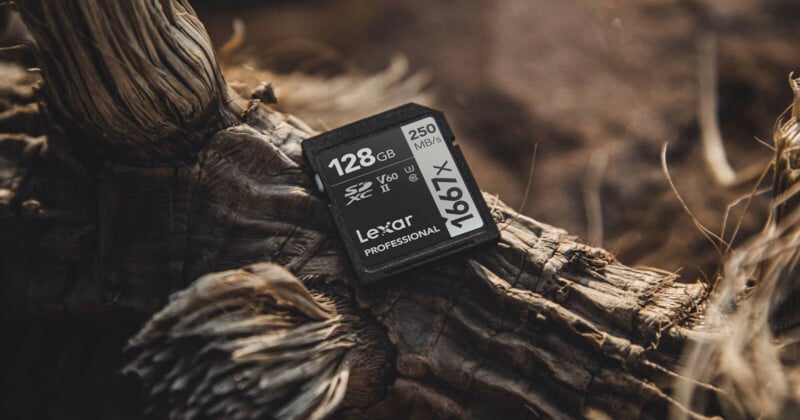
The mechanics of the counterfeit memory card trade are deceptively simple yet devastatingly effective. Much like the illicit trade in scam solid-state drives (SSDs) and hard drives, the business model relies on "identity theft" of legitimate hardware. Scammers procure low-cost, low-capacity, and low-speed NAND flash chips—often rejected "bin" stock—and house them in shells that perfectly mimic the branding, packaging, and aesthetic of industry giants like SanDisk, Lexar, and Samsung.
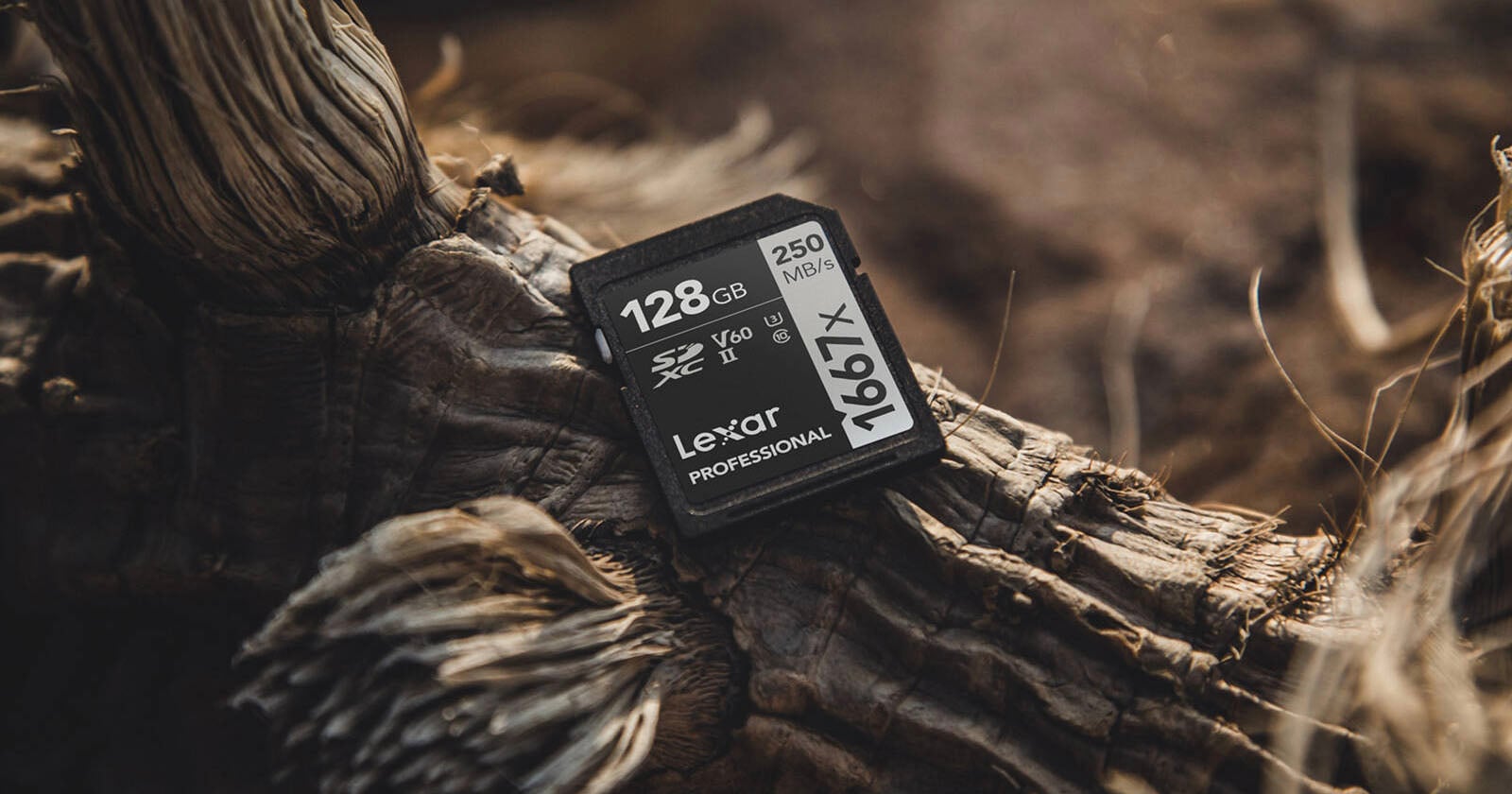
To the naked eye, these fakes are often indistinguishable from the genuine article. A photographer holding a counterfeit card is rarely alerted by physical flaws. The fraud is only revealed when the card is pushed to its limits. Victims typically encounter one of two catastrophic scenarios:
- Capacity Fraud: The card reports a massive storage capacity (e.g., 512GB) to the operating system, but once the user exceeds the actual, much smaller physical capacity of the internal chip, the card begins overwriting older data or simply corrupting new files.
- Speed Mismatch: The card may claim "V90" or "Extreme Pro" status, but the internal components are incapable of sustaining the high write speeds required for 4K or 8K video, leading to dropped frames and write errors during critical shoots.
Detecting these fakes requires technical diligence. Industry experts and analysts frequently point to tools like F3XSwift or the Blackmagic Disk Speed Test as the gold standard for verifying that a card’s performance and capacity align with its label.
A Timeline of the Marketplace Crisis
The rise of the counterfeit card is inextricably linked to the evolution of online retail.
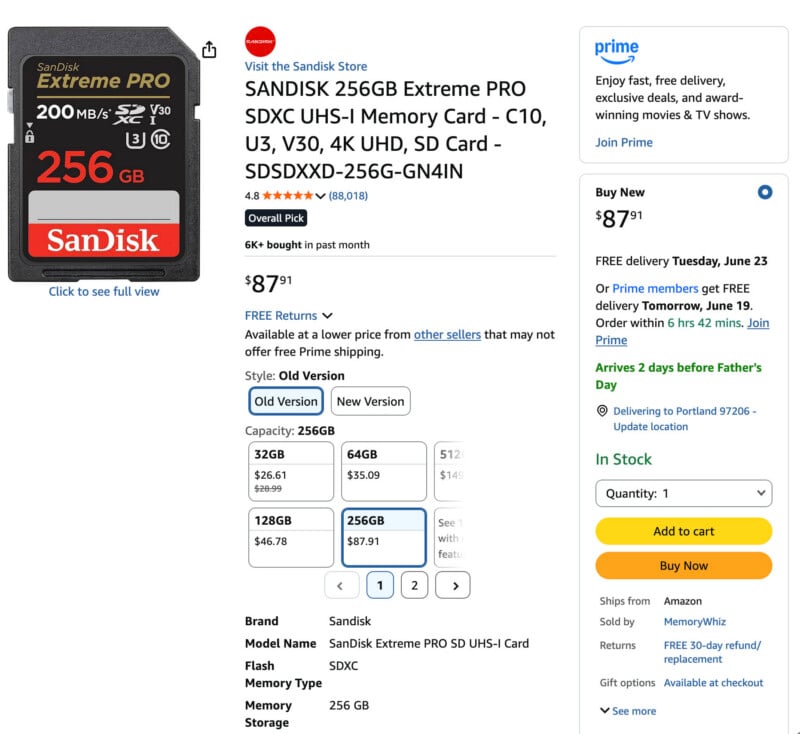
- The Rise of Third-Party Fulfillment: Over the last decade, major marketplaces like Amazon and Walmart shifted toward a "marketplace" model. While this increased inventory, it diluted the chain of custody. A product page on Amazon might feature a "Visit the SanDisk Store" link, but the actual fulfillment might come from a rotating list of third-party sellers with opaque reputations.
- The SanDisk Transition: The confusion was compounded recently by SanDisk’s high-profile split from its parent company, Western Digital. This corporate restructuring led to a flurry of logo changes and packaging redesigns. As Morris noted, these frequent aesthetic shifts make it nearly impossible for the average consumer to perform a "visual inspection" to verify authenticity.
- The "Deal-Hunter" Trap: As camera bodies have become more expensive, many photographers have ironically sought to save money on accessories. This psychological vulnerability—spending $4,000 on a body but $30 on a "discounted" high-capacity card—is precisely what scammers target.
The Role of Authorized Retailers vs. Marketplaces
A significant point of contention in the current discourse is the "Ships from and sold by" designation. Critics of current marketplace models argue that platforms are failing to properly highlight authorized resellers.
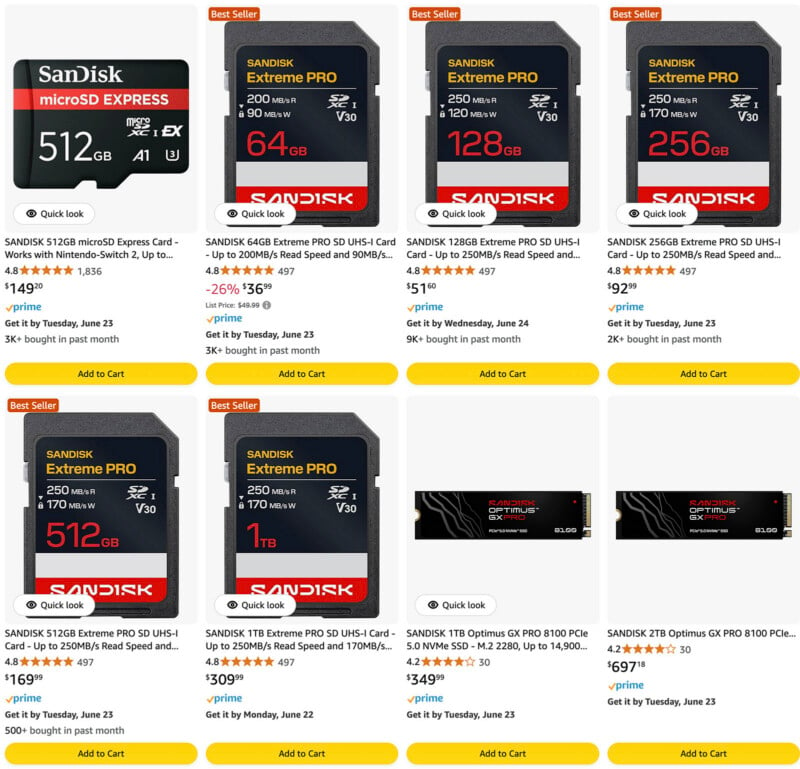
For example, when a user searches for a SanDisk card, they are often presented with a list of sellers. One might be "MemoryWhiz," a seller with no established physical footprint, while another, perhaps a reputable camera retailer like Adorama, is buried further down the list. Morris highlighted this issue, noting that even if a product page seems legitimate, the actual vendor fulfilling the order can change at the click of a button, often without the user noticing.
Expert Perspectives and Corporate Responses
The narrative that these cards are purely "re-labeled" components is, according to industry experts, an oversimplification. Chris Kooistra, Vice President of Marketing at OWC, explains that while it is true that only a few companies worldwide actually fabricate NAND flash memory, the "brand" is not merely a label—it is a promise of quality control.
"What separates brands is everything that happens after the fabrication," Kooistra tells PetaPixel. "It’s about which grade of NAND gets selected, how the controller and firmware are tuned, and how much validation the card undergoes." OWC, for instance, uses proprietary software like Innergize to maintain the health and firmware integrity of their cards, creating a closed-loop ecosystem that makes counterfeit cards easy to spot—they simply won’t communicate with the diagnostic software.
Lexar, another major player in the space, has also weighed in, confirming that the counterfeit market is a known challenge. In an official response, Lexar emphasized that while they actively monitor marketplaces to remove fraudulent listings, they cannot control every transaction. They explicitly cautioned against buying from unauthorized channels like eBay and noted that consumers should treat "unusually low prices" as a red flag.
Furthermore, Lexar raised a critical point regarding the journalistic integrity of recent viral videos on the subject. They noted that some content creators are participating in paid collaborations with data recovery services—platforms that stand to profit when photographers lose their data. "Lexar offers free image recovery software," the company noted, contrasting their value-add with the business model of some data recovery firms.
The Hidden Implications for Photographers
The implications of this crisis go far beyond the loss of a few dollars on a bad card. For professional photographers, a counterfeit card is a ticking time bomb. The "hidden cost" of a $50 counterfeit card is the potential loss of thousands of dollars in billable work, the destruction of client trust, and the permanent loss of non-replicable moments.
The data suggests that the problem is not going away. As long as retail giants prioritize inventory volume over strict seller verification, the onus of security remains squarely on the shoulders of the consumer.
How to Protect Your Data
To mitigate the risk of purchasing a counterfeit memory card, industry experts and manufacturers recommend the following best practices:

- Buy from Authorized Retailers: Use the "Where to Buy" pages on the official websites of major manufacturers like Lexar, SanDisk, and ProGrade. If a retailer is not on that list, do not buy from them.
- The "Amazon Check": If you must use Amazon, verify that the item is "Shipped from and sold by Amazon.com" or a verified, reputable camera retailer. Avoid third-party sellers with unknown names.
- Trust Your Gut on Pricing: If a 1TB V90 card is being sold for 60% of the price of every other retailer, it is almost certainly a scam.
- Test Immediately: Never put a new card into a professional shoot without first testing it. Use software like Blackmagic Disk Speed Test to ensure the card hits the advertised write speeds, and fill the card to near-capacity to ensure the firmware isn’t reporting a fake size.
- Use Ecosystem Tools: If your card manufacturer provides proprietary diagnostic software, use it. It is the most reliable way to verify the authenticity of the controller and the NAND health.
Conclusion: A Call for Better Transparency
The debate over counterfeit memory cards is a symptom of a larger issue in modern e-commerce: the lack of accountability in the supply chain. While content creators like Lee Morris have brought much-needed attention to the prevalence of these scams, it is clear that individual vigilance is not enough.
True change will require a combination of stricter oversight from platforms like Amazon and a shift in consumer behavior. Photographers must stop viewing memory cards as a commodity that can be bought on the cheap. In an era where data is our most valuable asset, the card that stores it deserves as much scrutiny as the camera body itself. Until the marketplaces clean up their storefronts, the best defense against a catastrophic data loss remains a healthy skepticism of "too good to be true" deals and a strict adherence to authorized retail channels.
 Laily UPN
  Reynand Wu
  Lina Hope