
 By Asep Darmawan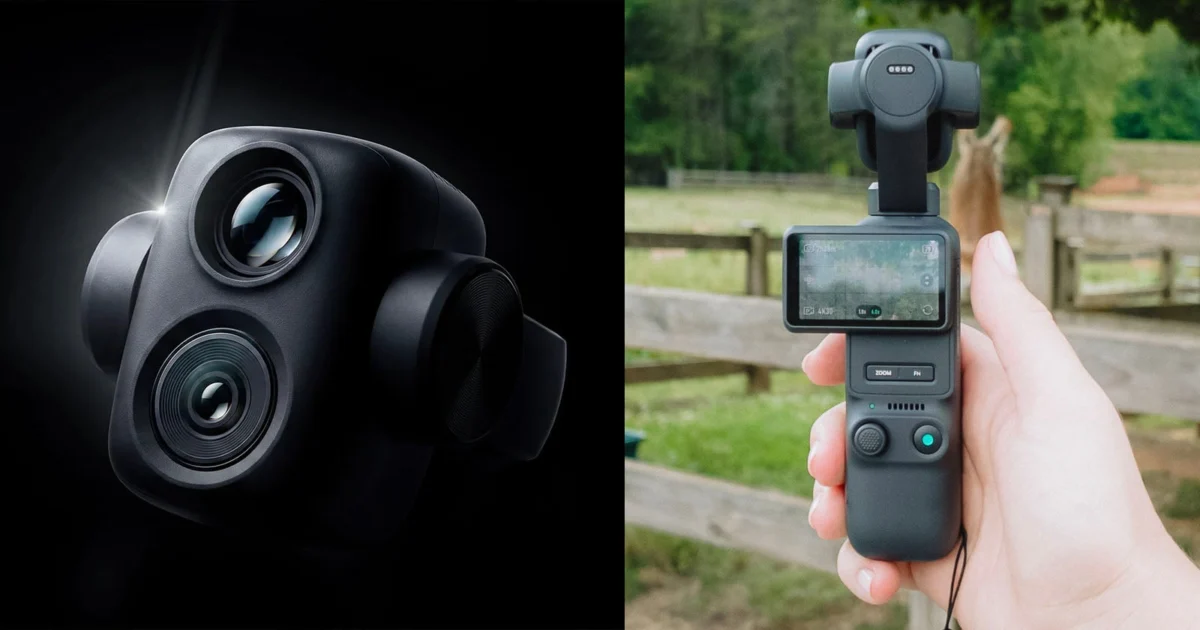
In a move that signals a potential death knell for a controversial sector of the camera market, the company known as Xtra has abruptly pulled the plug on its highly anticipated Muse 2 Pro gimbal camera. The decision, which includes the immediate cessation of pre-orders and the initiation of full refunds to early adopters, follows an aggressive enforcement campaign by the U.S. Federal Communications Commission (FCC) targeting companies suspected of circumventing import bans on DJI technology.
The Xtra Muse 2 and Muse 2 Pro had gained notoriety in the photography community for being near-identical "lookalikes" of the DJI Osmo Pocket 4 and 4P—a product line that has been largely inaccessible to U.S. consumers due to ongoing regulatory restrictions. By rebranding and slightly modifying these devices, companies like Xtra had successfully operated in a legal gray area for months, but the regulatory noose is finally tightening.
A Chronology of Escalation: From "Early Bird" to Regulatory Freeze
The downfall of the Muse 2 Pro did not happen in a vacuum. It is the culmination of a cat-and-mouse game between U.S. regulators and a network of distributors attempting to feed the domestic appetite for advanced, compact gimbal technology.
- Mid-2025: As DJI faced increasing scrutiny, products like the Xtra Muse series began appearing on the market, marketed as high-performance alternatives to the restricted DJI ecosystem.
- April 2026: The U.S. market officially solidified its position against the latest DJI Osmo Pocket iterations, effectively barring them from mainstream distribution. Xtra surged to fill the void, positioning its hardware as a "legal" alternative.
- July 10, 2026: The FCC escalated its posture, issuing formal fines to a cluster of companies—including Xtra—accused of acting as "fronts" for banned DJI technology. The Commission’s primary contention was that these firms failed to provide transparent documentation regarding their supply chains and technological origins.
- July 21, 2026: The FCC publicly named Xtra and similar entities in a sweeping announcement, placing them directly in the crosshairs of federal trade enforcement.
- Late July 2026: Within days of the FCC announcement, Xtra abruptly scrubbed the Muse 2 Pro from its digital storefront. Photographer Francis Alvarez, among others, confirmed that Xtra had reached out to pre-order customers, citing an "inability to confirm a reliable launch timeline."
The "Clone" Dilemma: Analyzing the Technology
To understand why the FCC is acting with such speed, one must look at the hardware itself. The Xtra Muse 2 and Muse 2 Pro were never truly original designs. Industry experts and teardown analysts have noted that the internal components, the stabilization algorithms, and even the form factor of the Muse series bear the unmistakable signature of DJI’s proprietary engineering.
The core of the issue lies in the definition of a "front company." The FCC alleges that these firms are not independent manufacturers but rather shell entities designed to mask the provenance of hardware that is otherwise subject to strict U.S. import bans. Because these companies have consistently failed to explain how their "proprietary" tech shares the exact physical and software characteristics of banned DJI equipment, the FCC has concluded that the hardware is, for all intents and purposes, a workaround of existing trade sanctions.
For the consumer, the appeal of the Muse 2 Pro was obvious: it offered the premium, high-quality, stabilized 4K video experience of a DJI Osmo Pocket at a price point under $700. However, the price of that bargain has now become a liability, as owners of these devices may eventually find themselves with hardware that lacks manufacturer support, firmware updates, or even the ability to function as the network infrastructure required for app connectivity is shuttered.
Official Responses and Corporate Silence
The communication from Xtra regarding the cancellation has been notably sparse. In an email sent to early supporters, the company stated: "We have not announced a new product launch timeline at this time. Further information will be shared separately once the relevant plans are confirmed."
This language, while standard for corporate damage control, is widely viewed by industry observers as a soft exit. By labeling the pause as a "launch timeline" issue rather than a permanent cancellation, Xtra is likely attempting to mitigate legal exposure while it determines if it can survive the current federal investigation.
However, the company’s recent behavior suggests a lack of confidence in its own survival. PetaPixel has made multiple attempts to contact Xtra for comment regarding the FCC’s allegations and the status of their operations. To date, those inquiries have gone unanswered, and the company’s silence speaks volumes in an industry that usually thrives on high-energy, aggressive marketing.
Implications for the Photography Industry
The collapse of the Xtra Muse 2 Pro program serves as a stark warning to both consumers and smaller tech distributors. The implications are three-fold:
1. The Death of the "Gray Market" Loophole
For years, the photography market has seen a rise in devices that look, feel, and act like major brand products but are sold under obscure labels. The FCC’s crackdown proves that the government is no longer looking merely at the brand name on the box, but at the intellectual property and supply chain beneath it. This will likely lead to a cooling of the "clone" market as the risk of being fined by the federal government begins to outweigh the profit margins of selling unauthorized imports.
2. Consumer Protection Risks
The Xtra incident highlights the inherent dangers for consumers who participate in crowdfunding or "Early Bird" programs for products that rely on controversial technology. Customers who provided deposits are currently in a state of limbo. While Xtra has promised refunds, the financial stability of a company under federal investigation is rarely guaranteed. If a company goes bankrupt while under the weight of federal fines, customers may find their deposits caught in a long, drawn-out legal process.
3. The Future of DJI’s Domestic Dominance
The irony of this situation is that the FCC’s efforts to keep DJI-linked tech out of the country are arguably driving a stronger demand for it. Because consumers cannot buy the latest DJI gear through authorized U.S. retailers, they are turning to riskier, third-party sellers. By shutting down these third-party sellers, the FCC is effectively leaving a void in the market that may eventually force a shift in how DJI is allowed to operate in the U.S. or, conversely, leave the U.S. market without a viable alternative to the gear that the government is so intent on banning.
What’s Next?
As the 30-day public commenting period on the new FCC bans begins, the future of Xtra remains in serious doubt. The industry is watching to see if this is an isolated incident or the beginning of a broader systemic purge of "DJI-lookalike" distributors.
For the average photographer, the takeaway is clear: the era of the "too-good-to-be-true" gimbal clone is likely drawing to a close. As regulatory bodies continue to prioritize national security and intellectual property protection, the ease with which these devices once entered the country will be replaced by a new, more rigorous vetting process—one that companies like Xtra seem ill-equipped to survive.
For now, the Muse 2 Pro will go down in history not as a revolutionary piece of gear, but as a cautionary tale of what happens when hardware ambition collides with the immovable force of federal trade policy.
 Raul Delapena Setiawan
  rifanmuazin
  Ammar Sabilarrohman