
 By Dwi Wanna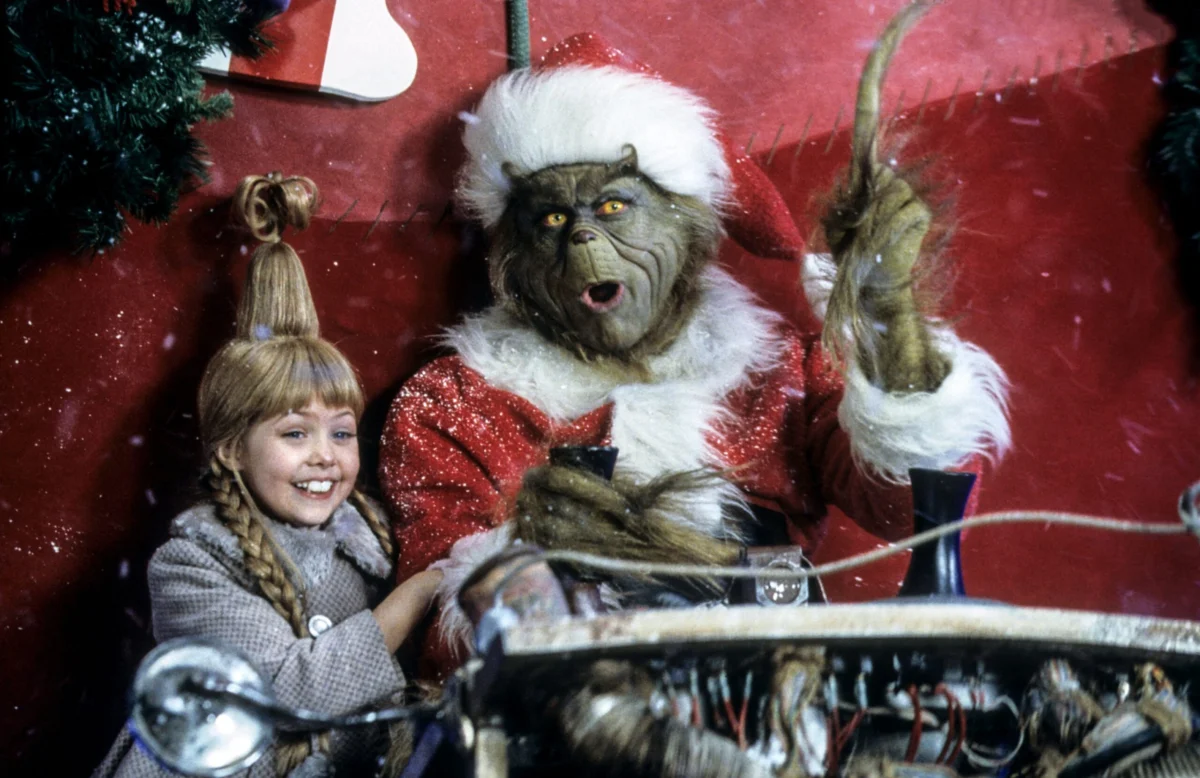
More than two decades after he first donned the prosthetic green fur and cynical scowl of Dr. Seuss’ most famous curmudgeon, Jim Carrey may be poised to return to the snowy slopes of Mount Crumpit. Sources close to the production have confirmed that Universal Pictures and Imagine Entertainment are in the early stages of developing a sequel to the 2000 holiday blockbuster, How the Grinch Stole Christmas.
The project, which would reunite the original creative powerhouse behind the film, represents a significant move for Universal as it looks to leverage its most iconic intellectual properties. While the project remains in the development phase—with stakeholders emphasizing that negotiations are ongoing and could still falter—the potential for a return to the world of Whoville has already sparked considerable excitement within the industry.
The Dream Team Reassembles
The proposed sequel aims to bring back the core trio that turned the live-action adaptation into a cultural phenomenon. Jim Carrey, whose physically transformative performance as the Grinch defined a generation of holiday cinema, is currently in discussions to reprise the role. Alongside him, Academy Award-winning director Ron Howard is expected to return to the director’s chair, bringing the same whimsical, high-production-value aesthetic that made the original film a massive financial success.
Brian Grazer, the visionary producer and co-founder of Imagine Entertainment, is also attached to return as a producer. The reunion of this specific creative team is a strategic masterstroke; the 2000 film was a juggernaut, earning over $350 million at the global box office—a staggering figure at the turn of the millennium—and cementing its place as a perennial staple of holiday television and home media.
A Legacy of Laughter and Controversy: The Writing Team
Should the project receive a formal greenlight, the script will be handled by a trio of comedy heavyweights: Alec Berg, Jeff Schaffer, and David Mandel. This team brings a distinct comedic pedigree, having collectively shaped the landscape of modern television through their work on Barry, Silicon Valley, Veep, and Curb Your Enthusiasm.
However, their involvement also introduces an intriguing narrative thread. The trio previously collaborated on the 2003 live-action adaptation of Dr. Seuss’ The Cat in the Hat, starring Mike Myers. While that film is remembered for its polarizing reception and its ignominious sweep at the Razzie Awards—where it infamously won for "Worst Excuse for an Actual Movie"—the creative team has since evolved into some of the most respected voices in the comedy industry. Their transition from the chaotic, surreal humor of The Cat in the Hat to the sharp, character-driven satire of Veep and Barry suggests a more sophisticated approach to the Grinch’s return, potentially grounding the sequel in the nuanced, cynical wit that made the original live-action film so memorable.
Chronology: From Book to Blockbuster and Beyond
To understand the significance of this potential sequel, one must look at the history of the property within the cinematic landscape:
- 1957: Dr. Seuss publishes the original children’s book, How the Grinch Stole Christmas!, establishing a moral fable about the commercialization of the holidays.
- 1966: The beloved animated television special, narrated by Boris Karloff, debuts, setting the gold standard for Grinch adaptations.
- 2000: Ron Howard’s live-action How the Grinch Stole Christmas hits theaters. It becomes the highest-grossing film of that year in the United States.
- 2003: The aforementioned The Cat in the Hat adaptation is released, cooling Hollywood’s immediate appetite for further Dr. Seuss live-action experiments.
- 2018: Universal and Illumination Entertainment release a highly successful animated feature, The Grinch, which introduced the character to a new generation of audiences and proved that the franchise remained a goldmine for the studio.
- 2024: Development discussions for a live-action sequel involving the original cast and crew are formally reported for the first time.
Jim Carrey: A Rare Return to Iconic Characters
The return of Jim Carrey to the Grinch is perhaps the most compelling aspect of this development. After a prolific career in the 1990s and early 2000s, Carrey has become increasingly selective with his projects in recent years, often prioritizing personal artistic endeavors and vocal advocacy.
His decision to step back into the makeup chair is a rare move for an actor who has famously expressed ambivalence toward traditional sequels. However, his successful return to the role of Dr. Robotnik in the Sonic the Hedgehog franchise demonstrates that Carrey is willing to revisit legacy roles when the creative circumstances are right. With Sonic the Hedgehog 4 already on the horizon for 2027, the prospect of Carrey balancing a massive franchise return alongside a return to his most iconic holiday role indicates a renewed interest in populist filmmaking.
Supporting Data: Why Now?
Universal’s decision to pursue this project is driven by more than just nostalgia. The "legacy sequel" market has proven to be a reliable engine for the box office, with films like Top Gun: Maverick and Beetlejuice Beetlejuice proving that audiences have a deep, enduring appetite for revisiting characters from the late 20th century.
Furthermore, the Dr. Seuss brand remains a cornerstone of Universal’s IP portfolio. The 2018 animated Grinch film, which grossed over $500 million globally, proved that the character is a multi-generational draw. By combining the star power of Jim Carrey with the prestige of Ron Howard and a razor-sharp writing team, Universal is essentially positioning the sequel as a "four-quadrant" event—a film designed to appeal equally to the children of today and the adults who grew up with the 2000 original.
Administrative Oversight
The project is being managed with significant care, reflecting the importance of the Dr. Seuss estate. Susan Brandt, the CEO of Dr. Seuss Enterprises, is directly overseeing the development to ensure that the project adheres to the spirit and tone of the Seuss legacy.
On the studio side, the project is being shepherded by Britt Hennemuth, the Senior Vice President of Production Development and Special Projects, and Creative Executive Christina Hoffrogge. The involvement of such high-level executives underscores the studio’s commitment to making this a flagship production.
The Implications: A New Era for Seuss?
If the project moves forward, it could signal a major shift in how Hollywood adapts literary classics. The 2000 film was defined by its prosthetic-heavy, practical-effects-driven world. In an era dominated by CGI, there is a question of whether the new film will lean into modern digital technology or maintain the tactile, "handmade" aesthetic of the Howard original.
Additionally, the hiring of Berg, Schaffer, and Mandel suggests that the studio is not aiming for a simple, sentimental retread. Instead, the team is likely to infuse the script with the cynical, dry, and fast-paced humor that characterizes their work on Curb Your Enthusiasm. This could potentially create a film that is more self-aware and satirical than the original, appealing to the sensibilities of modern audiences who prefer their holiday films with a side of irony.
As of now, the industry waits for official word on whether the pieces will fall into place. Should they succeed, it would mark one of the most high-profile cinematic reunions of the decade—a chance for Jim Carrey to revisit his most "mean one" and for a new generation to see the Grinch brought to life with the same manic, brilliant energy that defined the turn of the millennium. Until then, the Whos of Whoville remain in a state of suspended animation, waiting to see if their mountain-dwelling neighbor will indeed make his grand, grumpy return.
 Asep Darmawan
  Azzam Bilal Chamdy