
 By Nila Kartika Wati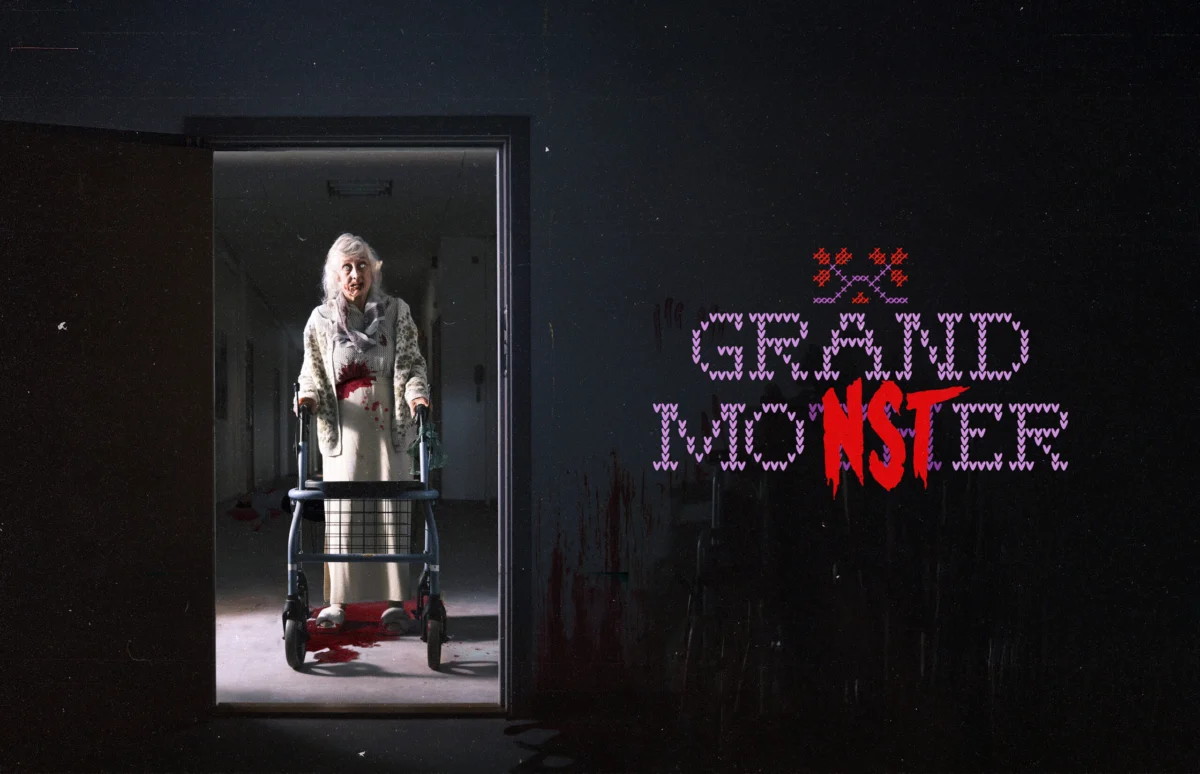
The global landscape of genre filmmaking has once again converged on the Fantasia International Film Festival, where the Frontières Co-Production Market—the industry’s premier incubator for horror, sci-fi, and fantasy cinema—concluded its most ambitious edition to date. On July 25, the market reached its crescendo at a closing cocktail reception, where six projects were honored with prestigious accolades, signaling the future of dark and imaginative storytelling.
Among the standout winners, the Norwegian zombie comedy Grandmonster captured the top honor, taking home the coveted Outpost Award. The project, which marries the grotesque with the sentimental, emerged as the darling of a market that continues to bridge the gap between creative vision and global distribution.
The Main Event: Grandmonster Leads a Diverse Winners’ Circle
The Frontières Co-Production Market, which drew 300 industry delegates from 24 countries, is more than just a networking event; it is a vital engine for the independent film economy. This year’s selection process was particularly rigorous, spanning several competitive strands including the Official Selection, Genre Lab, Shorts to Features, and Music.
The top prize—the Outpost Award, featuring CAD$15,000 in post-production services—was awarded to director Vegard Dahle’s Grandmonster. The film’s premise is as audacious as it is heartfelt: an American dropout, desperate to save her grandmother from the ravages of dementia, inadvertently triggers a full-scale zombie outbreak at a secluded Norwegian nursing home.
Dahle and producer Jon Vatne won over the audience during the July 22 pitching event, appearing in matching sweaters and delivering a presentation marked by the same dry, self-deprecating wit that defines their film. The response from the packed room—a mixture of fellow filmmakers, financiers, and international buyers—was raucous, proving that horror-comedy remains a potent, high-demand commodity in the international market.
A Chronology of the Market
The road to the closing ceremony was paved with intense collaboration and strategic networking. The market’s schedule was meticulously curated to maximize the impact of every pitch.
July 22: The Pitching Marathon
The heart of the event took place on this day, as creators of the 20 official selection titles took the stage. The energy was palpable as teams presented their visions to industry heavyweights. The standout moments of the day included the debut of Grandmonster, as well as the unveiling of high-concept genre projects from across the globe, including Thailand and Canada.
July 23–24: Industry Deep Dives
Following the pitches, the market shifted focus toward the granular mechanics of filmmaking. One-on-one meetings between producers and investors took center stage, with seminars focusing on the shifting economics of international co-productions, the integration of new technologies in post-production, and the legal hurdles of cross-border distribution.
July 25: The Closing Cocktail
The final day provided a moment of reflection. As the dust settled on the meetings, the industry gathered to celebrate the projects that had generated the most buzz. The announcement of the six major awards served as a roadmap for what audiences can expect to see on festival circuits in the coming years.
Supporting Data: The Winners and the Prizes
The awards distributed at Frontières represent a tangible investment in the future of genre cinema. By providing post-production services and prestigious platform opportunities, these prizes remove the most significant barriers for emerging filmmakers.
The Full List of Honorees:
- Outpost Award (CAD$15,000 in services): Grandmonster (Norway). A dark, comedic take on the zombie subgenre.
- Outpost Special Mention (CAD$5,000 in services): Reset (U.S.). A sci-fi drama exploring a dystopian program that reverts the elderly into children to maintain economic productivity, directed by Celine Tien and Jerry Hsu.
- Outpost Special Mention (CAD$5,000 in services): Sea Spirits (Haiti). A gothic folk horror piece by Edson Jean, centered on a mother’s grief and her daughter’s haunting presence.
- PurpleDOG Award – Official Selection (CAD$10,000 in services): Cher (Thailand). A supernatural folk horror focusing on a vengeful forest spirit terrorizing an illegal mining camp.
- PurpleDOG Award – GEMS Section (CAD$10,000 in services): Wifey (Canada). Directed by Cassidy Civiero, this horror-thriller examines the violent enforcement of gender norms through the lens of a non-consensual marriage.
- Sitges International Fantastic Film Festival Award: Eternal Valley (U.K.). Directed by Jasmine De Silva, this dark comedy-body horror earned an invitation to pitch at the world-renowned Sitges festival this coming October.
Official Responses and Industry Sentiment
The atmosphere at this year’s market was one of immense optimism. Frontières Executive Director Annick Mahnert, in an exclusive interview with Variety prior to the closing ceremony, highlighted the exceptional caliber of this year’s cohort.
"The feedback we’ve received from participants about the projects pitched has been overwhelmingly positive," Mahnert noted. She attributed the success of the market to a deliberate, high-quality curation process. "People have praised not only the exceptional quality of the projects themselves but also the filmmakers’ pitch presentations. Every year, the bar is raised even higher, and I believe that’s why decision-makers return year after year. They trust our curation."
This trust is what keeps the market relevant. By acting as a filter for quality, Frontières ensures that the projects that receive awards are not merely "interesting concepts" but are commercially viable, professionally prepared, and artistically significant.
Implications: The Future of Genre Cinema
The results of this year’s Frontières Market reveal several key trends in the genre film landscape.
1. The Rise of "Folk Horror"
The success of projects like Cher and Sea Spirits highlights a global shift toward folk horror—stories rooted in local mythology and regional landscapes. These films move away from urban, clinical scares toward something more primal and tied to the land, which resonates strongly with international audiences looking for unique, culturally distinct narratives.
2. Social Commentary via Genre
Genre cinema has always been a vehicle for social critique, but the current wave is increasingly specific. Whether it is the economic critique in Reset, the examination of gender violence in Wifey, or the exploration of dementia and caregiving in Grandmonster, filmmakers are using the "mask" of horror to confront real-world systemic anxieties.
3. The "Shorts to Features" Pipeline
The inclusion of categories like "Shorts to Features" is a strategic move that pays dividends. By identifying talent in the short-film circuit—as seen with Jasmine De Silva’s transition from the short Beauty Sleep to the feature project Eternal Valley—the industry is fostering a more sustainable career trajectory for directors. It allows for proof-of-concept testing, which lowers the risk for investors and provides a clearer path for directors to scale their vision.
4. Global Interconnectivity
The presence of 24 countries underscores that genre cinema is a truly borderless language. With the first-ever Thai project participating in the market, Frontières is expanding its reach into emerging genre territories, further solidifying its role as a global clearinghouse for creative talent.
As the industry looks ahead, the projects championed at this year’s Frontières are poised to become the cornerstones of the next few years of festival programming. For the filmmakers involved, the journey has only just begun; for the delegates, the market has provided a rare glimpse into the dark, twisted, and profoundly human stories that will define the future of the screen.
 Siti Muinah
  Ammar Sabilarrohman