
 By Lina Irawan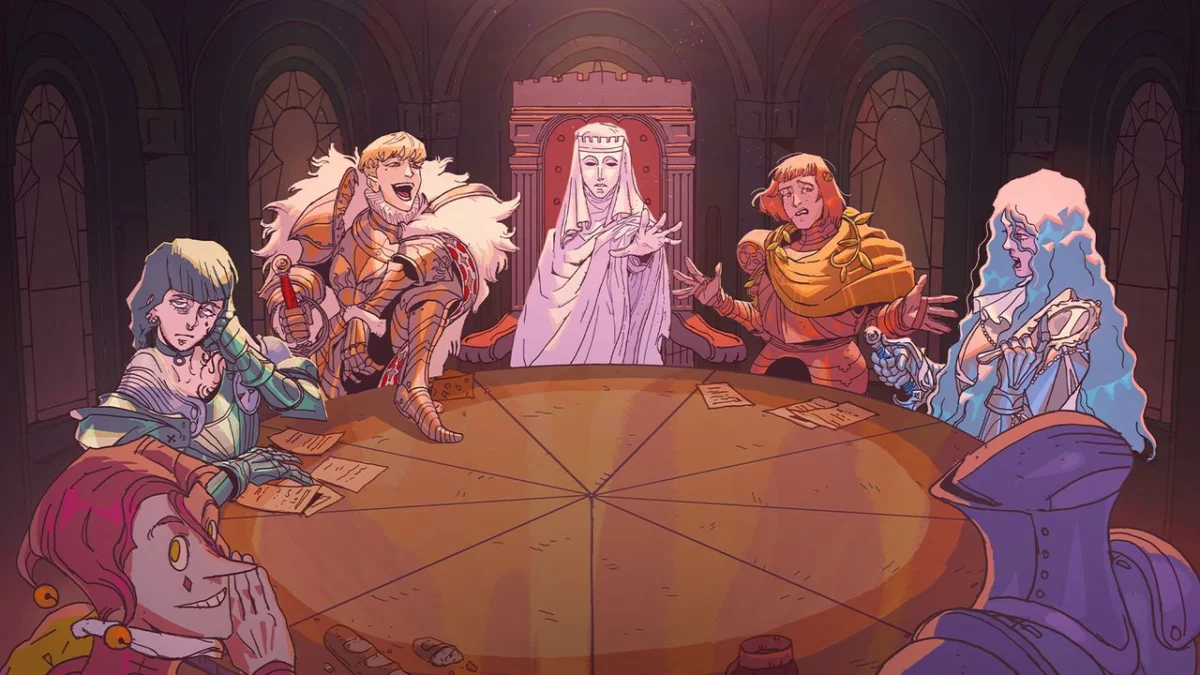
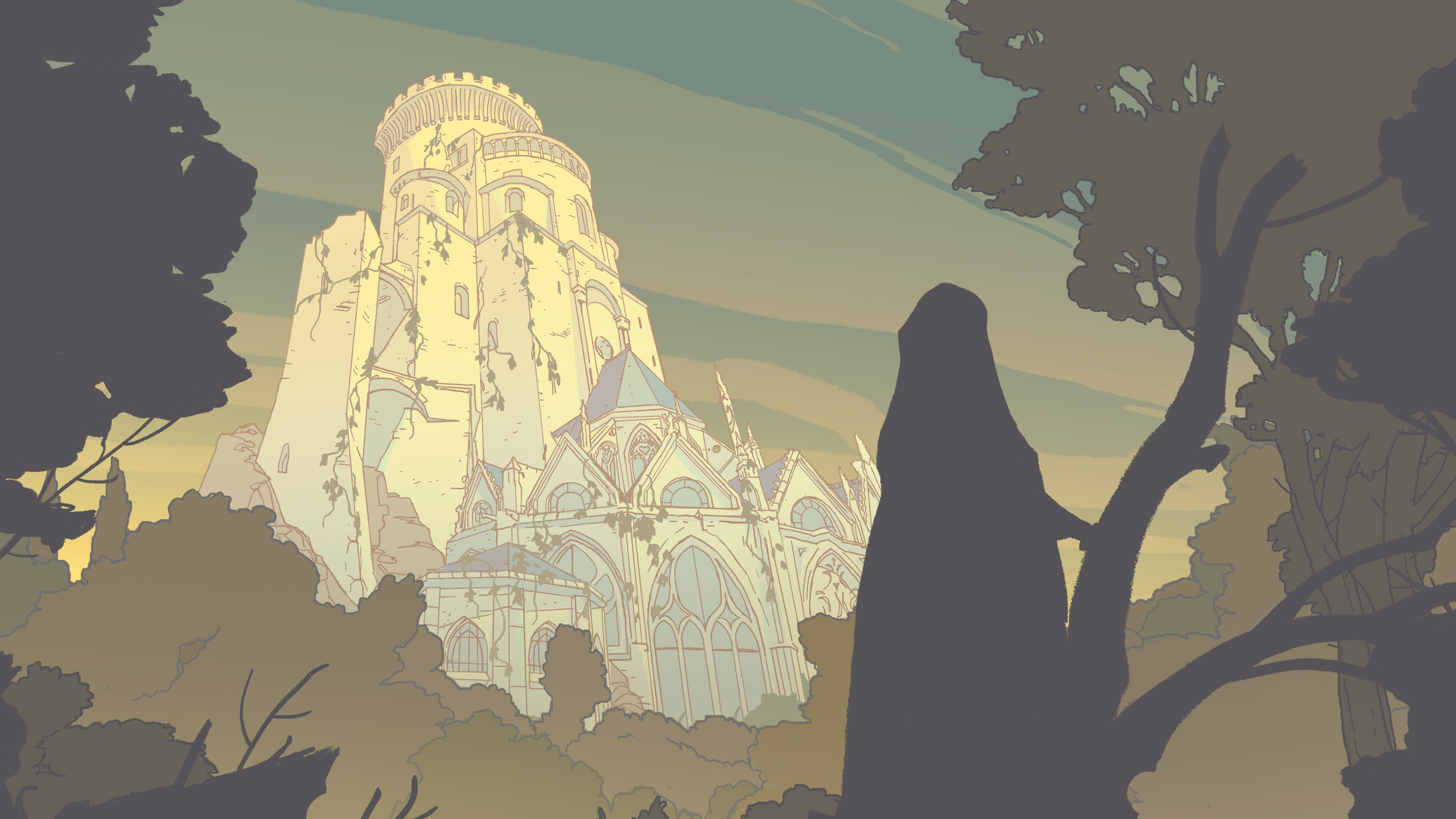
In an era where the video game industry is increasingly obsessed with high-fidelity photorealism, massive open worlds, and procedurally generated bloat, the upcoming indie title Sovereign Tower stands as a deliberate, elegant rejection of these trends. Developed by Wild Wits Games, Sovereign Tower scales back the physical geography of its play space to focus on a single, singular setting: a sprawling, magical tower. By eschewing grand scale, the development team has cleared a path for a highly distinct, illustration-led art direction that has already captivated millions of observers online.
A Return to Illustrative Roots
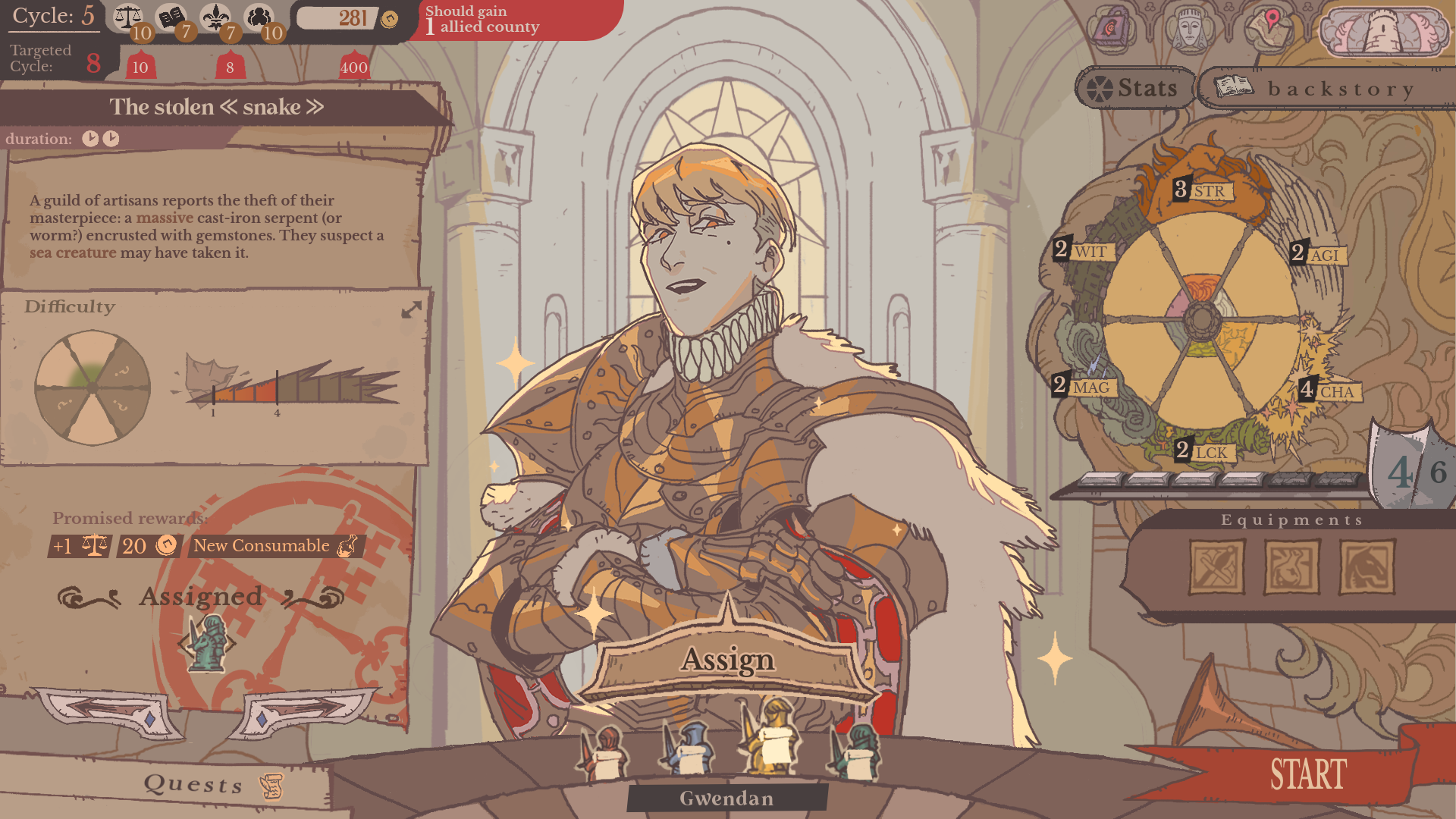
The game’s aesthetic, crafted primarily by lead artist and director Gobert, relies on the evocative power of line art and deliberate color theory to convey both character density and narrative weight. In Sovereign Tower, the visual design is not merely a coat of paint; it is a fundamental game system. The tension between the Autharian knights, who serve as the game’s protagonists, is expressed through their visual design—their clashing egos are as sharp as their blades, rendered with a clarity that communicates intent the moment a player encounters a character.
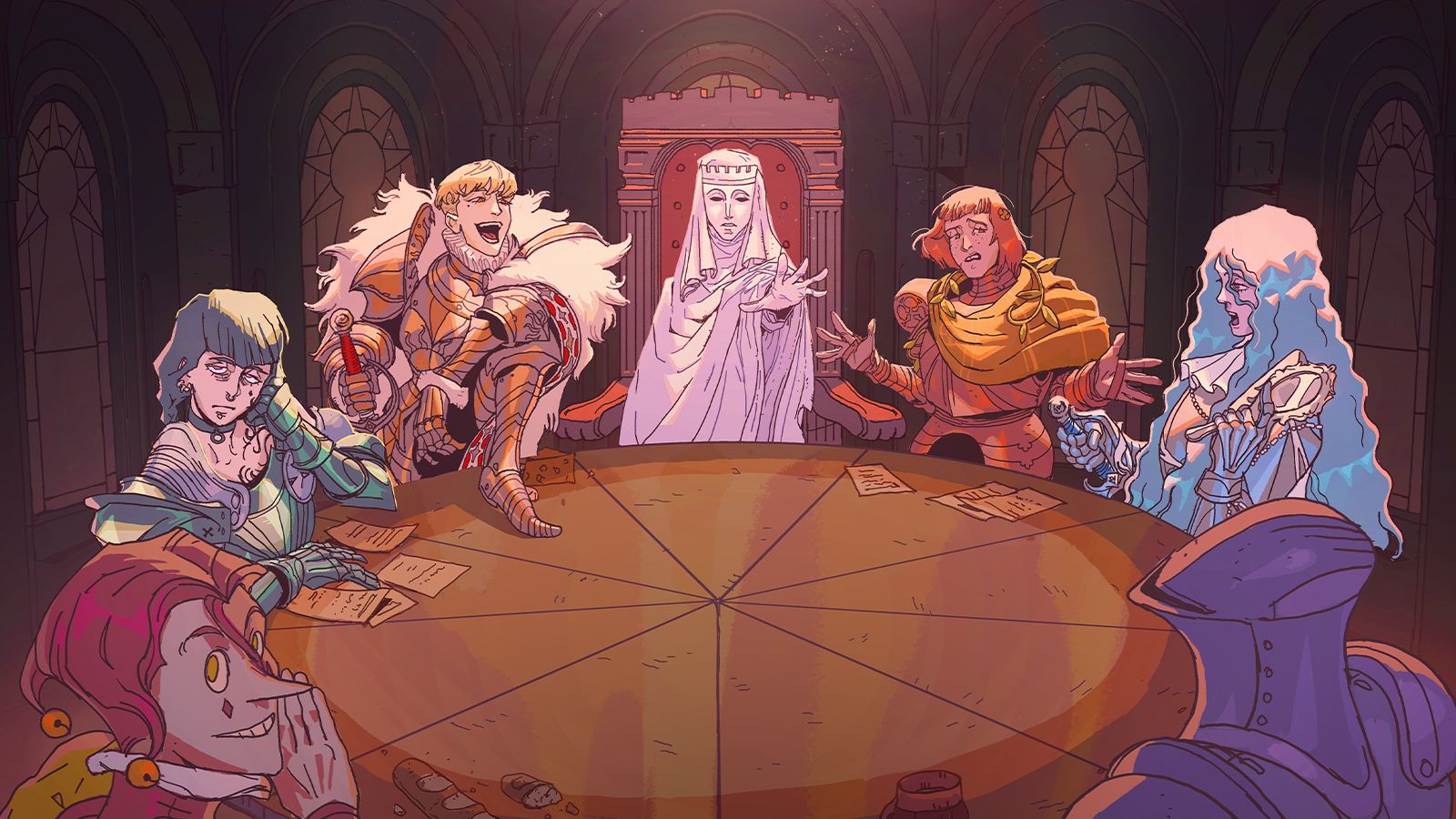
The game is built within the Godot engine, a choice that aligns with the project’s lean, efficient development philosophy. However, the soul of the game resides in the pre-production work done in Adobe Photoshop. By drawing on fine art traditions—specifically the folk-inspired, graphic quality of early 20th-century Russian illustrator Ivan Bilibin—Gobert has imbued the title with a storybook quality that feels timeless rather than dated. This unique visual identity has proven viral, garnering over 2.2 million views on Instagram, signaling a massive appetite for hand-crafted, stylized aesthetics in the gaming space.
The Chronology of Development: From Concept to Tower
The inception of Sovereign Tower was rooted in a desire to move away from the technical demands of 3D realism, which Gobert views as a distraction from the core goal of creating a "living, breathing illustrated storybook."
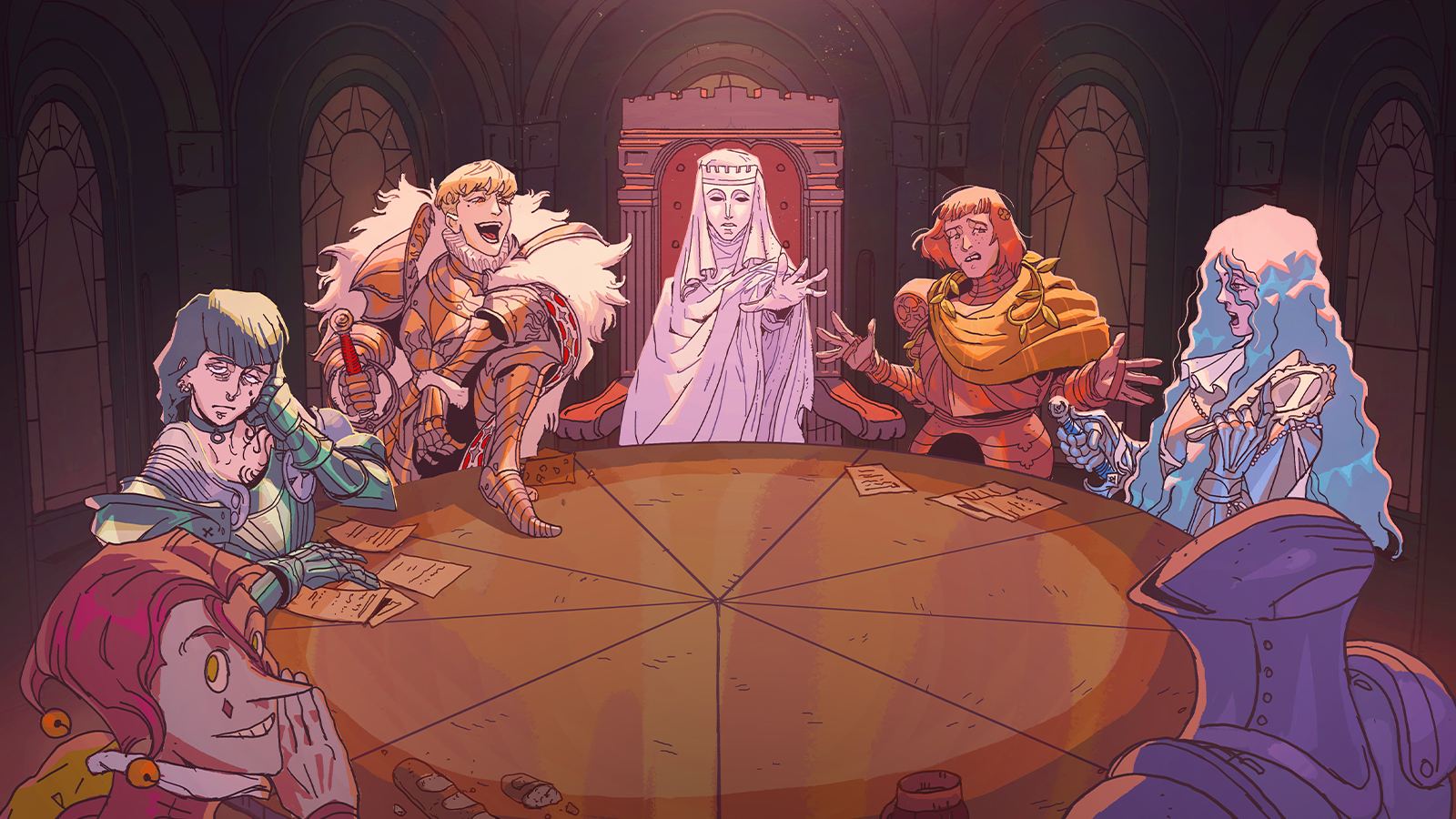
- The Initial Mockup: The project began with the creation of the knight character, Angelica, paired with a UI design for the "Roundtable." These assets were the North Star for the project; according to Gobert, the final in-game versions of these characters look almost identical to the very first sketches, proving the strength of the initial vision.
- Refining the Aesthetic: As development progressed, the team leaned into a "cost-efficient" workflow. By working as a solo developer for the art, Gobert was able to maintain total control over the visual language, ensuring that the silhouette-driven character designs remained cohesive with the background illustrations.
- World-Building Iteration: While the game started as a traditional, archetypal Arthurian fantasy, the team found that as development moved forward, they began taking creative liberties. What was once a grounded medieval setting gradually incorporated more high-fantasy elements, allowing the art to shift from rigid historical accuracy to a more interpretive, dreamlike style.
- Final Polish: As the August 6 release date approaches, the focus has shifted from asset creation to the integration of the narrative engine, Inky, which allows the story to unfold in tandem with the visual presentation.
Supporting Data and Design Philosophy
The success of Sovereign Tower’s visual campaign provides a fascinating case study for indie developers. The project demonstrates that when a developer focuses on "coherence over complexity," they can achieve a level of recognition that massive studios often struggle to buy with marketing budgets.
- Platform Reach: With 2.2 million Instagram views, the art has outperformed many mainstream titles, proving that stylistic "hooks" are as vital as gameplay mechanics.
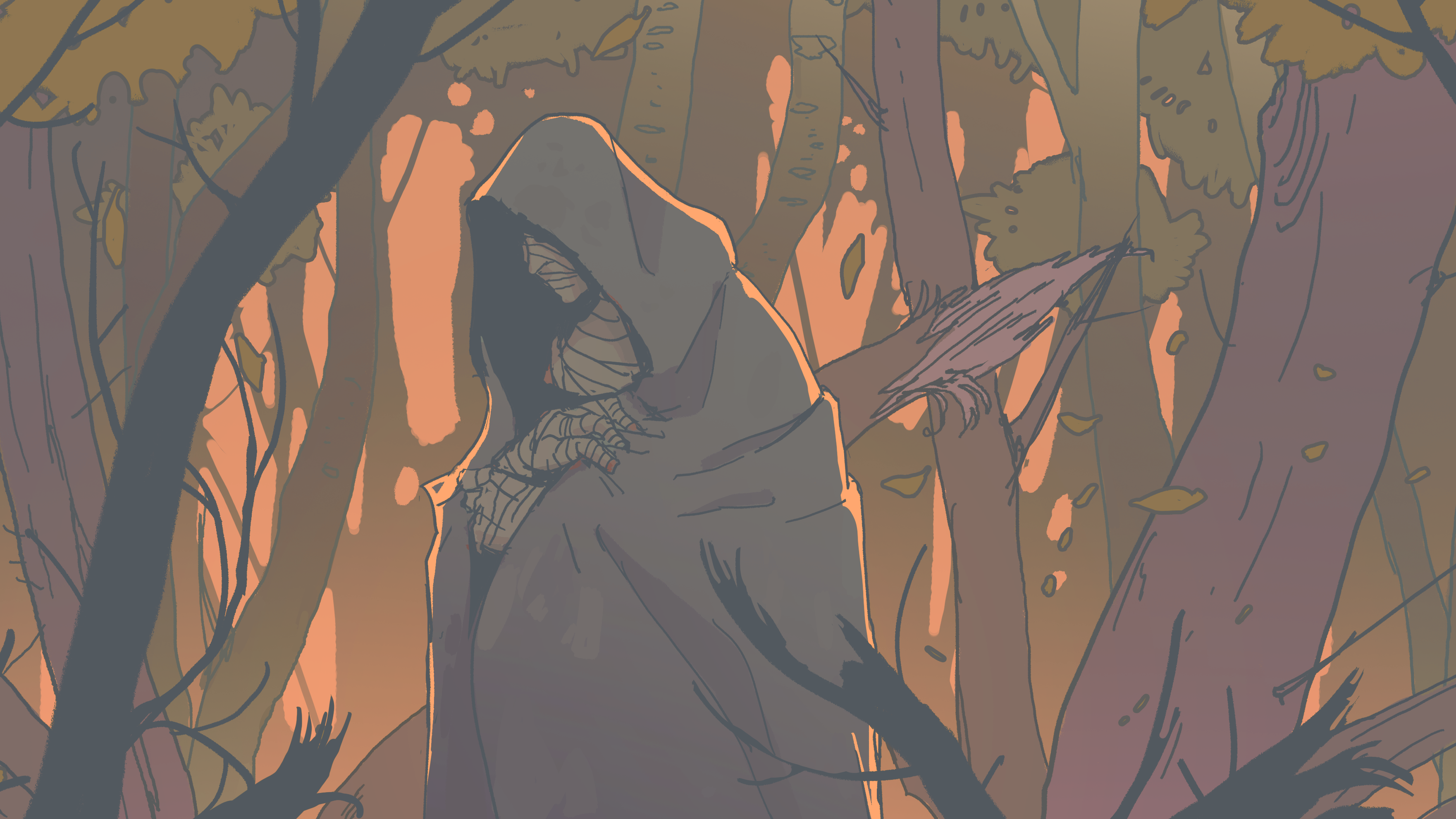
- Palette Management: Gobert emphasizes that the "less is more" approach to color is the secret to a strong project identity. By limiting the palette, the game avoids the visual noise that often plagues modern titles.
- Historical Synthesis: The visual design pulls from a wide temporal net—ranging from Renaissance fashion to 19th-century Arthurian depictions—which gives the game a "familiar but fresh" quality.
Official Responses: A Dialogue with Gobert
In a recent interview regarding the game’s development, lead artist Gobert shed light on the challenges and rewards of his chosen methodology.
On the importance of speed in art:
"When I was a student, I was mainly interested in becoming a comic artist. One of the important things to learn is that it’s absolutely key to find an art style that you can draw extremely quickly, but also looks as good as possible," Gobert noted. This philosophy of "dynamic penwork" allowed him to populate the tower with a diverse cast of characters without succumbing to the burnout often associated with high-detail 3D character modeling.
On the necessity of tools:
When asked about the role of technology in his workflow, Gobert offered a sobering perspective for aspiring game artists. "None of our tools is absolutely essential or irreplaceable for this game in particular; overall, I would even say the tools are somewhat irrelevant. It’s the skills of our team members that make our game unique." He argues that the industry’s obsession with "incredible technical improvements" often distracts from the core mission: the creation of original and interesting content.
On balancing fantasy and history:
"I use a bit of historical pieces as inspiration for the armor and clothing, but I also use a lot of old illustrations from many historical periods as inspiration," Gobert explained. By treating history as a mood board rather than a constraint, the team was able to create a world that feels rooted in legend rather than an encyclopedia.
Implications for the Future of Indie Gaming
The rise of Sovereign Tower suggests a broader shift in the indie landscape. As game engines like Godot become more accessible and powerful, the barrier to entry for high-quality 2D games has effectively evaporated. This allows artists—who might have previously been relegated to working in traditional print or webcomics—to bring their distinct visual styles into the interactive medium.
The implications are two-fold:
- The Death of "Generic" Indie Style: The market is becoming increasingly saturated with titles that look like "generic pixel art" or "low-poly clones." Sovereign Tower proves that developers who lean into distinct, fine-art-inspired styles are the ones who capture public imagination.
- The Return of the Authorial Voice: Sovereign Tower is clearly the work of one man’s vision. By prioritizing a specific artistic sensibility over industry standards, the game feels more personal and, consequently, more memorable.
As the industry looks toward the release of Sovereign Tower on August 6, it serves as a reminder that the most compelling games are not always the ones with the highest polygon count or the most complex lighting shaders. Sometimes, the most powerful tool in a developer’s arsenal is a pen, a limited color palette, and the courage to ignore the trends of the day.
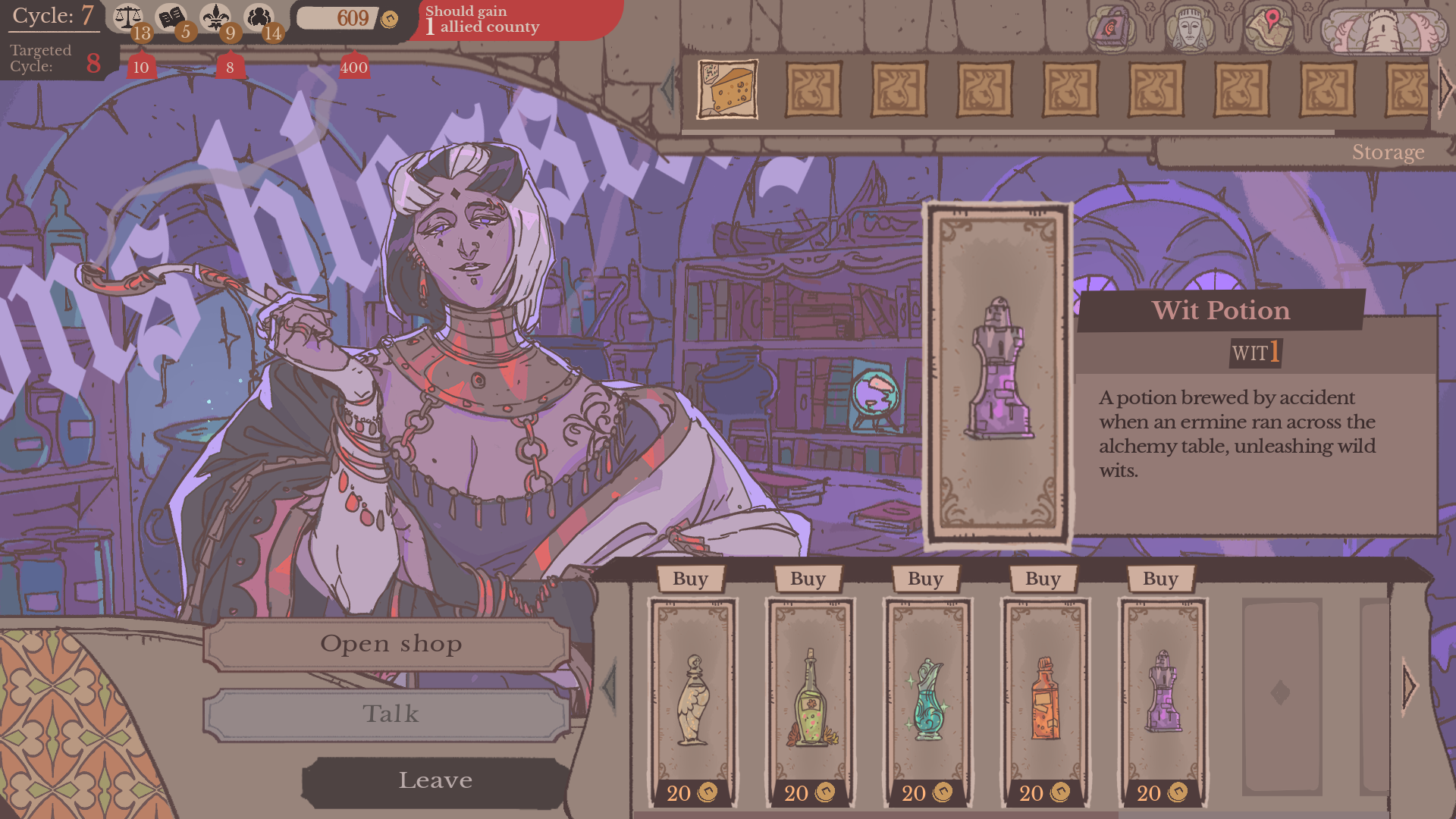
For those looking to break into game art, Gobert’s advice is clear: define your project’s identity, commit to a consistent aesthetic, and remember that in the end, it is not the engine you use, but the personality you inject into the work that defines the player’s experience. Sovereign Tower is not just a game; it is a masterclass in how to build a world that is small in scale but massive in character.
 Lina Hope
  Reynand Wu
  Pevita Pearce