
 By Lina Irawan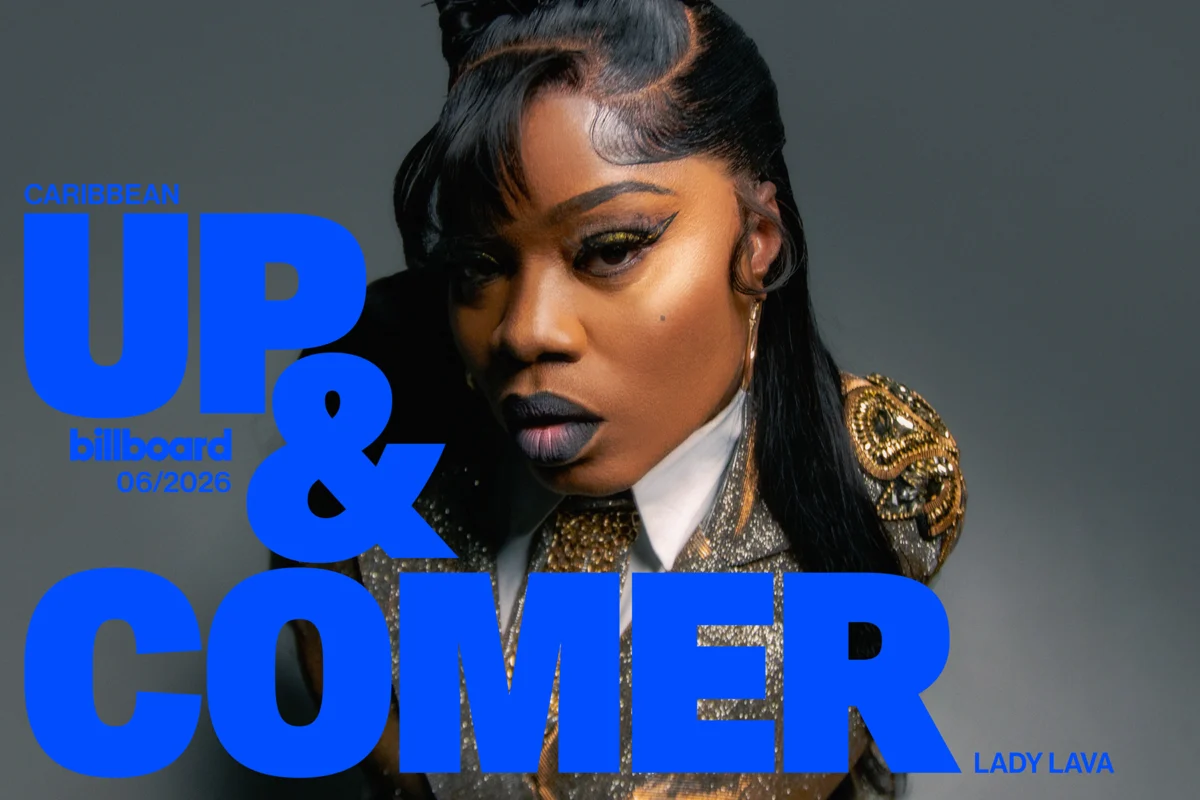
In the vibrant, rhythm-saturated landscape of the Caribbean, few artists have managed to capture the cultural zeitgeist quite like Keisha Harris, better known to the world as Lady Lava. Hailing from the twin-island nation of Trinidad and Tobago, the zess-dancehall sensation has emerged as a singular voice—a poet-turned-performer whose raw, unfiltered storytelling has propelled her to the forefront of the regional music scene. With a breakout hit that resonated far beyond the Caribbean Sea and a reputation for uncompromising artistic integrity, Lady Lava is no longer just an up-and-comer; she is a trailblazer carving a new path for women in the male-dominated Trinibad genre.
The Architect of a New Sound: Main Facts
Lady Lava’s musical identity is a sophisticated fusion of traditional Caribbean grit and contemporary poetic sensibility. Unlike many of her peers, her artistry is deeply rooted in literature and spoken word. Having grown up in a household where musical consumption was tightly regulated—oscillating between old-school gospel and classic reggae—Lava developed an innate ability to synthesize conflicting influences into a coherent artistic vision.
Her signature sound, often characterized by infectious, high-energy "bounce" rhythms, serves as the perfect vehicle for her lyrical focus: female autonomy, the rejection of toxic societal expectations, and the complexities of modern relationships. Her meteoric rise reached a fever pitch with the 2024 anthem "Ring Finger," a track that functioned as an emphatic rebuke of patriarchal control. The song became a cultural phenomenon, earning her critical acclaim and a pivotal co-sign from global superstar Cardi B, who famously surprised the artist at a New York City performance to witness the track live.
A Journey of Resilience: The Chronology of an Artist
Lady Lava’s path to stardom was neither linear nor paved with ease. Her career trajectory is a study in perseverance, marked by both humble beginnings and systemic industry barriers.
- Early Beginnings (Pre-2008): Born in Cunupia, Trinidad, Harris was an avid poet from primary school. Her early creative outlets were found in church choirs and school choral speaking programs. She developed her stage name, "Lady Lava," as a nod to her fiery lyrical delivery—a direct contrast to the "Rasta" stylistic conventions she experimented with briefly as a teenager.
- The Initial Hurdle (2008): Lava’s first foray into the recording booth resulted in "Bring It Back." The experience served as a harsh introduction to the realities of the music business, specifically the prevalence of "payola," where radio programmers demanded bribes for airplay. Unable to keep pace with these predatory financial demands, she briefly stepped back from the industry.
- The Rebirth (2015–2017): After a hiatus, Lava returned to the studio with a refined vision. In 2017, she released "If You Beat It Keep It a Secret," a blistering, name-dropping kiss-off to a former partner. This marked her transition from a hobbyist to a professional, as the song became a local hit.
- The Crossover (2022–2024): Following a string of local successes like "You Have a Gyal," the 2024 release of "Ring Finger" catapulted her into the international spotlight. The track’s universal message of self-prioritization struck a chord with women globally, cementing her status as a household name.
- Award-Winning Recognition (2025–2026): Her triumph as the inaugural "Zess-Steam Artist of the Year" at the 2025 Caribbean Music Awards validated her work, while her status as the most-nominated artist for the 2026 awards (nine nominations) underscores her sustained dominance.
Decoding the Success: Supporting Data and Cultural Impact
The significance of Lady Lava’s success cannot be overstated, particularly within the context of the Trinidadian music industry, which remains heavily dominated by soca. By establishing herself as a powerhouse in the "zess-dancehall" space, she has effectively expanded the boundaries of what is considered "mainstream" Caribbean music.
Her lyrical approach is intentional. In an industry where male voices frequently occupy the majority of the airwaves, Lava deliberately crafts music that centers the female experience. "We have so many male-dominated songs that the men’s voices overpower the women’s," she notes. "And sometimes we as females might be afraid to say certain things, but ‘Ring Finger’ allowed us to sing those feelings."
Her social media presence has further amplified this reach. Her recent interaction with streamer iShowSpeed, where she provided a viral "wining" lesson, demonstrated her ability to translate niche cultural practices into global digital entertainment. This pivot into the creator economy, combined with her traditional musical output, provides a dual-pronged strategy for longevity that many contemporary artists struggle to replicate.
Voices from the Field: Official Responses and Collaborations
The industry’s reception of Lady Lava has been overwhelmingly positive, characterized by a mix of peer admiration and fan devotion. The most significant validation came from Cardi B, whose public support transformed "Ring Finger" from a regional hit into a global viral sensation.
"It’s unexplainable," Lava says of the experience. "She told me she was coming to my show in New York; it was still a shock to actually see her in the building. She even let the DJs know that she didn’t come to hear herself—she came to hear Lady Lava! She’s the best."
Beyond her peers, her commitment to the craft is evidenced by her "dream list" of collaborators. While she currently works with rising stars like NHANCE, she remains deeply inspired by the business acumen and lyrical complexity of Jay-Z. Her visit to the "Book of HOV" exhibition served as a catalyst for her own professional ambitions, pushing her to consider how she might "level up" while maintaining her authentic identity as an artist from Trinidad.
Future Horizons: The Implications of Her Ascent
As Lady Lava prepares for the release of her debut album, the industry is watching closely. Her trajectory carries significant implications for the future of Caribbean music. Firstly, she has proven that an artist can maintain a localized, authentic sound while achieving international crossover success—a feat that has often eluded artists who attempt to "water down" their music for foreign audiences.
Secondly, her role as an advocate for other female artists is shaping the next generation of talent. By using her platform to highlight artists like Prince Swanny and Sackie, she is fostering a collaborative ecosystem rather than a competitive one. Her goal is clear: to build a career defined by both "longevity and a towering global reach."
"I want my music and my voice to be global," she affirms. "I want to help the ladies because they give me so much support. I define success as doing something you love every day and getting earnings to make a better future for you and your loved ones."
With a nine-nomination sweep at the 2026 Caribbean Music Awards and a highly anticipated debut album on the horizon, Lady Lava is not merely waiting for the future of dancehall—she is actively constructing it. Her rise is a testament to the power of authentic storytelling and the enduring appeal of an artist who refuses to be silenced by the gatekeepers of the past. As she continues to bridge the gap between the poetic traditions of her youth and the high-octane demands of the modern stage, one thing remains certain: the fire she brings is only just beginning to spread.
 Ali Ikhwan
  Suro Senen
  Reynand Wu