
 By Neng Nana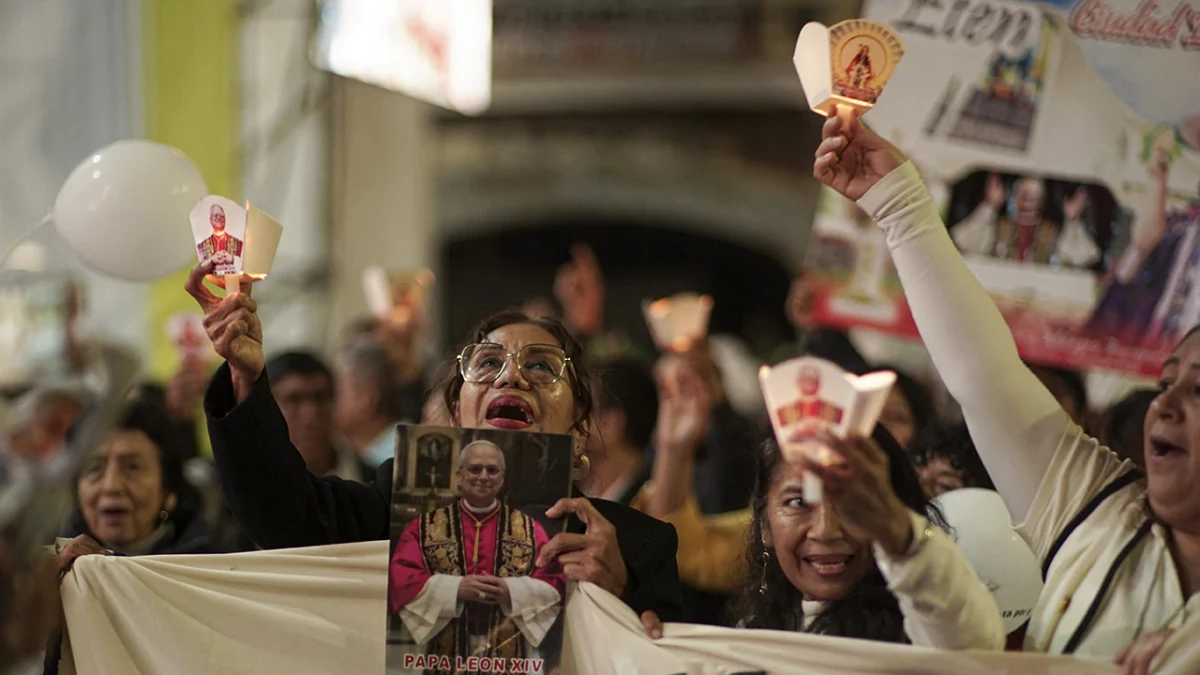
One year into the papacy of Pope Leo XIV, the Catholic Church finds itself navigating a complex landscape of public opinion across Latin America. As the first U.S.-born pontiff to lead the global Church, Leo XIV occupies a unique position in ecclesiastical history, balancing his American origins with a deeply rooted connection to the Peruvian landscape, where he served as a bishop for nearly a decade. A comprehensive new study from the Pew Research Center, conducted in the spring of 2026, reveals that while the Pope maintains a generally positive reputation across the region, his standing is distinct—and in some ways more guarded—than the initial reception afforded to his predecessor, Pope Francis.
The State of Global Favorability
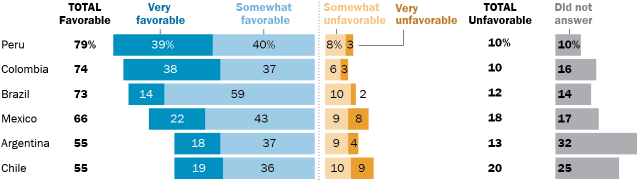
The 2026 Global Attitudes Survey, which sampled 6,132 individuals across Argentina, Brazil, Chile, Colombia, Mexico, and Peru, indicates that the majority of Catholics in these nations hold a favorable view of Pope Leo XIV. These six nations collectively represent roughly three-quarters of the Latin American Catholic population, providing a critical barometer for the Church’s reach in a region undergoing significant religious demographic shifts.
Peru stands out as the most enthusiastic supporter of the current pontiff. Approximately 79% of Peruvian Catholics express a favorable opinion of Pope Leo, with 39% describing their view as “very favorable.” This affection is largely attributed to the Pope’s residency in the country from 2015 to 2023. Having served as the Bishop of Chiclayo, Leo XIV is viewed less as a foreign dignitary and more as a local leader who ascended to the Chair of St. Peter.
Conversely, enthusiasm is more measured in the Southern Cone. In Argentina and Chile, favorability ratings sit at 55%. These lower figures are not necessarily indicative of hostility; rather, they reflect a lack of name recognition or a "wait-and-see" approach. In Argentina, for instance, 32% of respondents either stated they had never heard of the Pope or declined to offer an opinion, suggesting that Leo XIV has yet to fully penetrate the public consciousness in the same way that his Argentine predecessor, Pope Francis, did during his own meteoric rise to the papacy.
A Chronological Path to the Papacy
To understand the current sentiment, one must look at the trajectory of Leo XIV’s ministry. Born in the United States, the future Pope was not a traditional product of the Roman Curia. His formative years as a priest and bishop were defined by his extensive work in Peru, which granted him a rare, dual-perspective on the intersection of Western and Latin American Catholicism.
- 2014: The future Pope is consecrated as a bishop, beginning a nine-year tenure in Chiclayo, Peru. During this period, he develops a reputation for pastoral care and local advocacy.
- 2023: Leo concludes his tenure in Peru, returning to the international stage shortly before his election to the papacy.
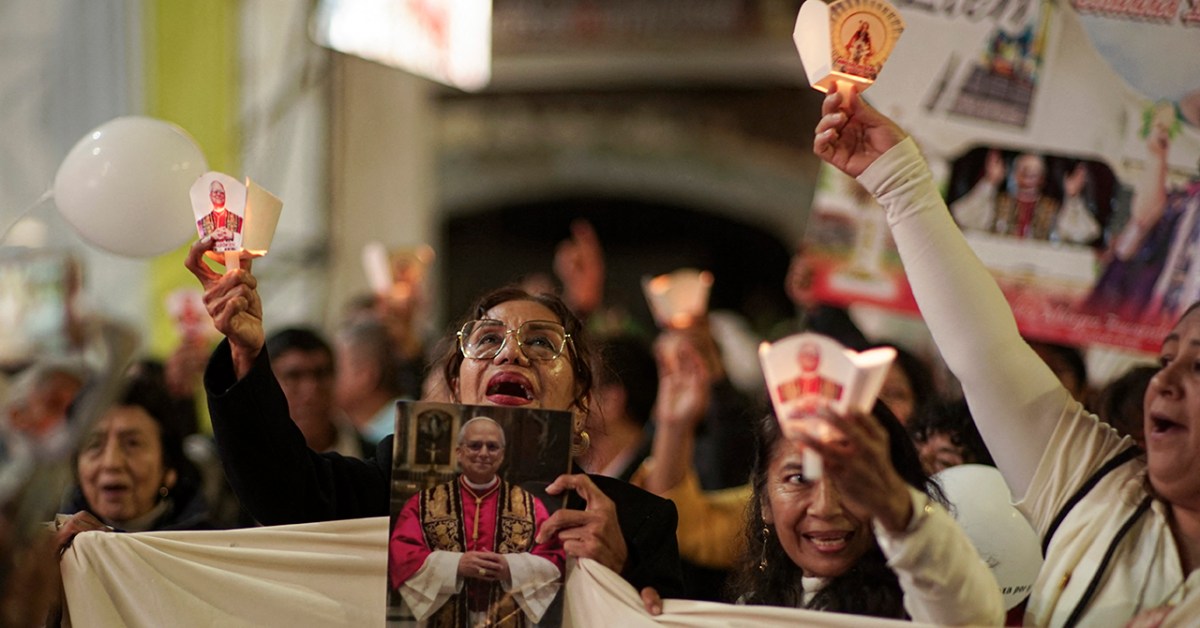
- 2025: The beginning of the pontificate of Leo XIV is marked by vigils and celebrations, most notably in Peru, where the local Church treats his election as a source of national pride.
- 2026: One year into his term, the Pew Research Center conducts its first major survey assessing his popularity, revealing a mix of strong regional support and lingering obscurity in parts of South America.
Data Analysis: The "Francis vs. Leo" Comparison
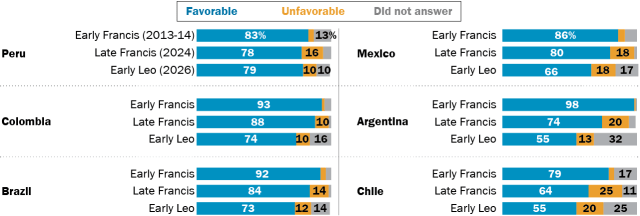
A critical component of the 2026 research involves comparing the current Pope’s reception to that of Pope Francis during the early years of his own pontificate. When Pope Francis was elected in 2013, he enjoyed an unprecedented level of support across Latin America, fueled in part by his identity as the first Latin American Pope.
In Colombia, for example, 93% of Catholics held a favorable view of Pope Francis in 2013-14. Today, 74% of Colombian Catholics view Pope Leo XIV favorably. A similar trend is visible in Mexico, where 86% favored Francis initially, compared to 66% for Leo today.
However, researchers note that comparing these figures requires nuance. Much of the gap between the two popes is accounted for by the "Did not answer/Never heard of" category. Pope Francis benefited from a global media phenomenon that began the moment he stepped onto the balcony of St. Peter’s Basilica. Pope Leo, while respected, has not yet commanded that same level of immediate, widespread recognition. When isolating only those who do have an opinion, the unfavorability ratings for Leo XIV are not significantly higher than those that tracked against Francis in his later years.
Demographic Trends and Religious Diversity
One of the most striking findings of the 2026 study is the lack of significant demographic polarization. Unlike many secular political arenas where age, gender, or education levels often dictate favorability, Catholic sentiment toward the Pope in Latin America is remarkably uniform. Whether young or old, male or female, Catholics across the surveyed nations tend to view the Pope through a similar lens.
The data also captures the perspectives of non-Catholics. In the surveyed nations, Protestants and the religiously unaffiliated are markedly less likely to express a positive view of the Pope. However, this demographic is also the most likely to report that they have never heard of him. This reflects a broader trend in Latin America: as the Catholic Church loses its monopoly on the religious landscape—particularly to evangelical movements—the cultural influence of the Pope is increasingly concentrated within the remaining Catholic base, rather than acting as a universal cultural touchstone for the general population.
Implications for the Church
The findings carry significant implications for the Vatican’s future strategy in the Western Hemisphere. First, the success of Pope Leo in Peru demonstrates that personal history and local presence remain the most effective tools for building long-term institutional loyalty. His connection to Chiclayo has insulated him from the indifference that affects his ratings elsewhere.
Second, the Church must contend with the reality that the "Francis Effect"—the massive, cross-continental swell of enthusiasm—is a difficult benchmark to replicate. The Vatican may need to focus on targeted outreach to countries like Argentina and Chile, where the lack of awareness is the primary barrier to popularity.

Finally, the study highlights a shift in the nature of papal popularity. As the Church moves further into the 21st century, the Pope is becoming less of a singular, universally recognized figure and more of a denominational leader whose reception is highly contingent on local religious demographics and personal familiarity.
Conclusion: A Pontificate in Development
As Pope Leo XIV enters his second year, the data provides a baseline rather than a verdict. While he may not yet possess the initial cultural dominance that characterized the early years of Pope Francis, he enjoys a solid, positive foundation among the world’s most populous Catholic region.
The challenge for the Holy See will be to translate this initial goodwill into sustained influence, particularly in nations where the Pope remains a distant or unknown figure. By bridging the gap between his American upbringing and his deep-seated ties to Latin America, Pope Leo XIV has the potential to redefine the reach of the papacy. For now, the Church remains a stable, if slightly more quiet, presence in the hearts of Latin American Catholics, waiting to see how the unique, dual-national leadership of the current pontiff will shape the future of the faith.

Methodology Note: The Spring 2026 Global Attitudes Survey was conducted by the Pew Research Center to assess religious shifts and perceptions. The survey involved 6,132 interviews. Full details on the methodology and the specific questions asked are available via the Pew Research Center’s official archives.
 Muslim
  Nana Muazin
  Siti Muinah