
 By Reynand Wu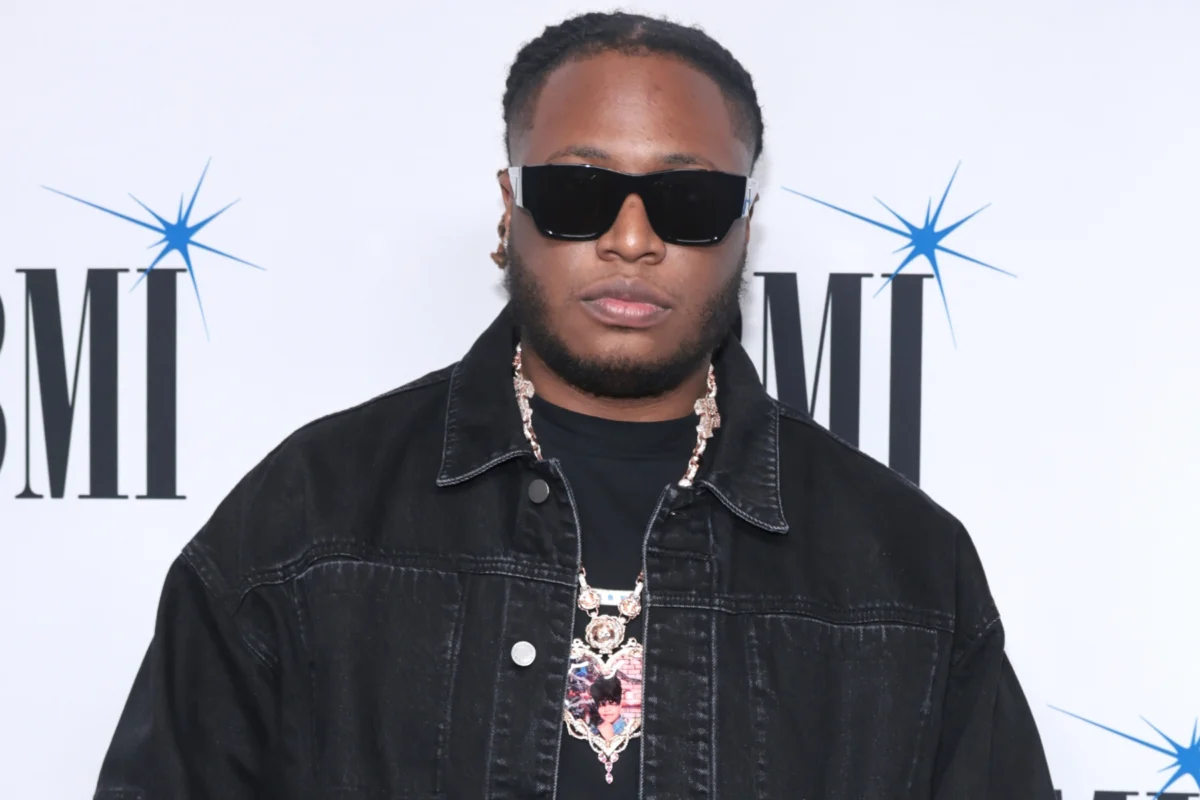
The music industry is in mourning following the tragic and premature passing of BryTavious “Tay Keith” Chambers. A titan of contemporary hip-hop production whose signature “Tay Keith, f— these n—-s up!” producer tag became a hallmark of global chart-toppers, Chambers died on Thursday, June 18, at the age of 29.
The news, which sent shockwaves through the entertainment industry, was confirmed by his family in a heartfelt statement provided to Billboard on Friday. The producer was discovered unresponsive in his Nashville apartment during a welfare check conducted by the Metro Nashville Police Department. While the investigation remains ongoing and a formal cause of death has not yet been released, the loss of a figure so central to the sound of modern music has prompted an outpouring of grief from artists, peers, and fans worldwide.
A Life Defined by Sound: The Main Facts
BryTavious Chambers was not merely a producer; he was an architectural force in modern music. Born in Memphis, Tennessee, he brought a distinctive, trunk-rattling Southern sensibility to the global stage. Over the course of his career, Keith became synonymous with the high-octane, bass-heavy production that defined the late 2010s and early 2020s.
With 11 top 10 hits and four No. 1 singles on the Billboard Hot 100, Keith’s influence was inescapable. His discography reads like a definitive list of the era’s most impactful records, ranging from the genre-bending complexity of Travis Scott’s “Sicko Mode” to the rap dominance of Drake’s “First Person Shooter.” Beyond his mainstream success, Keith held the remarkable distinction of achieving the most No. 1s on the Billboard Hot R&B/Hip-Hop Songs chart within the current decade, solidifying his status as a master of the format.
Chronology: From Memphis Roots to Global Dominance
To understand the gravity of this loss, one must look at the rapid, meteoric rise of the man behind the music.
Early Beginnings and the Memphis Sound
Raised in the crucible of the Memphis hip-hop scene, Chambers began cultivating his craft while still in his youth. Unlike many of his contemporaries who sought the neon lights of Los Angeles or New York immediately, Keith remained rooted in the South, eventually establishing his base in Nashville. His approach to music was rooted in community; he believed that talent existed in every corner of the region and sought to harness the raw, unpolished energy of Southern rap and refine it for a global audience.
The Breakthrough Era (2018–2020)
The turning point in his career arrived with the 2018 release of Astroworld by Travis Scott. When “Sicko Mode” hit the airwaves, the production—credited to Tay Keith—was instantly recognized for its unconventional structure and explosive energy. It served as a lightning rod for the industry, signaling a shift in how hip-hop beats were being constructed. Suddenly, every major label artist wanted the “Tay Keith sound.”
Diversification and Entrepreneurship (2021–2025)
Chambers did not rest on his laurels. Recognizing the shifting tides of the music industry, he pivoted toward entrepreneurship. He founded “Drumatized,” a label and creative hub designed to serve as a launchpad for both hip-hop and country artists. By bridging the gap between Nashville’s country roots and the urban soundscapes of hip-hop, Keith proved himself to be a forward-thinking executive, not just a beat-maker.
Supporting Data: The Statistics of a Legend
Keith’s impact can be quantified through the sheer volume of his chart success. His technical prowess allowed him to dominate the charts in a way few producers have in the digital streaming era.
- Hot 100 Dominance: 11 top 10 hits, four of which ascended to the No. 1 position.
- Genre Leadership: Six No. 1 hits on the Billboard Hot R&B/Hip-Hop Songs chart this decade alone.
- Academic and Philanthropic Ties: As an honorary professor and proud alumnus of Middle Tennessee State University, Keith invested heavily in the next generation, proving that his interest lay in the sustainability of the music ecosystem rather than personal fame.
His work with artists like Drake, Travis Scott, BlocBoy JB, and Eminem showcased his versatility. He was capable of producing the aggressive, club-ready anthems that defined the “trap” era while maintaining the melodic sensibilities required for radio longevity.
Official Responses and Reflections
The statement released by the Chambers family offers a window into the man behind the producer tag—a man who balanced intense professional rigor with deep personal warmth.

“BryTavious was a visionary producer, songwriter, entrepreneur, philanthropist, and cultural force whose work helped define the sound of a generation,” the family wrote. “From Memphis to the global stage, he shaped countless hit records and left a lasting mark on music and culture.”
The family also highlighted his commitment to causes that were deeply personal to him. Having lost his mother to cancer, Keith became a vocal advocate for cancer-related research and awareness. Furthermore, he was a staunch supporter of mental health initiatives, recognizing the pressures inherent in the entertainment industry.
“Above all, BryTavious was a beloved son, brother, uncle, family member, and friend,” the statement continued. “While the world knew him as Tay Keith, his family knew him as BryTavious—a source of love, strength, laughter, and guidance. We take comfort in knowing that his legacy will live on through the music he created, the opportunities he provided, and the lives he touched.”
The Implications: A Void in the Industry
The death of Tay Keith at 29 leaves a significant vacuum in the music production landscape. At the time of his passing, he was arguably at the peak of his creative power, having successfully transitioned from a hit-maker to a mentor and industry executive.
Impact on Emerging Talent
Through his Drumatized imprint, Keith was actively nurturing a new wave of producers and songwriters. His loss is not just the loss of a producer, but the loss of a gatekeeper who used his platform to open doors for others. The industry now faces the challenge of continuing the work he started—ensuring that the infrastructure he built to support emerging artists remains intact.
Cultural Legacy
Keith was a bridge-builder. By operating out of Nashville, he helped solidify the city’s reputation as a legitimate hub for music production beyond the country genre. His death serves as a stark reminder of the fragile nature of life and the immense, often unseen pressures placed on those who shape the soundtrack of our lives.
The Need for Continued Support
As the industry reflects on his passing, there is a renewed focus on the importance of mental health and wellness within the music business. The tragic nature of his passing—found alone during a welfare check—has sparked conversations about the isolation that can accompany extreme success. Friends and peers have called for better support systems for artists and creators, ensuring that those who provide us with so much joy are also cared for in their times of need.
Looking Ahead
While the family has indicated that memorial arrangements will be shared at a later date, the music community is already planning tributes to honor his life. From radio segments to commemorative playlists, the industry is coalescing to ensure that the name “Tay Keith” remains synonymous with excellence for generations to come.
As fans and colleagues continue to process this profound loss, the focus remains on his family’s request: privacy and continued prayers. In the final analysis, Tay Keith’s story is one of transformation—of a young man from Memphis who dreamt of changing the world through rhythm and sound, and who succeeded in ways that will reverberate through the charts for decades to follow.
He leaves behind a blueprint for the modern creative: one that prioritizes not only the pursuit of the next hit but the cultivation of community, the mentorship of the next generation, and a commitment to the causes that define our shared humanity. BryTavious “Tay Keith” Chambers may be gone, but the sound he pioneered remains, a permanent fixture in the annals of musical history.
 Ali Ikhwan
  Suro Senen