
 By Pevita Pearce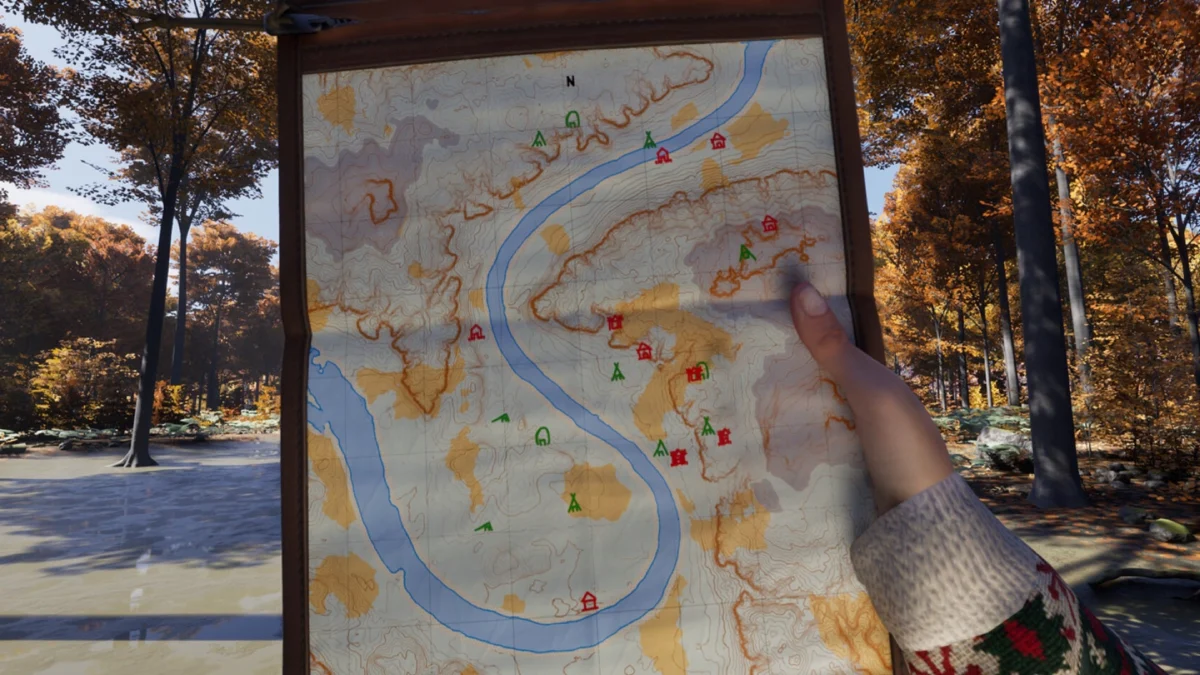
In a stark reminder of the volatility currently gripping the global video game industry, Brendan "PlayerUnknown" Greene—the architect behind the seismic shift of the battle royale genre—has announced a significant reduction in staff at his studio, PlayerUnknown Productions. The decision marks a somber transition for the independent developer, highlighting the precarious nature of funding in an era where even industry titans are not immune to the pressures of a cooling market.
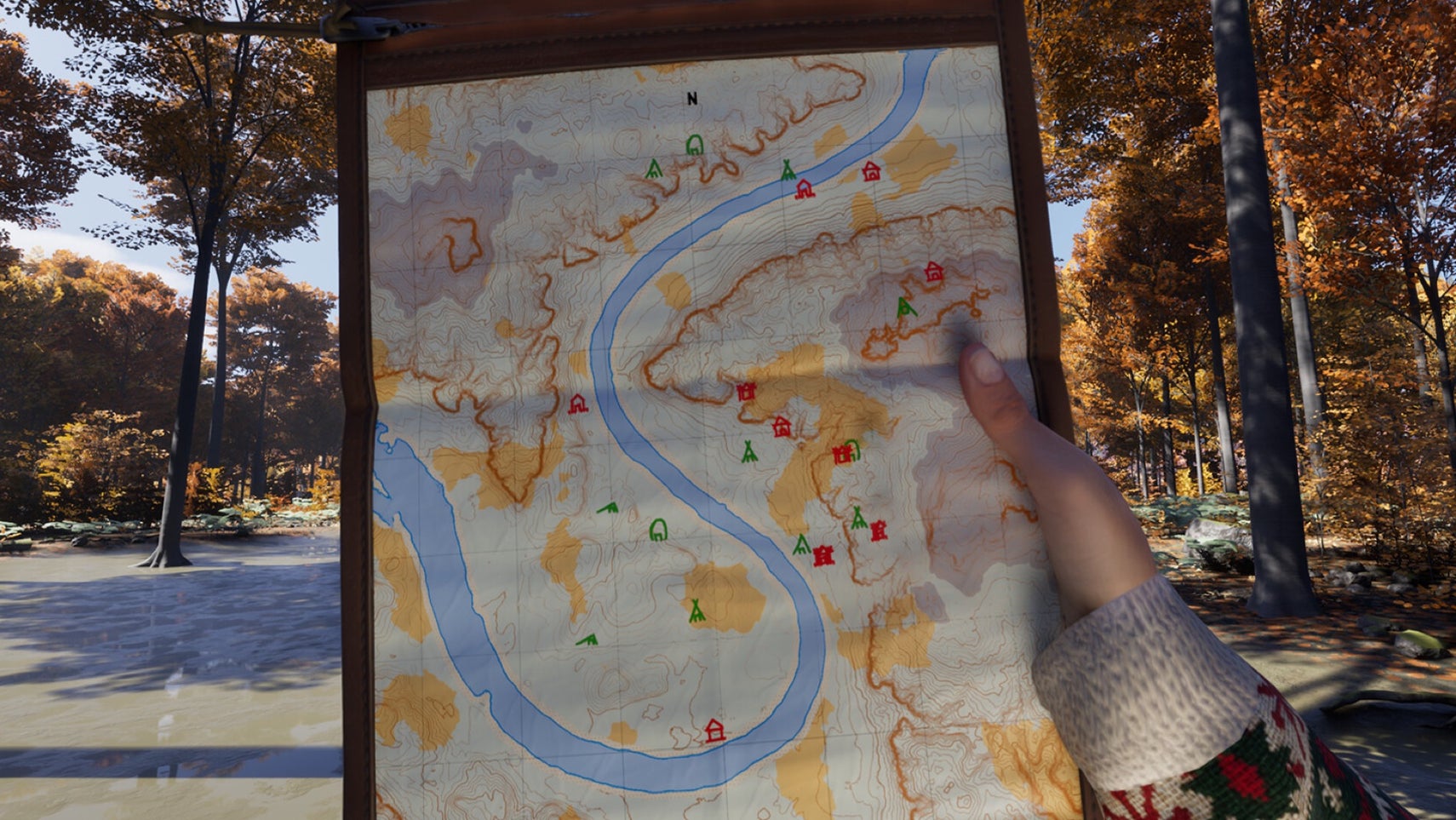
Greene, whose work on PUBG: Battlegrounds redefined modern multiplayer gaming, confirmed via a public statement on X (formerly Twitter) that the studio would be moving forward with a leaner team. This strategic pivot comes as the company navigates the ongoing challenges of securing long-term capital for its ambitious, experimental projects, most notably the open-world survival title Prologue: Go Wayback!.
The Anatomy of the Announcement: A Personal Financial Burden
The narrative of the announcement is rooted in the unique financial structure of PlayerUnknown Productions. Unlike many studios that rely on venture capital or publisher funding from day one, Greene has frequently utilized his personal capital to sustain operations. In his statement, he addressed the difficulty of this path, noting that while his ability to "keep the lights on" has been a rare luxury, it is ultimately unsustainable in the face of current industry-wide headwinds.
"The games industry has been in a tough spot for a while, and we’re not alone in the struggle to find funding," Greene wrote. "I’m privileged to have had the choice to keep the studio’s lights on by myself, and I’m very aware that it’s a luxury few developers have when they go independent. I could only do that for so long, and now we must move forward with a smaller team while finding the right partners for the project."
The sentiment reflects a broader trend of "indie-plus" studios—teams that are too large to be considered garage projects but too small to have the protective infrastructure of a massive publisher—feeling the sharpest sting of the current economic climate.
Chronology: From Battle Royale Titan to Experimental Explorer
To understand the significance of this shift, one must look at the trajectory of Brendan Greene’s career over the last decade.
2017: The PUBG Phenomenon
Greene rose to global prominence with PUBG, a title that single-handedly popularized the battle royale format. His transition from a modder to the creative director of one of the highest-selling games in history set a standard for rapid growth and massive, scale-driven gameplay.
2019: The Formation of PlayerUnknown Productions
Following his departure from the day-to-day operations of the PUBG franchise, Greene moved to Amsterdam to form PlayerUnknown Productions. The stated goal was to move away from the competitive, twitch-based combat of battle royales and toward massive-scale, open-world simulations.
2022–2024: The Development of Prologue
Prologue: Go Wayback! was introduced as a tech-focused, first-person survival experience. Unlike the high-octane action of his previous work, Prologue emphasized environmental storytelling, procedural generation, and technical experimentation. During this period, the studio acted as a sandbox for Greene’s theories on "remaking the internet" and creating persistent, non-scripted worlds.
June 2026: The Strategic Retrenchment
The current downsizing represents a pivot from pure research and development toward a more focused, partner-oriented approach. By making Prologue free for the public, Greene is effectively transitioning the project from a proprietary, in-development tech demo to an open-source or community-driven asset, likely intended to maintain interest while the core team seeks external financial backing.
Industry Context: Why Funding Has Dried Up
The struggles of PlayerUnknown Productions are not an isolated anomaly but rather a symptom of a larger, systemic shift in how the games industry is financed.
The Post-Pandemic Correction
During 2020 and 2021, the gaming industry experienced a "gold rush" of investment. Low interest rates and increased consumer spending on digital entertainment led to an influx of capital. However, the post-pandemic correction has seen that capital evaporate. High interest rates have made venture capitalists and institutional investors significantly more risk-averse, favoring "sure bets"—sequels, remakes, and established intellectual properties—over the ambitious, experimental, and unproven titles that Greene has championed.
The "Death" of the Mid-Budget Tier
Data from industry analysts consistently points to a "barbell effect" in the gaming market. On one end, there is a thriving ecosystem of small-scale, solo-developed indie games (often viral successes on platforms like Steam). On the other end, there are the "AAA" behemoths that command hundreds of millions of dollars in marketing. The middle tier—where PlayerUnknown Productions sits—is increasingly finding it difficult to secure funding that allows for innovation without the requirement of immediate, explosive monetization.
Official Responses and Studio Culture
Greene’s message was notably devoid of the corporate jargon often associated with mass layoffs. Instead, he chose to focus on the human element, explicitly praising the team’s "professionalism" during a period of high uncertainty.
"I want to thank my team at PlayerUnknown Productions for their professionalism. This was not an easy decision to take," Greene stated. "But despite the challenges and uncertainty we faced this past year, their efforts showed me what a great studio culture we built together."
The decision to release Prologue for free serves as a final gift to the community that supported the project, but also as a strategic move. By providing the public with the current build, Greene maintains a foothold in the market and keeps the "PlayerUnknown" brand relevant while the studio recalibrates its internal structure.
The Broader Implications: What Does This Mean for the Industry?
The downsizing of a studio led by one of the industry’s most recognizable figures sends a chilling signal to the wider development community.
1. The End of the "Founder-Funded" Dream
Greene’s admission that he could no longer afford to keep the studio afloat on his own funds underscores the reality that even the most successful individuals in gaming have limits to their personal risk tolerance. This may discourage future developers from attempting to bootstrap large, experimental studios, potentially leading to a decrease in innovation across the medium.
2. A Pivot Toward Partnerships
The search for "the right partners" implies that PlayerUnknown Productions is now actively seeking a publisher or a strategic investor. This represents a significant compromise for a developer who previously prioritized complete creative and financial independence. The question now becomes: can Greene find a partner willing to support his unorthodox vision for "remaking the internet" without demanding a pivot toward more traditional, microtransaction-heavy gameplay models?
3. Community-Led Longevity
By releasing the work-in-progress version of Prologue to the public, the studio is effectively leaning on the community to carry the torch. This is a growing trend in the industry: when a studio cannot afford to finish a project, they "open the box," allowing the modding community and fans to sustain the project’s lifespan. While this ensures the work is not lost to the void, it remains to be seen if this is a viable business model for long-term development.
Conclusion: The Long Road Ahead
Brendan Greene stands at a crossroads. His impact on the industry is undeniable, but the current market climate is indifferent to past success. As PlayerUnknown Productions moves forward with a smaller team, the studio enters a phase of survival that mirrors the very games it creates.
The transition of Prologue to a free, public project marks the end of an era of unfettered, self-funded experimentation. Whether this leaner, more focused version of the studio can find the capital needed to realize Greene’s grander vision remains the primary question. For now, the developer is focusing on the "wilderness" of his current project—a fitting metaphor for an industry that is currently navigating its own unpredictable, often unforgiving landscape.
As the studio pivots, the industry watches with bated breath, wondering if the pioneer of the battle royale can successfully transition into the architect of the next generation of virtual worlds, or if the financial constraints of the modern era will force a departure from the experimental path he so fervently blazed.
 Laily UPN
  Nila Kartika Wati
  Asro
Asro 