
 By Suro Senen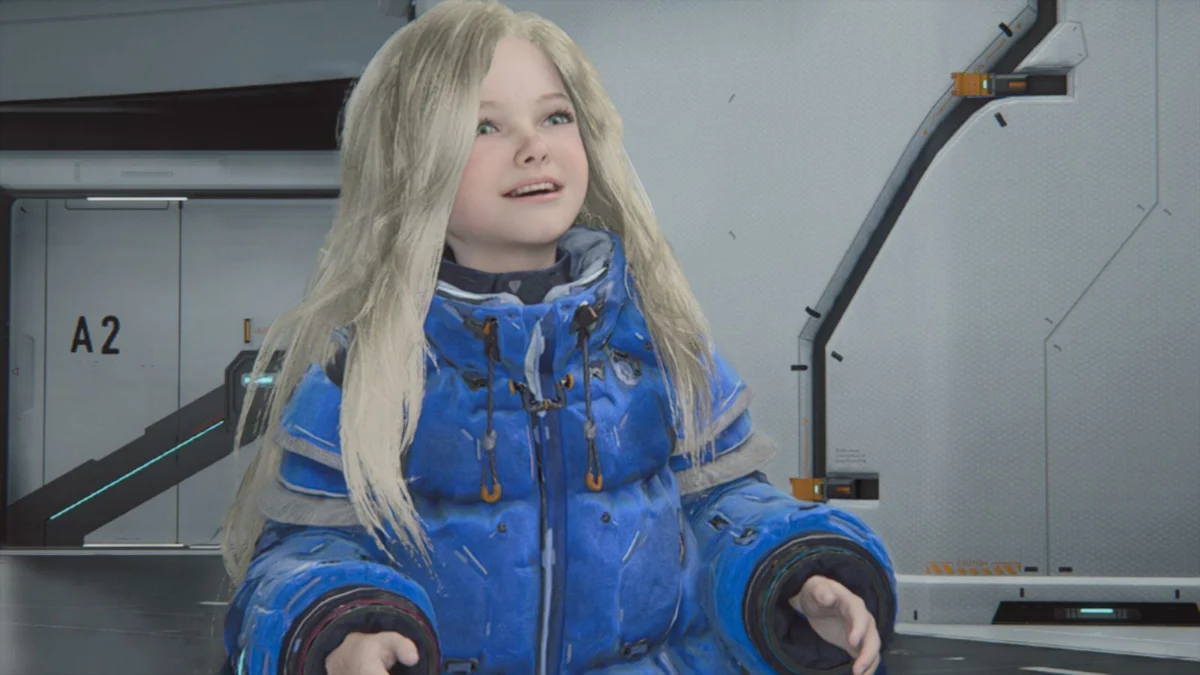
When Capcom finally launched the long-anticipated Pragmata this past April, the industry braced itself for a high-concept, futuristic space odyssey. What it received, however, was something far more intimate: a poignant, character-driven narrative centered on the bond between the stoic astronaut Hugh and his enigmatic, android companion, Diana.
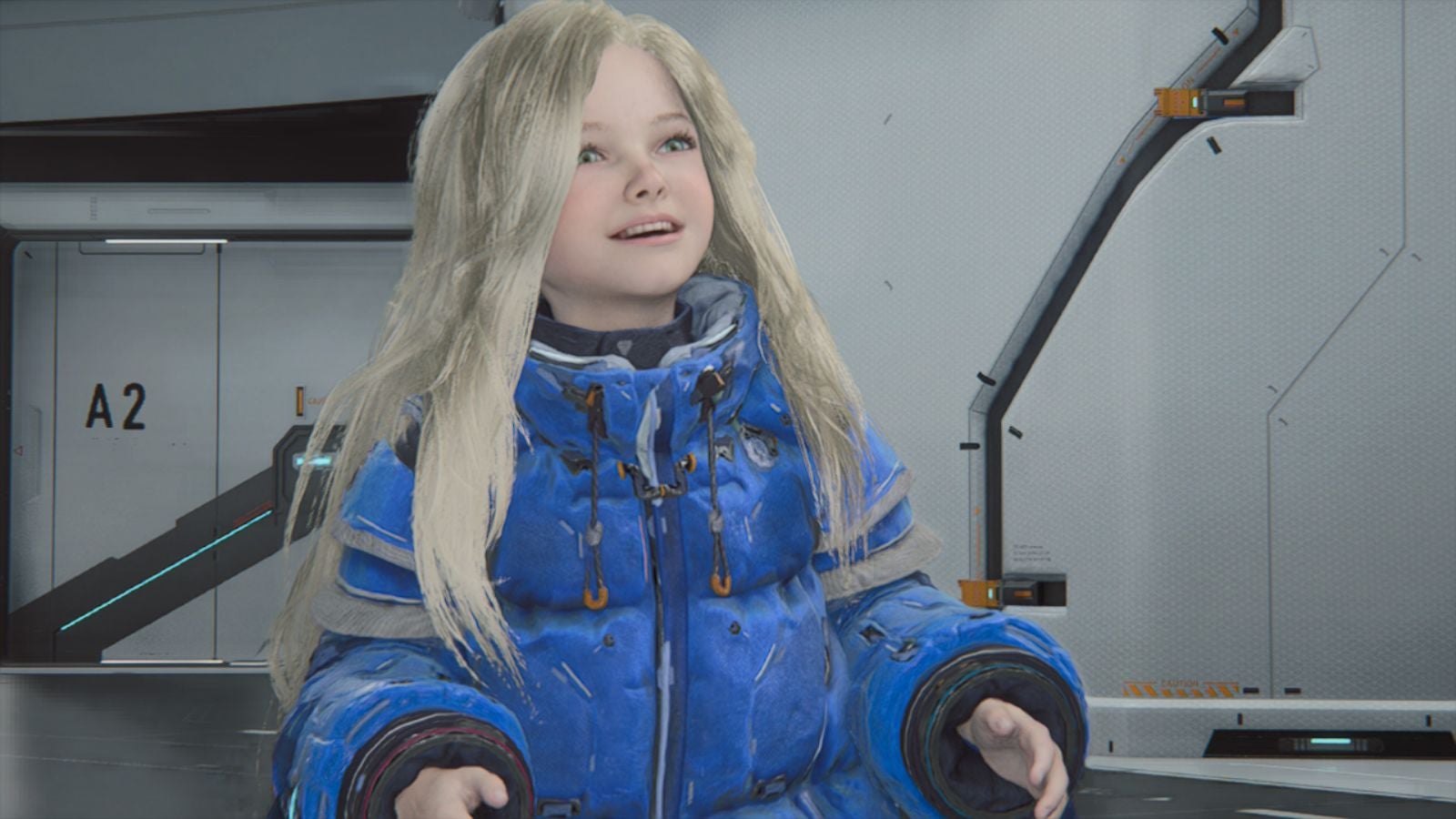
While the game has been lauded for its experimental gameplay mechanics and breathtaking visuals, the emotional resonance of the title rests squarely on the shoulders of its youngest protagonist. Achieving a performance that felt like a genuine, innocent child—rather than a caricature or an artificial "cutesy" archetype—was a monumental challenge for the development team.
In a recent commemorative Father’s Day livestream, producer Naoto Oyama pulled back the curtain on the rigorous, highly specialized process used to bring Diana to life, revealing the existence of an internal creative oversight group known as the "Diana Police."
The Genesis of a Bond: Main Facts
The core of Pragmata’s success is the "father-daughter" dynamic that anchors its interstellar narrative. In a medium where child characters are often criticized for being grating or overly performative, the team at Capcom was acutely aware of the risks involved in portraying Diana.
The "Diana Police" was a dedicated group of female staff members within Capcom tasked with providing feedback on every iteration of the character. Their mandate was clear: ensure that Diana’s behavior, vocal performance, and physical mannerisms remained grounded in natural childhood innocence. Every motion capture session and voice recording was vetted to prevent the character from veering into "contrived" territory—a common pitfall in digital character design.
A Chronological Journey: From Concept to Release
The road to Pragmata was famously long, with several delays leaving fans wondering about the game’s ultimate vision.
- The Early Concept Phase: Initial development focused heavily on the aesthetic of the "Scribble Suit" and the atmosphere of the desolate, futuristic landscape.
- The Mid-Development Pivot: As the narrative began to take shape, the relationship between Hugh and Diana shifted from a secondary element to the primary emotional hook of the game. It was during this period that the "Diana Police" was formed.
- Refinement of Performance: The team worked closely with voice actors, including Nao Toyama (Japanese dub), to strip away the performance tropes typically associated with "kawaii" culture. The goal was for the character to speak with the cadence, hesitation, and unfiltered honesty of a real child.
- The April 2024 Launch: Upon release, the characterization of Diana was cited by critics and players alike as the game’s greatest triumph, proving that the intensive oversight had paid off.
- Post-Launch Updates: Following the game’s massive success, Capcom marked Father’s Day by releasing a free "Scribble Suit" update for Hugh, cementing the game’s focus on the emotional connection between the two leads.
The "Diana Police" and Creative Oversight
The decision to staff the "Diana Police" exclusively with women was a deliberate, strategic choice. According to director Cho Yonghee, the reasoning was rooted in a nuanced understanding of social perception and media tropes.
"It is easier for women to detect the ‘cunning’ kind of cuteness in female characters," Yonghee explained in a candid interview with GameSpark. He jokingly contrasted this with the male perspective on the development team, noting that men often struggle to distinguish between genuine, natural behavior and the manufactured, "cutesy" performances that can feel performative or even uncanny.
By utilizing this internal filter, the team avoided the "uncanny valley" of personality. The result is a character who feels reactive, vulnerable, and authentically young. Whether she is exploring a new environment or relying on Hugh for safety, her reactions are calibrated to feel like a child’s, not an actor’s imitation of one.
Supporting Data: Commercial Success and Critical Reception
The impact of Pragmata’s emotional narrative is reflected in its staggering commercial performance. In an industry where original intellectual properties often struggle to find an audience, Pragmata shattered expectations:
- Milestone 1: The game reached one million copies sold within the first 48 hours of release.
- Milestone 2: By May, that figure had doubled to two million copies, a testament to the strong word-of-mouth regarding the game’s emotional depth.
- Critical Acclaim: In his review for Eurogamer, critic Dom gave the title four stars, characterizing it as a "proudly experimental gamble." The review highlighted how the game’s willingness to focus on the quiet moments between Hugh and Diana provided the necessary counterbalance to its complex sci-fi setting.
Implications for Future Franchises
The massive success of Pragmata has naturally sparked discussions about the future of the IP. Capcom USA’s chief operating officer, Rob Dyer, has spoken positively about the game’s potential to become a long-term franchise, and director Cho Yonghee has explicitly stated his desire to develop a sequel.
The implications for the broader industry are significant. Pragmata demonstrates that high-budget, "blockbuster" games do not have to rely on traditional action tropes to succeed. By prioritizing the authenticity of human—or in this case, human-android—relationships, Capcom has set a new benchmark for character development.

The success of the "Diana Police" methodology suggests that future titles might benefit from similar specialized oversight groups. By creating diverse internal committees to police the tone and authenticity of characters, developers can ensure that their digital protagonists resonate on a deeper, more human level.
Looking Ahead: What’s Next for Hugh and Diana?
With the inclusion of the "Scribble Suit" as a free update, Capcom has signaled that they are listening to the community’s love for these characters. The suit, which reflects the more whimsical, childhood side of Diana’s influence on the world, serves as a thematic bridge between the game’s dark, atmospheric setting and the lighthearted bond of its protagonists.
As fans wait for news regarding a potential sequel, one thing is certain: the bar for character-driven storytelling has been raised. Pragmata has proven that when a studio invests as much time in the emotional truth of its characters as it does in its graphics and gameplay, the result is more than just a game—it is an experience that lingers with the player long after the credits roll.
For those who have yet to embark on the journey, the current state of Pragmata—fully patched and critically acclaimed—offers an ideal entry point. Whether you are in it for the experimental mechanics or the heart-wrenching father-daughter narrative, the game stands as a modern masterpiece of design and human-centric storytelling. The "Diana Police" may have finished their job, but the legacy of their work will surely influence the next generation of digital performance for years to come.
 Laily UPN
  Nila Kartika Wati
  Asro
Asro 