
 By Siti Muinah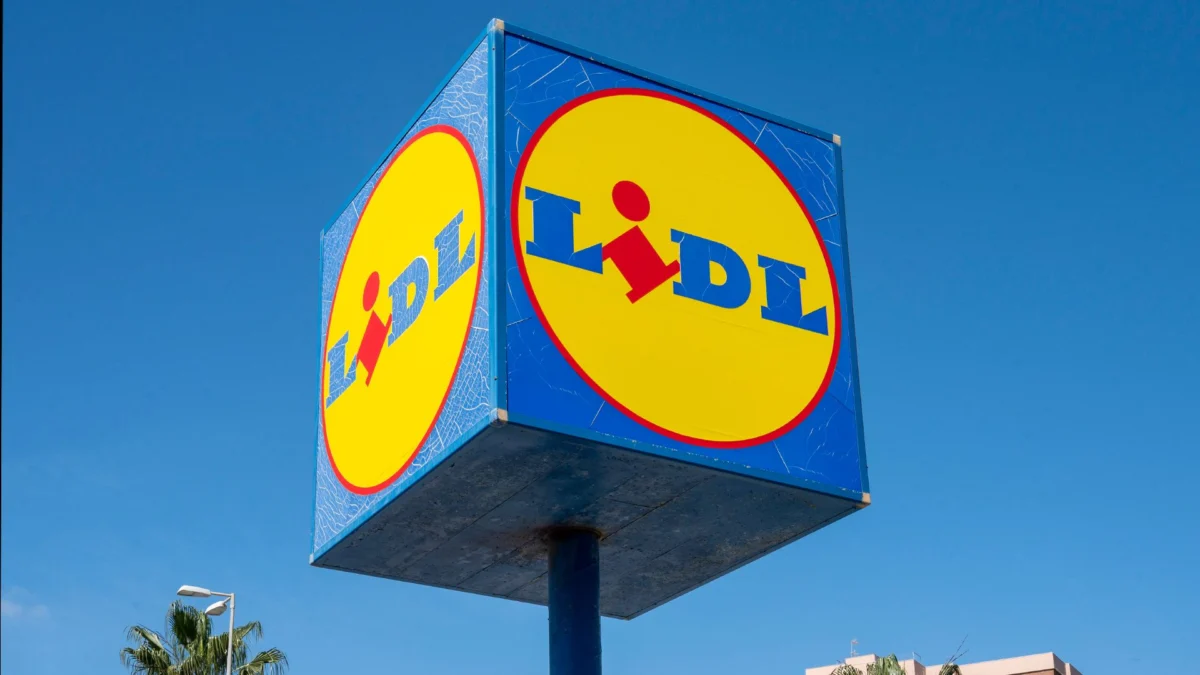
In the high-stakes world of corporate identity, logos are meticulously crafted to convey stability, reliability, and brand ethos. From the hidden arrow in the FedEx logo to the iconic bear tucked into the mountain of the Toblerone emblem, modern design often employs "negative space" to encode deeper meaning into a brand’s visual shorthand. However, a new, internet-fueled theory surrounding the supermarket giant Lidl has transcended professional design critique to enter the realm of pure, unadulterated whimsy: the belief that the company’s logo hides a dog playing a piano.
While the retail titan has offered no official acknowledgment of this digital folklore, the theory has gained enough traction to force design enthusiasts and casual shoppers alike to tilt their heads, squint, and reconsider the innocuous primary colors of the Lidl wordmark.
The Main Facts: Seeing the Unseen
At first glance, the Lidl logo is a masterclass in mid-century retail aesthetic: a bold, sans-serif wordmark encased in a yellow circle, bordered by a blue square and red accents. It is designed to be legible from the street, inviting, and inherently "discount-friendly." It is, by all professional accounts, a functional piece of corporate branding.
Yet, a growing chorus of online observers—predominantly on social media platforms like X (formerly Twitter) and TikTok—insist that a specific spatial arrangement between the characters ‘L’ and ‘i’ reveals a hidden silhouette. According to proponents of this theory, the negative space creates the unmistakable shape of a terrier-like canine perched on its hind legs, front paws resting on a makeshift keyboard.
To the untrained eye, it is simply the spacing between two letters. To the imaginative observer, it is a piece of subliminal visual storytelling. This phenomenon, known as pareidolia—the psychological tendency to perceive meaningful shapes in random patterns—has turned the grocery store logo into an unexpected Rorschach test for the digital age.
A Chronology of the Canine Conspiracy
The origins of the "Lidl Dog" are difficult to trace with pinpoint accuracy, as the theory exists in the ephemeral ecosystem of social media. However, its resurgence can be mapped over the last twenty-four months as part of a broader trend of "logo hunting."
- Early 2022: Initial murmurs began on design forums, where users started sharing "easter eggs" found in common household brands. The Lidl theory was floated as a "fun discovery" rather than a corporate secret.
- Late 2023: A TikTok creator posted a short video overlaying an outline of a dog over the Lidl wordmark. The video went viral, garnering millions of views and sparking a flurry of comments from users claiming they "cannot unsee it."
- Mid-2024: The theory crossed over from niche internet corners into mainstream discourse. Several design blogs and lifestyle publications began featuring the "Pianist Pooch" as an example of accidental design—a phenomenon where random aesthetic overlaps create an unintended, yet delightful, image.
Supporting Data: The Psychology of Negative Space
To understand why this theory persists, we must look at the science of visual perception and the history of intentional logo design.
The Role of Negative Space
Negative space is the area around and between the subjects of an image. In branding, it is a tool used to communicate "cleverness." For instance, the famous "Tango" rebrand, which incorporated hidden shapes into its typography, was a deliberate attempt to signal playfulness. Similarly, the Hot Wheels logo utilizes speed lines that imply motion, a structural choice that informs the viewer of the product’s nature before they even read the text.
The "Happy Accident" Theory
Unlike the Toblerone bear, which is a deliberate artistic choice intended to pay homage to the brand’s home in Bern, the "Lidl Dog" is almost certainly a case of pareidolia. From a design perspective, the Lidl logo uses standard kerning and typeface weight. When these geometric shapes are placed in close proximity, the human brain—which is hardwired to identify faces and animals for survival—fills in the gaps.
If one looks at the ‘L’ and the ‘i’ long enough, the serif flourish or the gap between the letters provides enough "data points" for the brain to complete the picture of a dog. It is a testament to the power of human imagination that a simple retail logo can be transformed into a concert-performing pet.
Official Responses and Corporate Silence
As of the date of this report, Lidl has maintained a steadfast, perhaps wise, silence regarding the "Pianist Dog." In the world of corporate communications, this is a calculated strategy.
If the company were to confirm the theory, they would lose the "mystery" that currently drives social media engagement. If they were to deny it, they risk appearing humorless or dismissive of their own brand’s cultural footprint. By remaining silent, Lidl allows the internet to continue the conversation. In the modern marketing landscape, this is a "win-win." The brand remains in the news, and the consumer feels a sense of ownership over the brand identity.
Industry insiders suggest that companies rarely comment on these theories because doing so validates the idea that their logos are "hidden messages," which can sometimes attract unwanted scrutiny regarding subliminal advertising. Keeping the dog in the realm of "wholesome internet myth" serves Lidl’s interests far better than a dry, official press release.
Implications for Modern Branding
The Lidl dog conspiracy is more than just a silly internet rumor; it holds significant implications for how brands approach their visual identity in the 21st century.
1. The Death of the "Pure" Logo
We have entered an era where no logo is safe from public scrutiny. As design literacy increases among the general population, consumers are looking for "Easter eggs" in every brand mark. This forces designers to be hyper-aware of how their shapes interact. A simple font choice that might have been ignored in 1990 is now subject to microscopic analysis by millions of people.
2. The Power of Community-Led Marketing
Lidl has inadvertently benefited from a narrative they did not write. Because the internet has "adopted" the pianist dog, the brand has been humanized. It is no longer just a cold, multinational grocery chain; it is the store with the "funny piano dog." This kind of organic, community-driven engagement is the holy grail of modern marketing—something that money cannot buy.
3. The Future of Design Discourse
The Lidl case highlights a shift in design critique. We are moving away from traditional, academic analysis of branding (color theory, typography, weight) toward a more interactive, participatory form of critique. Design is no longer a top-down instruction from brand to consumer; it is a conversation, often one that involves wild theories, memes, and a healthy dose of irony.
Conclusion: A Symphony of Imagination
While the logical conclusion is that the Lidl logo remains a straightforward wordmark—devoid of musical terriers or any other hidden fauna—the theory itself is a fascinating case study in human culture. It shows that even in an increasingly automated and digitized world, we still seek out the whimsical and the human.
Whether or not you choose to see the dog, the debate serves as a reminder that our perception of the world is deeply personal. We see what we want to see, and in the case of the Lidl logo, we seem to want to see a bit of music and joy in our everyday errands. Perhaps that is the most successful branding any company could ever hope for: to be so ingrained in the public consciousness that we start finding art where there is none, simply because we enjoy the store enough to look.
For now, the Lidl pianist remains a phantom of the digital age—a dog that plays a song for an audience that refuses to stop listening. And in the world of retail, where competition is fierce and shelf space is limited, being the subject of such harmless, widespread delight is, perhaps, the ultimate success.
 Lina Hope
  Reynand Wu
  Pevita Pearce