
 By Asro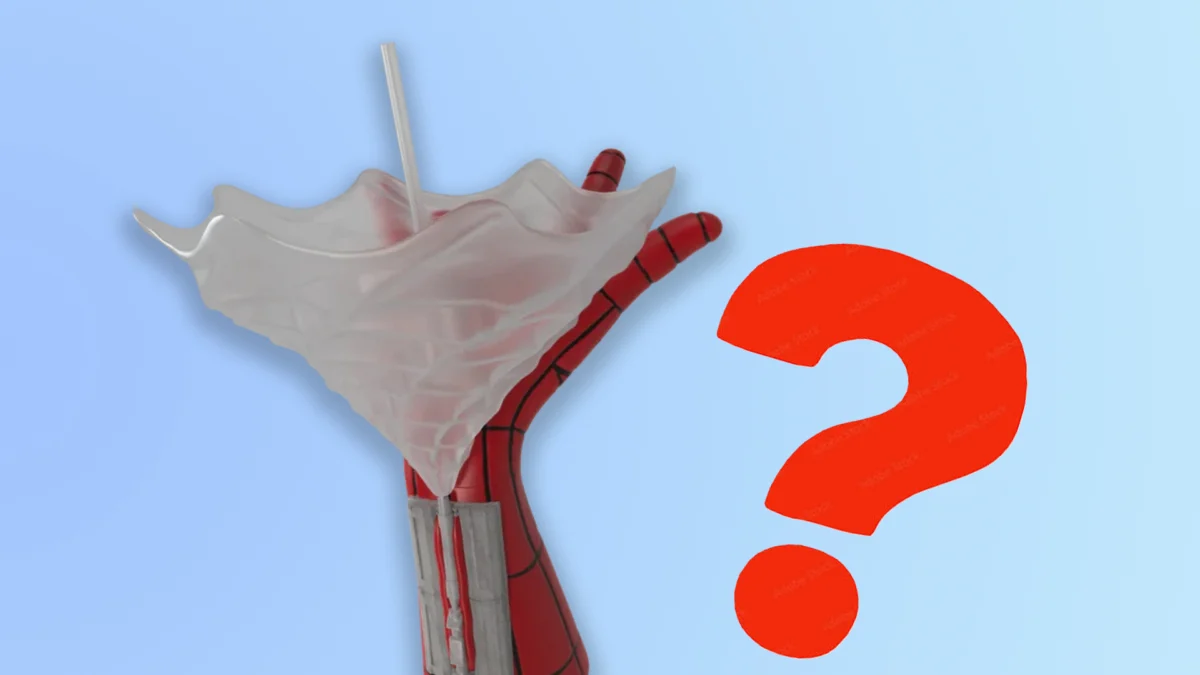
The era of the "prestige" movie tie-in merchandise has taken a turn for the surreal. In recent years, cinema chains have moved beyond simple cardboard tubs and plastic cups, opting instead for elaborate, often bizarre, collectible popcorn buckets designed to turn a standard snack into a viral social media moment. However, the latest offering from the Cinemark theater chain—a promotional item for the upcoming film Spider-Man: Brand New Day—has transcended simple marketing to become the latest subject of intense online scrutiny and widespread digital mockery.
The Anatomy of an Accidental Icon
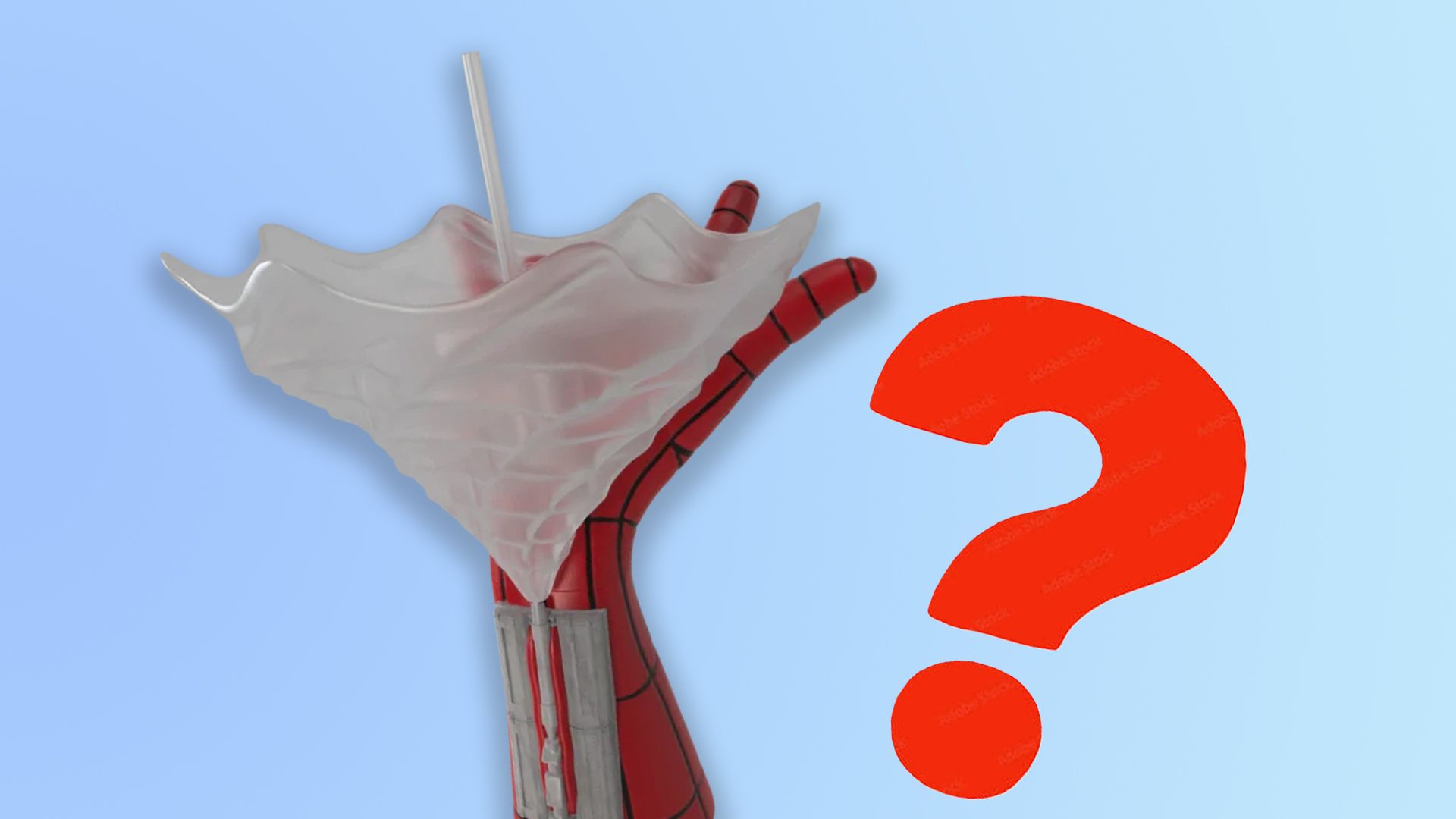
The controversy centers on a plastic popcorn vessel that, in theory, pays homage to Spider-Man’s iconic web-shooting gesture. The design features a sculpted hand mid-pose, with a molded stream of "webbing" emerging from the palm. In a move meant to increase utility, the design allows theatergoers to drink directly from the web-blast component, which functions as a straw.
However, the execution has left little to the imagination. The milky, opaque aesthetic of the web-shooting plastic, combined with the anatomical placement of the spout, has drawn immediate and unfavorable comparisons to adult-oriented content. Since the promotional images were released, the bucket has been subjected to a deluge of memes, social media commentary, and critical analysis regarding the nature of modern movie merchandising.
Chronology of a Design Disaster
To understand how such a questionable item made it from the concept stage to the concession stand, one must look at the recent history of cinema marketing.
- The Catalyst: The trend began in earnest following the release of Dune: Part Two. The infamous "sandworm" popcorn bucket, with its wide, gaping maw, set a high bar for "bizarre" collectibles. Its viral success proved to studios that even items mocked by the public drive massive engagement.
- The "Wicked" Precedent: Later, the Wicked promotional campaign faced its own share of scrutiny due to a design oversight involving text placement, which sparked a conversation about the importance of graphic design and spatial awareness in merchandise.
- The Spider-Man Reveal: In mid-June 2026, Cinemark debuted the Spider-Man: Brand New Day bucket. Within hours of the first photos appearing on X (formerly Twitter), the post garnered millions of views.
- The Backlash: By the following morning, the hashtag #SpideyBucket began trending. Users began deconstructing the design, questioning the decision-making process of the internal teams that approved the prototype.
The Psychology of "Viral Marketing"
Marketing experts suggest that these "failures" may not be entirely accidental. In the attention economy, brands are increasingly incentivized to create products that generate "earned media." When a product is slightly off-kilter, or perhaps unintentionally suggestive, it generates more organic social media conversation than a standard, aesthetically pleasing bucket ever could.
"The goal for these theater chains is to get a customer to take a photo of their snack and post it to Instagram or TikTok," says marketing analyst Sarah Jenkins. "By creating something that is ‘meme-able,’ the studio essentially receives free advertising across multiple platforms. Whether the design is intentionally provocative or simply a lapse in judgment, the result is the same: the product is everywhere."
However, this strategy carries significant risks. When the public sentiment shifts from "funny" to "uncomfortable," it can lead to brand dilution. Critics argue that while the Spider-Man bucket is currently providing entertainment value via memes, it ultimately risks making the theater chain look disconnected from its audience’s sensibilities.
Design Critique: Where Did It Go Wrong?
Design professionals point to several factors that likely contributed to the Spider-Man bucket’s reception. The primary issue is the choice of material. By using a semi-translucent, milky-white plastic for the "web" element, the designers inadvertently created a texture that the human brain immediately associates with biological fluids.
Furthermore, the scale of the hand relative to the web-stream creates a visual composition that lacks the necessary context to appear "heroic." Without the vibrant red-and-blue costuming usually associated with the character, the plastic hand looks detached and uncanny.
"In product design, you have to consider how an object will be held and used," explains industrial designer Marcus Thorne. "When you place a straw at the end of a long, narrow appendage, you’ve created a silhouette that is inherently suggestive. If the design team had used a solid, stylized color for the web, or perhaps a more abstract geometric pattern, the controversy could have been avoided entirely. This is a classic case of failing to account for the ‘giggle factor’—if it looks wrong to a teenager on the internet, it’s going to look wrong to everyone."
The Digital Verdict: Social Media Reactions
The reaction on social media has been swift and unforgiving. On X, users have been dissecting the design with surgical precision.
One prominent user wrote, "Design team definitely didn’t see that coming. With great power comes great… awkward merch." Another commenter echoed this sentiment, noting, "The designer knew. The manager knew. We all know."
The skepticism is rooted in the belief that these items go through rigorous internal review boards before they are ever manufactured. The idea that no one in the production chain raised a hand to ask, "Does this look a bit strange?" is difficult for many consumers to accept. This has led to the prevailing theory that the "scandal" is a manufactured element of the product’s release strategy.
Implications for Future Merchandise
As theaters and film studios prepare for future blockbusters, the Spider-Man bucket serves as a cautionary tale. While the "popcorn bucket wars" have been profitable, there is a point of diminishing returns.
1. The Call for Oversight
Expect to see stricter vetting processes for licensed merchandise. Studios are likely to prioritize "brand safety" over "viral potential" to avoid being associated with the kind of raunchy humor that has characterized the recent discourse around these collectibles.
2. The Shift in Consumer Taste
Audiences are becoming increasingly savvy. They recognize when a brand is trying too hard to capture the "lightning in a bottle" that was the Dune bucket. If future designs continue to lean into the "suggestive" aesthetic, consumers may begin to reject these items entirely, viewing them as tacky rather than collectible.
3. Sustainability Concerns
Beyond the design controversy, there is the growing issue of environmental impact. These massive, non-recyclable plastic buckets are often discarded immediately after the film ends. As environmental awareness grows, the absurdity of the designs becomes even more pronounced—people are being asked to pay a premium for a piece of single-use plastic that is, at best, a source of embarrassment and, at worst, a permanent addition to a landfill.
Final Thoughts: A Symptom of Modern Fandom
The Spider-Man: Brand New Day bucket is, ultimately, a microcosm of the modern relationship between fans and studios. We live in an era where every aspect of a film’s marketing is scrutinized, memed, and critiqued.
While the design of this particular bucket may be a lapse in judgment, it is also a testament to the fact that fans care enough to pay attention. Whether they are buying the bucket as an ironic souvenir or simply taking a picture of it to mock it with their friends, the theater chain has achieved its primary goal: engagement.
As for the designers behind the curtain, they have likely learned a valuable lesson: when you are designing a piece of merchandise for one of the world’s most famous superheroes, context is everything. Sometimes, a web-shooter is just a web-shooter—but in the hands of the internet, it can quickly become something else entirely. As the industry moves forward, it will be fascinating to see if studios pivot back to traditional, safer designs or if they continue to embrace the chaos of the viral popcorn bucket trend. One thing is certain: the next time a major blockbuster hits theaters, the audience will be waiting, cameras ready, to see what happens next.
 Lina Hope
  Reynand Wu
  Pevita Pearce