
 By Reynand Wu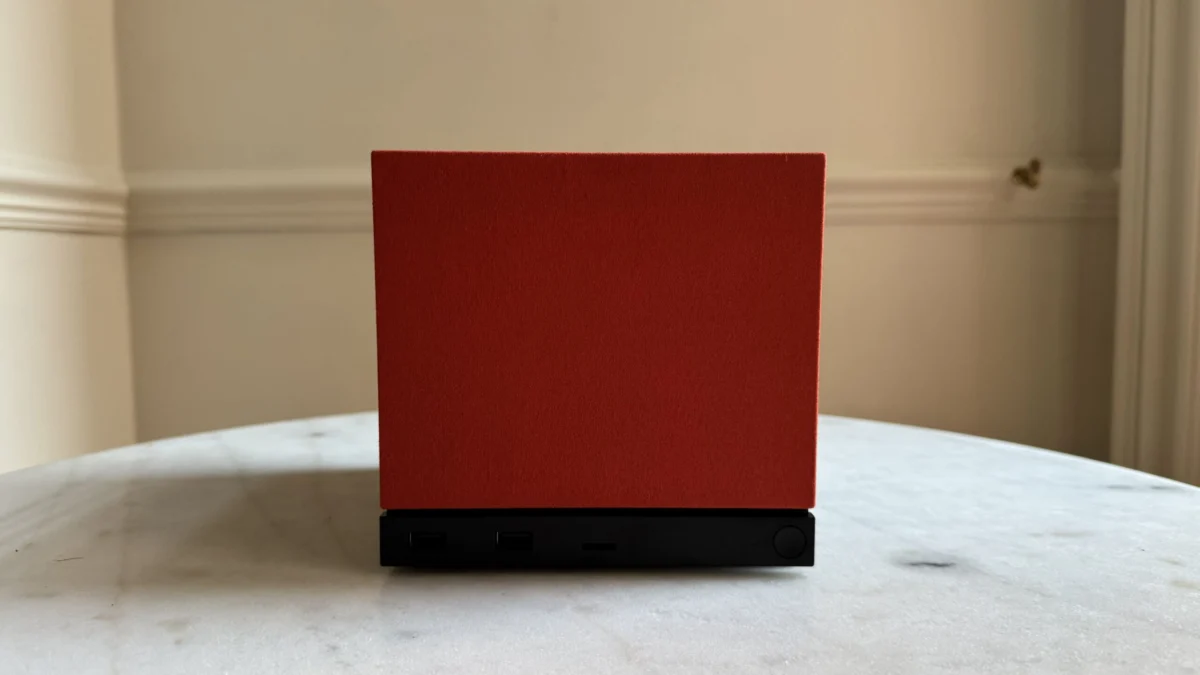
As Valve’s latest hardware venture—the much-anticipated Steam Machine—prepares for its initial rollout via a gated reservation system, the company has provided a significant boost to its longevity. In a major development for the platform, Valve has officially confirmed that AMD’s most advanced image upscaling technology, FidelityFX Super Resolution (FSR) 4, will be natively supported on Steam Machine hardware.
This announcement serves as a strategic pivot for Valve, signaling that they are prioritizing long-term graphical viability over raw hardware output. By integrating cutting-edge upscaling, Valve is positioning the Steam Machine as a serious contender in a console market dominated by static, locked-down architectures.
The Technical Landscape: Why Upscaling Matters
For those less familiar with the complexities of modern GPU rendering, upscaling is the cornerstone of modern gaming performance. It functions by rendering a game at a lower, less taxing resolution—thereby reducing the workload on the GPU—and then using sophisticated algorithms to reconstruct that image to match the user’s native screen resolution.
The result is a visual experience that mimics high-fidelity output while maintaining the smooth frame rates required for modern, demanding titles. While Nvidia’s DLSS (Deep Learning Super Sampling) has long held the crown for image quality, AMD’s FSR has historically played catch-up. However, with the transition to FSR 4, industry analysts suggest the gap between AMD’s software-based upscaling and Nvidia’s AI-accelerated solutions is finally closing.
For Steam Machine owners, this is critical. Because the Steam Machine utilizes AMD’s RDNA 3 architecture, it would have previously been locked out of the highest tiers of proprietary upscaling technology. The promise of FSR 4 integration changes the narrative entirely, offering users the potential for high-quality visuals without requiring the excessive power draw associated with native 4K rendering.
Chronology: A Path to Hardware Integration
The journey toward this announcement has been one of careful hardware curation. Since the initial unveiling of the Steam Machine last year, Valve has been transparent about its intent to create a console-like experience that retains the flexibility of a PC.
- Early Development: Valve confirmed that the Steam Machine would focus on a balanced thermal profile, utilizing RDNA 3-based graphics.
- The Upscaling Problem: Early testing indicated that while the hardware was efficient, it struggled with "AAA" titles running at high resolutions without significant frame rate drops.
- AMD’s Pivot: In recent months, AMD signaled a shift in strategy, announcing that its latest upscaling suite would be backported to older architectures, including RDNA 3.
- The Official Confirmation: This week, Valve issued a statement confirming that Steam Machines are among the primary devices slated to receive FSR 4.1, with a rollout expected to mirror AMD’s broader July target for RDNA 3 compatibility.
Analyzing the Specs: Balancing Power and Performance
Despite being significantly more powerful than the handheld Steam Deck, the Steam Machine still operates within a power-constrained envelope. In the world of high-end gaming, "power is at a premium," as the saying goes. The inclusion of FSR 4 acts as a force multiplier for the device’s internal components.
The RDNA 3 GPU architecture, while highly efficient, faces challenges when tackling the latest ray-tracing intensive titles. By offloading the burden of image reconstruction to FSR 4, the Steam Machine can allocate more of its silicon budget to geometry, lighting, and texture detail.
However, there is a caveat: FSR 4 utilizes a significantly more complex algorithm than its predecessors. Critics and hardware enthusiasts alike are watching closely to see how the Steam Machine’s processor handles this overhead. If implemented efficiently, it could be a seamless experience; if the overhead is too great, it could negate some of the performance gains. Valve has remained tight-lipped regarding the specific implementation details, leaving the community to speculate until the first firmware updates land.
Official Responses and Industry Impact
In a statement provided to Eurogamer, Valve representative emphasized the collaborative nature of this update: "We expect customers will have a much higher quality graphical experience when using FSR 4.1 for upscaling. AMD is adding support for more devices, including Steam Machines."
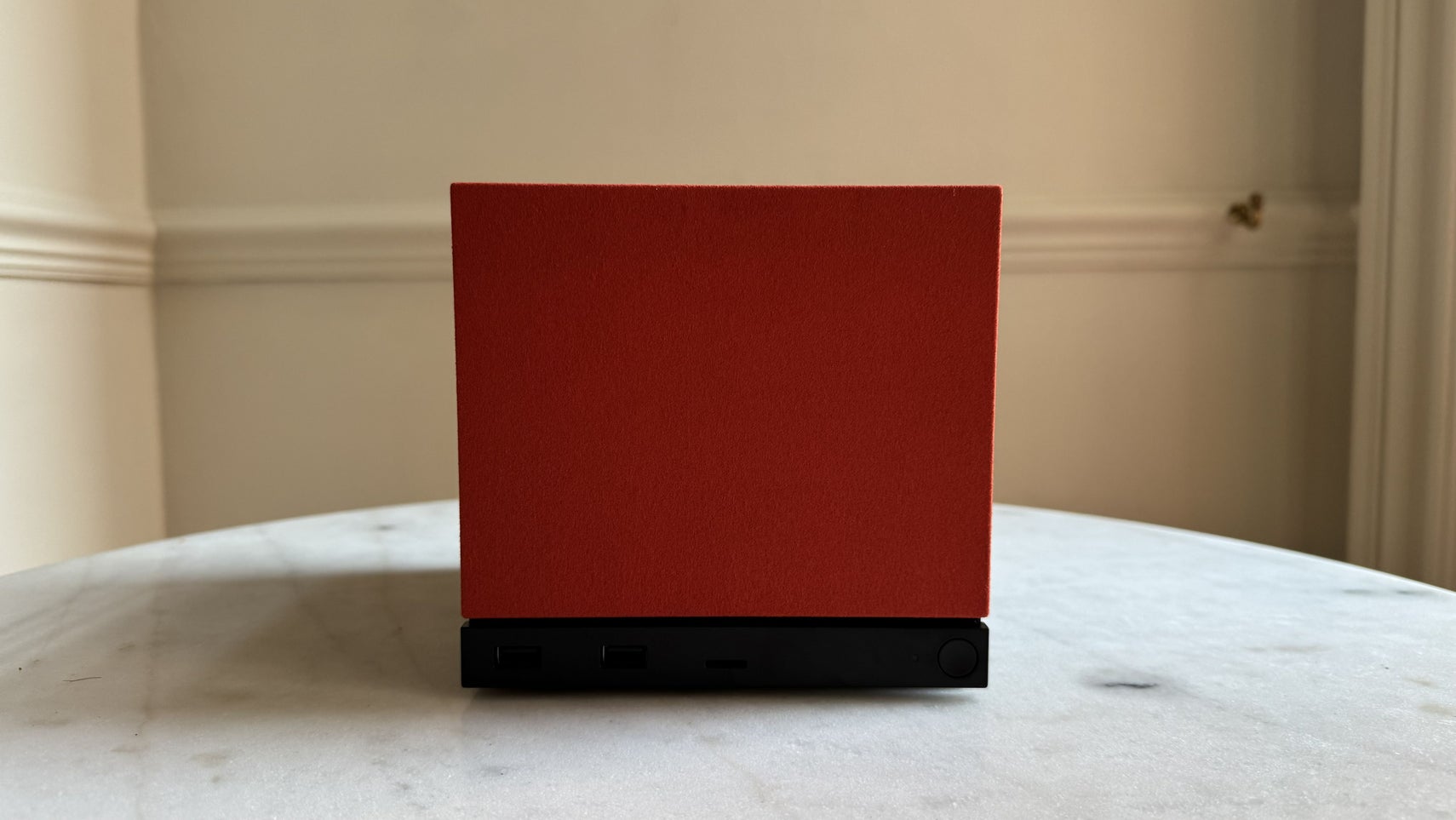
This partnership highlights the deepening relationship between Valve and AMD. By aligning their software roadmaps, the two companies are creating a symbiotic ecosystem where the software effectively "ages" the hardware more gracefully. In an industry where consoles are often criticized for becoming obsolete within three to four years, the commitment to FSR 4 serves as a promise of future-proofing.
AMD’s decision to bring FSR 4 to RDNA 3 is also a strategic move to regain market share in the handheld and compact console space. By ensuring that their upscaling technology is not limited to the absolute newest "bleeding-edge" hardware, they are extending the relevance of their existing silicon.
The Implications: What This Means for the Consumer
For the prospective buyer, the implications are three-fold:
1. Enhanced Visual Longevity
Purchasing a Steam Machine today is now a safer bet than it was a month ago. With FSR 4, titles that might have struggled to maintain a stable 60 FPS at high settings in the future may now remain playable, extending the device’s functional lifespan by several years.
2. A Competitive Edge
Compared to other devices in the same form factor, the Steam Machine now possesses a significant technical advantage. Most competing hardware, if not utilizing AMD’s latest suite, will be forced to rely on older, less visually impressive upscaling methods, resulting in more artifacts and lower image clarity.
3. The "Valve" Experience
Valve’s refusal to subsidize the Steam Machine—unlike Sony or Microsoft, who often sell consoles at a loss to capture market share—means that consumers are paying the full value of the hardware upfront. Because of this, the news of FSR 4 support acts as a "value-add." It confirms that Valve is committed to software optimization as a way to provide value, rather than just raw hardware pricing.
Conclusion: A New Standard for PC Gaming Consoles
The integration of FSR 4 into the Steam Machine represents a maturation of the "PC-as-a-console" concept. For years, the barrier to entry for such devices has been the trade-off between portability and graphical fidelity. By leveraging AMD’s latest upscaling algorithms, Valve is effectively bridging this gap.
As we look toward the July update cycle, all eyes will be on how the Steam Machine performs in real-world scenarios. Will the performance gains be as significant as the marketing suggests? Will the algorithm’s complexity impact the overall system stability?
For now, the trajectory remains positive. Valve has succeeded in creating a platform that is not only modular and open but also technologically responsive to the rapidly evolving landscape of GPU rendering. As the Steam Machine moves toward its wider release, this focus on high-quality, long-term performance support may prove to be the deciding factor in its success against established console giants.
For those interested in the Steam Machine’s journey, we recommend reviewing our comprehensive coverage, including our full Steam Machine review, a detailed guide on how to secure your reservation, and our deep-dive into the technical trade-offs of Valve’s non-subsidized pricing model.
 Laily UPN
  Nila Kartika Wati
  Asro
Asro 