The music industry stands in collective mourning following the passing of CliveDavis, the visionary executive whose golden ear and transformative business acumen defined the trajectory of popular music for over half a century. Davis, who died on June 22 at the age of 94 due to complications from an age-related illness, leaves behind a legacy that is not merely measured in record sales, but in the structural evolution of the music business itself.
From his tenure at Columbia Records in the 1960s to his roles as the founder of Arista and J Records, Davis was a master of identifying talent and nurturing it toward global superstardom. His death marks the end of an era for an industry that he helped build from the ground up, turning raw potential into the soundtracks of generations.
A Life in Rhythm: The Chronology of an Icon
Clive Davis’s career is a masterclass in adaptation and foresight. Born in 1932, his ascent in the music world was unconventional. Unlike many of his contemporaries who rose through the ranks of radio or performance, Davis entered the industry as a lawyer. His transition to the executive suite began at Columbia Records, where he served as president from 1967 to 1973.
The Columbia Years (1967–1973)
During his time at Columbia, Davis fundamentally changed the culture of the label. He was instrumental in shifting the focus from traditional pop acts to the burgeoning rock and singer-songwriter movements of the late 60s. He famously signed or championed artists like Bruce Springsteen, Janis Joplin, and Carlos Santana, recognizing that the youth counterculture was the future of the recording industry.
The Arista Revolution
After his departure from Columbia, Davis launched Arista Records in 1974. It was here that he cemented his reputation as the "Greatest A&R Man" in history. At Arista, he demonstrated an uncanny ability to cross genres, signing legends like Aretha Franklin, Patti Smith, and Dionne Warwick. He was the architect behind the crossover appeal of these artists, helping them navigate changing musical tides while maintaining their artistic integrity.
The J Records Era (2000–2026)
Proving that his instincts remained sharp into the new millennium, Davis founded J Records in 2000. It was through this venture that he introduced the world to the next generation of musical royalty, most notably Alicia Keys and Maroon 5. Even in his later years, Davis remained a central figure, serving as a consultant and mentor to the biggest names in the business.
The Midas Touch: Supporting Data and Cultural Impact
The sheer scale of Davis’s influence is difficult to quantify, but the numbers provide a startling baseline. Over the course of his six-decade career, Davis oversaw the sale of hundreds of millions of records. However, his true impact was in "star-making."
He was not merely a manager; he was an editor of musical identity. He famously encouraged Whitney Houston—perhaps his most significant discovery—to refine her sound for the pop market, resulting in one of the most successful recording careers in history. His roster of artists includes:
Rock Icons: Bruce Springsteen, Aerosmith, The Grateful Dead.
Soul and R&B Giants: Whitney Houston, Aretha Franklin, Luther Vandross, Usher, Jennifer Hudson.
Pop and Contemporary Stars: Barry Manilow, Maroon 5, Alicia Keys, Rod Stewart.
Beyond the boardroom, Davis’s annual Pre-Grammy Gala became the most exclusive and significant networking event in the entertainment calendar. It served as a bridge between legacy artists and emerging talent, reinforcing Davis’s status as the industry’s ultimate gatekeeper and connector.
Official Responses: A Global Outpouring
The news of Davis’s passing triggered an immediate and heartfelt response from the music community. The family statement issued on social media offered a poignant look at the man behind the music:
"To the world, our father was the iconic music legend whose vision, instincts, and relentless pursuit of excellence shaped the soundtrack of countless lives. He discovered, mentored, and championed the greatest artists in modern music history, leaving an indelible mark on culture that will endure for generations."
Tributes from the Industry
The personal nature of the tributes reflects the deep, often paternal, bond Davis formed with his artists.
Bruce Springsteen, who was signed by Davis at the tender age of 22, shared a deeply personal memory: "Over here on E Street, we mourn the death of the great record man and close friend, Clive Davis. At 22 years old, he changed my life when he signed me to Columbia Records. He treated me with the same respect and kindness as a 22-year-old nobody as he did after all my success."
Patti Smith, another foundational talent championed by Davis, expressed her gratitude for his role in her career: "This is thanking Clive Davis for transforming music, and on a very personal note, for believing in me, shepherding my efforts and a half century of your love and support."
Other industry luminaries, including Russell Simmons, Jermaine Dupri, Diplo, and Harry Connick Jr., echoed these sentiments, highlighting his kindness, wisdom, and the "giant" stature he held within the halls of the industry.
The Legacy of a Visionary: Implications for the Future
Clive Davis’s death leaves a void that may never be filled, specifically regarding the role of the "super-executive." In an age of algorithmic curation and fragmented streaming, the model of the hands-on executive who shapes an artist’s sound and career path is becoming a rarity.
The "A&R" Evolution
Davis represented the pinnacle of A&R (Artists and Repertoire). His methodology—spending hours in the studio, listening to every demo, and providing granular feedback—is a stark contrast to today’s data-driven talent scouting. The implication of his absence is a question for the industry: who will champion the "long game" for artists? Davis’s career proves that sustained success requires a human touch, a belief in artistic growth, and the courage to bet on talent that may not have immediate commercial viability.
A Lasting Cultural Blueprint
Davis proved that music is a business, but it is also a human endeavor. His ability to reconcile the commercial requirements of a label with the creative impulses of an artist set the standard for what a label head should be. As the music industry continues to navigate the complexities of digital transformation, the principles Davis lived by—grace, generosity, and an unyielding commitment to excellence—will remain a vital blueprint for the next generation of leaders.
Personal Life and Surviving Family
While his professional achievements were public property, Davis’s family remained his greatest pride. He is survived by his four children—Fred, Doug, Mitchell, and Lauren—whose own paths often intersected with their father’s love for the arts.
He also leaves behind eight grandchildren—Austin, Charlie, Matthew, Hayley, Harper, Sloane, Billie, and Cody—and two great-grandchildren. His extended family, including his cousin Jo Schuman and his partner Greg Schriefer, have requested privacy as they mourn the loss of a man who, despite his towering professional stature, was first and foremost a father and a friend.
As the industry moves forward, it does so in a landscape that has been irrevocably altered by Clive Davis. He taught us that a great song can change a life, and that a great mentor can change the world. While the music will continue to play, the man who helped write the history of that music will be deeply missed.

 By Nana Muazin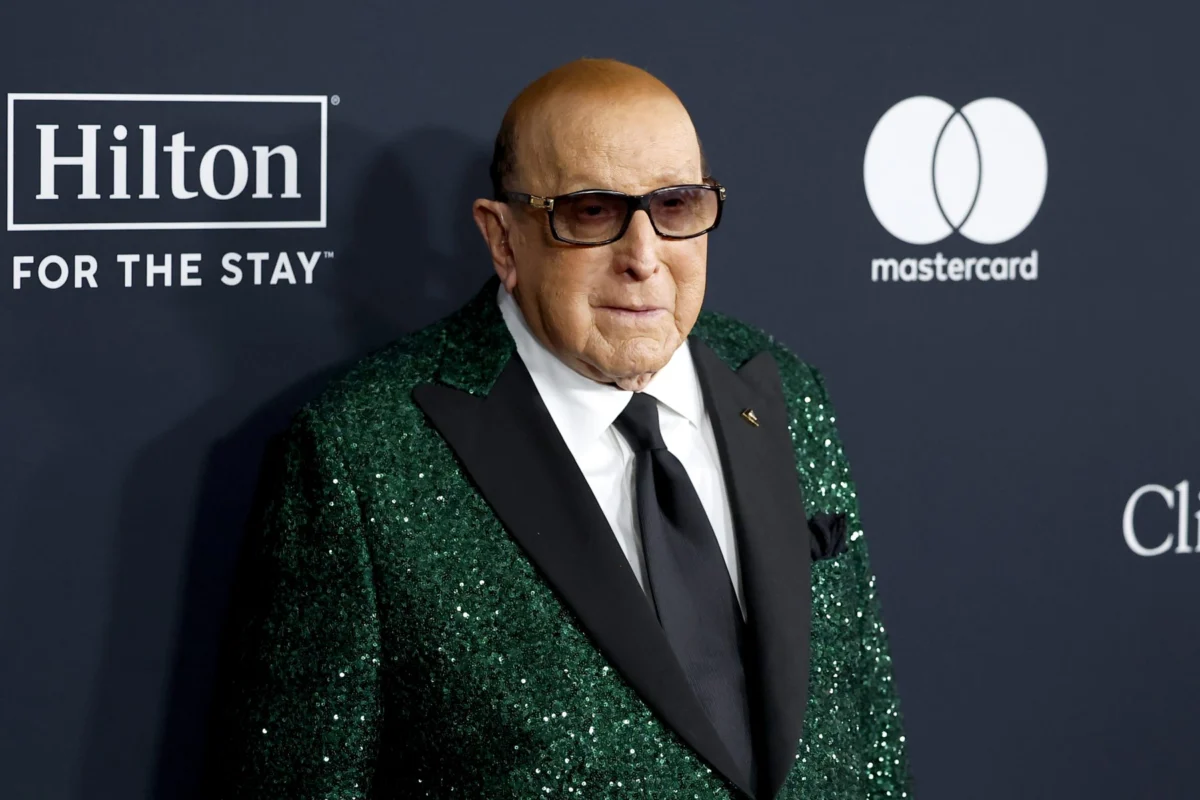

 Ali Ikhwan
  Suro Senen
  Reynand Wu