
 By Lina Irawan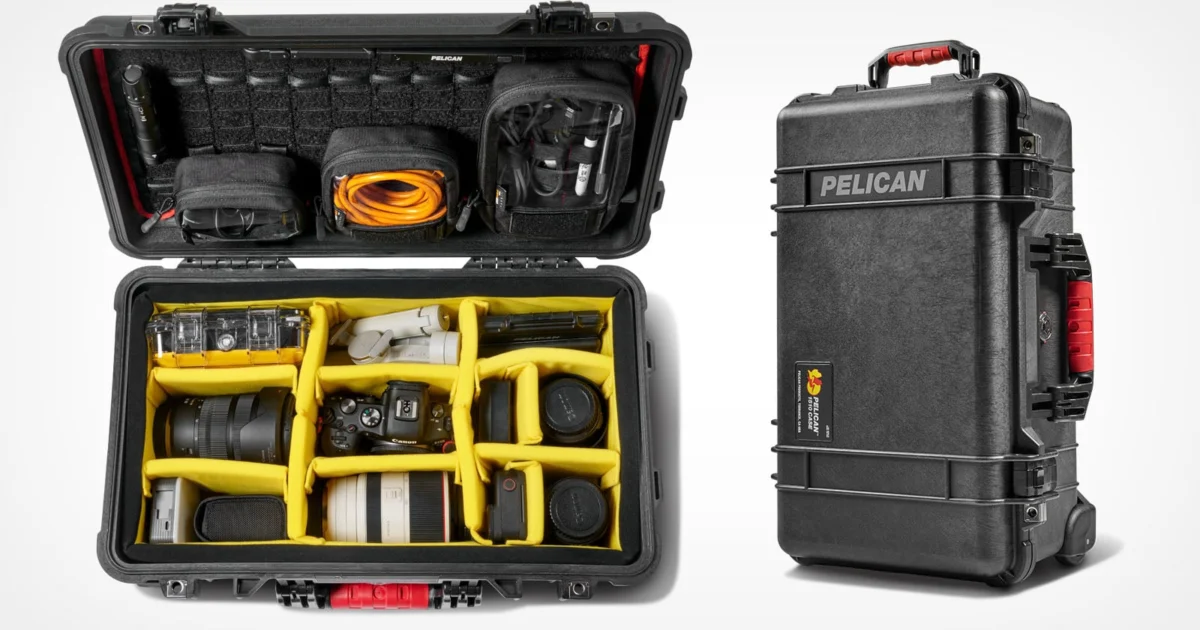
For nearly five decades, the term "Pelican case" has functioned as a genericized trademark in the professional photography, videography, and industrial engineering worlds. Much like "Kleenex" or "Xerox," the name has become synonymous with the product itself: an indestructible, airtight, and watertight hard shell capable of shielding sensitive equipment from the harshest environments on Earth.
Today, Pelican Products, Inc. has announced a significant evolution of its flagship line. The launch of the "Next Generation Protector Series" marks the most substantial re-engineering of the iconic case since its inception in 1976. While the aesthetic remains familiar, the company claims the internal architecture and chemical composition have been fundamentally overhauled to meet the increasingly demanding needs of modern field professionals.
The Foundation: A Brief Chronology of the Pelican Protector
To understand the significance of this launch, one must look back at the origins of the brand. In 1976, Dave Parker, an avid diver and photographer, grew frustrated with the lack of reliable storage for his gear. He sought a solution that could withstand the corrosive saltwater, crushing pressure, and unpredictable impact of the open ocean.
- 1976: Pelican Products is founded, launching the original Protector case. It quickly becomes the industry standard for divers and sailors.
- 1980s–1990s: The case transitions from a niche scuba diving accessory to a staple in the camera industry. News crews, war photographers, and production teams adopt the Protector case as their primary method of transporting expensive optics and sensitive electronics.
- 2000s: Pelican expands into military and government contracts, solidifying the reputation of the case as "mission-critical" gear.
- 2026: Pelican unveils the "Next Generation Protector Series," representing the first major leap in material science and modular design for the core line in decades.
This evolution is not merely a cosmetic refresh. Pelican’s leadership asserts that the new series is "the future version of the case the world already trusts," signaling a move to ensure the brand remains relevant in an era of lighter, more fragile, and increasingly expensive high-tech production equipment.
Engineering the Future: Material Science Advancements
The most significant change in the Next Generation Protector Series lies in its "HPX" proprietary polymer formulation. While standard hard cases are often made from standard polypropylene, Pelican has leveraged advancements in polymer chemistry to target three specific performance metrics: impact resistance, structural rigidity, and environmental durability.
Impact Resistance and Structural Rigidity
Pelican reports that the new HPX formulation provides a 12% increase in impact resistance. For a photographer dropping a case from a truck bed or a drone pilot navigating rugged terrain, this margin of safety is critical. Furthermore, the cases have been optimized for "load-bearing" scenarios. Whether stacked in the cargo hold of an airplane or subjected to pressure in deep-sea deployment, the new cases exhibit significantly less deformation under stress. This ensures that the airtight seal—a signature feature of the Pelican design—remains intact even when the shell is under extreme physical duress.
UV Resistance and Color Fastness
A common complaint with legacy plastic cases is the tendency for polymers to degrade when exposed to prolonged, intense sunlight. UV radiation can make plastics brittle and cause colors to fade or shift. The new HPX material features enhanced UV stabilizers, ensuring that the cases maintain their mechanical integrity and original color even when left in the sun for extended periods. For field professionals working in deserts or high-altitude environments, this equates to a longer lifespan for the case and, by extension, the equipment inside.
The Human Element: Enhanced Functionality and Ergonomics
Beyond the molecular level, Pelican has introduced several functional upgrades designed to streamline the workflow of the modern creator. The company has moved away from the "static" nature of the traditional case, opting for a modular approach.
Refined Latch and Wheel Systems
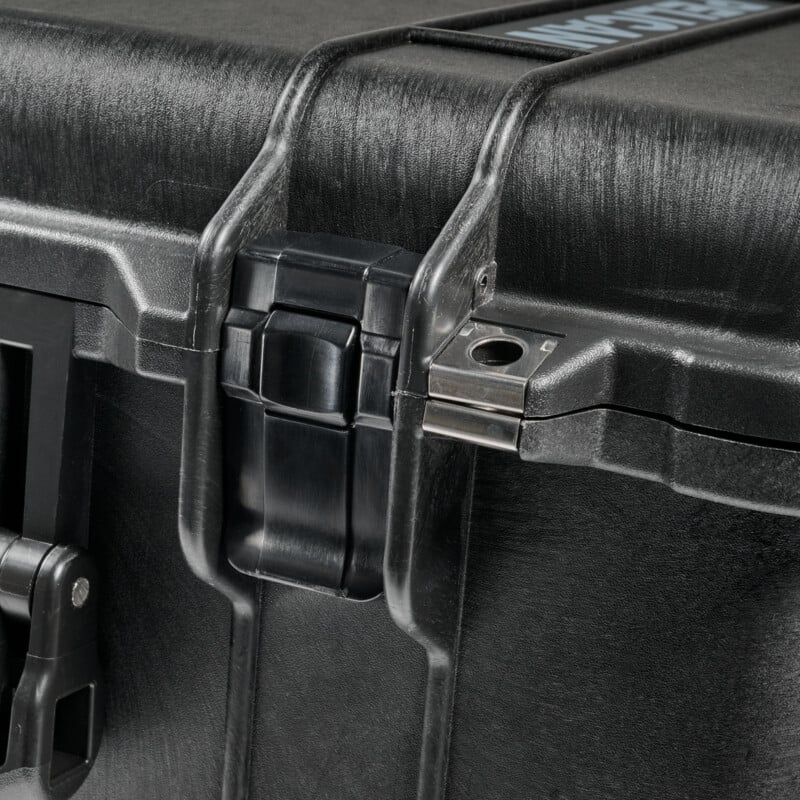
One of the most noticeable physical upgrades is the transition to an improved push-button latch system. Users have long cited the difficulty of opening cases in cold weather or when wearing gloves; the new latches are designed to be more ergonomic and reliable, requiring less force to engage while providing a more secure closure. Additionally, the wheels on the larger rolling models have been upgraded with steel bearings. This change is designed to reduce friction and noise, allowing for smoother transport over uneven surfaces and a longer service life under heavy, fully-loaded conditions.
The Modular Ecosystem
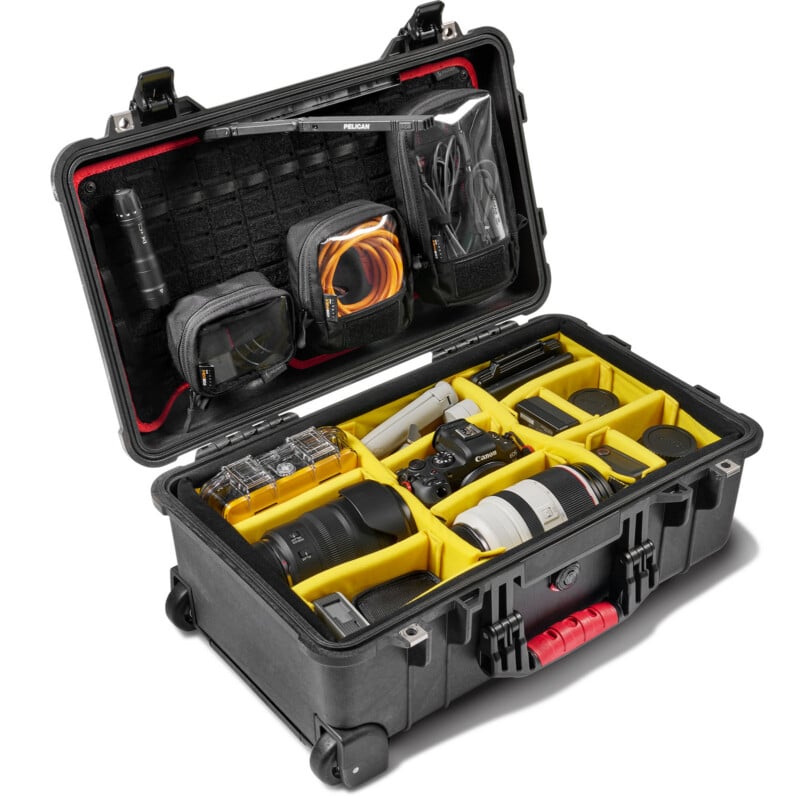
Perhaps the most exciting development for photographers is the move toward a modular internal ecosystem. The new Protector series supports a range of internal accessories, including:
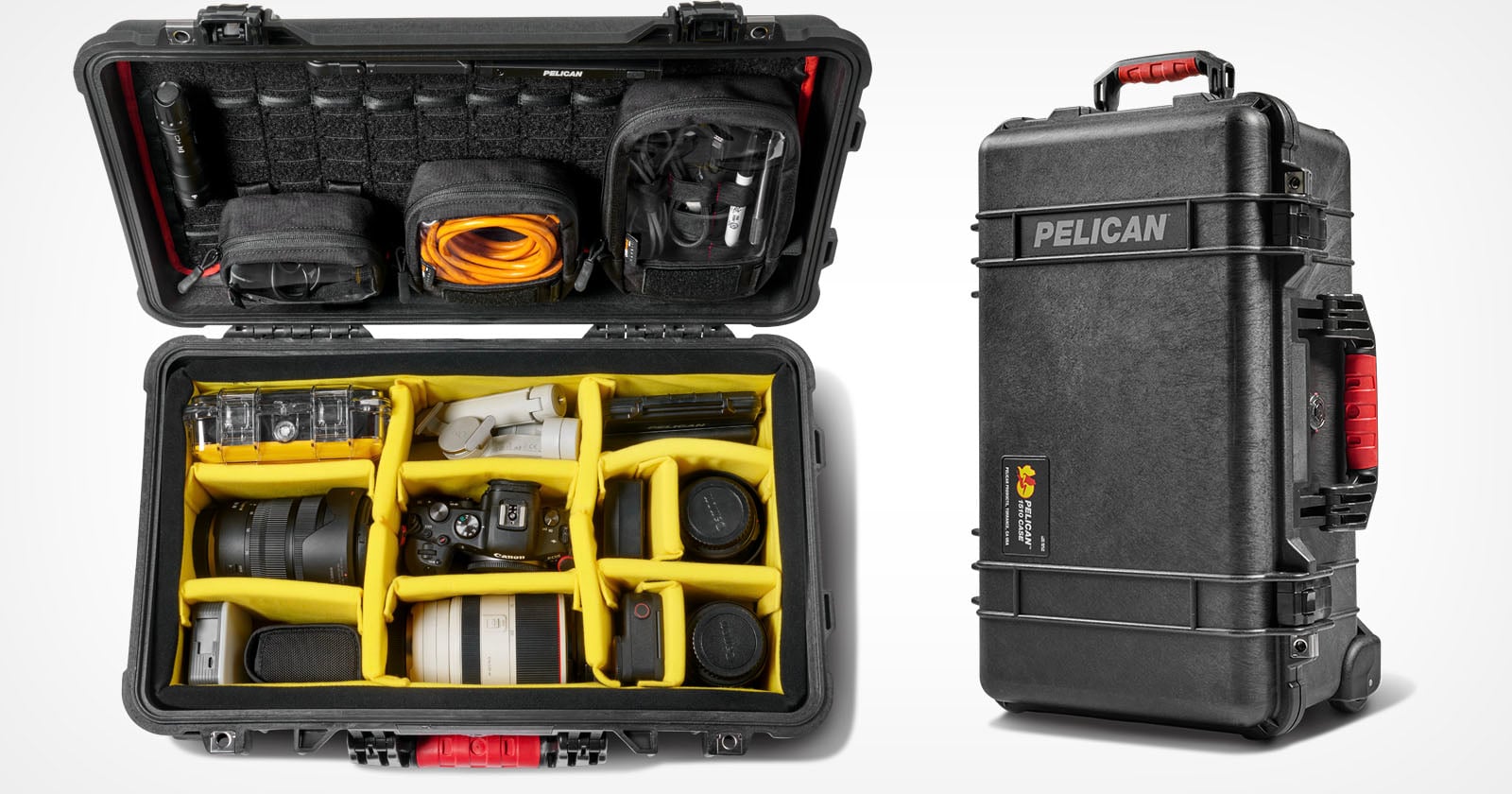
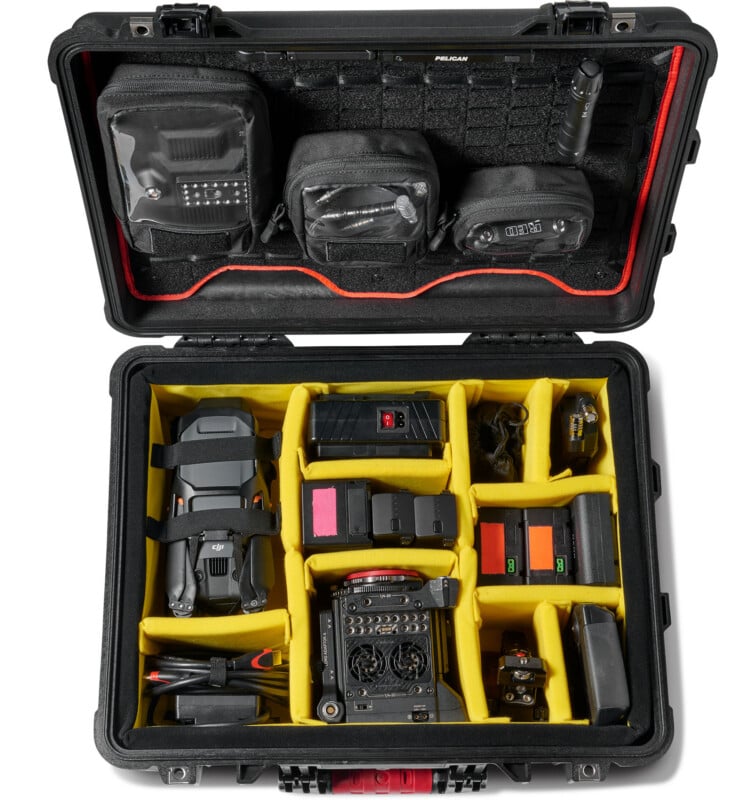
- Customizable Lid Organizers: These utilize zippered mesh pockets to allow for quick access to SD cards, cables, and lens caps.
- Integrated Lighting: Pelican has introduced a dedicated in-case LED light module. This magnetic or snap-in accessory provides up to 18 hours of illumination, allowing photographers and technicians to locate gear in low-light environments without needing a separate headlamp or flashlight.
- Modular Storage Packs: These clear-fronted, red-stitched pouches allow for high-level organization, enabling users to see their contents at a glance—a significant time-saver on fast-paced sets.
Official Perspectives: The CEO’s Vision
During the announcement, JC Curleigh, CEO of Pelican, emphasized that the company’s mission remains rooted in the concept of "protection starting where others end."
"Fifty years ago, Pelican created a category out of a necessity for gear that wouldn’t fail, regardless of the environment," Curleigh stated. "With the Next Generation Protector, we have optimized the chemistry and the architecture of our namesake line. For the professional photographer or the engineer on a remote rig, this means a case that is not only tougher but more adaptable to the most challenging environments."
Curleigh’s remarks underscore a strategic pivot: Pelican is no longer just selling a "box." They are selling a comprehensive infrastructure for equipment management. By listening to the feedback of professional users, the company is attempting to bridge the gap between heavy-duty industrial protection and the nuanced organizational needs of modern content creators.
Implications for the Industry
The release of the Next Generation Protector Series is likely to have a ripple effect across the photography and film equipment markets.
Setting a New Benchmark
By increasing the performance threshold of the industry standard, Pelican is effectively raising the barrier to entry for competitors. While cheaper alternatives exist, the brand’s commitment to "meaningful evolution" suggests that they intend to maintain their dominance in the professional sector.
The Shift Toward Modular Workflows
The inclusion of modular lighting and organizational pouches reflects a broader trend in the industry: the "all-in-one" workstation. As cameras and drones become more compact, the need for disorganized "pick-and-pluck" foam is diminishing. Professionals now prefer custom, modular dividers that allow them to swap gear configurations between jobs. Pelican’s new series is built to accommodate this, potentially reducing the need for secondary storage bags or specialized camera backpacks.
Sustainability and Longevity
In a world increasingly concerned with consumption, the focus on UV resistance and increased durability is a quiet nod to sustainability. By building a case that lasts longer and resists environmental degradation, Pelican is arguably reducing the frequency with which professionals need to replace their gear storage solutions. This focus on "future-proofing" is a strategic response to the disposable nature of many modern electronics accessories.
Availability and Future Outlook
As of this writing, the Next Generation Protector series is slated for release through authorized Pelican distributors and professional suppliers starting this Summer. While exact pricing has not been finalized, industry experts expect a premium over the current models, given the advancements in material science and modular accessories.
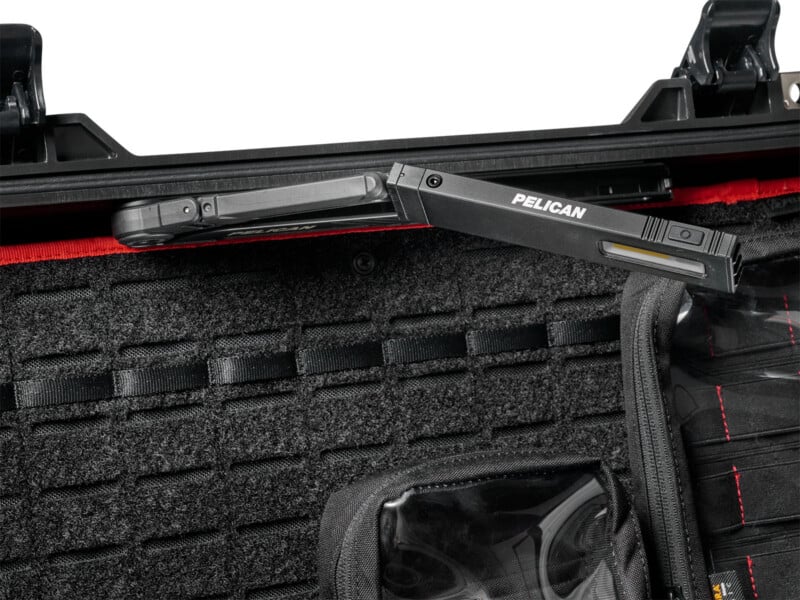
The company has established a dedicated landing page for the new series, though it remains to be seen how they will phase out the current inventory. For those currently invested in the existing Pelican ecosystem, the modular accessories—such as the lid organizers and the LED lighting system—may be compatible with older models, though the company has yet to provide a full compatibility matrix.
As the industry moves toward increasingly sophisticated field production, the demand for robust, intelligent storage will only grow. With the Next Generation Protector series, Pelican has successfully managed to balance its legacy of rugged, industrial protection with the flexible, modern needs of today’s digital creators. Whether in the back of a rental truck in Los Angeles or on a research vessel in the Antarctic, the "new" Pelican case is poised to continue protecting the world’s most valuable equipment for decades to come.
 Laily UPN
  Reynand Wu
  Lina Hope