
 By Dwi Wanna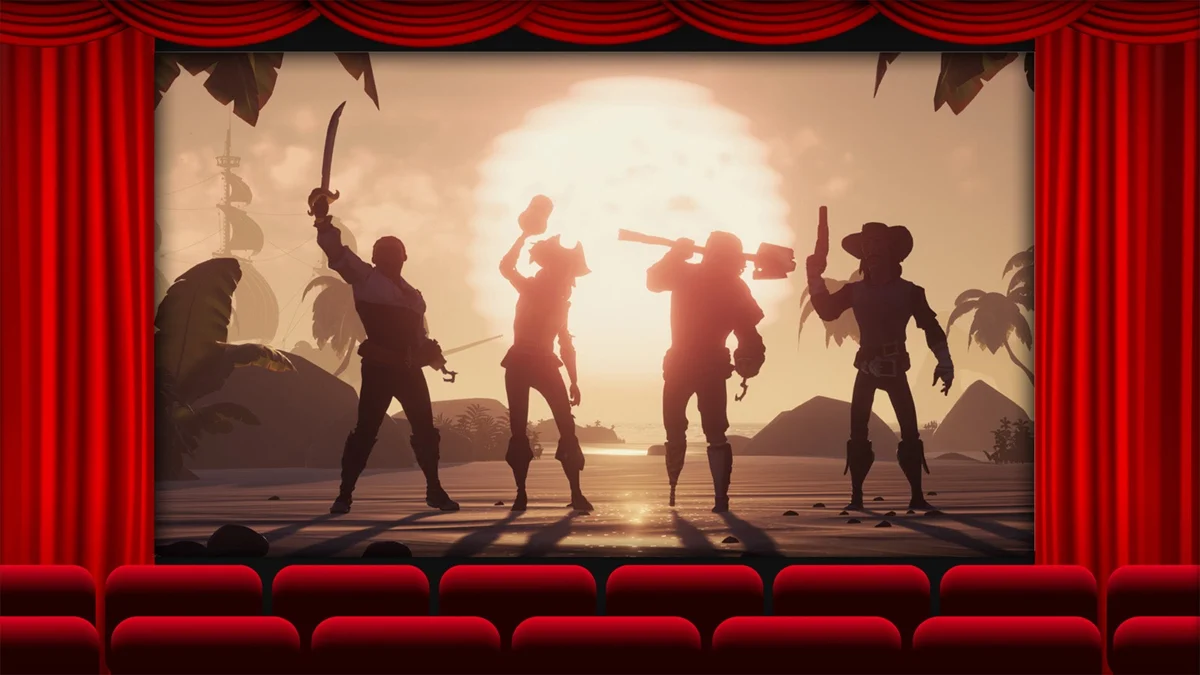
As the gaming industry continues to blur the lines between interactive entertainment and traditional cinematic media, Microsoft is signaling a definitive shift in strategy. With a massive portfolio of intellectual property (IP) following its acquisition of ZeniMax and Activision Blizzard, the tech giant is moving aggressively to translate its gaming success onto the silver screen and streaming platforms. However, this expansion comes at a precarious time for the company, as it simultaneously navigates the choppy waters of internal restructuring and studio uncertainty.
Main Facts: The New Cinematic Frontier
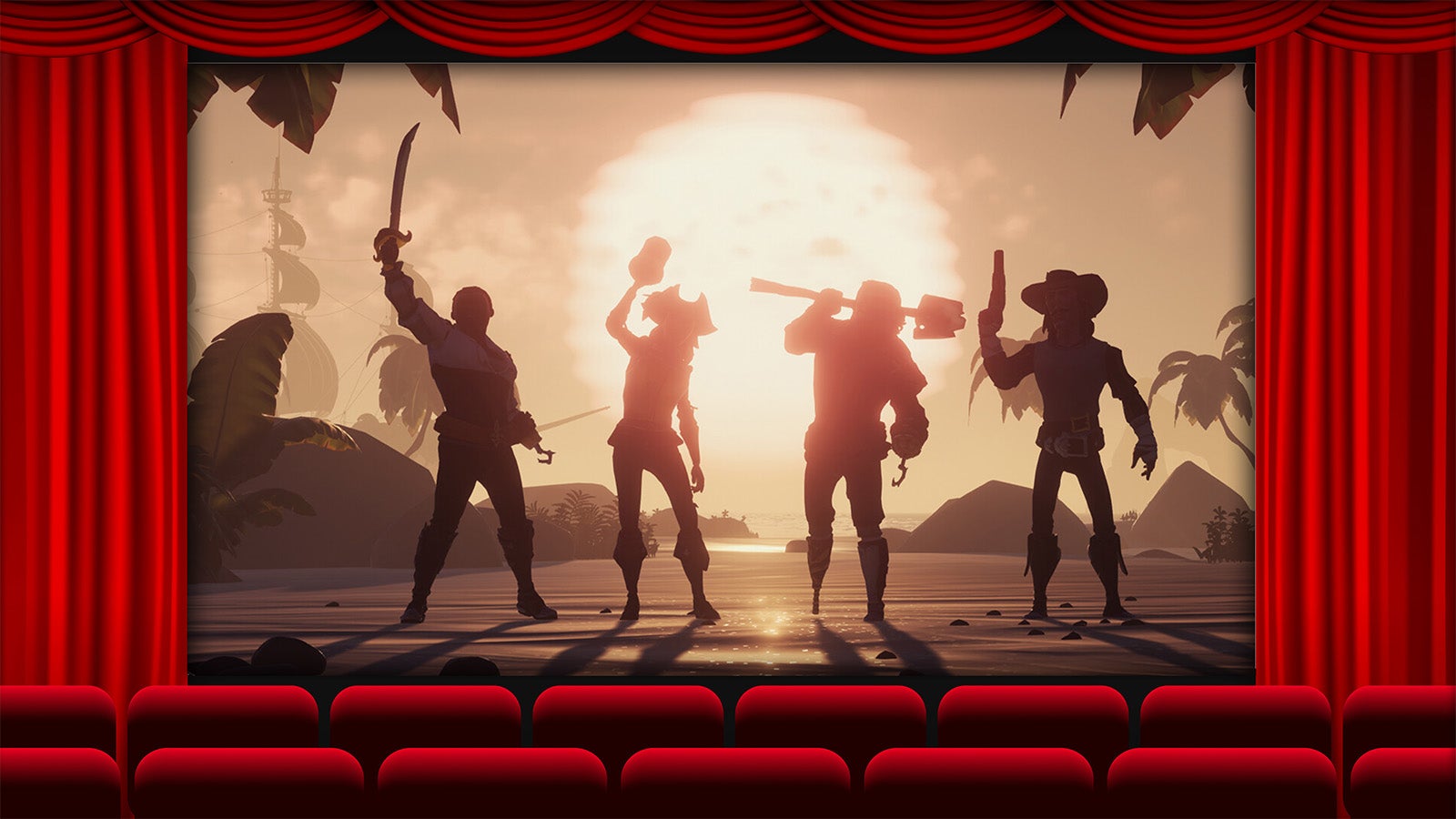
Microsoft has officially confirmed that it is actively developing a live-action adaptation of its swashbuckling multiplayer hit, Sea of Thieves. The project is being spearheaded by producer Destin Daniel Cretton, the visionary filmmaker behind Shang-Chi and the Legend of the Ten Rings and the upcoming Spider-Man: Brand New Day, through his production house, Hisako Films.
While the Sea of Thieves project remains in the early stages without a confirmed director or cast, it represents a bold creative challenge. Unlike linear narratives that dominate most game-to-film adaptations, Sea of Thieves is defined by its emergent, player-driven storytelling.
Simultaneously, Microsoft is reassessing its relationship with the Halo franchise following the cancellation of the Paramount+ series after two seasons. Despite the show’s mixed reception, Microsoft remains committed to the brand, hinting at future multimedia endeavors. Finally, the long-gestating Gears of War film has gained significant momentum. Directed by David Leitch—the high-octane director behind The Fall Guy and Bullet Train—the film will focus on the origin story of Delta Squad, mirroring the thematic focus of the upcoming Gears of War: E-Day game.
A Chronology of Microsoft’s Multimedia Evolution
To understand the current state of Xbox’s Hollywood ambitions, one must look at the timeline of their intellectual property expansion:
- 2022: The debut of the Halo television series on Paramount+. While it reached high viewership numbers, it polarized the core fanbase, eventually leading to its cancellation in 2024.
- 2024: The massive success of Amazon Prime’s Fallout series. Produced by Kilter Films, the show’s critical and commercial triumph served as a proof-of-concept for Microsoft, demonstrating that high-quality game adaptations could dominate mainstream culture.
- Late 2024/Early 2025: Reports surfaced regarding the success of the Minecraft movie project, which reached top-five status in terms of cultural footprint and audience engagement.
- 2025 (Current): Microsoft formally announces the expansion of its film division, prioritizing Sea of Thieves and Gears of War as core pillars of its future growth strategy.
Supporting Data: Why Gaming IP is the New "Golden Goose"
The appetite for gaming adaptations has never been higher, and the data supports Microsoft’s pivot. According to recent industry metrics cited by Microsoft executives, the reach of gaming brands now rivals—and occasionally exceeds—that of the biggest cinematic universes in history.
- The Fallout Factor: As noted by Microsoft’s leadership, the Fallout series became the second-most-watched show on Amazon Prime, proving that "prestige TV" is a viable home for interactive franchises.
- The Call of Duty Scale: Microsoft has explicitly highlighted that the Call of Duty franchise maintains a cultural reach that exceeds the total footprint of the Marvel Cinematic Universe.
- The Cultural Shift: Gaming is no longer a niche hobby; it is a primary driver of modern pop culture. By positioning its IPs as "culture" rather than just software, Microsoft is seeking to capitalize on the "transmedia" effect, where games drive viewership and shows drive game sales.
Official Responses: Navigating the Vision
In an exclusive interview with Entertainment Weekly, Xbox Game Studios head Matt Booty provided insight into the creative philosophy behind the Sea of Thieves adaptation.
"The main character of a Sea of Thieves game is actually the player and the community," Booty stated. "So, if you sit down to think about Sea of Thieves, it’s not ‘who are the main characters?’ or ‘what’s the plot?’ It’s a super social game. It’s built on a very cooperative community, so you can start to sense what that’s going to be like."
This approach suggests that Microsoft is aiming for a "vibes-first" narrative—a film that captures the chaotic, hilarious, and cooperative essence of the game rather than attempting to force a rigid, traditional script onto a sandbox experience.
Asha Sharma, representing the broader Xbox leadership, underscored the strategic intent: "You won’t see us try to become the biggest linear provider in the world… but I think great games are culture, and culture is entertainment." She emphasized that the company is experiencing unprecedented demand from Hollywood studios looking to partner on Xbox titles, signaling a shift from Microsoft "chasing" deals to being the party that is actively courted.
Implications: The Looming Shadow of Restructuring
While the headlines focus on the glitz of Hollywood, a darker reality looms over the Xbox ecosystem. The company is currently bracing for significant internal restructuring, a move that threatens the stability of some of its most beloved studios.
The industry is currently in a state of high anxiety regarding the future of:
- Double Fine: The creative powerhouse behind Psychonauts.
- Compulsion Games: The studio currently developing South of Midnight.
- Ninja Theory: The studio responsible for the critically acclaimed Hellblade series.
The implication of this restructuring is stark: while Microsoft invests millions into high-profile film adaptations, the human cost of these corporate maneuvers could involve the loss of hundreds of jobs and the potential closure of studios that defined the "Xbox identity."
This creates a jarring dichotomy for the consumer. On one hand, the brand is expanding into global multimedia dominance, aiming to put Marcus Fenix on the big screen and turn pirate ship antics into a summer blockbuster. On the other, the foundational studios—the ones that actually craft the interactive experiences fueling these franchises—face an existential crisis.
Conclusion: A High-Stakes Balancing Act
Microsoft’s pivot toward film and television is not just a secondary revenue stream; it is a fundamental shift in how the company defines its value proposition. By leveraging the cross-platform power of Fallout, Gears of War, and Sea of Thieves, Microsoft is attempting to insulate itself from the volatility of the gaming market.
However, the transition from console to cinema is fraught with risk. The failure of the Halo series serves as a cautionary tale: a big budget and a massive brand name do not guarantee success. Furthermore, the company must manage the internal morale of its developers during this period of restructuring.
As Microsoft steps into the spotlight of Hollywood, it faces a dual challenge: it must satisfy the demands of cinephiles and general audiences with its new film slate, while simultaneously proving that its corporate expansion does not come at the expense of the very creative talent that built its empire. Whether this ambitious, multi-billion-dollar multimedia strategy will result in a sustainable legacy or a series of expensive misfires remains to be seen. One thing is certain: the eyes of both the gaming industry and the film world are firmly fixed on the Xbox brand as it navigates this transformative era.
 Laily UPN
  Nila Kartika Wati
  Asro
Asro 