
 By Basiran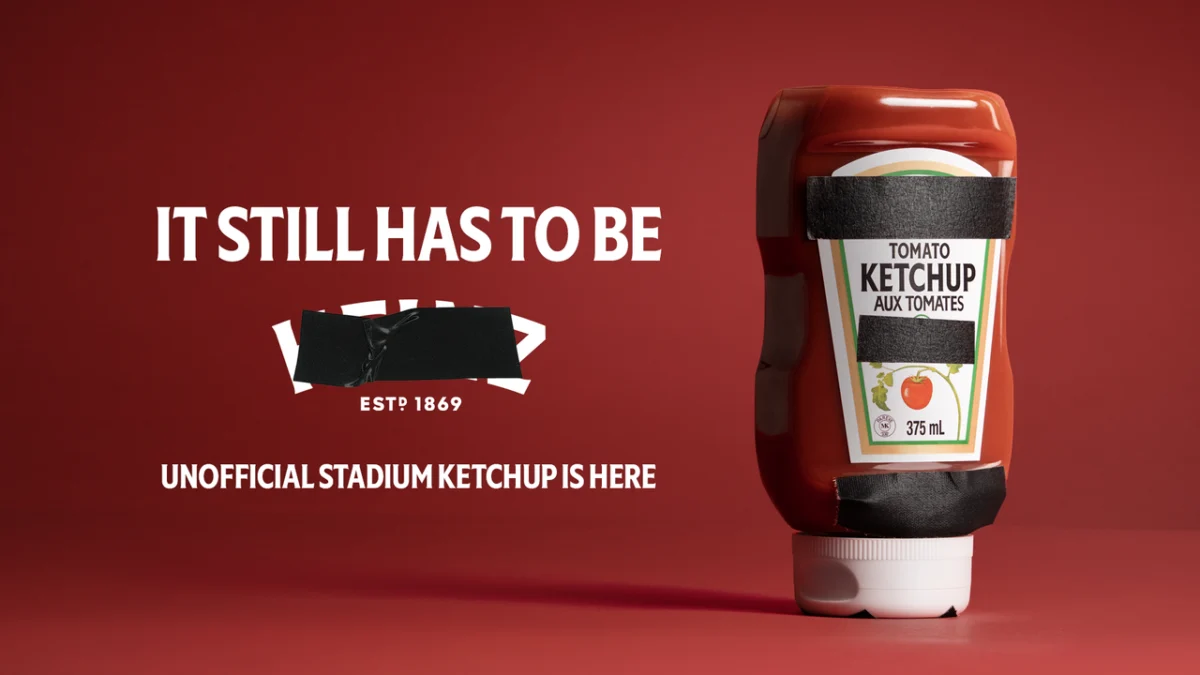
In the high-stakes world of global sports marketing, the FIFA World Cup stands as the ultimate pinnacle. For decades, it has been a theatre of exclusive partnerships, where official sponsors pay astronomical sums for the right to be associated with the "Beautiful Game." However, a new trend is emerging that challenges the very nature of exclusivity: the "Tactical Blackout."
When faced with strict stadium regulations that mandate the removal of non-official branding, major corporations like Heinz, Levi’s, and Gillette are not merely complying—they are weaponizing the censorship. By leaning into the forced erasure of their logos, these brands are turning potential PR disasters into masterclasses in viral marketing, proving that in the modern era, the power of a brand lies not in its logo, but in the iconic visual identity that consumers recognize even when it’s redacted.
The Catalyst: Rigid Stadium Rules and the "Unofficial" Movement
The friction between global sporting bodies and non-official brands is rooted in the aggressive protection of intellectual property. During major tournaments, FIFA and local organizing committees enforce "clean stadium" policies. These rules are designed to protect the value of the official sponsorship packages, which can cost tens of millions of dollars. As a result, any brand that hasn’t signed an official deal—even if they have a long-standing local presence or facility naming rights—is forced to cover, tape over, or remove their signage.
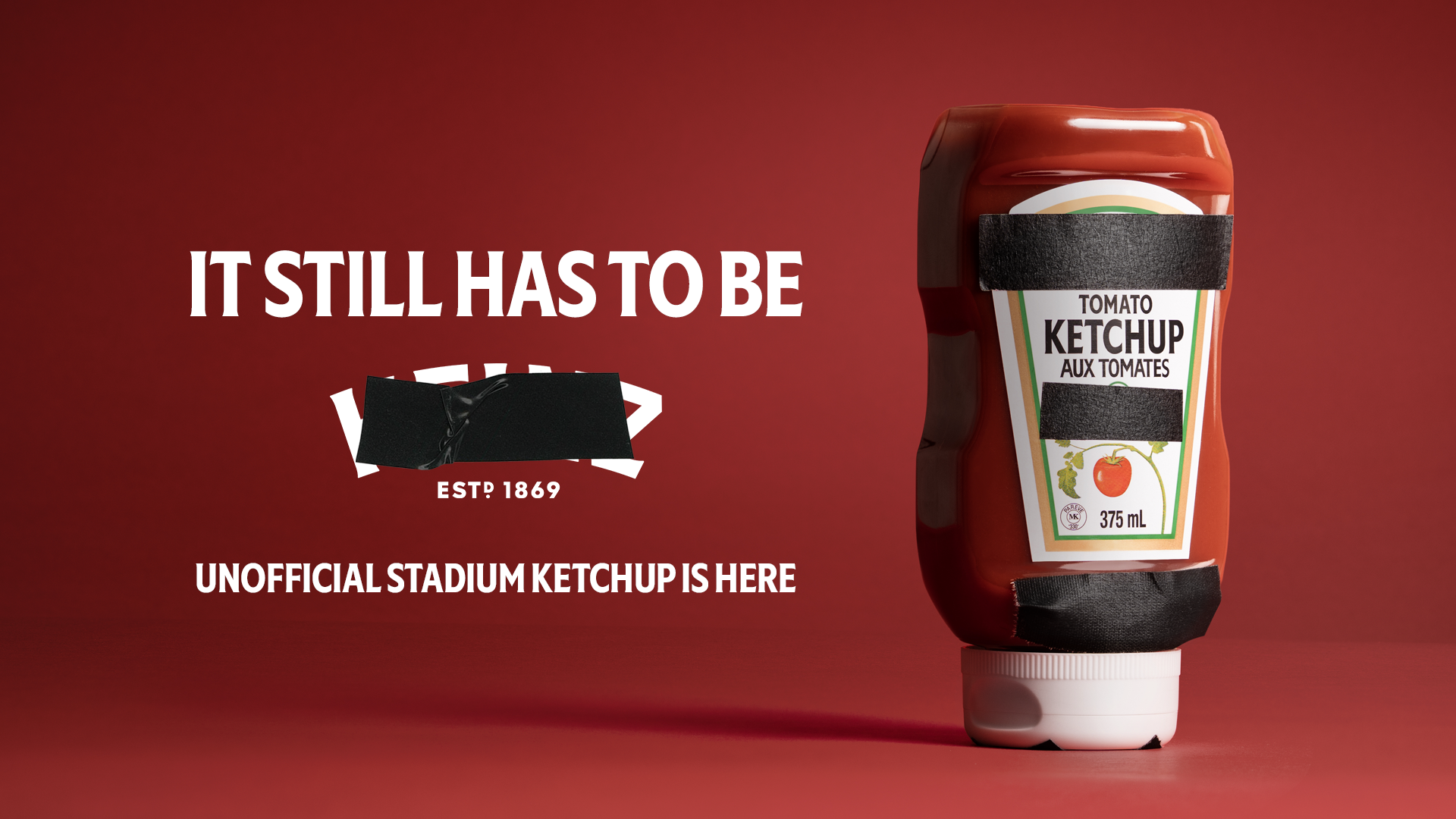
In Canada, this reality hit home at BMO Field in Toronto. Heinz, a household name synonymous with ketchup, found its branding at the stadium deemed "unofficial." Rather than simply removing the signs, Heinz Canada launched a defiant and clever campaign: the "Unofficial Stadium Ketchup." By releasing limited-edition bottles with the name "Heinz" blacked out, the company leaned into the narrative of being an outsider. The label read, "It still has to be," a cheeky nod to their slogan, and featured a redacted aesthetic that consumers immediately identified as a commentary on corporate overreach.
A Chronology of Creative Defiance
The trend of tactical redaction did not appear in a vacuum. It represents a shift in how marketing departments respond to external limitations.
- Early 2020s (The Experimental Phase): Brands began testing the waters of "guerrilla" marketing, using social media to highlight instances where they were barred from official events, effectively creating a "shadow" presence.
- The Levi’s Precedent: Before the Heinz campaign, Levi’s demonstrated how to navigate stadium restrictions. When their branding was ordered to be covered at a stadium venue, they opted for a creative masking strategy that drew more attention to the site than the original signage would have. The "hidden in plain sight" approach turned a forced concealment into a conversation piece.
- The Gillette Foam Maneuver: Shortly after the Levi’s incident, Gillette made headlines at a Boston stadium. Faced with the requirement to obscure their logo, the brand opted to cover the sign with a mock-up of shaving foam. The result was visually striking and distinctly "on-brand," turning a restrictive regulation into a playful, creative installation that resonated deeply with fans.
- The Heinz Pivot: The most recent iteration, the Heinz campaign, represents the most sophisticated version of this strategy yet. By bringing the "redacted" aesthetic into the hands of the consumer via physical products, Heinz transitioned from a passive victim of sponsorship rules to an active participant in the cultural discourse.
Supporting Data: Why "Redacted" Marketing Works
The success of these campaigns is backed by the psychological principles of cognitive recognition. Research in branding suggests that consumers recognize iconic brands through more than just their typography. The shape of a ketchup bottle, the specific shade of red, and the layout of the label are all "brand assets" that exist independently of the text.
Social media metrics from the Heinz campaign reveal a massive surge in organic engagement. When the "Unofficial Stadium Ketchup" was announced, the reaction on platforms like Instagram and X (formerly Twitter) was overwhelmingly positive. Comments such as "This is so clever" and "I need one of these" underscore a critical shift in consumer sentiment: the public is increasingly rooting for the "rebel" brand.
In an age of digital fatigue, consumers are cynical toward traditional advertising. When a brand admits—or even highlights—that it is being censored, it creates a "David vs. Goliath" narrative. Even though these brands are themselves massive corporations, the act of being "covered up" frames them as the underdog fighting against the rigid, bureaucratic nature of global sports governance.
Official Responses and the "Silent" Conflict
To date, the response from tournament organizers has been largely silent, which is a strategic choice. Addressing the "Unofficial" campaigns would force FIFA and other governing bodies to acknowledge the brilliance of the stunts, potentially drawing even more attention to the non-official brands.
However, the implications are becoming impossible to ignore. Industry analysts suggest that this creates a "branding loophole." If a brand can achieve more visibility through a stunt involving a redacted logo than a competitor achieves through a multi-million-dollar official sponsorship, the ROI of traditional sports marketing must be re-evaluated.
There is an underlying tension here: do these stunts violate the spirit of the sponsorship agreements? While they may not technically violate the letter of the law—as they are often performed outside the stadium perimeter or on consumer products—they certainly challenge the exclusivity that official sponsors pay for.
The Implications for Future Marketing
The success of the "Tactical Blackout" has profound implications for the future of the advertising industry, particularly for those involved in the Brand Impact Awards and other creative summits.
1. The Death of Literal Branding
The success of the redacted Heinz bottle proves that literal brand names are becoming less important than "brand identity assets." If you have to black out your name and the customer still knows who you are, you have achieved the ultimate branding goal. Moving forward, designers will likely focus more on color, silhouette, and texture as primary identifiers.
2. The Rise of "Reactive" Campaigns
Brands are moving away from long-term, static advertising plans toward reactive, agile campaigns. The ability to pivot within hours of a regulation being enforced allows brands to capitalize on current events. This "newsroom-style" marketing is becoming a requirement for any major brand.
3. A Challenge to Exclusivity Models
Tournament organizers will likely attempt to close these loopholes in future contracts. Expect to see broader "anti-ambush" clauses that prevent sponsors from referencing their "unofficial" status or using the "blacked-out" aesthetic in association with the tournament. However, this creates a "Streisand Effect": the more the authorities try to suppress the stunt, the more popular the stunt becomes.
4. The Human Element
Finally, these campaigns prove that consumers crave authenticity—or at least, a simulation of it. By acknowledging the absurdity of the sponsorship rules, these brands are engaging in a meta-commentary that breaks the fourth wall. They are speaking to the consumer as a person who understands the joke, rather than as a target for a sales pitch.
Conclusion: A New Era of Sports Branding
As we look toward the next World Cup and other major global events, the landscape of sports marketing is irrevocably changed. The era of the "official" sponsor holding total dominion over the visual field is facing a new kind of competition.
Heinz, Levi’s, and Gillette have set a high bar for creative agency. They have proven that when a door is closed, a creative brand will not just knock; they will find a way to make the closed door look like the most interesting part of the building. For marketers, the lesson is clear: if you are forced to hide your brand, make sure that the act of hiding it is the most memorable thing you do all year.
As the Brand Impact Awards 2026 approach, it will be fascinating to see how many submissions draw inspiration from these "redacted" masterclasses. The future of branding is not just in what you show the world—it is in how you handle the parts of yourself that the world tries to cover up.
 Lina Hope
  Reynand Wu
  Pevita Pearce