
 By Siti Muinah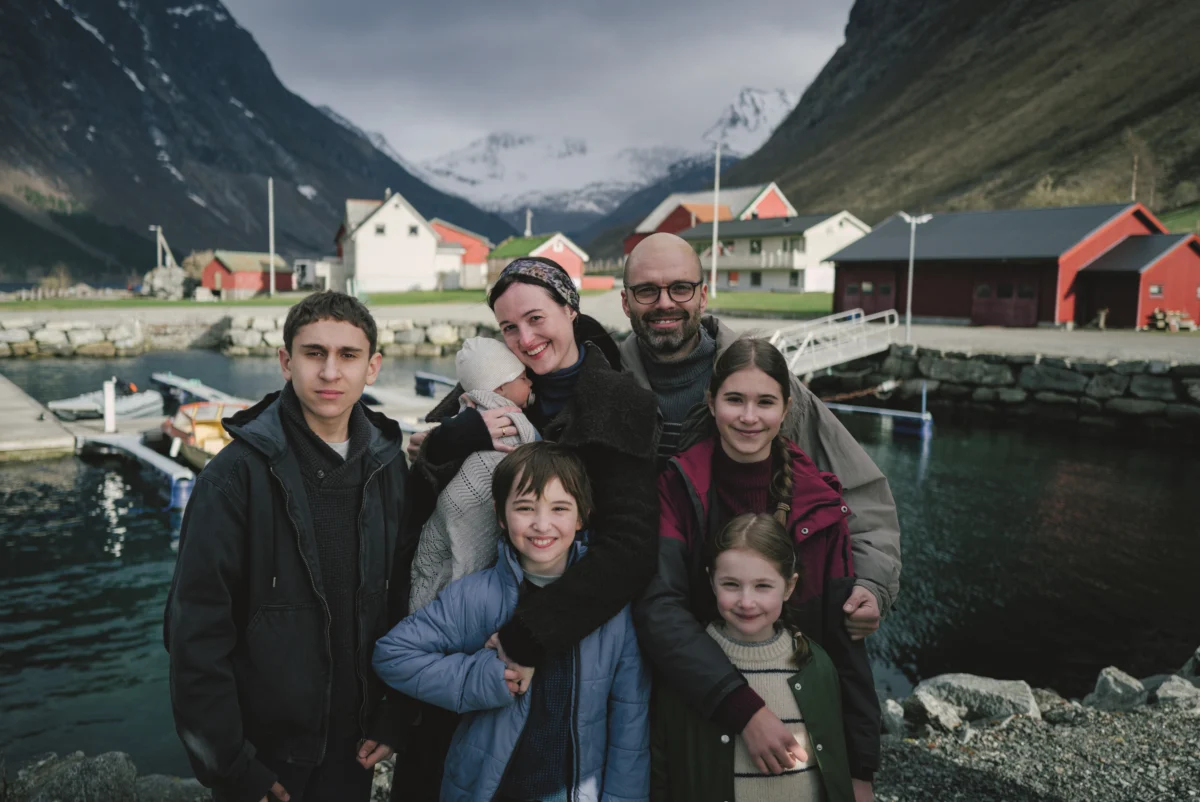
Neon, the independent distribution powerhouse that has redefined the landscape of prestige cinema, has officially locked in the release date for its latest Cannes triumph. Fjord, the searing family drama from acclaimed Romanian auteur Cristian Mungiu, is slated to arrive in theaters on October 9.
The date is far from arbitrary. By positioning Fjord in the second week of October, Neon is leaning into a proven strategic blueprint that has previously launched the studio’s most decorated Palme d’Or winners—including Parasite, Anatomy of a Fall, and Anora—directly into the heart of the Academy Awards conversation.
A Proven Path: The "Neon October" Strategy
For cinephiles and industry analysts alike, the announcement carries significant weight. Neon’s track record with October releases has become the gold standard for independent distributors aiming for the Oscars. The studio has cultivated a reputation for identifying international masterpieces, securing them early, and nurturing them through the fall festival circuit into a sustained, high-profile theatrical run.
This specific timing is designed to maximize momentum. By hitting theaters just as the fall film festivals (Telluride, Venice, Toronto) conclude, the film enters the public consciousness exactly when critics and Academy voters are beginning to finalize their end-of-year lists. It is a high-stakes gamble that has paid off in dividends: Parasite and Anora both rode this wave all the way to the Best Picture podium, proving that foreign-language cinema can dominate the domestic cultural zeitgeist.
The Narrative Core: A Clash of Cultures and Beliefs
Fjord marks a return to form for Cristian Mungiu, a director whose work is defined by its unflinching commitment to social realism and the intricate, often painful dynamics of the human condition. In this latest outing, Mungiu shifts his focus to the icy, isolating beauty of rural Norway.
The film stars Sebastian Stan and Renate Reinsve as a devout Romanian couple who relocate their five children to a secluded Norwegian village. The tension is established early: the parents’ strict religious convictions stand in stark contrast to the secular, progressive social structures of their new home. The narrative catalyst occurs when school officials notice unexplained bruising on one of the children. What follows is not merely a legal drama, but a harrowing interrogation of cultural assimilation, the nature of parental authority, and the subjective definition of "care."
In his review for Variety, Guy Lodge described the film as a "brilliantly knotted social drama," noting that Mungiu captures a world where every action has an equal and opposite reaction. "Everything is happening at all times in Fjord," Lodge wrote, "as befits a film sharply attuned to the world’s ever-expanding possibilities for movement, misunderstanding, and conflict."
A Director’s Journey: From Bucharest to the World Stage
Cristian Mungiu is no stranger to the highest echelons of the Cannes Film Festival. His career has been a trajectory of sustained excellence. He first ascended to global prominence in 2007 with the harrowing 4 Months, 3 Weeks and 2 Days, which earned him his first Palme d’Or. That film remains a seminal work of the Romanian New Wave, lauded for its oppressive, real-time tension.
Mungiu’s evolution as a filmmaker continued with Beyond the Hills (2012), which secured the Best Screenplay award at Cannes, and Graduation (2016), for which he shared the Best Director prize. With Fjord, Mungiu appears to be synthesizing the cold, procedural intensity of his early work with a broader, more international scope, tackling themes that resonate far beyond the borders of his native Romania.
The Neon Dynasty: Seven Years of Excellence
The acquisition and release of Fjord serve as the latest chapter in what can only be described as a historic "winning streak" for Neon. Since its inception, the studio has acted as a kingmaker for world-class directors. Fjord extends a remarkable run of seven consecutive Palme d’Or winners to be brought to North American audiences by the distributor.
This streak includes an eclectic mix of styles and subjects that showcase the breadth of Neon’s taste:
- Parasite (2019): Bong Joon Ho’s genre-defying masterpiece that shattered the "one-inch barrier" of subtitles.
- Titane (2021): Julia Ducournau’s visceral, body-horror exploration of identity.
- Triangle of Sadness (2022): Ruben Östlund’s biting satire of the ultra-wealthy.
- Anatomy of a Fall (2023): Justine Triet’s masterful courtroom dissection of a crumbling marriage.
- Anora (2024): Sean Baker’s kinetic, neon-soaked Cinderella story.
- It Was Just an Accident (2025): Jafar Panahi’s poignant return to form.
This roster is not merely a list of award winners; it represents a specific brand of cinema that is intellectually rigorous, visually arresting, and profoundly topical. By consistently betting on films that challenge domestic audiences, Neon has successfully bridged the gap between "art-house" sensibilities and mainstream Oscar viability.
Industry Implications: The Future of Prestige Distribution
The decision to release Fjord in October, particularly in the current theatrical climate, signals confidence in the film’s longevity. While many studios are retreating from mid-budget, character-driven dramas, Neon’s commitment to this model is unwavering. The implication for the broader film industry is clear: there remains a robust appetite for complex, adult-oriented dramas, provided they are backed by strong marketing and a clear festival-to-awards narrative.
Furthermore, the casting of Sebastian Stan—a massive box-office draw—alongside Renate Reinsve—a critical darling since her breakout in The Worst Person in the World—suggests a calculated attempt to marry star power with prestige material. This blending of genres and talents is the secret sauce behind the "Neon formula."
Looking Ahead: The Road to the Academy
As October 9 approaches, the industry will be watching closely to see if Fjord can repeat the feats of its predecessors. The buzz surrounding the film has been palpable since its debut at the Croisette, and early predictions already place it as a top contender in the Best Picture, Best Director, and Best Original Screenplay categories.
However, the road to the Oscars is never guaranteed. Fjord will face stiff competition from other major fall releases, and its dense, often uncomfortable subject matter will require a careful rollout. Yet, if Neon’s history is any indication, the studio knows exactly how to navigate these waters. By positioning the film as a "must-see" cultural event rather than a niche foreign-language entry, they have already won the first battle of the awards season.
For the audience, Fjord promises to be one of the most significant cinematic experiences of the year—a challenging, beautifully crafted exploration of what happens when the private walls of a family collide with the public scrutiny of a globalized world. As the autumn leaves turn, all eyes will be on the theater, waiting to see if Mungiu’s latest work will cement its place in history alongside the greats.
 Asep Darmawan
  Azzam Bilal Chamdy