
 By Pevita Pearce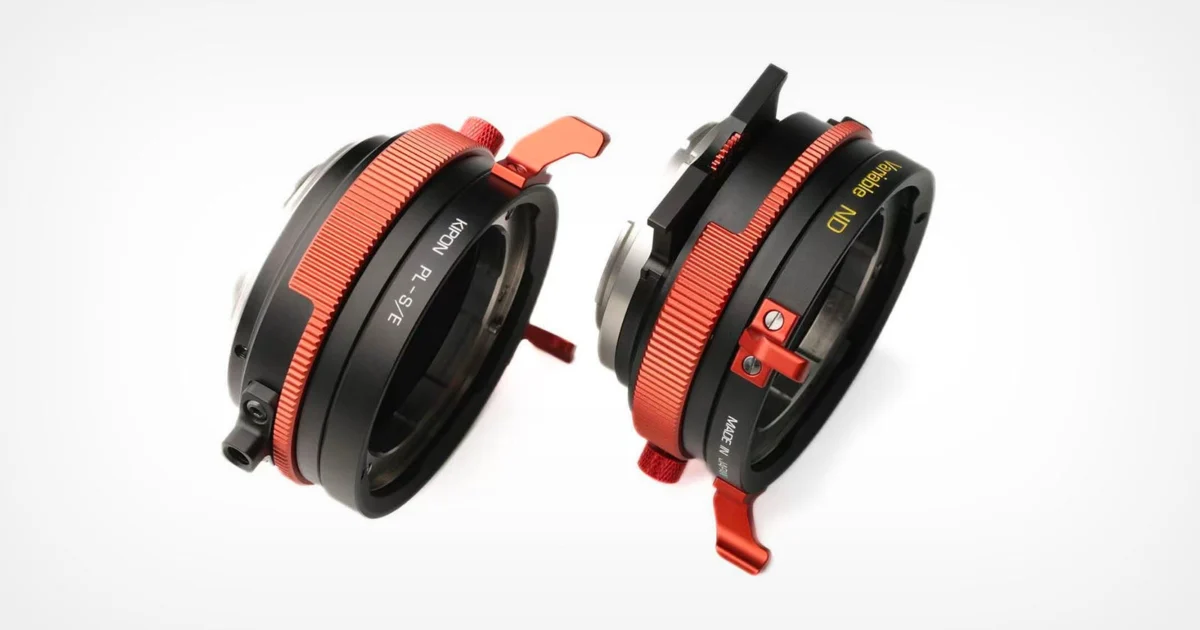
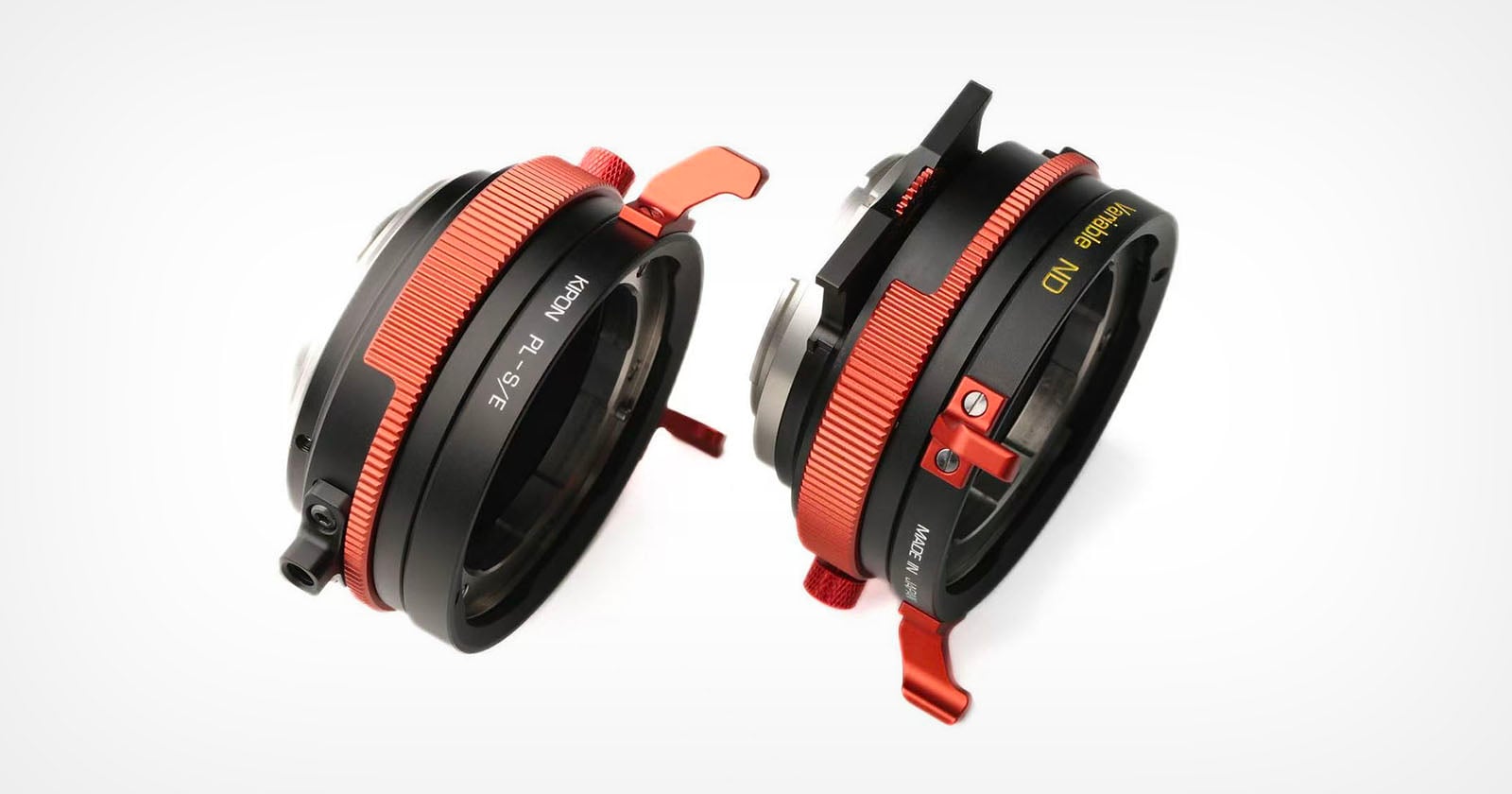
In a significant advancement for digital cinematography, Kipon has officially unveiled its new Variable ND PL adapter, a product the company claims is the world’s first professional-grade PL-mount adapter to feature an integrated, high-performance variable neutral density (VND) filter. Designed specifically for Sony E-mount and Nikon Z-mount mirrorless camera systems, this adapter represents a major leap forward for filmmakers who rely on the robust ecosystem of cinema glass but operate on the compact, high-resolution mirrorless bodies that have become the industry standard.
By bridging the gap between professional PL-mount cinema lenses and modern mirrorless sensors, Kipon is positioning itself as an essential partner for both independent filmmakers and high-end production houses. The announcement, which underscores a shift toward premium, Japanese-manufactured optics, marks a pivotal moment in the company’s evolution.
Main Facts: A Technical Overview
The core value proposition of the Kipon Variable ND PL adapter lies in its 2-in-1 functionality. Traditionally, adapting cinema lenses to mirrorless cameras requires a simple mechanical interface. However, filmmakers often struggle with light management, as mirrorless cameras—unlike dedicated cinema cameras—rarely feature internal ND filtration.
The Kipon adapter solves this by housing a built-in variable neutral density filter, offering a range of 1.5 to 7 stops of light reduction. This allows cinematographers to maintain their preferred aperture and shutter angle regardless of ambient light intensity. Key technical specifications include:
- Broad Compatibility: Currently available for Sony E and Nikon Z mount systems.
- Integrated Optics: Features a high-quality, Japanese-made drop-in variable ND filter.
- Precision Engineering: A multi-start threaded mechanism allows for precise flange distance adjustments, ensuring infinity focus and optical consistency.
- Protruding Element Support: The adapter features an exceptionally deep recess, allowing the filter drop-in slot to be positioned as far back as possible toward the sensor. This design choice is critical, as it accommodates a wide range of PL-mount cinema lenses that feature rear-protruding elements, which often collide with standard adapters.
- Versatility: The system is fully compatible with Kipon’s existing Mamiya 645-PL 0.7x Optical Focal Reducer, enabling the use of medium-format glass on cinema-grade systems.
A Chronology of Development
The path to this product launch was not accidental; it was the result of a deliberate, multi-year shift in Kipon’s manufacturing strategy. For years, Kipon established its reputation as a reliable, cost-effective manufacturer based in China. However, the development of the Variable ND PL adapter marked a departure from this model.
According to company representatives, the development process began with an intensive research and development phase involving feedback from rental technicians, cinematographers, and production experts. Recognizing that modern film sets demand reliability above all else, Kipon shifted its assembly and design operations to Japan for this specific line. By collaborating with technical specialists at Sanwa Eizai and Crank, Kipon sought to ensure that every aspect of the adapter—from the rotation of the gear dial to the optical clarity of the ND filter—met the stringent demands of professional environments.
This pivot toward Japanese manufacturing and expert-led engineering represents a strategic attempt by Kipon to elevate its brand identity from a budget-friendly third-party accessory maker to a serious contender in the high-end cinematography market.
Supporting Data: Why Variable ND Matters
To understand the significance of this tool, one must look at the constraints of modern digital cinema. The "look" of a film is often dictated by the relationship between aperture and shutter angle. To achieve a shallow depth of field (the "cinematic" bokeh), filmmakers prefer to shoot at wider apertures, such as T1.5 or T2.8. However, shooting at these apertures in bright daylight without ND filtration forces the cinematographer to use an extremely high shutter speed, which ruins the motion blur profile of the shot, leading to a "jittery" or overly sharp, unnatural look.
Previously, filmmakers were forced to use matte boxes with external glass ND filters. While effective, this adds significant weight, size, and setup time to a camera rig—factors that are counter-productive when using a compact mirrorless camera. By moving the ND filtration into the adapter itself, Kipon allows for:
- Workflow Efficiency: A drastic reduction in the time required to switch filters during changing lighting conditions.
- Ergonomics: A slimmer, more streamlined rig that is easier to stabilize on gimbals and handheld setups.
- Optical Integrity: By using high-quality Japanese glass in a dedicated drop-in slot, the system minimizes the color shift and IR pollution often associated with cheaper, screw-on variable ND filters.
Official Responses and Strategic Vision
Kipon’s leadership has been vocal about the "culmination" of their efforts. In an official statement, the company noted: "These products represent the culmination of years of experience in optical engineering and adapter design. Our goal was to create a tool that improves real-world cinematography workflows without compromising optical quality or lens compatibility."
The involvement of professional production experts appears to have been the catalyst for the final design. By incorporating a "ridged gear dial," the adapter allows for tactile, precise adjustment—a feature specifically requested by focus pullers and camera assistants who need to adjust exposure without looking at the lens or the camera body.
The company’s decision to involve rental house technicians in the testing phase also suggests an intent to penetrate the professional rental market. If an adapter is "rental-proof"—meaning it can withstand the wear and tear of daily production cycles—it gains a level of industry credibility that consumer-grade products rarely achieve.
Implications for the Future of Filmmaking
The release of the Kipon Variable ND PL adapter signals a broader trend in the industry: the "democratization of the cinema look." As mirrorless cameras like the Sony Alpha series or Nikon Z-series continue to capture high-end raw video, the barrier between "prosumer" gear and professional cinema gear is thinning.
Kipon’s contribution ensures that this transition is seamless. By providing a professional-grade bridge, they are enabling creators to leverage the immense library of existing PL-mount lenses—many of which have been used on major motion pictures—on the latest, most advanced sensor technologies.
Furthermore, this move puts pressure on other accessory manufacturers to up their game. If Kipon can deliver a Japanese-assembled, pro-grade adapter with built-in ND at a price point under $700, it challenges the dominance of more expensive, bespoke solutions. The implications for the independent filmmaker are clear: the cost of achieving a high-end, professional image is decreasing, while the convenience and agility of the production process are increasing.
Pricing, Availability, and Market Outlook
At the time of this writing, the Kipon Variable ND PL adapter is available for preorder directly through the company’s global website. Kipon has implemented a promotional strategy, offering a 15% discount on the $699 retail price for early adopters, bringing the cost down to $573. Shipping for both the Sony E and Nikon Z versions is scheduled for mid-August.
While the product is currently a direct-to-consumer launch, industry analysts expect it to reach major photography and cinema retailers, such as B&H, in the coming months. For those invested in the PL-mount ecosystem, this adapter is more than just a piece of hardware; it is an essential investment in the longevity and versatility of their lens collections.
As the industry continues to evolve, tools like the Kipon Variable ND PL adapter remind us that the most significant innovations are often the ones that remove friction from the creative process. By combining optical precision with practical, real-world utility, Kipon has set a new benchmark for what filmmakers should expect from their camera adapters. Whether this will lead to a broader range of focal-reducing or electronic-communicating adapters remains to be seen, but for now, the future of the PL-mount mirrorless workflow looks significantly clearer—and much easier to manage.
 Laily UPN
  Reynand Wu
  Lina Hope