
 By Reynand Wu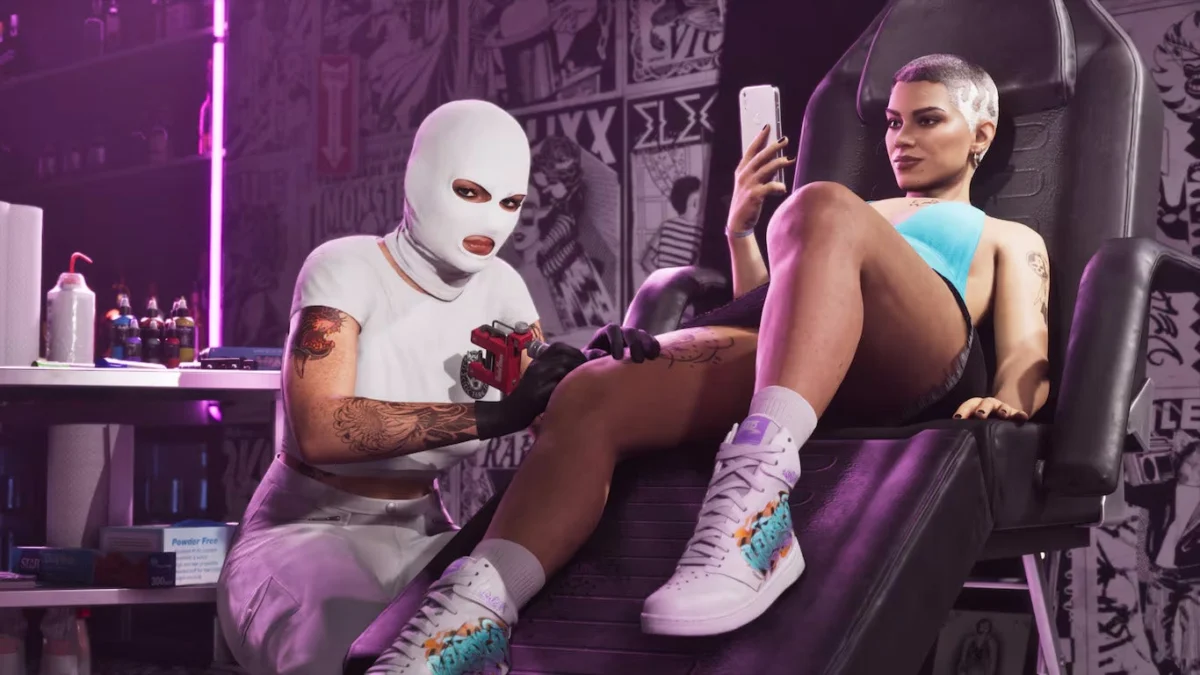
The long-awaited arrival of Grand Theft Auto 6 is no longer a distant whisper in the halls of Rockstar Games; it is a looming, high-definition reality. As the November 19th release date for PlayStation 5 and Xbox Series S/X approaches, new details regarding the game’s core mechanics have surfaced, painting a portrait of a world that is as technologically interconnected as it is chaotic. Chief among these revelations is the inclusion of a sophisticated, in-game social media platform—a move that signals Rockstar’s intent to turn its legendary satirical lens directly toward the frantic, viral-obsessed landscape of TikTok and Instagram.
Main Facts: The New Social Ecosystem
Recent listings from Amazon’s Brazilian storefront and the major retailer Kabum have provided the most concrete evidence to date regarding the role of digital life in GTA 6. Unlike the static web pages or simple email systems of previous entries, the social network in GTA 6 appears to be a dynamic, living entity.
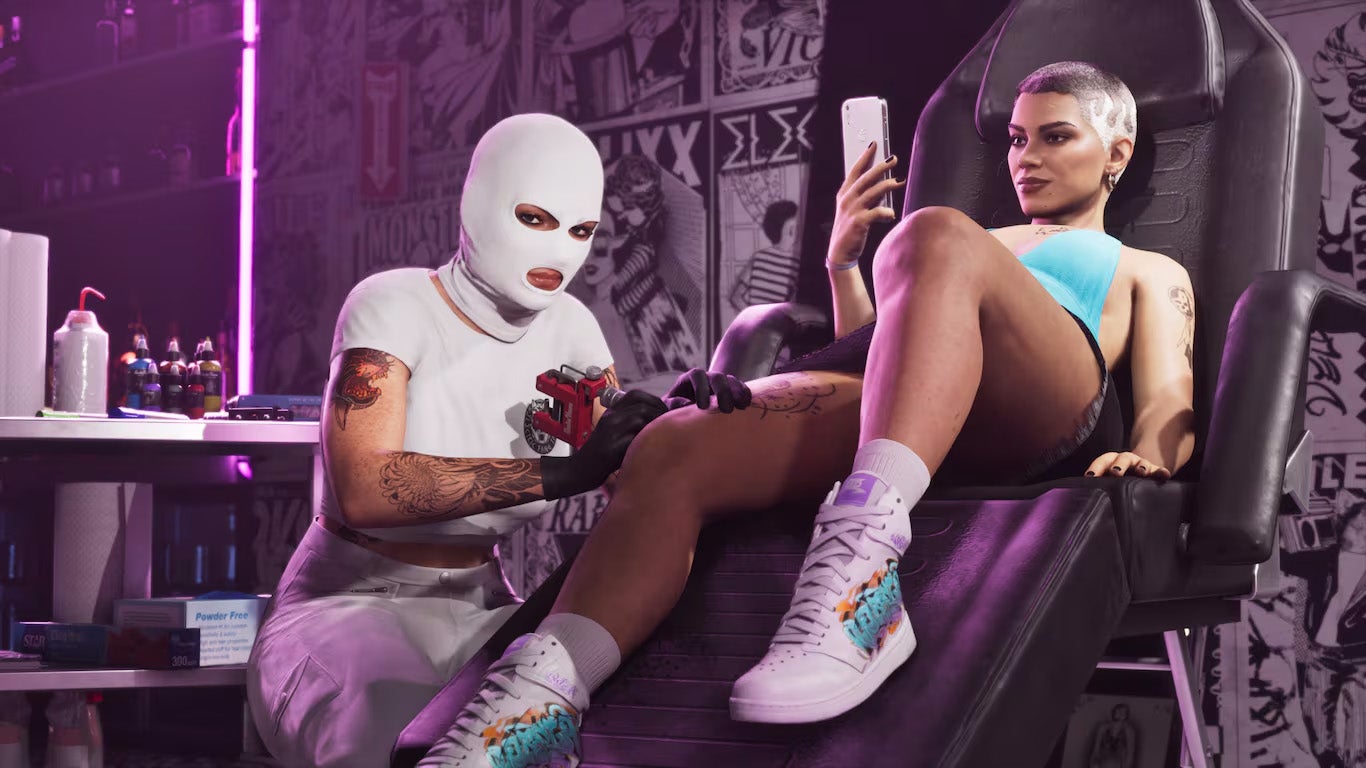
Players will navigate this landscape through their character’s in-game smartphone. The system is described as a "living world" feature, allowing users to scroll through viral video feeds, follow local influencers, and, crucially, unlock "secret" side missions. By engaging with these digital trends, players can track down emergent world events, suggesting that the game’s map will not just be a static playground, but a responsive ecosystem that reacts to the trends and "viral" content circulating within the game’s version of the internet.
The interactivity appears to mirror modern reality closely. Early trailers have already showcased a "follow" button, a "heart" reaction, and a comment section, implying that the player’s participation in this digital sphere may impact their standing, reputation, or access to specific criminal underground circles.
A Chronology of Rockstar’s Digital Parody
To understand the significance of this development, one must look at the historical evolution of how Rockstar handles the "internet" within its franchises.
The Early Days: The Cafe Era
In 2008’s Grand Theft Auto 4, the internet was a novelty. Players were forced to physically visit internet cafes—most notably the "Tw@" cafe—to check emails, browse the web, and interact with the game’s satirical version of the early 2000s web. It captured a moment in time when the internet was a place you "went to" rather than a tool you carried in your pocket.
The Smartphone Revolution: GTA 5
With the release of Grand Theft Auto 5 in 2013, the franchise pivoted to reflect the rise of the smartphone. Rockstar introduced "Lifeinvader" (a blatant parody of Facebook) and "Bleeter" (a jab at Twitter). While these platforms provided a wealth of lore and comedic content, they were largely passive consumption experiences for the player. They served to flesh out the satirical world-building that is a hallmark of the series, but they rarely influenced gameplay mechanics or mission progression in a meaningful, real-time way.
The Modern Era: GTA 6 and the TikTokification of Vice City
Now, in the upcoming title, the leap is significant. The inclusion of short-form, real-time video content—evidenced by the montage of car-roof dancers, police chases, and "hammer lady" style viral clips in the debut trailer—suggests that Rockstar is moving from "satire as background" to "satire as gameplay." The social network is no longer just a joke to be read; it is a tool to be wielded to navigate the streets of Vice City.
Supporting Data: AI-Driven World Building
The technical backbone of this social network is reportedly rooted in advanced Artificial Intelligence. According to the Kabum retailer listing, the NPCs in GTA 6 will operate on complex, independent routines. This AI integration is the engine that drives the social network’s relevance.
If an NPC decides to host a party on a boat or engage in a public stunt, the game’s AI can theoretically generate a "viral clip" based on that event. The player then sees this clip on their phone, allowing them to track the location, crash the party, or intervene in the event. This creates a feedback loop between the game’s simulation and the player’s digital interface, effectively turning the act of "doom-scrolling" into a core gameplay mechanic.
Furthermore, the listing highlights:
- Dynamic Character Switching: Players can toggle between protagonists Jason and Lucia in real-time, with each possessing unique abilities that alter the tactical approach to missions.
- Massive Map Density: The version of Vice City is touted as the most "dense and insane" environment in Rockstar’s history, featuring everything from neon-lit metropolitan centers to dangerous, swampy outskirts.
- Technical Optimizations: The game is being built with high-end hardware in mind, specifically utilizing the power of the PS5 Pro to achieve more stable frame rates and higher resolutions.
Official Responses and Industry Context
Rockstar Games has maintained its typical air of controlled silence regarding these specific feature leaks. When approached for comment regarding the validity of the retailer descriptions, the company reiterated its commitment to delivering an "unprecedented level of detail."

However, the industry buzz surrounding these revelations is palpable. The transition from a "world you explore" to a "world you follow" represents a paradigm shift for open-world design. By integrating social media as a functional tool, Rockstar is essentially gamifying the FOMO (Fear Of Missing Out) that defines modern social networking.
There is, however, a note of caution. Some of the data provided by retailers is labeled as "AI-generated summaries." While the broad strokes regarding the social network and character switching align with verified trailer footage, fans and analysts remain wary of over-promising. Whether this system will allow for user-generated content or if it remains a highly curated, scripted experience is a question that remains to be answered in the coming months.
Implications for the Future of Open-World Gaming
The implications of this design choice are profound. If Rockstar successfully implements a system where social media discovery drives mission variety, it effectively solves the "map bloat" issue that plagues many modern open-world titles. Instead of a map cluttered with repetitive icons, the player is guided by a narrative flow that mimics the way we consume news and entertainment today.
The Ethical and Ownership Debate
Despite the excitement, the lead-up to the launch has been shadowed by controversy. The news that physical editions of the game will ship without a disc—effectively a code-in-a-box—has sparked a massive conversation regarding digital ownership. Critics argue that this move is a calculated attempt to stifle the second-hand market and tighten control over game licensing.
Furthermore, the "Ultimate Edition" marketing, which bundles exclusive shops, cars, and missions behind a paywall, has left a segment of the community feeling that the game’s monetization strategy may be as aggressive as the world it satirizes.
Final Thoughts
As we edge closer to November 19th, Grand Theft Auto 6 stands as a monumental test of ambition. By digitizing the social media experience, Rockstar is not just creating a game; they are building a mirror to our own reality. Whether that mirror reveals a brilliant critique of the attention economy or merely a sophisticated distraction, one thing is certain: the streets of Vice City will be the most observed, recorded, and scrutinized virtual space in the history of the medium. The only question left is whether the player will be the one controlling the narrative, or if they will simply be another "follower" in the grand, chaotic feed of the game’s digital world.
 Laily UPN
  Nila Kartika Wati
  Asro
Asro 